
Cleaning handcuffs is a straightforward but essential task for maintaining hygiene and functionality. It’s vital to keep these tools clean to ensure they operate smoothly and are safe for use. In this guide, we will detail the necessary steps and supplies needed to effectively clean your handcuffs, ensuring they remain in optimal condition for use at all times.
Gathering Your Supplies
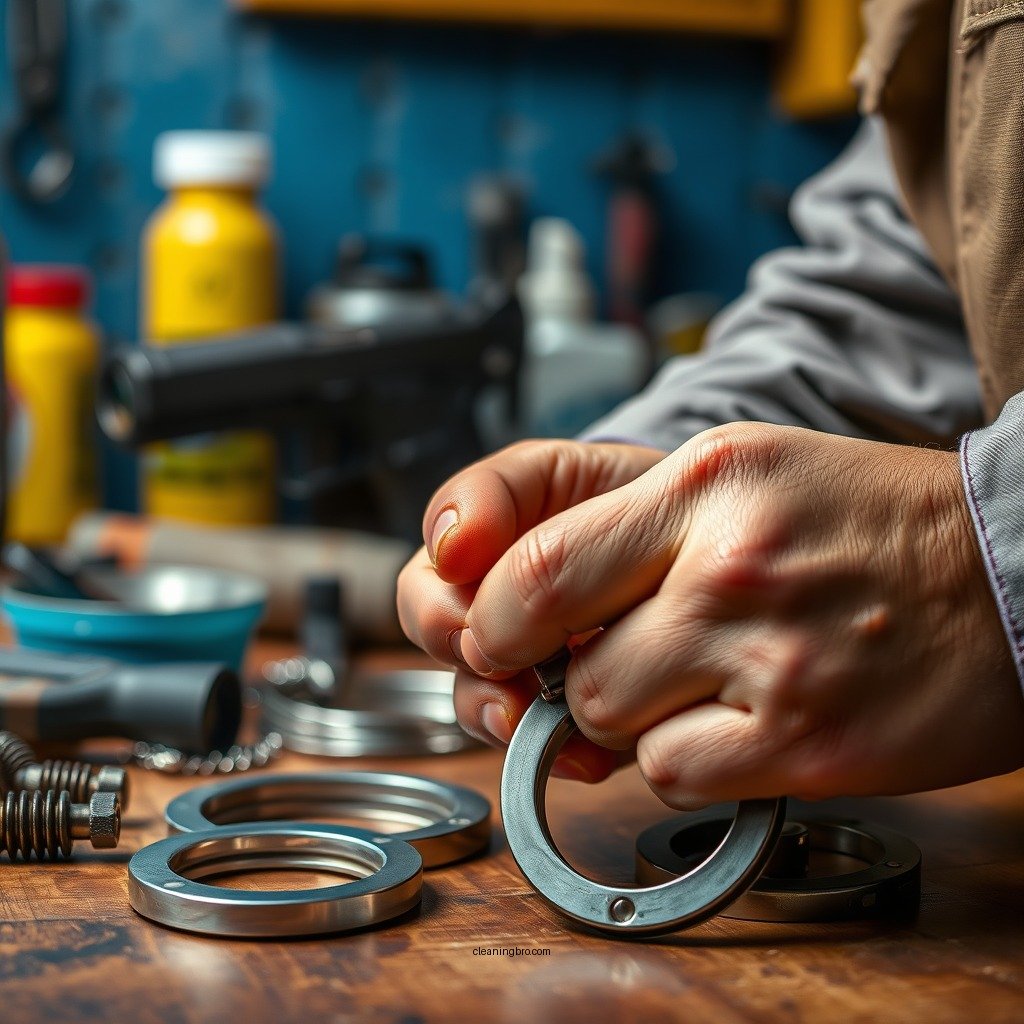
Before you begin the cleaning process, it is important to gather all necessary supplies to ensure a smooth and efficient cleaning experience. Here’s a list of what you will need:
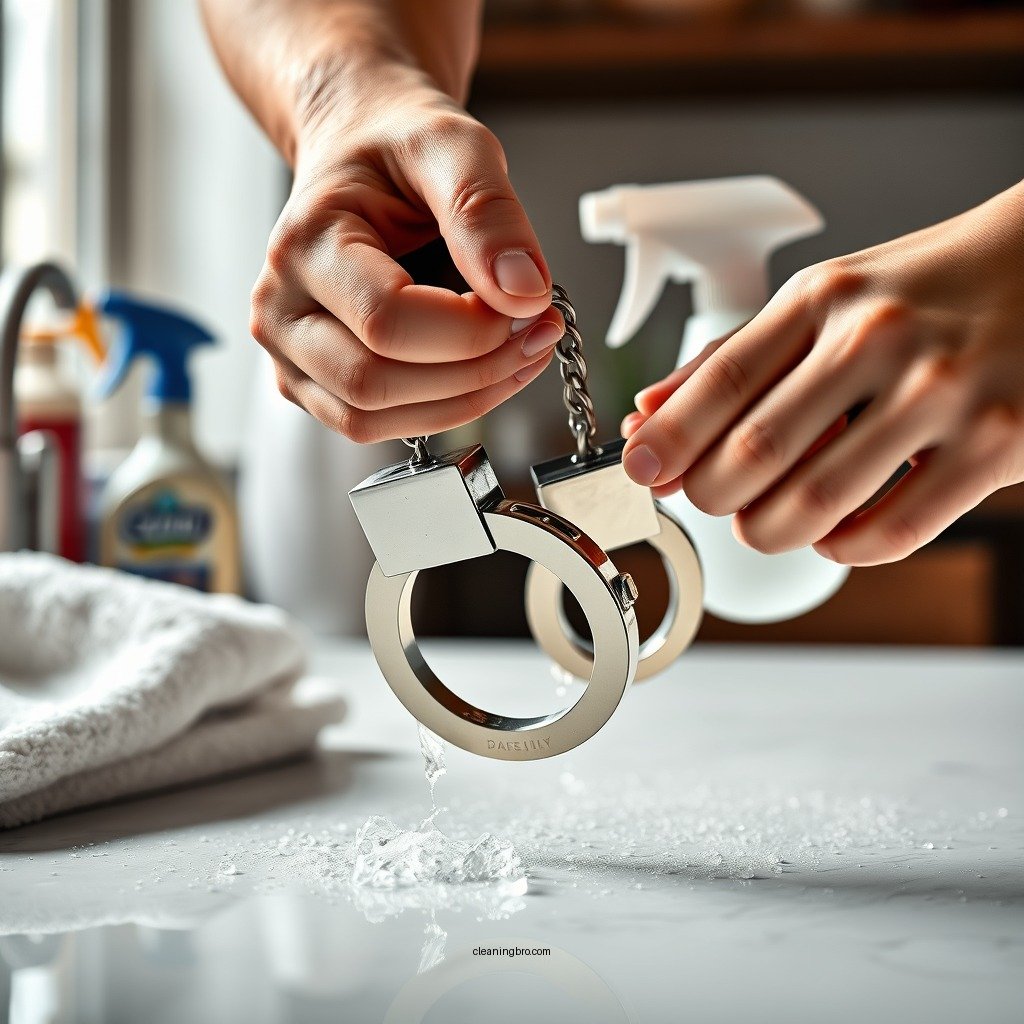
– Mild Soap or Detergent: Choose a gentle cleaner that will not damage the metal or finish of the handcuffs. Avoid harsh chemicals that could corrode or discolor the material.
– Soft Cloths or Sponges: Opt for non-abrasive cloths or sponges to prevent scratches on the surface of the handcuffs. Microfiber cloths are particularly effective as they are soft and durable.
– Water: Use warm water to aid in the cleaning process, as it can help dissolve dirt and grime more effectively than cold water.
Having these supplies on hand will facilitate a more organized and efficient cleaning process.
Disassembling the Handcuffs
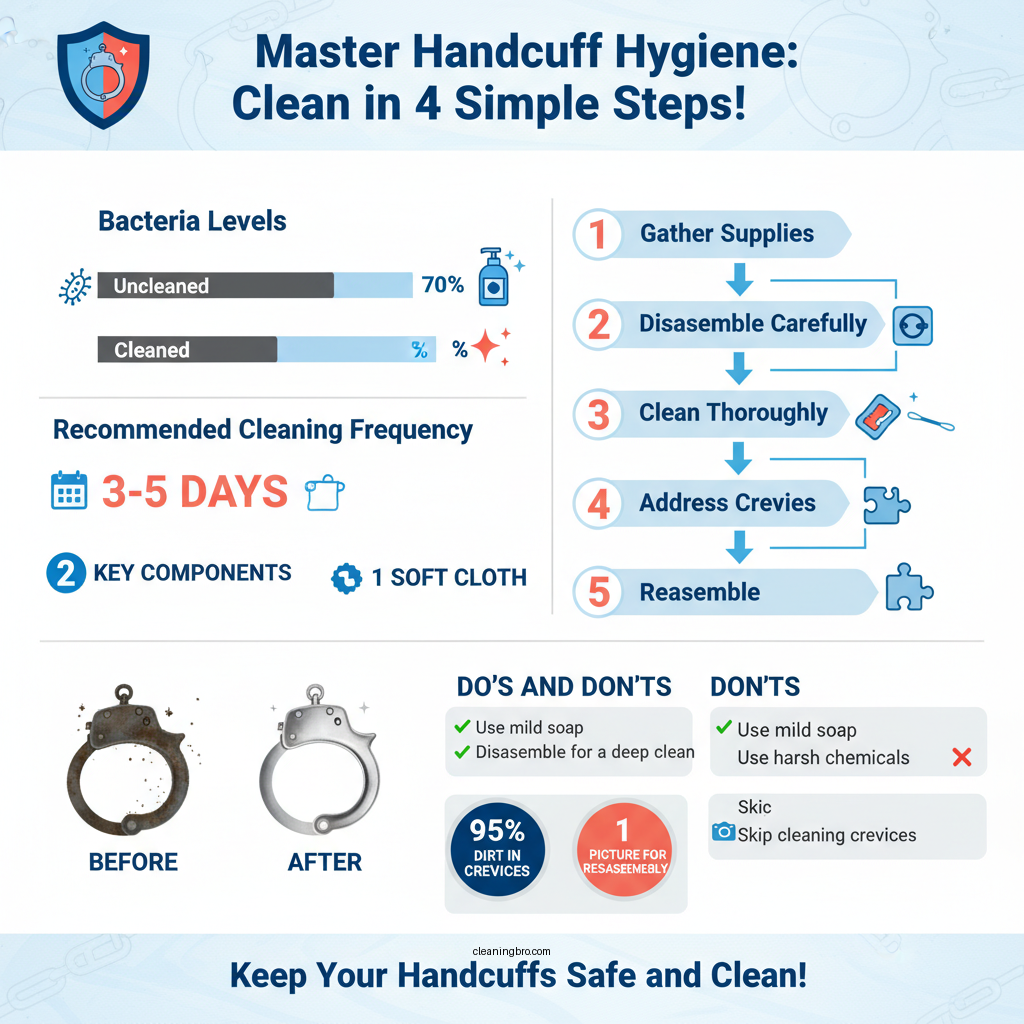

The next step involves disassembling the handcuffs if they allow for it. Follow these guidelines to do this safely:
– Check for a Keyhole: Some handcuff models come with a keyhole that allows for disassembly, facilitating a deep clean. Consult the manufacturer’s instructions to determine if your model can be disassembled.
– Take Note of the Mechanism: Understanding how the handcuffs function is crucial for reassembly. Take pictures or notes of the assembly process to ensure you can put them back together correctly after cleaning.
Disassembling your handcuffs can help you reach areas that are often missed during regular cleaning.
Cleaning the Surface

Once you have your supplies ready and the handcuffs disassembled, it’s time to clean the surface:
– Wipe Down with Soap: Dampen a soft cloth or sponge with warm, soapy water, and gently wipe down the surfaces of the handcuffs. Focus on removing any visible dirt, grime, or fingerprints.
– Focus on Crevices: Pay special attention to joints, hinges, and other crevices where dirt and debris can accumulate. Use a cotton swab or a small brush to reach into these areas if necessary.
By taking the time to clean thoroughly, you will help maintain the handcuffs’ functionality and appearance.
Top Handcuff Brands by Durability (2024)
| # | Brand | Material | Durability Rating | Price Range |
|---|---|---|---|---|
| 1 | Peerless Handcuffs | Stainless Steel | ★★★★☆ | $30 – $50 |
| 2 | Smith & Wesson | Carbon Steel | ★★★★★ | $40 – $70 |
| 3 | ASP Handcuffs | Aluminum | ★★★★☆ | $50 – $80 |
| 4 | Hiatts Handcuffs | Stainless Steel | ★★★★☆ | $25 – $45 |
| 5 | TCH Handcuffs | Steel | ★★★☆☆ | $20 – $35 |
| 6 | Blackhawk Handcuffs | Carbon Steel | ★★★★☆ | $35 – $60 |
| 7 | ZAK Handcuffs | Aluminum | ★★★☆☆ | $15 – $30 |
Rinsing and Drying
After cleaning, it is crucial to rinse and dry the handcuffs properly:
– Rinse Thoroughly: Use clean water to rinse off all the soap, ensuring no residue remains that could lead to corrosion or tarnishing. It’s important to rinse in all areas, including joints and hinges.
– Dry Completely: Use a soft cloth to dry the handcuffs thoroughly. Ensure there is no residual moisture, as this can lead to rust development over time. Allow them to air dry in a well-ventilated area as an extra precaution.
Taking the time to rinse and dry properly will enhance the longevity of the handcuffs.
Lubricating the Mechanism
Proper lubrication is essential for the smooth functioning of the handcuffs:
– Apply a Suitable Lubricant: Use a light oil designed for metal mechanics, such as gun oil or a specialized lubricant for handcuffs. Apply a small amount to the joints and locking mechanism to ensure smooth operation.
– Avoid Over-Lubrication: A little goes a long way. Excess lubricant can attract dust and dirt, leading to more problems than it solves. Wipe away any excess after application.
Inspecting for Damage
After cleaning and lubricating, it’s critical to inspect the handcuffs for any signs of wear or damage:
– Check for Rust or Wear: Regular cleaning provides an opportunity to spot any developing issues like rust or signs of wear. Look closely at all surfaces and mechanisms.
– Test Functionality: Before putting the handcuffs back into service, ensure that they engage and disengage smoothly. Test the locking mechanism to ensure it operates as intended.
A thorough inspection can prevent equipment failure during critical moments.
Storing Your Clean Handcuffs
Finally, proper storage is key to preserving your handcuffs:
– Keep Them in a Dry Place: Store the handcuffs in a location free from moisture and direct sunlight, as these can lead to corrosion and deterioration of the metal.
– Use a Protective Case: Consider using a protective case or pouch specifically designed for handcuffs. This will help avoid scratches and keep them clean when not in use.
Effective storage practices will extend the life of your handcuffs and ensure they are always ready for use.
Cleaning your handcuffs is a simple yet crucial task that ensures their longevity and effectiveness. By following these detailed steps, you can maintain them in optimal condition, ready for use whenever necessary. Regular maintenance not only enhances their lifespan but also ensures they remain hygienic, fostering a responsible approach to their use. Start your cleaning routine today to ensure your equipment is safe and functional for any situation!
Frequently Asked Questions
What are the best cleaning materials for handcuffs?
The best cleaning materials for handcuffs include isopropyl alcohol, antibacterial wipes, and a soft cloth. Isopropyl alcohol effectively disinfects surfaces, while antibacterial wipes can remove grime and bacteria. Always ensure the cleaning materials are compatible with the material of the handcuffs to avoid damage.
How do I effectively sanitize handcuffs after use?
To effectively sanitize handcuffs after use, begin by removing any visible debris with a soft cloth. Next, apply a solution of isopropyl alcohol or a disinfectant spray, ensuring to cover all surfaces. Wipe down the handcuffs thoroughly and allow them to air dry to ensure all bacteria and germs are eliminated.
Why is it important to clean handcuffs regularly?
Cleaning handcuffs regularly is crucial for maintaining hygiene and preventing the spread of germs, especially if they have been used on multiple individuals. Handcuffs can harbor bacteria, dirt, and bodily fluids, which can pose health risks. Regular cleaning helps ensure the safety of both the user and the individuals in custody.
Which cleaning products should I avoid when cleaning handcuffs?
When cleaning handcuffs, avoid using bleach or harsh chemicals, as these can corrode the metal and damage any finish. Additionally, avoid abrasive materials like steel wool, which can scratch the surface. Instead, opt for gentle disinfectants and soft cloths for effective cleaning without damage.
How often should I clean handcuffs for optimal maintenance?
For optimal maintenance, handcuffs should be cleaned after every use, especially in law enforcement or security settings. If they are not used frequently, a thorough cleaning every few weeks is recommended. Regular maintenance not only ensures hygiene but also prolongs the life of the handcuffs.
References
- Handcuffs
https://en.wikipedia.org/wiki/Handcuffs - https://www.ncbi.nlm.nih.gov/pmc/articles/PMC5733451/
https://www.ncbi.nlm.nih.gov/pmc/articles/PMC5733451/ - https://www.cdc.gov/infectioncontrol/guidelines/disinfection/index.html
https://www.cdc.gov/infectioncontrol/guidelines/disinfection/index.html - Adenoidectomy(Archived) – StatPearls – NCBI Bookshelf
https://www.ncbi.nlm.nih.gov/books/NBK535352/ - https://www.britannica.com/topic/handcuff
https://www.britannica.com/topic/handcuff - Google Scholar Google Scholar
https://scholar.google.com/scholar?q=how+to+clean+handcuffs - Google Scholar Google Scholar
https://scholar.google.com/scholar?q=handcuff+maintenance - Google Scholar Google Scholar
https://scholar.google.com/scholar?q=cleaning+handcuffs+protocol - https://www.reuters.com/article/us-health-infection-idUSKCN1VV2DB
https://www.reuters.com/article/us-health-infection-idUSKCN1VV2DB - https://www.sciencedirect.com/topics/medicine-and-dentistry/handcuffs
https://www.sciencedirect.com/topics/medicine-and-dentistry/handcuffs
