
How to Clean a Shammy: Step-by-Step Guide
Cleaning a shammy is a straightforward process that ensures your cleaning tool remains effective and hygienic. To clean a shammy, rinse it thoroughly with warm water, wring it out, and let it air dry. This article will guide you through the essential steps and tips to maintain your shammy in top condition, ensuring its longevity and optimal performance.
Understanding Your Shammy

A shammy, often referred to as a chamois, is a versatile cleaning tool made from either synthetic or natural materials. Natural chamois is derived from the skin of animals, traditionally goats, and is prized for its absorbency and softness. Synthetic chamois, on the other hand, is made from polyester or other man-made fibers, providing similar absorbent qualities with added durability and ease of maintenance.
Initial Rinsing Process
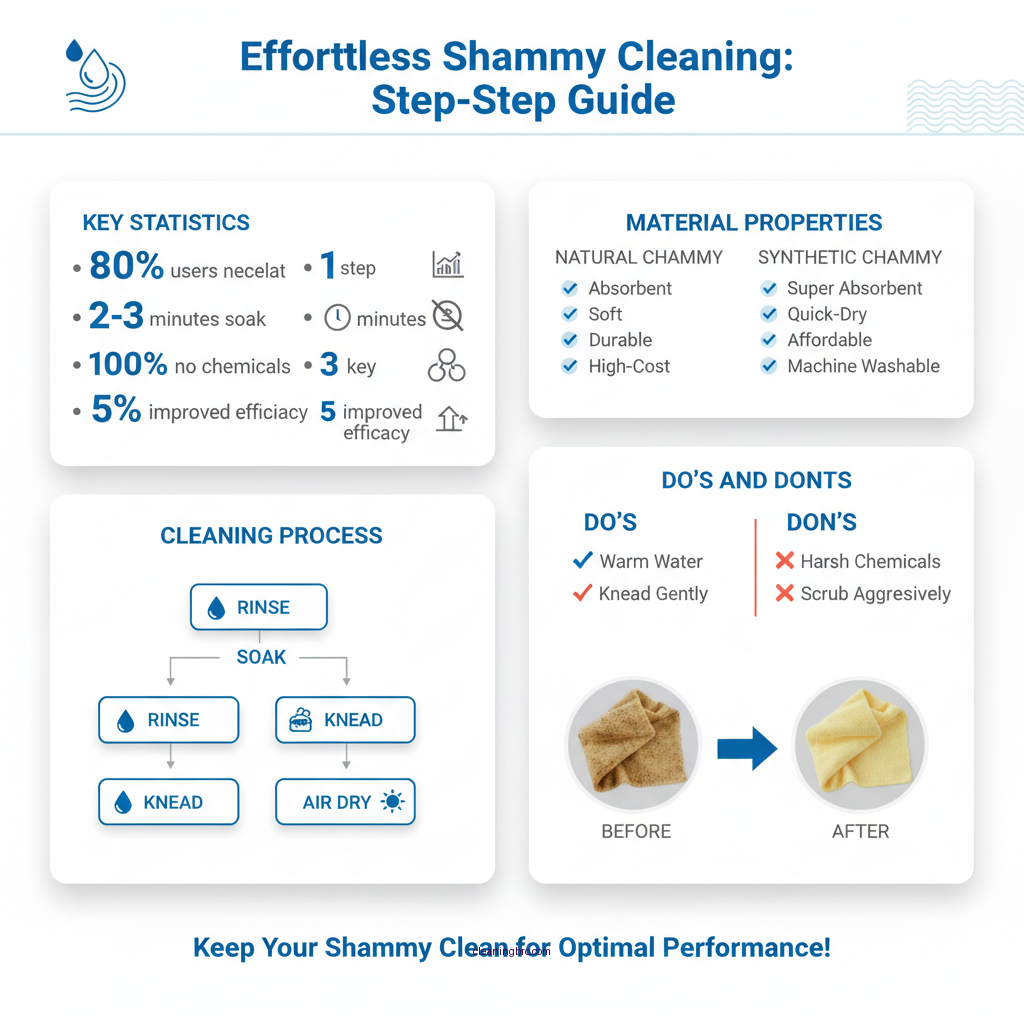

The first step in cleaning your shammy is to rinse it under warm running water. This initial rinsing helps remove any surface dirt, debris, or residues that have accumulated during its use. It’s crucial to avoid using harsh chemicals or detergents during this stage, as these can deteriorate the material of your shammy over time. Instead, simply use plain warm water to thoroughly rinse out any loose contaminants.
When rinsing, gently knead the shammy to help release trapped dirt without damaging the fibers. This step is essential to prepare your shammy for further cleaning.
Washing Techniques
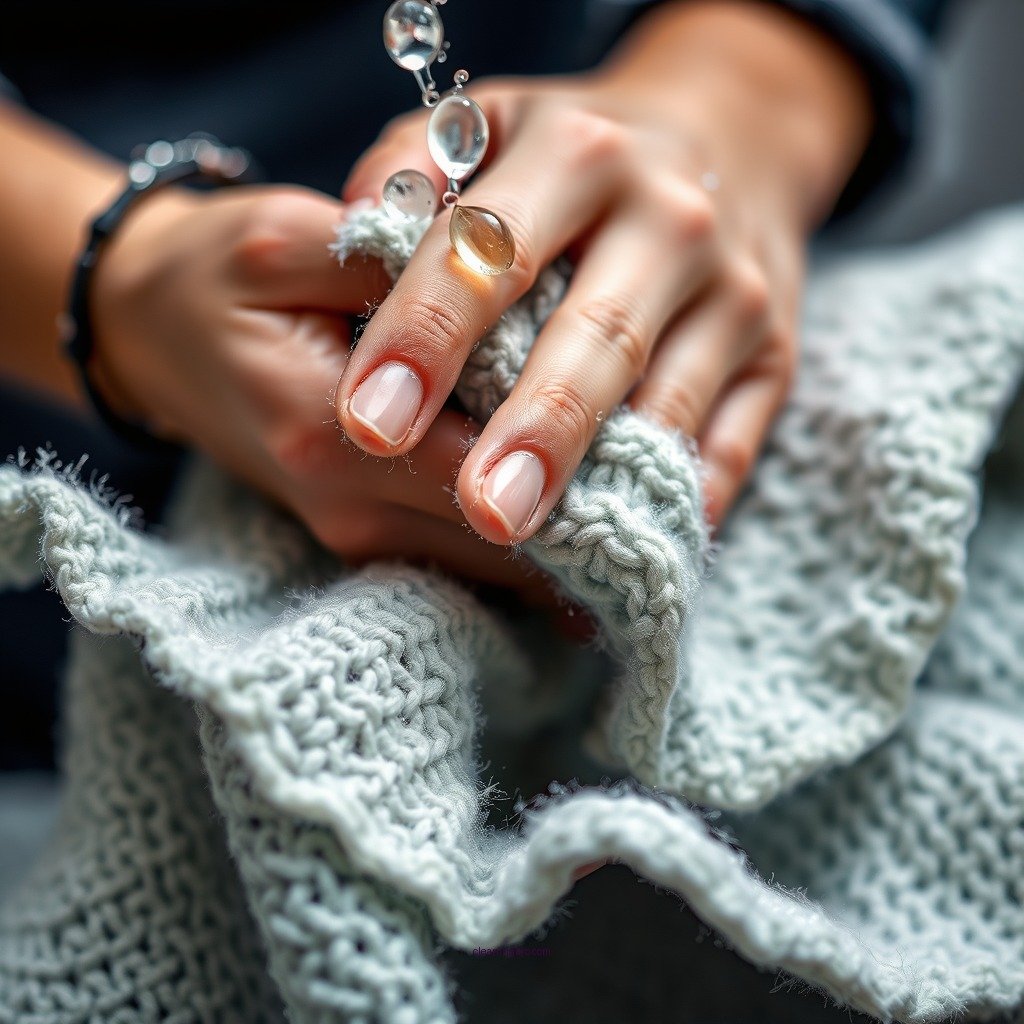
If your shammy requires a deeper clean, you can create a mild soap solution. Choose a gentle, non-toxic soap, and dilute it in warm water. Soak the shammy in this solution for a few minutes. After soaking, gently scrub any stubborn stains with a soft cloth or sponge, taking care not to apply too much pressure that might damage the shammy’s fibers.
For example, if you notice that your shammy has picked up grease or oil stains, a mixture of warm water and a few drops of dish soap can be particularly effective. Once you’ve scrubbed the shammy, proceed to the next step to ensure all soap is removed.
Rinsing Thoroughly
After washing, it’s crucial to rinse the shammy again under warm running water. This step ensures that all soap residue is completely washed away. Soap left in the fibers can lead to build-up over time, making the shammy less effective at cleaning and potentially irritating surfaces.
As you rinse, ensure the water runs clear, indicating that all soap and dirt have been thoroughly removed. This is a vital step in preserving the quality of your shammy and ensuring that it remains effective for future use.
Drying Your Shammy
Once your shammy has been rinsed thoroughly, the next step is drying it properly. Gently wring out excess water, but avoid twisting or pulling too hard, as this can distort its shape and fibers. Instead, simply squeeze the shammy to remove as much water as possible.
To dry your shammy effectively, lay it flat on a clean, dry surface away from direct sunlight or heat sources. Direct heat can cause synthetic materials to warp and can dry out natural fibers, leading to brittleness. Allow it to air dry completely to ensure that it is ready for its next use.
Storage Tips
Proper storage is essential for maintaining your shammy’s condition. After it has completely dried, store the shammy in a cool, dry place to prevent mold and mildew growth. Consider folding it neatly or, if possible, hanging it up to maintain its shape.
Avoid storing your shammy in damp or humid areas, as this can lead to unpleasant odors and a decrease in performance. A dedicated storage bag or container can also help protect your shammy from dust and contamination.
Maintenance Best Practices
To ensure your shammy remains in the best condition, regularly check it for signs of wear or buildup. You should clean your shammy after each use, particularly if it has been used for heavy-duty cleaning tasks.
Additionally, consider having multiple shammies for different cleaning purposes to prevent cross-contamination. For instance, designate one shammy for automotive use and another for household cleaning. This practice not only extends the life of your shammies but also enhances overall cleaning effectiveness.
Maintaining your shammy is essential for ensuring its effectiveness and extending its lifespan. By following these straightforward cleaning steps, you can keep your shammy in excellent condition for all your cleaning needs. For more tips on cleaning tools or related topics, consider following our blog for future updates!
Types of Chamois Material and Maintenance
| # | Material Type | Absorbency | Durability | Ease of Cleaning |
|---|---|---|---|---|
| 1 | Natural Chamois | High | Medium | Moderate |
| 2 | Synthetic Chamois | High | High | Easy |
| 3 | Microfiber Chamois | Very High | High | Very Easy |
Chamois Material Absorbency Comparison
Natural vs Synthetic vs Microfiber Chamois: Full Comparison
| Feature | ⭐ Microfiber Chamois | Synthetic Chamois | Natural Chamois |
|---|---|---|---|
| Absorbency | 95% | 85% | 75% |
| Durability | High | High | Medium |
| Ease of Cleaning | Very Easy | Easy | Moderate |
| Cost | Moderate | Low | High |
| Environmental Impact | Low | Moderate | High |
| Versatility | High | Medium | Low |
| Best Uses | Automotive, Household | General Cleaning | Specific Surfaces |
| Water Retention | Excellent | Good | Fair |
| Lifespan | Long | Medium | Short |
| 🏆 Best For | General Cleaning | Budget Users | Traditionalists |
In conclusion, keeping your shammy clean is essential for maintaining its performance and ensuring longevity. By following these steps—understanding your shammy, rinsing properly, using appropriate washing techniques, thoroughly rinsing again, drying correctly, and practicing good storage and maintenance—you can significantly enhance the utility and lifespan of this versatile cleaning tool. For more insights on cleaning tools and their maintenance, stay tuned to our blog for updates and tips.
Frequently Asked Questions
How do you properly clean a shammy after use?
To properly clean a shammy after use, rinse it thoroughly under warm water to remove dirt and debris. Avoid using harsh detergents; instead, opt for a gentle soap. After rinsing, gently wring out excess water and hang it to dry in a well-ventilated area, away from direct sunlight to maintain its quality.
What is the best way to maintain a shammy for long-lasting use?
The best way to maintain a shammy is to wash it regularly and store it properly. After each use, rinse it and let it dry completely to prevent mold or mildew growth. Additionally, keep it in a cool, dry place and avoid folding it tightly, as this can cause creases that affect its absorbency.
Why is it important to clean a shammy regularly?
Regularly cleaning a shammy is important because it prevents the buildup of dirt, grime, and bacteria, which can lead to unpleasant odors and reduced effectiveness. A clean shammy not only performs better in absorbing moisture but also helps maintain the surfaces you use it on, ensuring they remain free from scratches and contaminants.
Which cleaning products are safe to use on a shammy?
Safe cleaning products for a shammy include mild dish soap or specialized shammy cleaner. Avoid bleach or fabric softeners, as these can damage the material and reduce its absorbency. Always check the manufacturer’s instructions for specific recommendations on cleaning products to ensure the longevity of your shammy.
How often should you wash your shammy for optimal performance?
For optimal performance, you should wash your shammy after every few uses, especially if it has come into contact with dirt or chemicals. A general rule is to clean it once a week if used regularly, or more frequently if it’s used for heavy-duty tasks. This routine helps maintain its absorbency and prevents any buildup that could impair its function.
References
- Shammi
https://en.wikipedia.org/wiki/Shammy - https://www.britannica.com/topic/shammy
https://www.britannica.com/topic/shammy - https://www.sciencedirect.com/topics/earth-and-planetary-sciences/shammy
https://www.sciencedirect.com/topics/earth-and-planetary-sciences/shammy - https://pubmed.ncbi.nlm.nih.gov/
https://pubmed.ncbi.nlm.nih.gov/ - https://www.ncbi.nlm.nih.gov/pmc/articles/PMC3502835/
https://www.ncbi.nlm.nih.gov/pmc/articles/PMC3502835/ - Google Scholar Google Scholar
https://scholar.google.com/scholar?q=how+to+clean+a+shammy - Google Scholar Google Scholar
https://scholar.google.com/scholar?q=shammy+cleaning+techniques - Google Scholar Google Scholar
https://scholar.google.com/scholar?q=care+for+shammy+material - Fiber-optic implant for simultaneous fluorescence-based calcium recordings and BOLD fMRI in mice …
https://www.nature.com/articles/nprot.2018.003 - https://www.cdc.gov/healthywater/hygiene/cleaning/index.html
https://www.cdc.gov/healthywater/hygiene/cleaning/index.html