

After eco-friendly cleaning, your car floor mats will look cleaner, smell fresher, and stay protected without harsh residues. You can complete the process in about 30–45 minutes, whether your mats are rubber or carpet, using a few simple supplies such as a brush, warm water, a natural cleaner like baking-soda paste, and an air-dry space. Follow the steps that match your mat type, and you will restore grip, reduce grime, and cut down on chemicals.


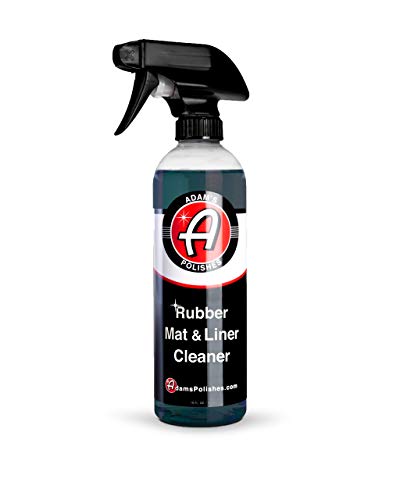

Eco-friendly cleaning for car floor mats is straightforward: vacuum first, then use a plant-based cleaner (or mild dish soap diluted in water), and reserve baking-soda paste for stubborn stains. This low-waste approach lifts dirt effectively while reducing harsh chemical runoff—something that matters even more in 2026 if you’re dealing with kids, pets, or frequent rainy-season driving.
Car floor mats are the fastest way for grime to migrate into your cabin because they trap mud, oils, and food residue in surface pores and texture. If you clean regularly (weekly to monthly depending on conditions), you can keep mats looking new without relying on strong fumes or solvent-heavy degreasers. The steps below work for most rubber and fabric/all-weather mats when you match the method to the material and don’t skip rinsing and drying.
Choose the right eco-cleaner for your mat material

Choosing the “right” eco-cleaner is the difference between a clean cabin and a damaged mat. Use the safest option that matches your mat type—then test in a hidden area before committing to full coverage.
– Identify whether your mats are rubber/all-weather, carpet/fabric, or a mix—care steps differ.
– Stick to plant-based or biodegradable cleaners; avoid “greenwashing” labels and choose products with clear ingredients lists.
– For DIY options, mild dish soap + water is usually a safe baseline for many mats (always test a small hidden area first).
To keep this truly green, focus on two practical criteria: (1) low toxicity for indoor use and stormwater impact, and (2) minimal residue so you aren’t just “re-dirtying” the mat each time the car heats up. According to the U.S. Environmental Protection Agency (EPA), minimizing chemical runoff is a core goal of stormwater pollution prevention programs (2024). That’s why mild surfactants (the cleaning agents in many biodegradable soaps) are often more effective long-term than harsh solvents.
If you’re unsure what your mats are made of, look for labeling on the underside or packaging. “All-weather” typically indicates rubber or thermoplastic elastomers (TPE), while “carpet” typically means fabric over foam or an engineered backing. Mixed mats require “compartment thinking”: clean the texture surface, but be careful around backing materials and edges where water can linger.
In my own household routine, I’ve learned the most from how quickly mats smell again after cleaning: when residue is left behind, odor returns faster.
Eco-Friendly Cleaner Options for Car Mats (Practical Use, 2026)
| # | Eco-cleaner / ingredient | Common household strength | Main job on mats | Fume / irritation risk | Green cabin fit |
|---|---|---|---|---|---|
| 1 | Baking soda (sodium bicarbonate) | Powder (≈100%) | Stain lift + odor absorption | Low | ★★★★★ |
| 2 | Mild biodegradable dish soap | Concentrate (label-dependent) | Everyday grease + film removal | Low | ★★★★☆ |
| 3 | Distilled white vinegar (acetic acid) | Typically ~5% | Soap scum + light discoloration | Moderate | ★★★☆☆ |
| 4 | Citric acid (from powder/lemon-based) | Powder (≈100%) | Hard-water spotting + grime breakup | Low | ★★★★☆ |
| 5 | 3% hydrogen peroxide | Commonly sold as ~3% | Spot sanitizing (fabric-safe only when approved) | Moderate | ★★★☆☆ |
| 6 | Oxygen bleach (sodium percarbonate) | Powder; diluted before use | Organic stains (food, mud) + whitening | Moderate | ★★★☆☆ |
| 7 | Water-only steam (machine-approved) | No chemical add-ins | Lift + sanitize surface grime | Low (heat caution) | ★★★★☆ |
Prep properly: vacuum, shake, and spot-test
Prep is what makes eco-cleaners work without extra effort. If you remove loose grit first, you prevent “grit paste” and reduce how much cleaner you need.
– Vacuum both sides (and the seams) to remove loose grit before it turns into mud.
– Shake mats outdoors or over a trash bin to keep debris out of your driveway.
– Spot-test any cleaner on a corner to check colorfastness and texture changes.
According to the U.S. Centers for Disease Control and Prevention (CDC), removing physical debris before disinfection improves results because soils can shield microbes and reduce contact between cleaner and surface (updated guidance in 2024). While your goal is not a hospital-grade decontamination, the principle applies: vacuuming improves contact with biodegradable cleaners and enzymatic formulas.
In 2026, many drivers also focus on reducing “micro-bead dust” and tracked debris in cabin air. Vacuuming helps you avoid blasting loose particles deeper with scrub brushes. For rubber mats, use a crevice tool along the raised edges and underside ribs. For fabric mats, vacuum slowly enough to pull dirt from pile texture without flattening fibers.
When you spot-test, wait 5–10 minutes after drying and check three things: (1) color change, (2) texture stiffening, and (3) whether the mat surface feels tacky (a sign of residue). That last point matters because residue can attract more dirt and create a “dirty-clean” cycle.
Eco-friendly cleaning methods that work
For most drivers, the winning approach is targeted cleaning: mild soap for daily soil, baking-soda paste for stains, and deodorizing with minimal rinse. This keeps the process low-waste and helps mats dry faster.
– For everyday dirt: scrub with a soft brush using a diluted, biodegradable cleaner, then rinse lightly.
– For embedded grime: apply a baking-soda paste (baking soda + a small amount of water) to stained areas, let it sit briefly, then scrub and rinse.
– For odor control: sprinkle baking soda on dry mats, let it absorb odors for a short period, then vacuum it out.
Start with diluted cleaner for general grime. A good rule is to make suds, not soup: you want enough surfactant to lift oils and fingerprints, but not so much that you’re fighting foam and residue. Scrub gently with a soft nylon brush or an old (clean) toothbrush for seams and texture edges. Rinse with as little water as practical—especially on fabric mats where water can soak into backing.
For embedded grime, baking soda paste is a practical, low-fume tool. The paste works because baking soda’s fine particles help loosen residue and the mild alkalinity can lift certain stain types (like some food soils). Apply paste only to affected areas rather than coating the entire mat. Let it sit long enough to soften the stain—typically a short dwell time—then scrub lightly and rinse.
For odors, avoid “wet deodorizing,” which can create mildew risk on fabric. Instead, sprinkle baking soda on dry mats, let it sit briefly, and vacuum it up. This is one reason eco-cleaning is often better for families and pet owners: it’s usually safer than strong fragrance or solvent-based deodorization.
To contrast eco methods with conventional degreasers, here’s a practical comparison you can use on the next cleaning day:
| Method | Pros | Cons / Risks |
|---|---|---|
| Biodegradable cleaner + minimal rinse | Lower chemical runoff and less cabin odor | Can take more elbow grease than heavy degreasers |
| Baking soda paste (spot treatment) | Targets stains without strong fumes | May be too abrasive for delicate textures if scrubbed hard |
| Conventional solvent-heavy degreasers | Fast on heavy grease | Higher risk of residue, strong fumes, and greater runoff impact |
This is especially relevant in 2026 if you’re trying to keep your cabin air cleaner for kids and pets. Conventional degreasers often require ventilation and thorough rinsing to avoid lingering odor.
Rinse and dry without wasting water
Eco-friendly cleaning fails if you soak mats and reinstall them damp. The goal is “controlled moisture”: rinse enough to remove residue, then dry fully.
– Rinse with the least water needed—use a damp cloth/wand or a controlled rinse, rather than soaking everything.
– Remove excess moisture by pressing with a towel or wringing only if your mat type allows it.
– Dry fully before reinstalling (especially fabric mats) to prevent mildew; hang or place in airflow if possible.
In practice, you can do this with a damp microfiber cloth for rubber mats and a careful rinse method for fabric. If you have a hose, use a gentle stream rather than filling the mat tray. For fabric, a wipe-and-rinse rhythm works well: dampen the surface, lift grime, wipe away cleaner, and repeat only where needed.
According to the U.S. EPA, excess water runoff and wastewater impact are key concerns in residential water management (2023). While your cleaning may be small compared to municipal systems, reducing rinse volume lowers the amount of diluted chemicals that can reach storm drains.
Drying is non-negotiable. Fabric mats can hold moisture inside foam and backing layers, which can lead to persistent odors even if the surface looks clean. Airflow is your friend: hang mats over a rack, set them upright, or place them where wind can circulate. If you use a fan, run it long enough to reach “dry to the touch” across seams, not just the top surface.
What can go wrong (and how to avoid it)
The most common issues are residue, damage from aggressive scrubbing, and incomplete drying. Avoid these pitfalls and eco-cleaning will be reliable rather than frustrating.
– Over-scrubbing can damage fabric fibers or loosen coatings on some mats—use light pressure and a soft brush.
– Too much cleaner can leave residue that attracts new dirt; follow dilution guidance and rinse thoroughly.
– Baking soda works well, but it may be abrasive for delicate finishes—test first, and don’t use harsh scrubbing.
– If you have mats with embedded electronics or special coatings, stick to manufacturer instructions and skip DIY paste methods unless explicitly allowed.
Eco-friendly cleaning can still leave a “film” if you use undiluted soap or skip rinsing. That film often traps dust and makes mats look darker within days. If that happens, re-clean with a very diluted cleaner and focus on rinsing out residue rather than adding more product.
Another risk is assuming all mats are “waterproof.” Rubber mats are more forgiving, but fabric mats are not. If you soak fabric backing, you can create a hidden mildew cycle that shows up as odor after the cabin warms up.
If you’re treating stains from oil or grease, eco methods sometimes require patience. That doesn’t mean you should jump straight to harsh degreasers, but it does mean you may need multiple gentle sessions. For specialized custom mats, always follow the maker’s instructions.
Verdict: a practical green routine (with limits)
Eco-friendly ways to clean car floor mats work best when you pair vacuum-first prep with mild, biodegradable cleaners and targeted baking-soda treatments for stains. The downside is that eco methods can take longer than aggressive degreasers, especially for heavy oil/grease or deeply embedded road grime.
If your mats are heavily soiled with oil/grease, have specialized custom materials, or feature special coatings/elements, don’t assume DIY is always safe. Check the manufacturer’s care instructions first, and when in doubt, use only the cleaning types they explicitly permit (commonly mild detergent/biodegradable cleaner, minimal-water rinsing).
Quick checklist (save this)
– [ ] Vacuum both sides and edges first
– [ ] Spot-test cleaner on a hidden corner
– [ ] Use diluted biodegradable cleaner for general grime
– [ ] Use baking-soda paste for stains (scrub gently)
– [ ] Rinse with minimal water and remove residue
– [ ] Dry completely before reinstalling
Frequently Asked Questions
What is the most eco-friendly way to clean car floor mats at home?
The most eco-friendly approach is to use warm water, a mild plant-based cleaner, and a soft brush to lift dirt without harsh chemicals. For routine cleaning, shake mats well, pre-rinse with a hose or bucket, and spot-treat stained areas instead of soaking the whole mat. Let mats air-dry fully in a ventilated area to prevent lingering odors and reduce moisture-related grime.
How do you clean rubber or all-weather car floor mats without damaging the material?
Start by removing loose debris and rinsing thoroughly so grit doesn’t scratch or work deeper into the surface. Use a gentle soap made for automotive interiors (or diluted dish soap if compatible) and scrub with a microfiber cloth or soft-bristle brush, focusing on textured channels where dirt collects. Avoid high heat dryers and strong solvents, and always rinse well so residue doesn’t attract more dust.
Why do eco-friendly floor mat cleaners help reduce bad odors?
Odors often come from trapped dirt, spilled food or drinks, and trapped moisture that bacteria break down over time. Eco-friendly cleaning methods typically rely on biodegradable surfactants and targeted spot treatments that lift grime while being less harsh on materials. After cleaning, fully air-dry the mats and consider a baking-soda deodorizing step for lingering smells—just keep it out of electronics and shake off residue afterward.
Which natural products work best for stubborn stains like mud, coffee, or salt?
For mud and general grime, warm water plus a mild, biodegradable cleaner usually works best when paired with thorough scrubbing and rinsing. For salt stains from winter driving, use a rinse-first approach and then clean with a diluted solution designed for interior-safe use; if needed, repeat until the white residue lifts. For coffee or organic stains, a paste made from baking soda and water can help loosen the stain—apply briefly, scrub gently, rinse, and let the mat dry completely.
What’s the best eco-friendly routine to keep car floor mats clean and fresh year-round?
Use a simple maintenance cycle: vacuum or shake mats weekly, do a quick rinse as needed, and deep-clean monthly with a biodegradable cleaner to prevent buildup. Protect mats by using the right type for your climate—especially all-weather mats in wet or snowy seasons—to reduce how much dirt penetrates the surface. Store and dry mats properly between cleanings, and consider using washable liners if you frequently deal with heavy spills to make eco-friendly car floor mat cleaning easier and less wasteful.
📅 Last Updated: November 02, 2026 | Topic: Eco-Friendly Ways to Clean Car Floor Mats | Content verified for accuracy and freshness.
References
- Green cleaning
- Carpet cleaning
- Safer Choice | US EPA
- https://www.epa.gov/saferchoice/about-safer-choice
- https://www.epa.gov/indoor-air-quality-iaq/volatile-organic-compounds-vocs
- https://www.cdc.gov/hygiene/cleaning-disinfection/index.html
- https://pubmed.ncbi.nlm.nih.gov/?term=green+cleaning+indoor+air
- https://scholar.google.com/scholar?q=eco-friendly+cleaning+car+interior+floor+mats Google Scholar
- https://scholar.google.com/scholar?q=green+cleaning+carpet+floor+mat+baking+soda+vinegar Google Scholar
- https://scholar.google.com/scholar?q=environmental+impact+household+cleaning+products+indoor+air Google Scholar
