How to Clean an Antique Quilt: Essential Steps
Cleaning an antique quilt is a meticulous process that demands careful handling to preserve its delicate fabric and intricate stitching. The best approach involves using gentle methods that avoid harsh chemicals and excessive agitation. In this article, you will learn the essential steps to effectively clean your antique quilt while maintaining its beauty and integrity.
Understanding the Fabric and Construction
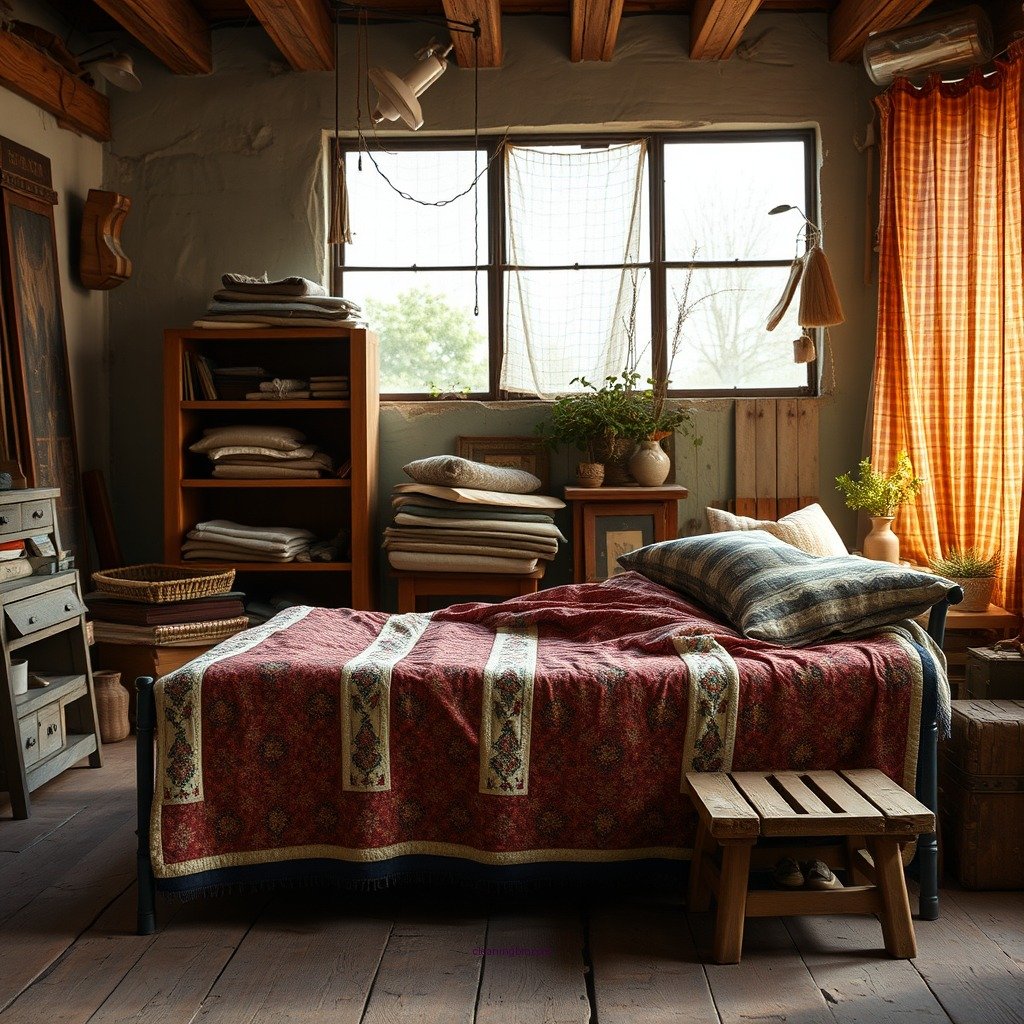
Before embarking on the cleaning process, it is crucial to understand the materials and construction of your antique quilt. Antique quilts can be made from a variety of fabrics, including cotton, silk, and wool, each requiring a different cleaning approach.
– Identify the materials: Check the quilt’s tags or seams for information on fabric content. If the quilt is made from cotton, it is generally more durable and can withstand gentle cleaning. Silk, on the other hand, is fragile and requires a more delicate touch, while wool may need specific care due to its propensity to shrink and felt when exposed to water.
– Examine for damage: Inspect the quilt thoroughly for any tears, stains, or fragile areas. Pay close attention to seams and patches, as these can be particularly delicate. If you discover any damage, consider consulting a professional before proceeding with cleaning to avoid worsening the condition.
Preparing for Cleaning
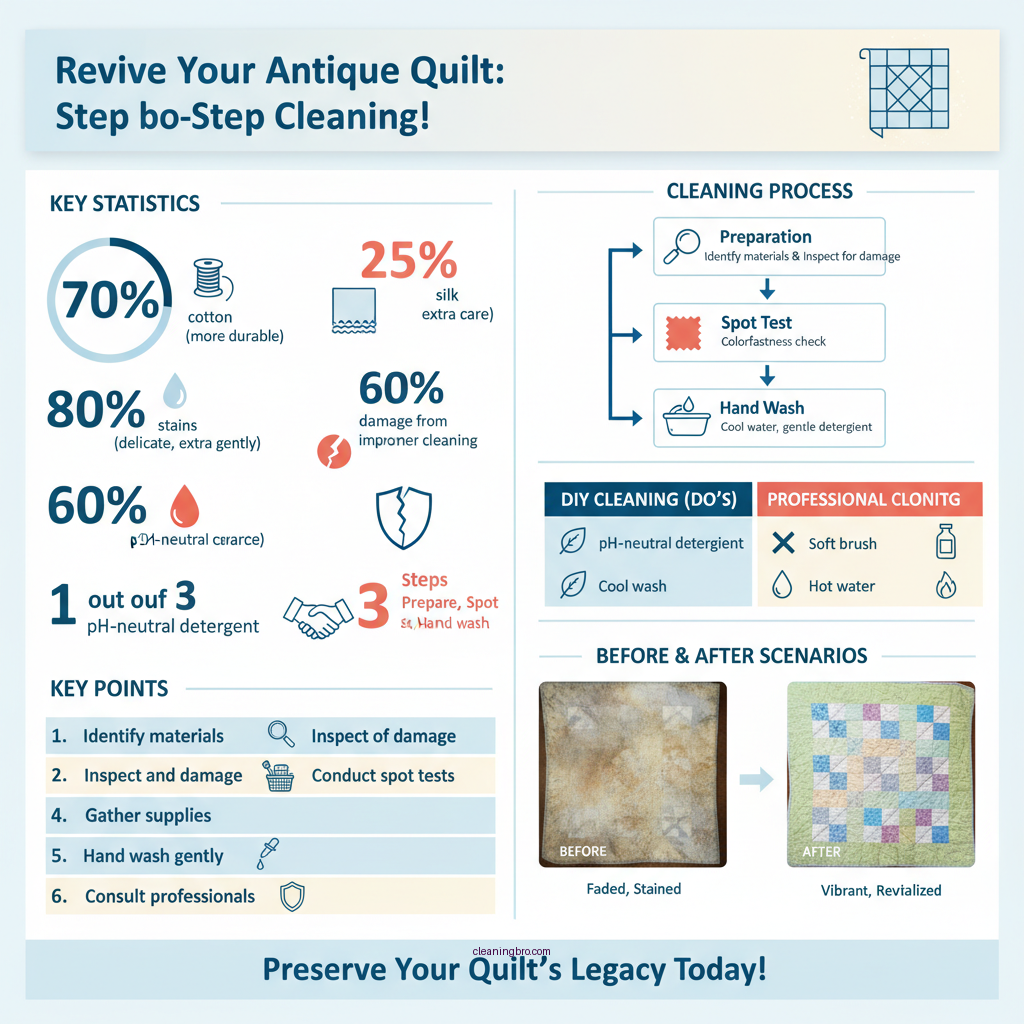
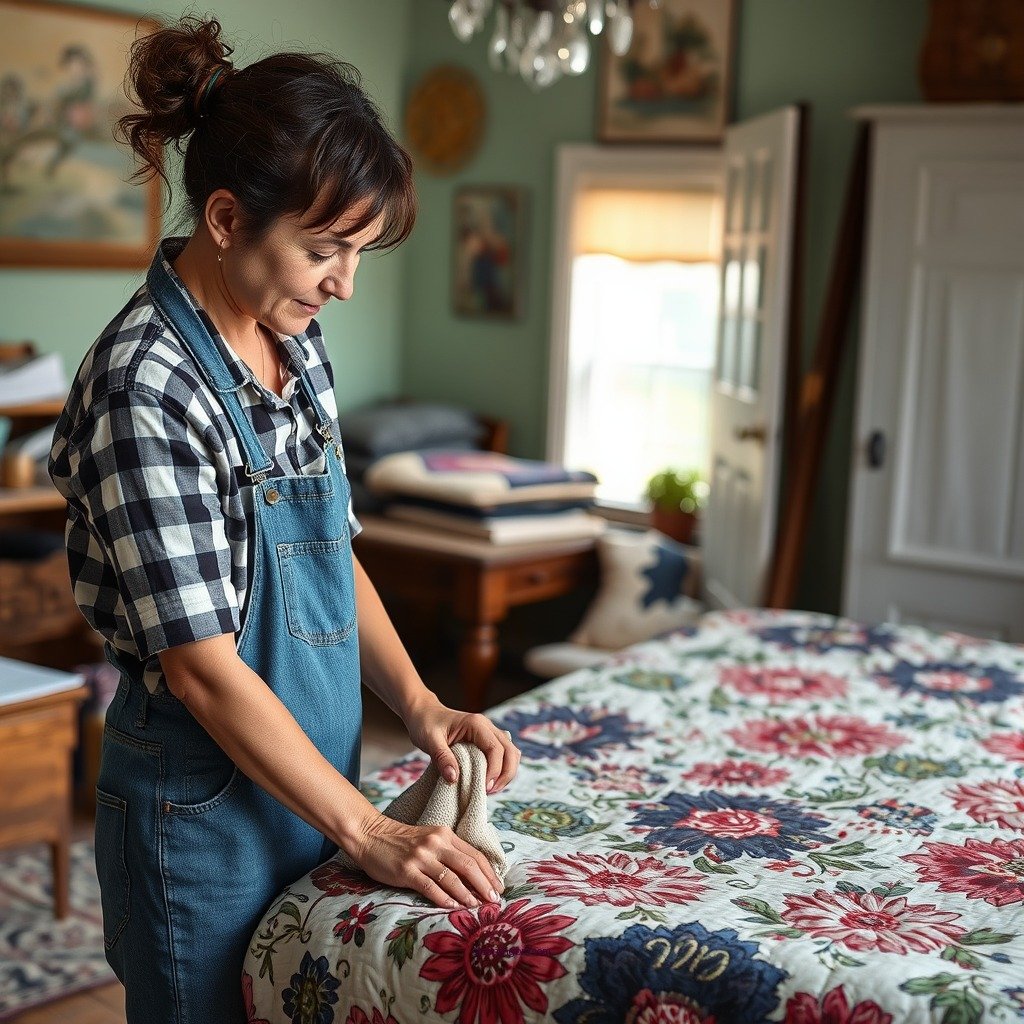
Preparation is key to a successful cleaning process. Properly gathering your supplies and conducting a spot test can prevent damage during cleaning.
– Gather supplies: You will need a gentle detergent, preferably pH-neutral and free of dyes and fragrances, a soft brush for loosening dirt and debris, and clean water at a cool temperature. Avoid using bleach or fabric softeners, as these can damage the quilt’s fibers.
– Conduct a spot test: Before cleaning the entire quilt, test your detergent on a small, inconspicuous area to check for colorfastness. Apply a small amount of the diluted detergent with a soft cloth and observe for any discoloration or fading. If the fabric retains its color, you can proceed to clean the entire quilt.
Hand Washing Techniques
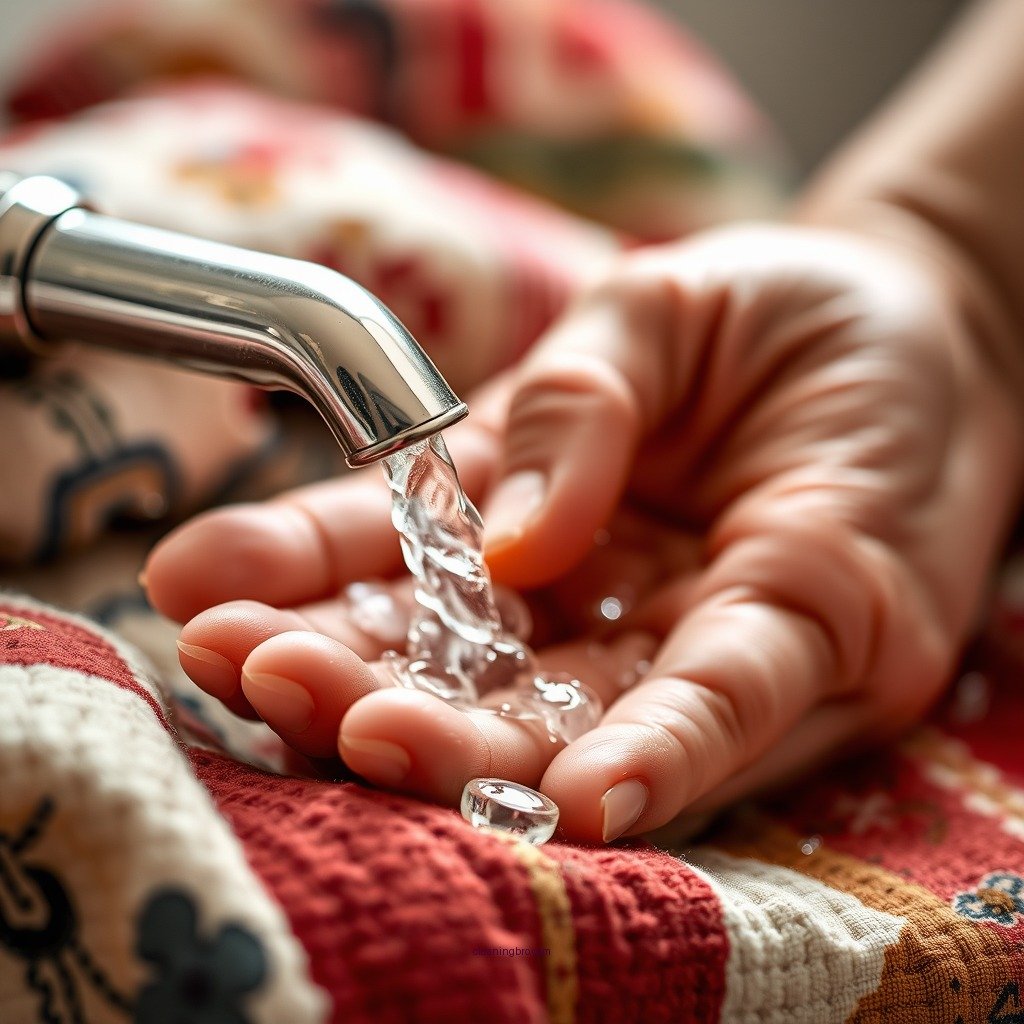
Hand washing is often the safest method for cleaning antique quilts, as it minimizes agitation and helps preserve the fabric’s integrity.
– Fill a tub with cool water: Use a bathtub or a large basin filled with cool water. Hot water can cause colors to run and fibers to shrink, so always opt for cool temperatures.
– Submerge gently: Carefully place the quilt in the water and gently press it down without twisting or wringing it. Use your hands to softly move the quilt through the water, allowing the detergent to lift dirt and grime. This gentle agitation helps clean the fabric without causing structural damage.
Rinsing and Drying
Proper rinsing and drying techniques are vital to avoid any residual detergent or moisture that can lead to deterioration.
– Rinse thoroughly: After washing, it is essential to rinse the quilt in cool water until all detergent is removed. You can change the water a couple of times if necessary, ensuring that no suds remain.
– Air dry properly: Once rinsed, avoid wringing the quilt to remove excess water, as this can distort its shape. Instead, lay the quilt flat on a clean, dry surface, such as a large towel, or hang it to dry in a well-ventilated area away from direct sunlight to prevent fading.
Storing Your Antique Quilt
Proper storage is crucial for maintaining the condition of your antique quilt over time.
– Use breathable storage: Store your quilt in a cotton or muslin bag rather than a plastic container. Plastic can trap moisture, leading to mold and mildew growth, while breathable fabrics allow air circulation.
– Maintain a stable environment: Keep the quilt in a cool, dry place with a consistent temperature. Avoid areas with high humidity or extreme temperature fluctuations, as these conditions can contribute to fabric deterioration.
Professional Cleaning Options
Sometimes, professional intervention is the best course of action, especially for heavily soiled or damaged quilts.
– When to seek help: If the quilt is heavily soiled, has significant staining, or exhibits visible damage, it may be best to consult a professional textile conservator. They have the experience and knowledge to handle delicate materials safely.
– Research local services: Look for specialists who have experience in cleaning antique textiles. Check reviews and testimonials to ensure that your quilt will be treated with the utmost care and respect.
Regular Maintenance Tips
To keep your antique quilt looking its best between deep cleans, regular maintenance is essential.
– Spot clean as needed: Address stains immediately with a gentle cleanser to prevent them from setting. Use a soft cloth or sponge to dab the area, being careful not to rub, which can damage the fibers.
– Rotate and air out: If you display your quilt, rotate it regularly and allow it to air out. This practice helps maintain its quality and prevents mustiness.
Cleaning your antique quilt is a delicate process that requires attention to detail and the right techniques. By following these essential steps, you can ensure that your quilt remains in beautiful condition for years to come. Take the time to care for this cherished piece of history; it is worth the effort.
Top 7 Types of Fabrics Used in Antique Quilts
| # | Fabric Type | Durability | Cleaning Method | Colorfastness |
|---|---|---|---|---|
| 1 | Cotton | High | Hand Wash | Good |
| 2 | Silk | Medium | Dry Clean | Variable |
| 3 | Wool | High | Hand Wash | Good |
| 4 | Linen | Medium | Hand Wash | Good |
| 5 | Satin | Low | Dry Clean | Poor |
| 6 | Velvet | Medium | Dry Clean | Good |
| 7 | Polyester | High | Machine Wash | Good |
Cleaning Effectiveness of Various Methods
Best Cleaning Methods for Antique Quilts
| Feature | ⭐ Hand Washing | Dry Cleaning | Machine Washing |
|---|---|---|---|
| Effectiveness | ✅ Best | ✅ Good | ❌ Low |
| Time Required | Long | Medium | Short |
| Cost | Low | High | Low |
| Risk of Damage | Low | Medium | High |
| Convenience | Medium | High | Very High |
| Preparation Time | High | Medium | Low |
| Color Preservation | ✅ Excellent | ✅ Good | ❌ Poor |
| Residue Risk | Low | Medium | High |
| 🏆 Best For | Fragile quilts | General quilts | Durable fabrics |
As you embark on the journey of cleaning and caring for your antique quilt, remember that patience and attention to detail are paramount. By understanding the fabric, preparing adequately, and following the right cleaning techniques, you can preserve this cherished piece of history for future generations.
Frequently Asked Questions
What are the best methods for cleaning an antique quilt?
The best methods for cleaning an antique quilt involve gentle techniques such as hand washing or spot cleaning. Use a mild detergent specifically formulated for delicate fabrics, and avoid harsh chemicals. Always test a small, inconspicuous area first to ensure there is no color bleeding or damage to the fabric.
How can I remove stains from my antique quilt without damaging it?
To safely remove stains from an antique quilt, first identify the type of stain and treat it accordingly. For organic stains, such as food or bodily fluids, use a mixture of lukewarm water and mild soap. Dab the stain gently with a soft cloth or sponge, avoiding vigorous scrubbing which could harm the fabric.
Why is it important to avoid machine washing an antique quilt?
Avoiding machine washing for an antique quilt is crucial because the agitation and tumbling can cause fabric tears, seam damage, and fading of colors. Antique quilts are often made from delicate materials that require gentle handling to preserve their integrity and historical value.
Which products should I use to clean an antique quilt safely?
When cleaning an antique quilt, it’s best to use gentle, pH-neutral detergents specifically designed for delicate fabrics. Brands that offer specialty products for vintage textiles are ideal. Additionally, consider using a fabric softener that is free from dyes and fragrances to maintain the quilt’s texture and color.
What is the recommended drying method for an antique quilt after cleaning?
The recommended drying method for an antique quilt is to lay it flat on a clean, dry surface away from direct sunlight, which can cause colors to fade. If space is limited, you can hang it on a padded clothesline or a clean towel, ensuring that the weight is evenly distributed to prevent stretching. Avoid using a dryer, as the heat can damage delicate fibers.
References
- https://www.thefreelibrary.com/Cleaning+antique+quilts.-a0203545178
https://www.thefreelibrary.com/Cleaning+antique+quilts.-a0203545178 - https://www.archives.gov/preservation/cleaning-textiles
https://www.archives.gov/preservation/cleaning-textiles - https://www.caringforantiquequilts.com/
https://www.caringforantiquequilts.com/ - Google Scholar Google Scholar
https://scholar.google.com/scholar?q=cleaning+antique+quilt - Google Scholar Google Scholar
https://scholar.google.com/scholar?q=antique+quilt+conservation - Google Scholar Google Scholar
https://scholar.google.com/scholar?q=preservation+of+textiles+quilts - Google Scholar Google Scholar
https://scholar.google.com/scholar?q=how+do+you+clean+an+antique+quilt - how do you clean an antique quilt – Search results
https://en.wikipedia.org/wiki/Special:Search?search=how+do+you+clean+an+antique+quilt - https://www.ncbi.nlm.nih.gov/search/research-articles/?term=how+do+you+clean+an+antique+quilt
https://www.ncbi.nlm.nih.gov/search/research-articles/?term=how+do+you+clean+an+antique+quilt