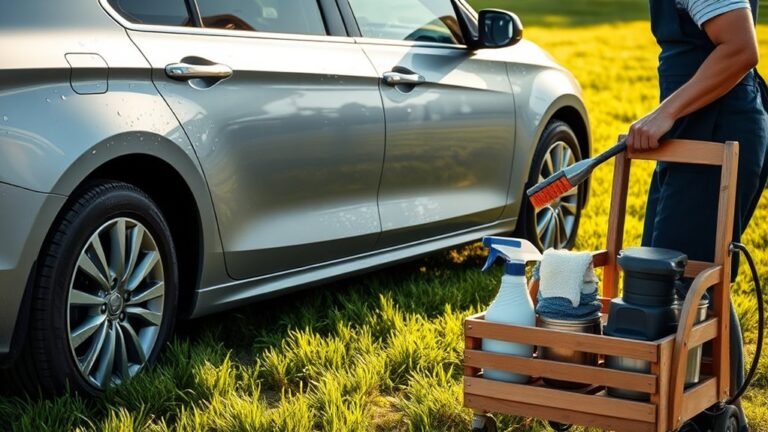
How Many Clear Coats Should Be Applied on a Car?
When it comes to applying clear coats on a car, the general recommendation is to apply 2 to 3 layers for optimal protection and finish. Clear coats not only enhance the aesthetic appeal of your vehicle but also serve as a critical barrier against environmental hazards such as UV rays, dirt, and scratches. This article will delve into the significance of clear coats, the factors that influence how many coats should be applied, and the proper application techniques to ensure your car maintains its shine and protection over time.
Understanding Clear Coats
Clear coats are transparent layers of paint that are applied over the base coat of a vehicle’s paint job. Their primary purpose is to protect the underlying paint from various forms of damage. The protective qualities of clear coats shield the paint from harmful UV rays, which can cause fading and oxidation, and from scratches that may occur during regular use or maintenance.
Moreover, clear coats provide a glossy finish that enhances the overall appearance of the vehicle, making the colors appear more vibrant and deep. This added layer contributes significantly to the vehicle’s aesthetic appeal, making it look newer for a longer period.
Importance of Clear Coats
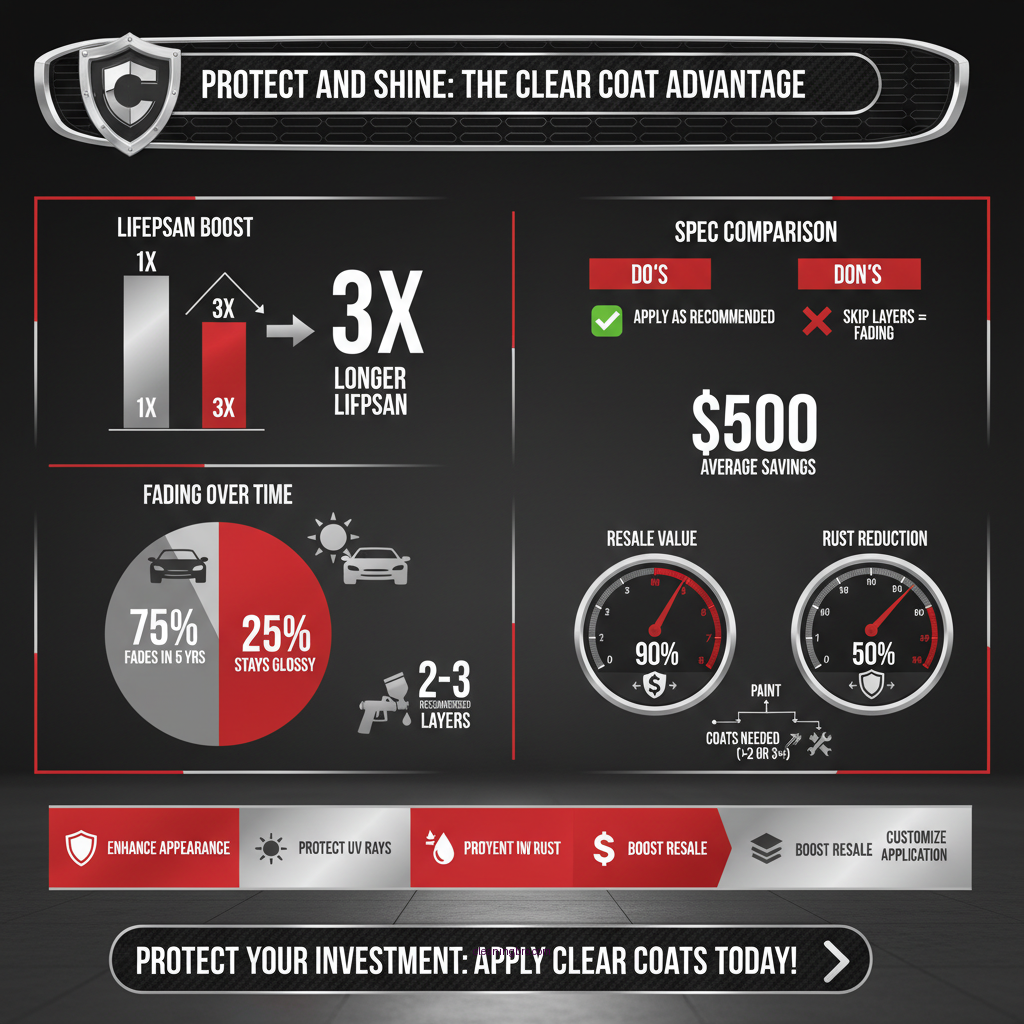
Applying a clear coat is crucial for several reasons. First, it helps preserve the color and integrity of the vehicle’s paint job, ensuring that it does not dull or fade over time. The clear coat acts as a protective layer that absorbs harmful ultraviolet light, thereby preventing damage to the pigment in the base coat.
Additionally, clear coats serve as a barrier against rust and corrosion. Without this protective layer, moisture and contaminants can penetrate the paint, leading to rust formation and degradation of the vehicle’s surface. This protection can significantly extend the lifespan of the paint job, saving car owners money on costly repainting or repairs.
Furthermore, a well-applied clear coat can enhance the resale value of a vehicle. Potential buyers are often attracted to vehicles that appear well-maintained, and a shiny, clear-coated finish can make a strong impression.
Factors Influencing the Number of Clear Coats
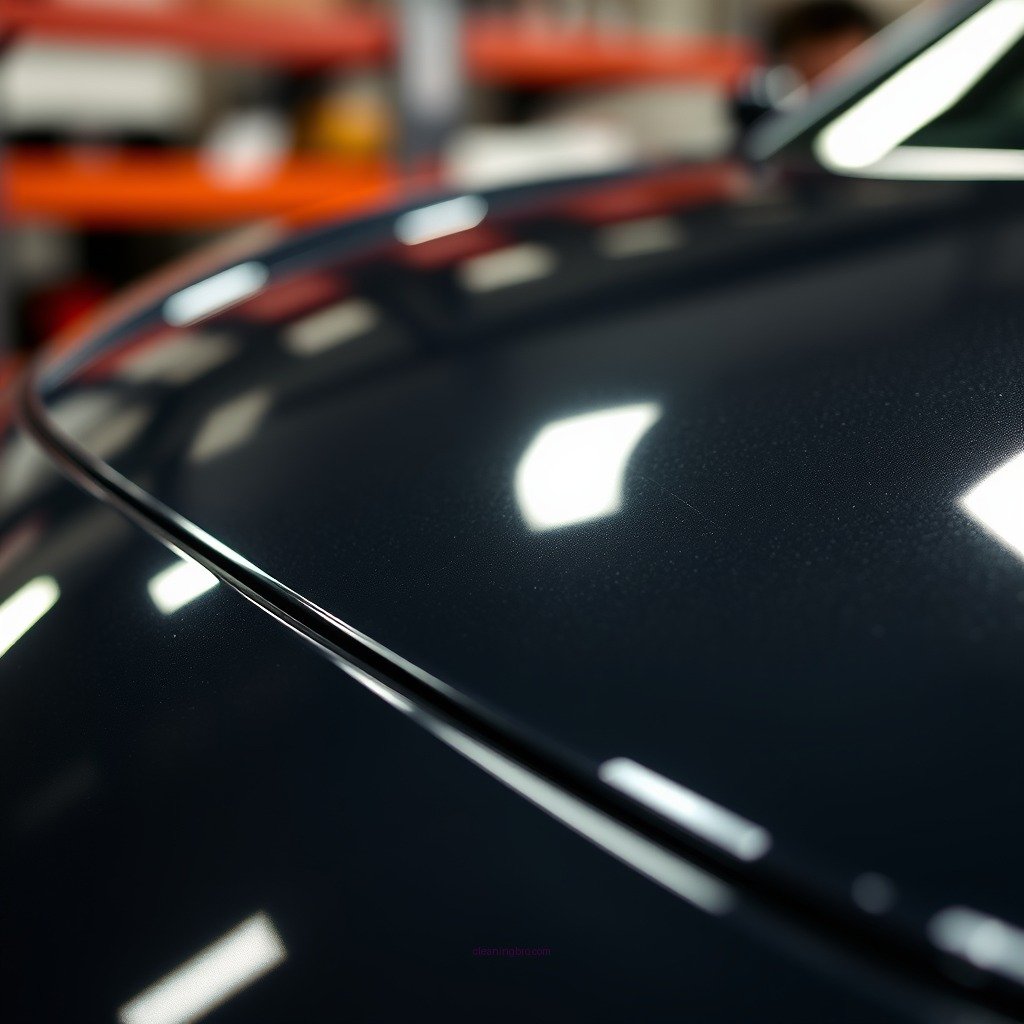
Several factors play a role in determining how many clear coats should be applied to a vehicle. One of the primary considerations is the type of paint used. For instance, some paint systems are designed to work optimally with only one or two clear coats, while others may require three or more layers for maximum durability and protection.
Environmental conditions also significantly influence the number of clear coats applied. Vehicles exposed to harsher climates—such as those subjected to extreme sun, rain, or saltwater—may benefit from additional layers to enhance protection against the elements. Additionally, the intended use of the vehicle can dictate the number of coats; cars that see frequent outdoor exposure or are used for heavy-duty purposes may require more layers than those that are garaged most of the time.
Finally, the quality of the clear coat itself is an important factor. Higher-quality clear coats often provide better protection and may require fewer layers to achieve the desired finish.
Application Process for Clear Coats
The application process for clear coats is critical for achieving a flawless finish. Proper surface preparation is essential; this includes thoroughly cleaning the vehicle’s surface to remove contaminants such as dust, grease, and old wax. Any imperfections in the base coat should be corrected before applying the clear coat.
Once the surface is prepared, the clear coat can be applied using various techniques, including spraying or brushing. Spraying is generally preferred for achieving a smooth, even finish. After each layer is applied, it is advisable to lightly sand the surface using fine-grit sandpaper. This process helps create a better bond between layers and can help eliminate any imperfections.
After the final coat is applied, it should be allowed to cure fully before any polishing or waxing is undertaken. This curing process can vary in time depending on the product used, so it’s essential to follow the manufacturer’s recommendations.
Common Mistakes to Avoid
While applying clear coats can seem straightforward, there are common mistakes that can lead to unsatisfactory results. One of the most significant errors is applying too few layers, which can result in inadequate protection against environmental factors. Insufficient coating can lead to premature wear and tear, diminishing the overall appearance and protection of the vehicle.
On the other hand, over-applying clear coats can also be problematic. Excessive layers can lead to a cloudy or uneven finish, which negates the intended glossy effect. Moreover, too many layers can trap solvents, leading to issues like bubbling or peeling.
To avoid these pitfalls, it is essential to follow manufacturer guidelines for the number of coats and to ensure that each layer is adequately dried and cured before applying the next.
Maintaining Clear Coats
Once the clear coat is applied, maintaining its integrity is crucial for prolonging its life. Regular washing can help remove dirt and contaminants that may scratch the surface. It is advisable to use pH-neutral car shampoos and soft microfiber cloths to prevent damage.
Additionally, periodic waxing can provide an extra layer of protection and enhance the shine of the clear coat. Waxing should ideally be done every few months, depending on usage and environmental exposure.
It is also vital to address any scratches or damage to the clear coat promptly. Small scratches can often be polished out, but deeper damage may require touch-up paint or reapplication of the clear coat to prevent further deterioration.
Top 7 Clear Coat Products for Cars (2024)
| # | Product | Type | Durability | Rating |
|---|---|---|---|---|
| 1 | 3M Clear Coat | Spray | 3-5 years | ★★★★☆ |
| 2 | Dupli-Color Clear Coat | Aerosol | 2-4 years | ★★★★☆ |
| 3 | Meguiar’s Ultimate | Liquid | 1-3 years | ★★★★★ |
| 4 | Rust-Oleum Clear Coat | Aerosol | 2 years | ★★★☆☆ |
| 5 | House of Kolor | Spray | 3-5 years | ★★★★☆ |
| 6 | Restore Clear Coat | Liquid | 1 year | ★★★☆☆ |
| 7 | Chemical Guys Clear Coat | Liquid | 2-3 years | ★★★★☆ |
Durability of Various Clear Coats (Years)
Clear Coat Comparison: 3M vs Dupli-Color vs Meguiar’s
| Feature | ⭐ 3M Clear Coat | Dupli-Color Clear Coat | Meguiar’s Ultimate |
|---|---|---|---|
| Type | Spray | Aerosol | Liquid |
| Durability | 3-5 years | 2-4 years | 1-3 years |
| Finish | Glossy | Glossy | High Gloss |
| Ease of Use | Medium | Easy | Easy |
| Price | $25 | $12 | $20 |
| UV Protection | Yes | Yes | Yes |
| Chemical Resistance | High | Medium | High |
| Drying Time | 30 mins | 20 mins | 15 mins |
| Best For | Professional Use | DIY Projects | Home Use |
In conclusion, applying 2 to 3 layers of clear coat is generally recommended for optimal paint protection and aesthetic appeal. By understanding the role of clear coats, the factors influencing their application, and the correct techniques, car owners can ensure their vehicles maintain a stunning appearance and are well-protected from environmental damage. Regular maintenance and prompt attention to any damage will further enhance the longevity of the clear coat, making it a worthwhile investment for any vehicle owner.
Frequently Asked Questions
How many clear coats should be applied to a car for optimal protection?
For optimal protection, most automotive experts recommend applying at least two to three clear coats on a car. This layering not only enhances the depth of the paint finish but also provides stronger resistance against UV rays, scratches, and environmental contaminants.
What is the purpose of multiple clear coats on a vehicle?
The primary purpose of multiple clear coats on a vehicle is to create a durable barrier that protects the underlying paint. Each layer adds to the gloss and depth of the finish while improving resistance to fading and damage from harsh weather conditions.
How do I know if my car needs an additional clear coat?
You may need an additional clear coat if you notice signs of wear such as dullness, fading, or minor scratches on your car’s surface. If the paint appears less shiny or feels rough to the touch, adding another layer of clear coat can restore the protective barrier and enhance the overall appearance.
Why do some car manufacturers use fewer clear coats than others?
Some car manufacturers use fewer clear coats to reduce production costs and time, as well as to achieve specific design outcomes. However, this can lead to decreased durability and longevity of the paint job, making it essential for vehicle owners to consider additional clear coats for enhanced protection.
Which type of clear coat is best for a DIY car paint job?
For a DIY car paint job, a high-quality polyurethane clear coat is often the best choice due to its durability and UV resistance. Opting for a clear coat that is specifically formulated for automotive use will ensure better adhesion and a professional-looking finish when applied correctly.
References
- Automotive paint
https://en.wikipedia.org/wiki/Clearcoat - https://www.sciencedirect.com/topics/engineering/clear-coat
https://www.sciencedirect.com/topics/engineering/clear-coat - https://www.automotivepaintguide.com/clear-coat-application.html
https://www.automotivepaintguide.com/clear-coat-application.html - Google Scholar Google Scholar
https://scholar.google.com/scholar?q=clear+coat+application+on+cars - Google Scholar Google Scholar
https://scholar.google.com/scholar?q=automotive+painting+process - https://www.uwgb.edu/uwgb-archives/auto-body-repair.asp
https://www.uwgb.edu/uwgb-archives/auto-body-repair.asp - https://www.mayoclinic.org/healthy-lifestyle/consumer-health/in-depth/paint-and-automotive-coatings/art-20385863
https://www.mayoclinic.org/healthy-lifestyle/consumer-health/in-depth/paint-and-automotive-coatings/art-20385863 - https://pubmed.ncbi.nlm.nih.gov/30393452/
https://pubmed.ncbi.nlm.nih.gov/30393452/ - Automobile | Definition, History, Industry, Design, & Facts | Britannica
https://www.britannica.com/science/automobile/Exterior-design-and-body-structure#ref554312 - Google Scholar Google Scholar
https://scholar.google.com/scholar?q=how+many+clear+coats+on+a+car