How to Clean a Sheep Fleece: Step-by-Step Guide
Cleaning a sheep fleece is a meticulous yet rewarding process that involves several straightforward steps to ensure it remains in excellent condition while removing dirt, grease, and impurities. This guide will walk you through the best techniques for effectively cleaning fleece, preparing it for spinning or crafting, and ensuring that the wool retains its quality and natural properties.
Gather Your Cleaning Supplies
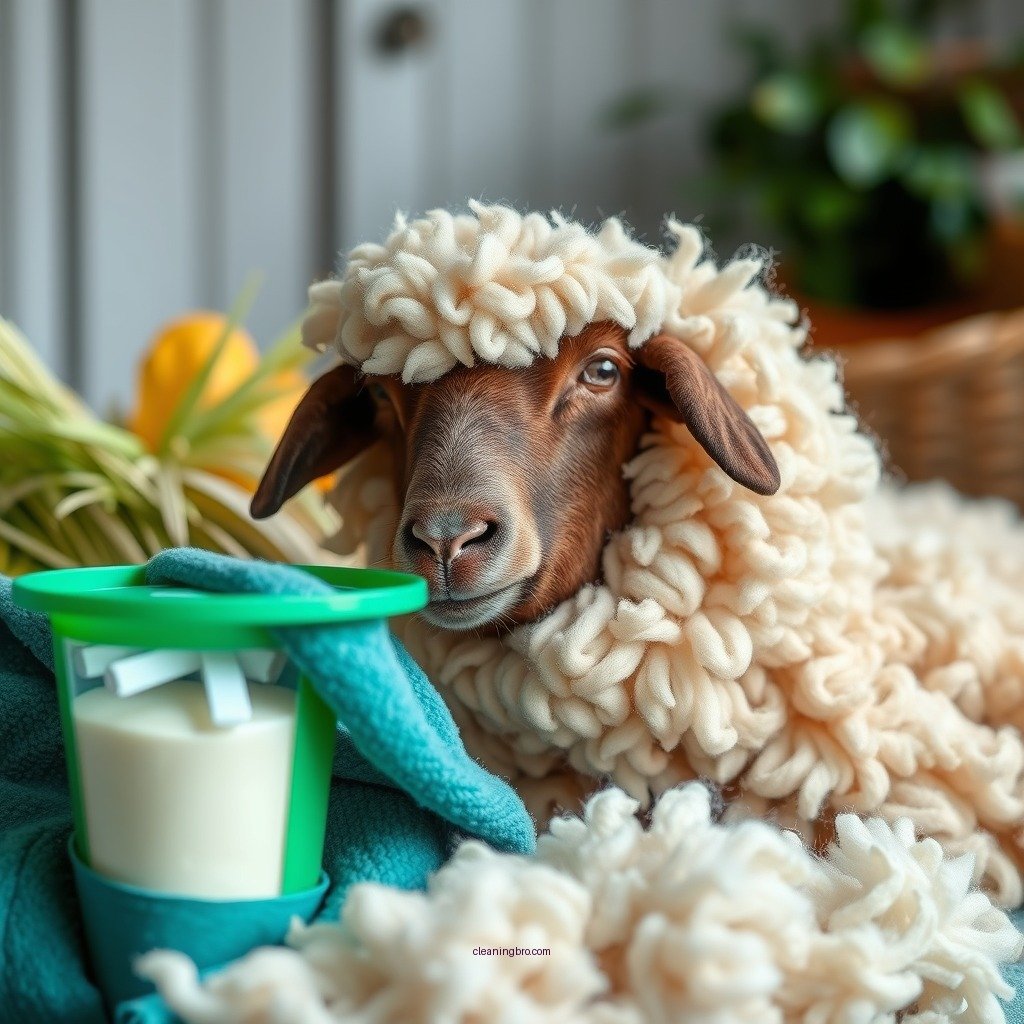
To begin your fleece cleaning journey, it’s essential to gather the right supplies. You will need:
– Large Tub or Basin: Select a tub or basin that can accommodate the fleece comfortably. A size that allows for sufficient soaking and maneuvering will enhance the cleaning process.
– Mild Detergent or Specialized Fleece Wash: Opt for a gentle detergent or a product specifically designed for wool. Harsh chemicals can damage the fibers, resulting in a fleece that’s less suitable for crafting or spinning. Look for biodegradable or eco-friendly options to minimize environmental impact.
Having these supplies ready will streamline the cleaning process and make it more efficient.
Prepare the Fleece for Washing
Before washing, you need to prepare the fleece properly. Here are the steps to follow:
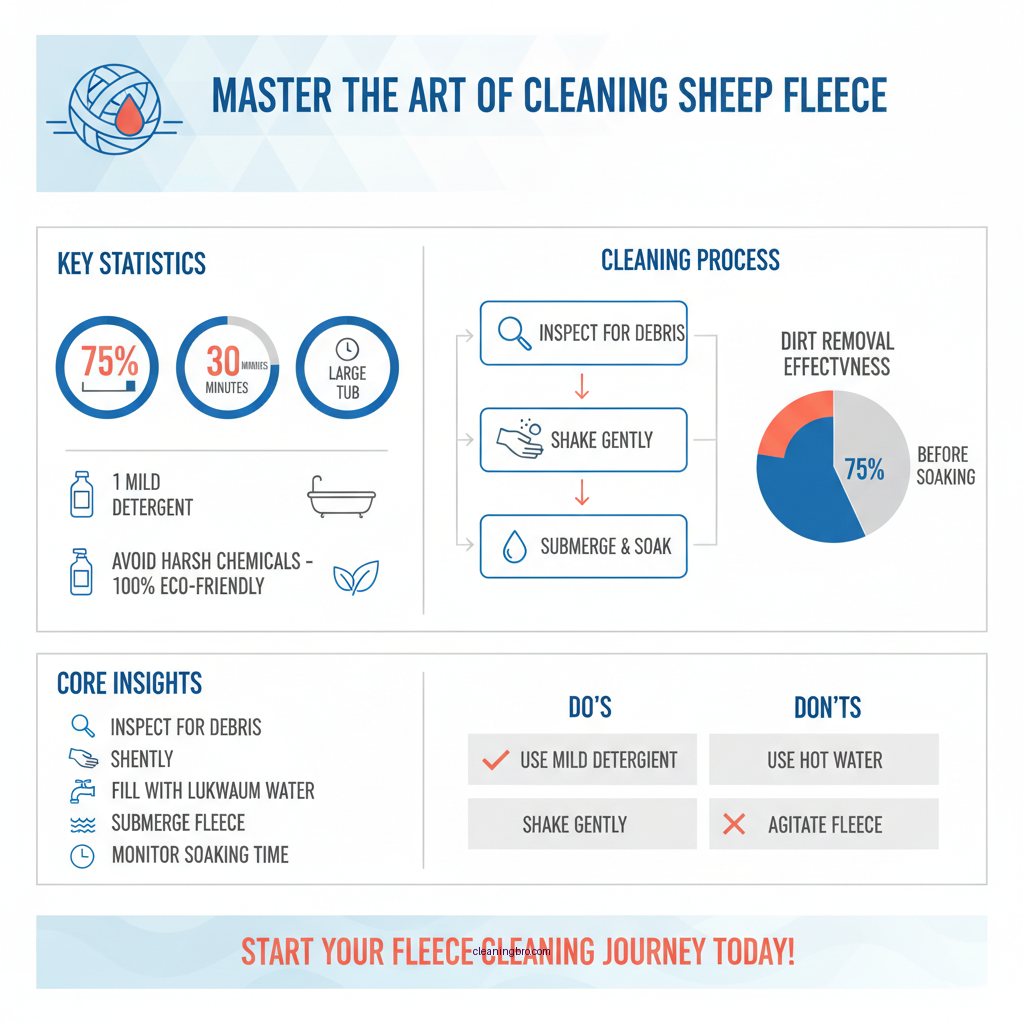
– Debris Removal: Start by inspecting the fleece for large debris or vegetable matter, such as twigs, leaves, or hay. Carefully remove these by hand to prevent them from embedding deeper into the fibers during washing.
– Loosening Dirt: Once the major debris is cleared, gently shake the fleece. This action helps to loosen any remaining dirt and grease, making them easier to wash out. Avoid vigorous shaking, as this could lead to tangling or felting of the fibers.
Preparation is key to achieving the best results in the washing process.
Soak the Fleece
Soaking is one of the most critical steps in cleaning fleece. Here’s how to do it efficiently:
– Water and Detergent: Fill your tub with lukewarm water—not hot, as high temperatures can damage the fibers. Add your chosen detergent according to the manufacturer’s instructions. Ensure that the detergent is well-dissolved in the water before proceeding.
– Submerging the Fleece: Gently submerge the fleece in the soapy water. The goal is to ensure that the fleece is entirely soaked without agitating it too much to prevent felting. Allow it to soak for about 30 minutes. This soaking time will help the detergent penetrate and break down dirt and grease effectively.
Monitoring the fleece during the soak can help detect any issues early on.
Rinse the Fleece
After soaking, rinsing is essential to remove all soap residue. Follow these steps:
– Careful Removal: Carefully lift the fleece out of the soapy water. Avoid wringing or twisting the fleece, as this can lead to felting. Let the dirty water drain back into the tub.
– Rinse Thoroughly: Rinse the fleece with clean, lukewarm water until the rinse water runs clear. This step is crucial for removing any soap remnants. Again, avoid agitation, as it can cause the fibers to felt together.
This step ensures that the fleece is not only clean but also free from any potentially harmful residues.
Dry the Fleece
Proper drying is vital to maintaining the fleece’s integrity. Here’s how to do it right:
– Flat Drying: Lay the fleece flat on a clean surface, such as a drying rack or a clean towel. Ensure it is spread out evenly to allow for optimal air circulation.
– Avoid Sunlight: Keep the fleece out of direct sunlight, as UV rays can weaken the wool fibers and alter their color. A shaded, well-ventilated area works best for drying.
Patience is key during the drying process, as rushing can lead to damage.
Carding and Preparing for Use
Once your fleece is completely dry, it’s time to prepare it for use. Here’s how:
– Carding Tools: Use carding tools to fluff up the fleece, making it suitable for spinning or crafting. Carding helps align the fibers and remove any remaining small debris.
– Final Inspection: As you card, inspect the fleece for any remaining dirt or impurities. Remove these as needed to ensure a clean, high-quality product. The end result should be a fluffy, easily manageable fleece ready for your next project.
Carding is a crucial step that can significantly impact the quality of your final product.
Additional Tips and Considerations
When cleaning fleece, there are several additional considerations to keep in mind:
– Test Cleaning Products: Always test any cleaning products on a small fleece sample first to avoid damaging the entire batch.
– Fleece Type: Consider the type of fleece you are cleaning. Different wool varieties, such as Merino, Romney, or Lincoln, may require specific care and washing techniques to preserve their unique properties.
Understanding the specific needs of the fleece will result in better care and a superior final product.
Top 7 Sheep Fleece Types and Their Cleaning Needs (2024)
| # | Fleece Type | Grease Content | Washing Method | Drying Time |
|---|---|---|---|---|
| 1 | Merino | High | Cold Soak | 3-5 hours |
| 2 | Romney | Moderate | Warm Soak | 4-6 hours |
| 3 | Lincoln | High | Cold Soak | 5-7 hours |
| 4 | Suffolk | Low | Warm Soak | 2-3 hours |
| 5 | Dorper | Moderate | Cold Soak | 3-4 hours |
| 6 | Corriedale | Moderate | Warm Soak | 4-5 hours |
| 7 | Katahdin | Low | Cold Soak | 2-3 hours |
Cleaning Efficiency of Different Fleece Types
Best Detergents for Cleaning Sheep Fleece
| Feature | ⭐ Wool Wash | Eucalan | Dawn Dish Soap |
|---|---|---|---|
| Price | $12.99 | $15.99 | $5.99 |
| Eco-Friendly | ✅ | ✅ | ❌ |
| Wool Safe | ✅ | ✅ | ❌ |
| Concentration | Highly concentrated | Moderate | Low |
| Scent | Lavender | Eucalyptus | Citrus |
| Usage | Best for fleece | Best for all wool | General cleaning |
| Rinsing | Rinses clean | Rinses clean | Leaves residue |
| Best For | Sensitive wool | All wool types | General cleaning |
By following these steps, you can effectively clean a sheep fleece and prepare it for your next project. Whether you’re spinning yarn or creating wool crafts, clean fleece is essential for quality results. The meticulous care you provide during cleaning will directly impact the quality of your finished products. Don’t hesitate to share your experiences or ask questions as you embark on your fleece-cleaning journey!
Frequently Asked Questions
What is the best method to clean a sheep fleece?
The best method to clean a sheep fleece involves a gentle washing process using lukewarm water and a mild detergent specifically designed for wool. Start by soaking the fleece to loosen dirt and grease, then gently agitate it in the water without scrubbing, and rinse thoroughly to remove all soap residues.
How do I remove lanolin from sheep fleece during cleaning?
To effectively remove lanolin from sheep fleece, use a detergent that is formulated to cut through grease, such as a wool wash or dish soap. Soak the fleece in warm water with the detergent for about 30 minutes, then rinse well with clean water to ensure all lanolin is removed, leaving the fleece clean and ready for processing.
Why is it important to clean sheep fleece properly?
Cleaning sheep fleece properly is crucial because it removes dirt, grease, and impurities that can affect the quality of the wool. A clean fleece not only enhances its appearance but also prepares it for spinning or dyeing, ensuring better results in your finished products.
Which tools are necessary for cleaning a sheep fleece effectively?
Essential tools for cleaning a sheep fleece include a large tub for soaking, a gentle detergent, a fine mesh strainer or colander for rinsing, and gloves to protect your hands. Additionally, having a soft brush can help remove stubborn bits of dirt without damaging the fibers.
What common mistakes should I avoid when cleaning sheep fleece?
Common mistakes to avoid when cleaning sheep fleece include using hot water, which can felt the wool, and scrubbing too harshly, which can damage the fibers. Additionally, neglecting to rinse thoroughly can leave detergent residues that may affect the fleece’s texture and quality. Always handle the fleece gently to maintain its integrity.
References
- Wool
https://en.wikipedia.org/wiki/Sheep_wool - https://www.extension.umn.edu/agriculture/animal/wool-cleaning-and-preparation
https://www.extension.umn.edu/agriculture/animal/wool-cleaning-and-preparation - https://www.abc.net.au/education/life-skills/how-to-wash-sheep-fleece/12320306
https://www.abc.net.au/education/life-skills/how-to-wash-sheep-fleece/12320306 - https://www.nature.com/articles/s41598-020-68309-8
https://www.nature.com/articles/s41598-020-68309-8 - Google Scholar Google Scholar
https://scholar.google.com/scholar?q=how+to+clean+a+sheep+fleece - Google Scholar Google Scholar
https://scholar.google.com/scholar?q=washing+sheep+wool+fleece - https://pubmed.ncbi.nlm.nih.gov/33252898/
https://pubmed.ncbi.nlm.nih.gov/33252898/ - Sheep | mammal genus | Britannica
https://www.britannica.com/animal/sheep - https://www.sciencedirect.com/topics/agricultural-and-biological-sciences/wool-cleaning
https://www.sciencedirect.com/topics/agricultural-and-biological-sciences/wool-cleaning - how to clean a sheep fleece – Search results
https://en.wikipedia.org/wiki/Special:Search?search=how+to+clean+a+sheep+fleece