How to Effectively Clean a Wool Buffing Pad
Cleaning a wool buffing pad is essential for maintaining its performance and longevity. A well-maintained buffing pad not only works more efficiently but also extends the lifespan of the tool, saving you time and money in the long run. In this article, we will provide you with a comprehensive guide on how to effectively clean your wool buffing pad, ensuring it remains in optimal condition for all your polishing needs.
Why Cleaning Your Wool Buffing Pad is Important
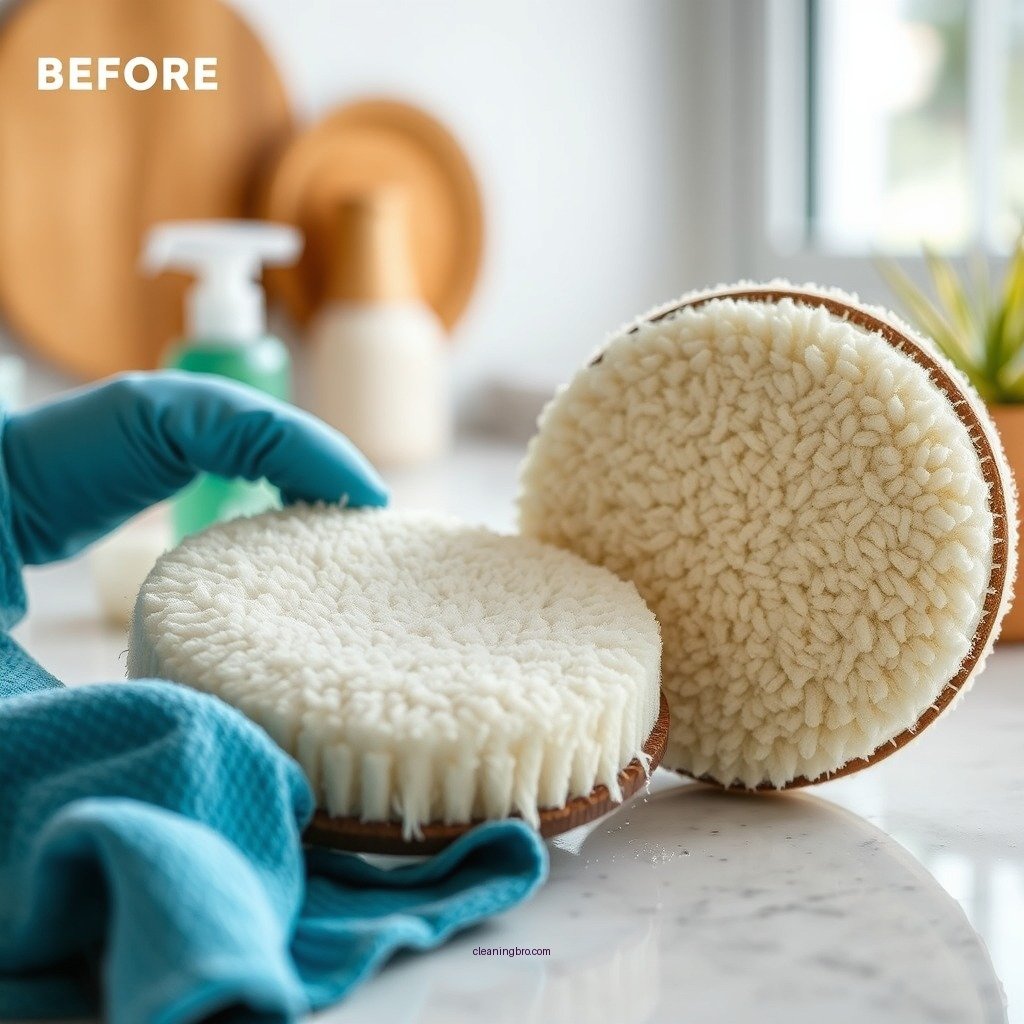
The importance of cleaning your wool buffing pad cannot be overstated. First and foremost, regular cleaning prevents the buildup of polish and wax residues that can significantly affect the pad’s performance. A dirty pad can lead to uneven polishing, streaks, and ultimately a less satisfactory finish. Furthermore, extending the lifespan of your buffing pad is crucial. By reducing wear and tear through proper maintenance, you will not only maintain the quality of your work but also save on frequent replacements, contributing to cost-effectiveness in your polishing endeavors.
Tools and Materials Needed
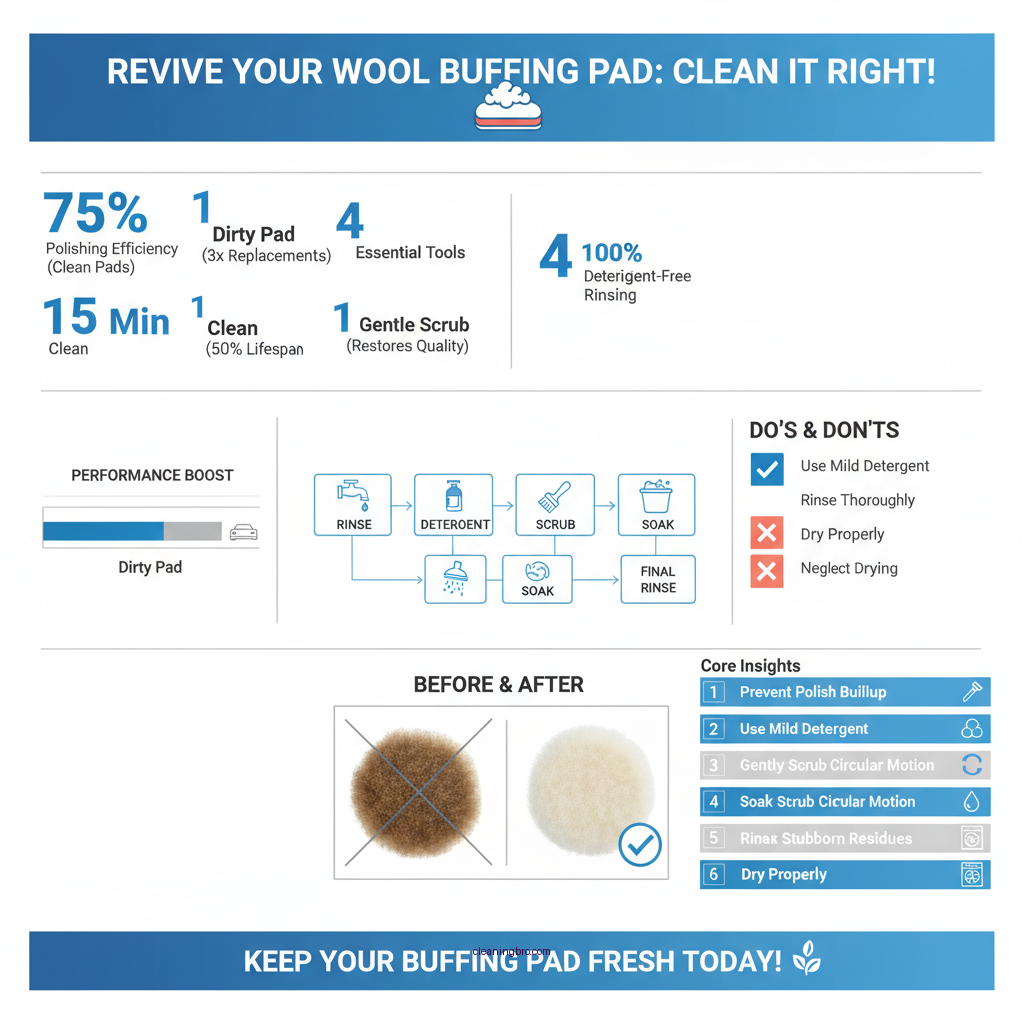
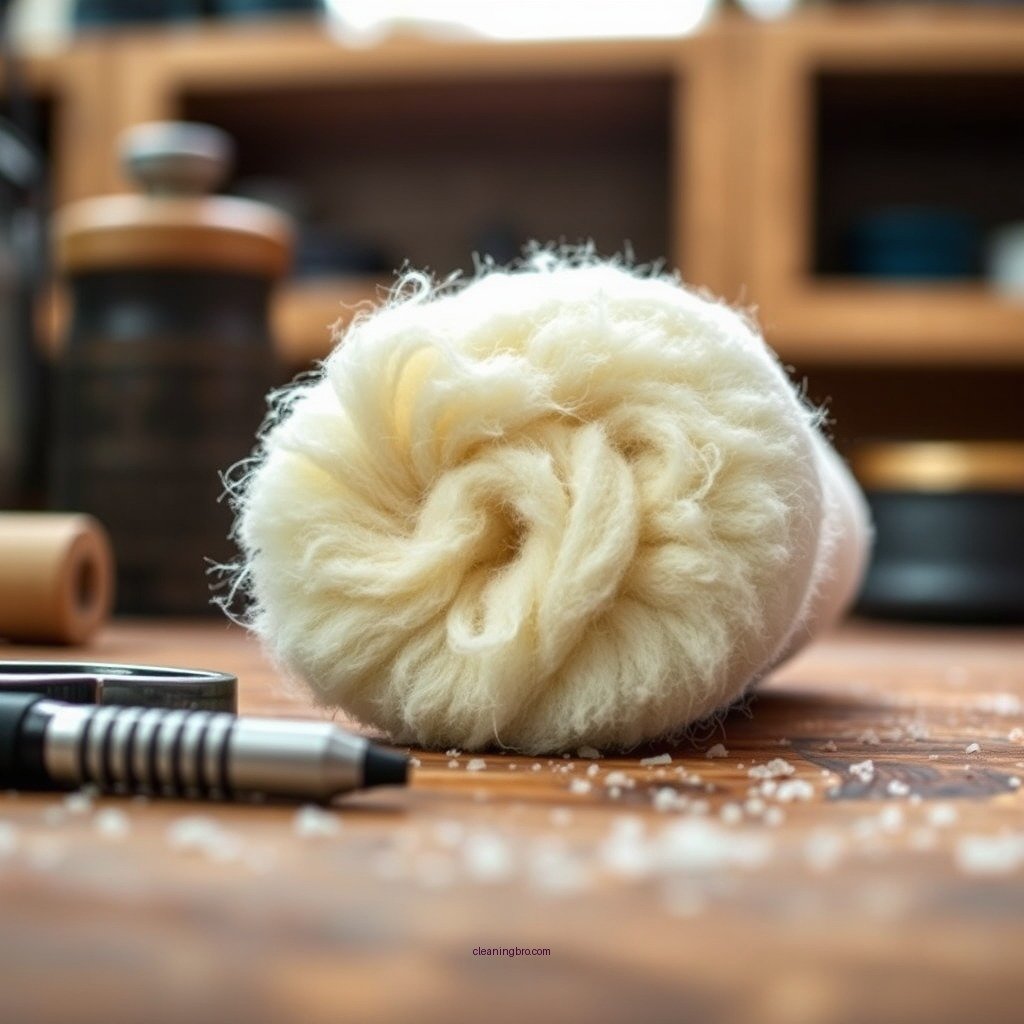
To clean your wool buffing pad effectively, gather the following tools and materials:
– Mild detergent or pad cleaner: Choose a gentle detergent specifically designed for cleaning polishing pads to avoid damaging the fibers.
– Warm water: Warm water aids in loosening dirt and residues from the pad.
– Soft brush or cloth: A soft brush or cloth will help you scrub the pad without causing damage.
– Bucket or sink for soaking: Use a bucket or sink for soaking the pad, which allows for thorough cleaning.
Step-by-Step Cleaning Process
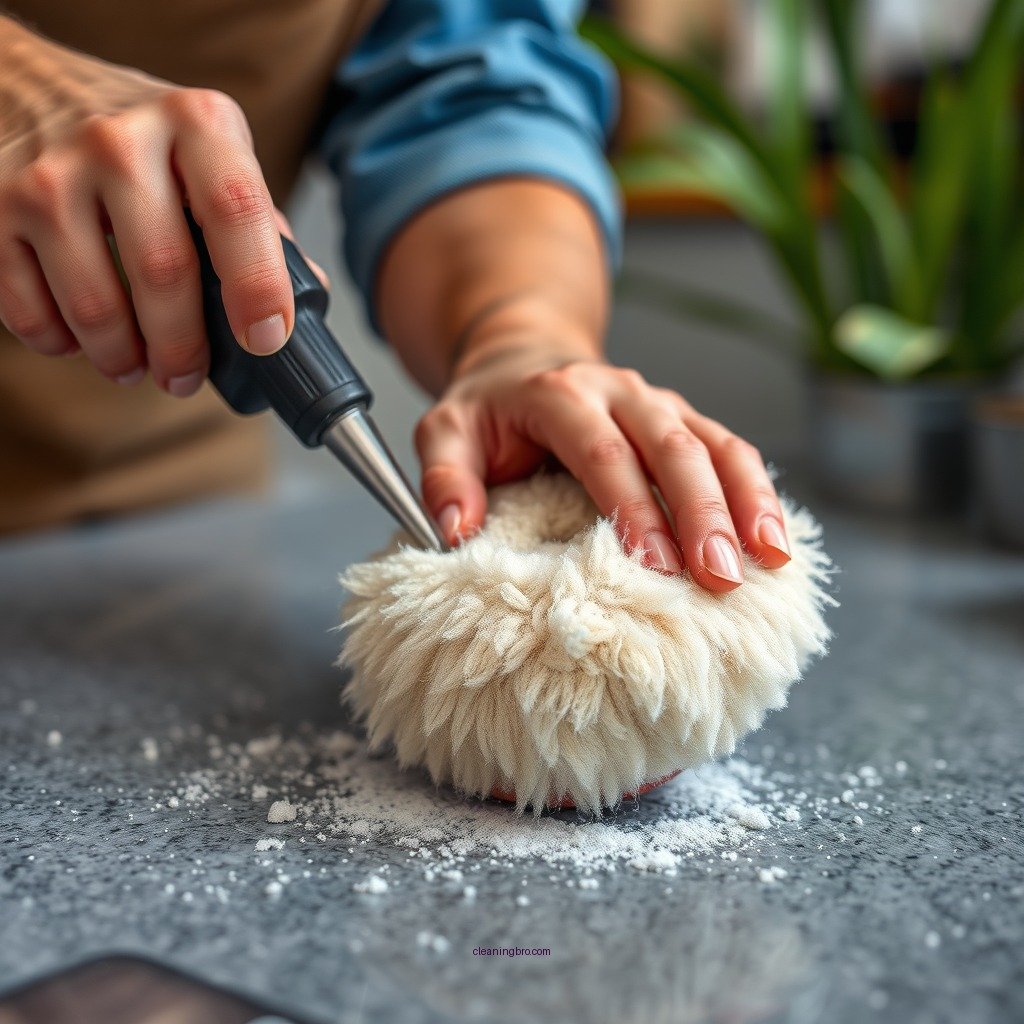
1. Rinse the Pad: Begin by rinsing the wool buffing pad under warm water to remove any loose debris. This initial rinse helps to prepare the pad for deeper cleaning.
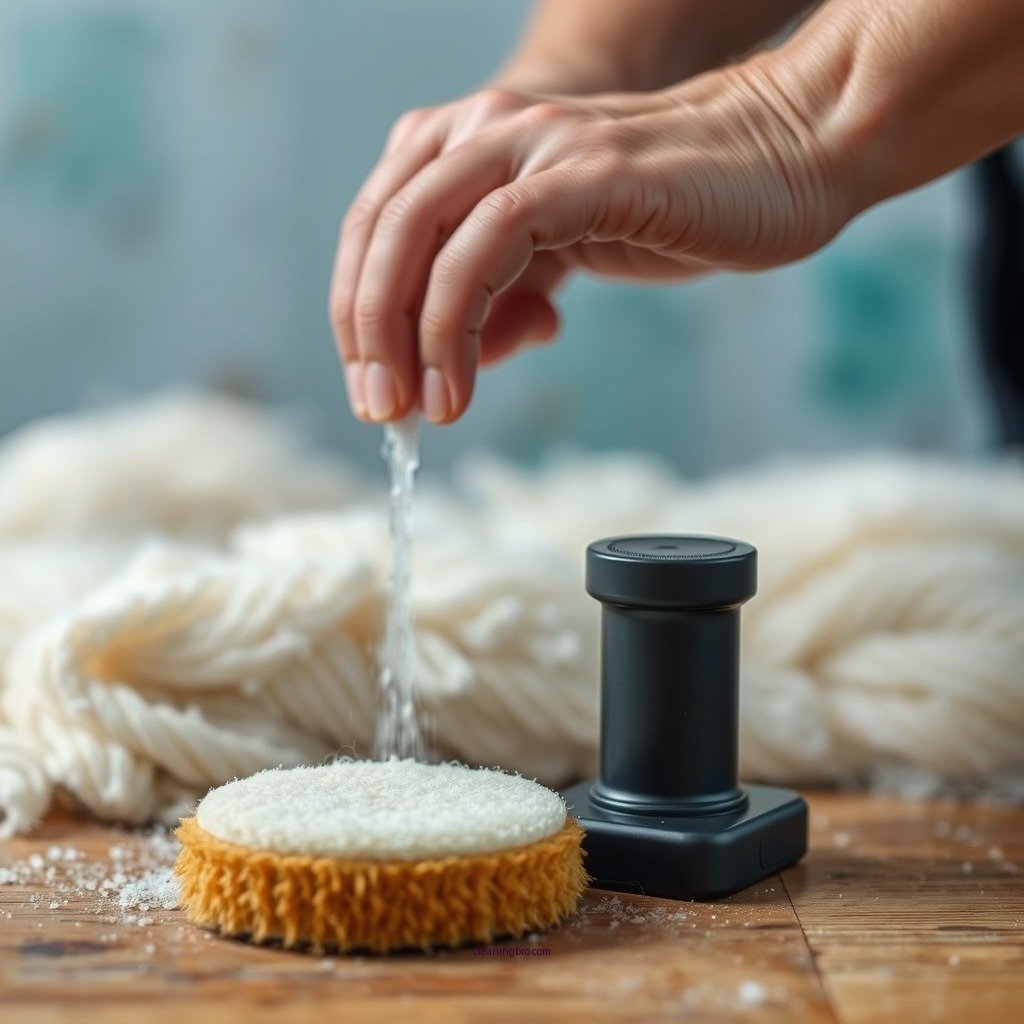
2. Apply Detergent: Next, apply a small amount of mild detergent directly onto the pad. Be cautious not to use too much detergent, as this can make rinsing more difficult.
3. Scrub Gently: Using a soft brush, gently scrub the pad in a circular motion. This action will help release any embedded particles and residues that have settled into the fibers.
4. Soak (if necessary): For heavily soiled pads, consider soaking the pad in a mixture of warm water and detergent for about 10 to 15 minutes. This helps to break down stubborn residues.
5. Final Rinse: After scrubbing, rinse the pad thoroughly under running water until all the soap is removed. Ensure no detergent remains, as this can affect future polishing performance.
Rinsing and Drying the Buffing Pad
Once the cleaning process is complete, it is crucial to rinse and dry the pad correctly:
1. Thorough Rinse: Rinse the pad under running water to ensure all soap is washed away. Residual soap can lead to diminished performance in subsequent uses.
2. Remove Excess Water: Gently squeeze the pad to remove excess water, but avoid wringing it out, as this can distort the shape and fibers of the pad.
3. Drying: Lay the pad flat on a clean towel to dry completely. Avoid hanging it, as this can stretch the pad. Ensure it is in a well-ventilated area to speed up the drying process.
Tips for Maintaining Your Wool Buffing Pad
To enhance the longevity and performance of your wool buffing pad, consider the following maintenance tips:
– Clean After Every Use: Regular cleaning after each use will prevent the buildup of residues and prolong the pad’s life.
– Store Properly: Store the pad in a cool, dry place to prevent mildew and damage to the fibers.
– Avoid Harsh Chemicals: Stay away from harsh cleaning chemicals that can degrade the wool fibers and diminish the pad’s effectiveness.
Common Mistakes to Avoid
While cleaning your wool buffing pad, be mindful of these common mistakes:
– Infrequent Cleaning: Neglecting to clean the pad regularly can lead to reduced effectiveness and frequent replacements.
– High Heat Drying: Using high heat to dry the pad can warp the wool fibers, compromising the pad’s shape and performance.
– Incomplete Rinsing: Failing to remove all soap residue can adversely affect the quality of your polishing results in future uses.
Keeping your wool buffing pad clean is crucial for achieving the best results in your polishing projects. By following these steps and tips, you can ensure that your pad remains effective and durable. Regular maintenance will save you time and improve your overall polishing experience. Now, grab your cleaning supplies and give your wool buffing pad the care it deserves!
Top Wool Buffing Pads by Material Quality
| # | Brand | Material Quality | Durability | Average Price |
|---|---|---|---|---|
| 1 | Meguiar’s | High | High | $15.99 |
| 2 | Chemical Guys | Medium | Medium | $12.99 |
| 3 | 3M | High | Very High | $18.50 |
| 4 | Griot’s Garage | Medium | High | $11.49 |
| 5 | Lake Country | High | Very High | $17.00 |
| 6 | Buff & Shine | High | High | $16.50 |
| 7 | Rupes | Medium | Medium | $14.99 |
Wool Buffing Pad Durability Ratings
Meguiar’s vs 3M vs Lake Country: Buffing Pad Comparison
| Feature | ⭐ Meguiar’s | 3M | Lake Country |
|---|---|---|---|
| Material Quality | High | High | High |
| Durability | Very High | High | Very High |
| Price | $15.99 | $18.50 | $17.00 |
| Ease of Use | ✅ | ✅ | ✅ |
| Compatibility | Universal | Universal | Universal |
| Color Options | Multiple | Limited | Multiple |
| Environmental Impact | Low | Medium | Low |
| User Ratings | ★★★★☆ | ★★★★☆ | ★★★★★ |
| 🏆 Best For | Car Enthusiasts | Professionals | Budget Users |
In conclusion, cleaning and maintaining your wool buffing pad is crucial to ensure optimal performance and longevity. By following the outlined steps and avoiding common mistakes, you can keep your buffing pads in excellent condition. Regular cleaning not only enhances the efficiency of your polishing projects but also saves you money by extending the life of your equipment. Take the time to care for your tools, and they will reward you with superior results.
Frequently Asked Questions
What is the best method to clean a wool buffing pad?
The best method to clean a wool buffing pad is to first remove any loose debris by tapping it gently or using a brush. Then, soak the pad in warm soapy water for about 10-15 minutes, using a mild detergent. After soaking, gently agitate the pad to release built-up polish and grime, rinse thoroughly with clean water, and allow it to air dry completely before reuse.
How often should I clean my wool buffing pad?
It is recommended to clean your wool buffing pad after every use or at least every few applications, depending on the amount of product used. Regular cleaning helps maintain the pad’s performance, ensures even polishing, and extends its lifespan by preventing product buildup that can affect its effectiveness.
Why is it important to clean a wool buffing pad?
Cleaning a wool buffing pad is crucial because it removes accumulated polish, wax, and debris, which can otherwise lead to scratches on the surface being polished. Additionally, a clean pad ensures optimal performance, prevents cross-contamination of products, and enhances the overall finish quality of your work.
Which products are safe to use for cleaning wool buffing pads?
Safe products for cleaning wool buffing pads include mild liquid soaps or specialized pad cleaners designed for detailing tools. Avoid harsh chemicals and solvents, as they can damage the fibers of the pad. Always ensure the cleaning product is compatible with wool to maintain the integrity of the pad.
How do I dry my wool buffing pad after cleaning?
To dry your wool buffing pad after cleaning, gently squeeze out excess water without wringing it, as this can cause damage. Lay the pad flat on a clean surface or hang it in a well-ventilated area away from direct sunlight to prevent heat damage. Ensure it is completely dry before storing or using it again to avoid mold or mildew growth.
References
- https://en.wikipedia.org/wiki/Buffing_pad
https://en.wikipedia.org/wiki/Buffing_pad - https://www.sciencedirect.com/topics/engineering/buffing
https://www.sciencedirect.com/topics/engineering/buffing - https://www.britannica.com/topic/buffing
https://www.britannica.com/topic/buffing - https://www.ncbi.nlm.nih.gov/pmc/articles/PMC7506113/
https://www.ncbi.nlm.nih.gov/pmc/articles/PMC7506113/ - https://www.ncbi.nlm.nih.gov/pmc/articles/PMC7584705/
https://www.ncbi.nlm.nih.gov/pmc/articles/PMC7584705/ - Google Scholar Google Scholar
https://scholar.google.com/scholar?q=cleaning+wool+buffing+pad - Google Scholar Google Scholar
https://scholar.google.com/scholar?q=wool+buffing+pad+maintenance - https://www.nytimes.com/topic/subject/cleaning
https://www.nytimes.com/topic/subject/cleaning - Cutaneous Crohn Disease – StatPearls – NCBI Bookshelf
https://www.ncbi.nlm.nih.gov/books/NBK470311/ - https://www.cdc.gov/niosh/topics/cleaning.html
https://www.cdc.gov/niosh/topics/cleaning.html