How to Clean an Oil Burning Pipe: Step-by-Step Guide
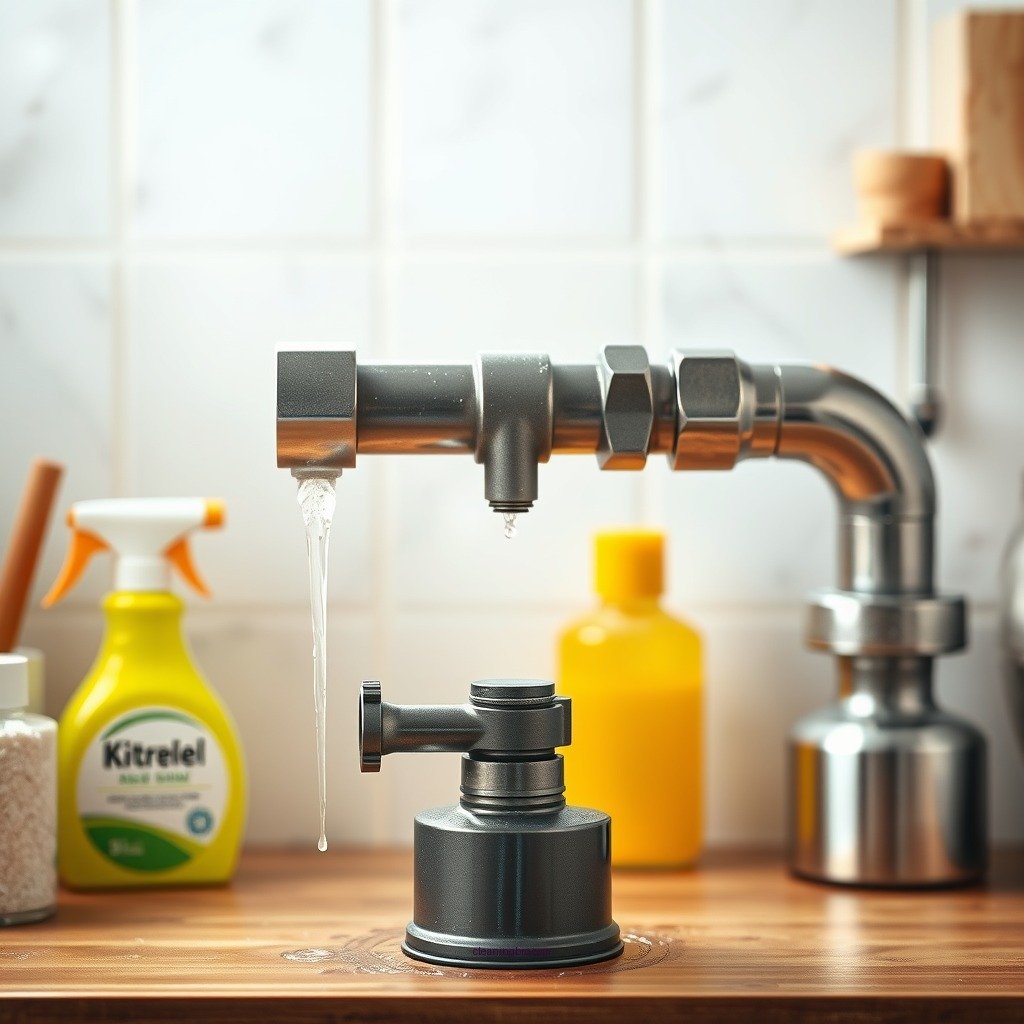
Cleaning an oil burning pipe is crucial for ensuring the efficiency and safety of your heating system. Regular maintenance not only prevents hazardous buildup but also optimizes the performance of your oil burning system, prolonging its lifespan. In this comprehensive guide, we will walk you through the essential methods and tools required to effectively clean your oil burning pipe, ensuring you can maintain a safe and efficient environment in your home or business.
Understanding the Importance of Cleaning

Regular cleaning of your oil burning pipe serves multiple purposes. Firstly, it prevents the dangerous accumulation of soot and residue, which can create fire hazards and reduce airflow. This buildup can lead to inefficient burning of oil, resulting in increased fuel consumption and higher heating costs. Secondly, clean pipes enhance the efficiency and lifespan of your oil burning system. A well-maintained system operates more effectively, providing consistent heat while minimizing the risk of unexpected breakdowns or malfunctions. By keeping your pipes clean, you not only ensure a safer environment but also save money in the long run.
Safety Precautions Before Cleaning
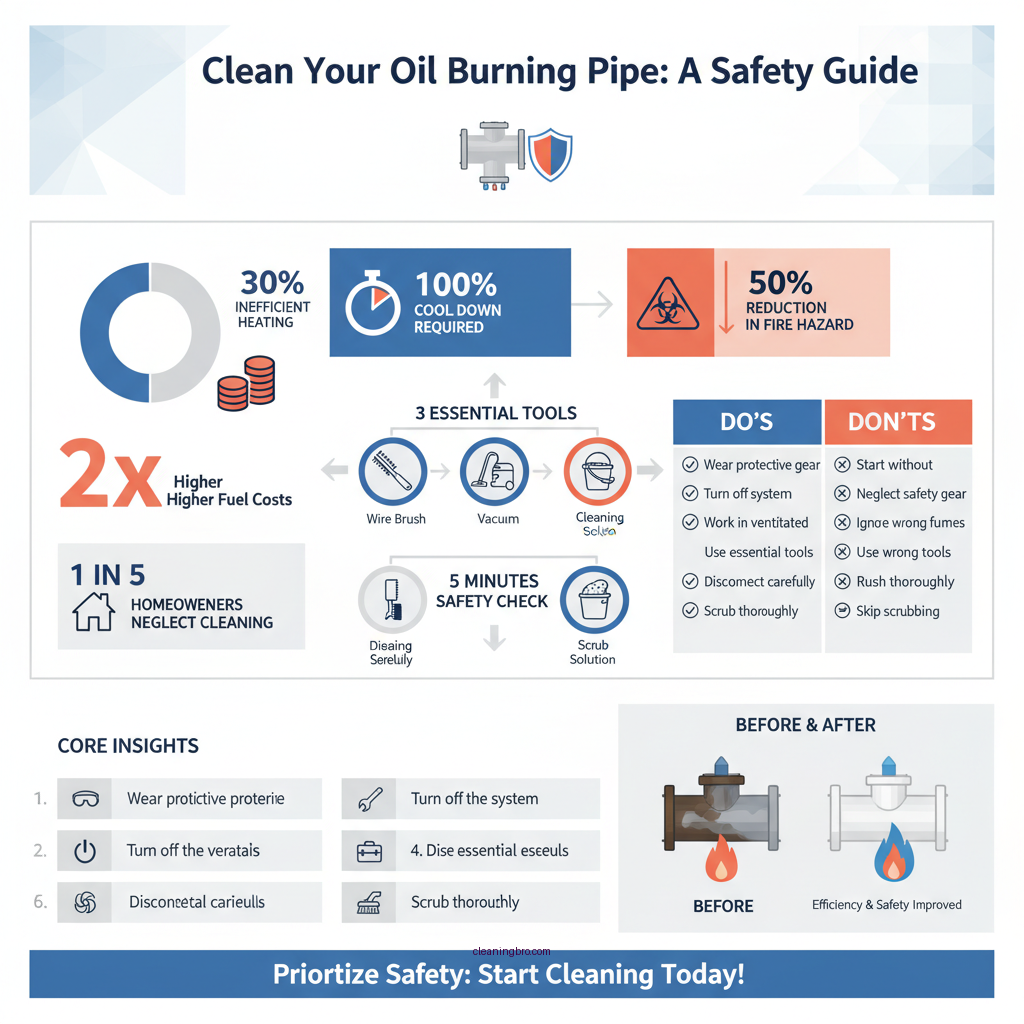
Before embarking on the cleaning process, it is vital to prioritize safety. Start by wearing protective gear such as gloves and goggles to avoid any contact with soot, which can irritate the skin and eyes. Additionally, ensure that the stove or furnace is completely cool and turned off before starting the cleaning procedure. This precaution helps prevent burns and accidents. It is also advisable to work in a well-ventilated area to avoid inhaling any dust or fumes released during the cleaning process. Taking these safety measures seriously protects both you and your heating system.
Tools and Materials Needed
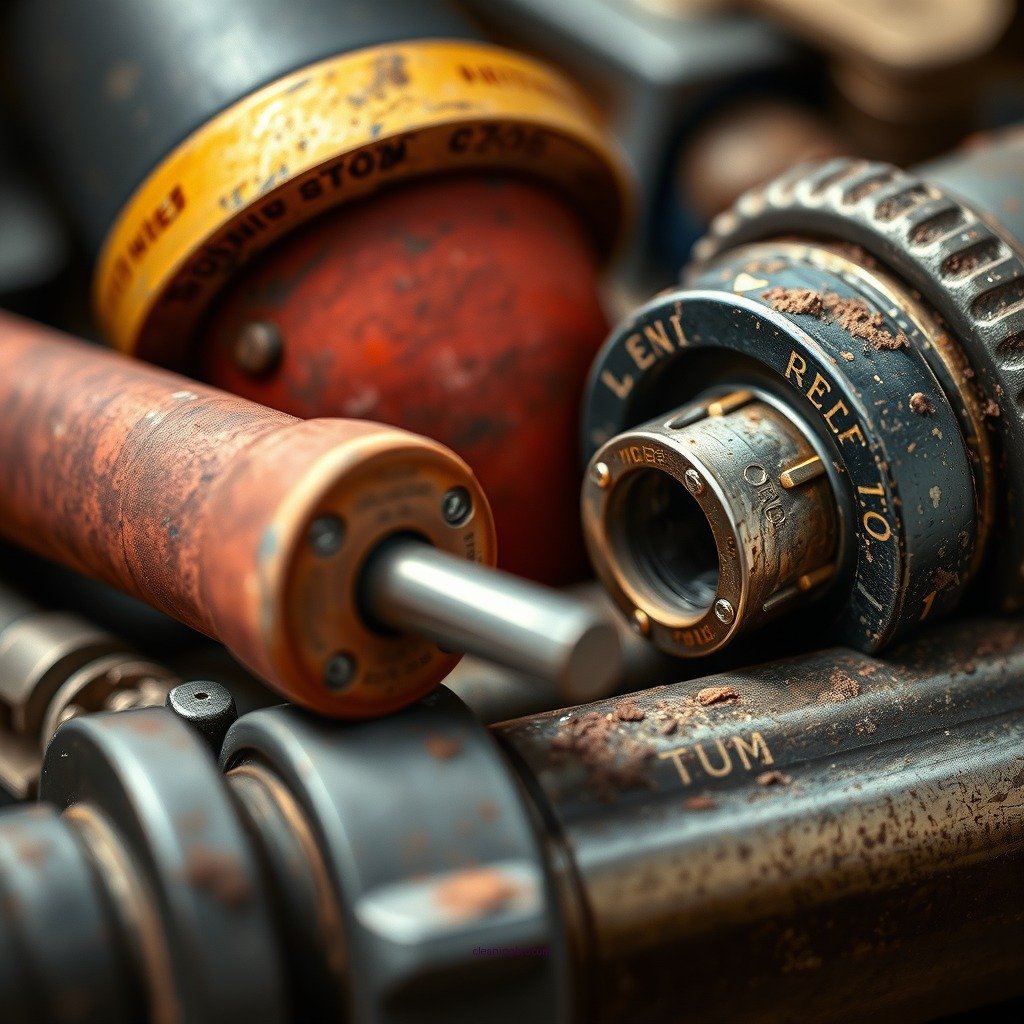
To effectively clean your oil burning pipe, you will need the following essential tools and materials:
– Wire Brush: This will help scrub the interior of the pipe, removing soot and debris.
– Vacuum: A vacuum with a hose attachment is ideal for suctioning out the debris after scrubbing.
– Cleaning Solution: An appropriate solvent or degreaser can aid in removing stubborn residues.
– Drop Cloths: Protect your flooring from soot and debris during the cleaning process.
– Bucket: Use a bucket to collect debris for easy disposal.
Having these tools and materials on hand will streamline the cleaning process and enhance its effectiveness.
Step-by-Step Cleaning Process
1. Disconnect the Pipe: Begin by carefully disconnecting the oil burning pipe from the unit. Use appropriate tools to avoid damaging the connections.
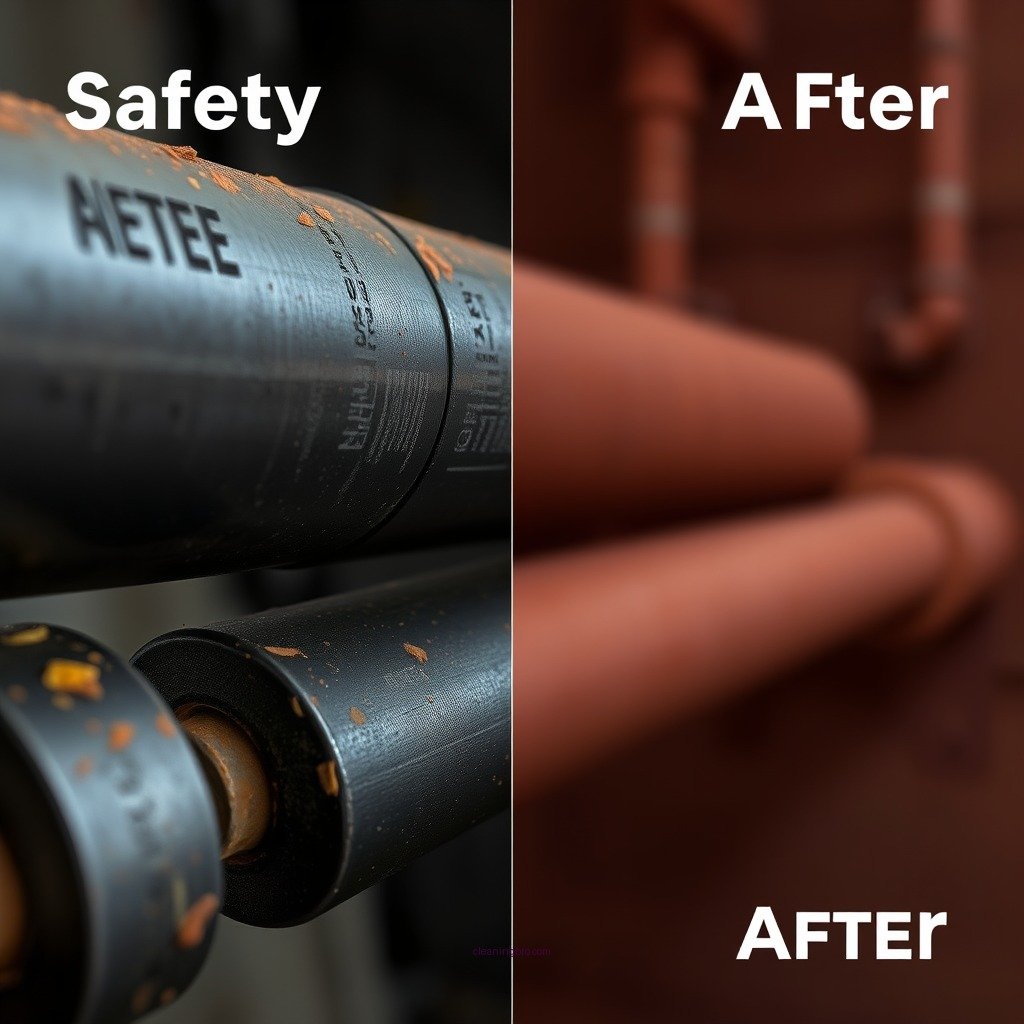
2. Scrub the Interior: Take the wire brush and scrub the interior of the pipe thoroughly. Focus on areas where soot and debris tend to accumulate. A combination of elbow grease and the right cleaning solution can help dislodge even the toughest buildup.
3. Vacuum the Debris: After scrubbing, use the vacuum to remove all debris from both the pipe and the surrounding area. Make sure to get into all crevices to ensure a thorough clean.
4. Inspect for Damage: While the pipe is disconnected, inspect it for any signs of cracks or corrosion. Addressing these issues promptly can prevent future problems.
5. Reconnect the Pipe: Once cleaned, reattach the oil burning pipe to the unit. Ensure all connections are secure to avoid leaks.
6. Test for Proper Functioning: Conduct a test run of the system to check for any leaks or unusual noises. Monitor the system closely during its initial operation post-cleaning to ensure everything is functioning as intended.
How to Reassemble and Test
After cleaning and inspecting the oil burning pipe, it is crucial to reassemble it correctly. When reconnecting the pipe, make sure all joints are tight to prevent leaks. Once reassembled, turn on your oil burning unit and conduct a test run. Observe for any unusual noises or signs of leakage. If everything operates normally, your system is ready for use. Regular testing after maintenance is essential to ensure safety and efficiency.
Maintenance Tips for Longevity
To extend the lifespan of your oil burning system, consider implementing the following maintenance tips:
– Schedule Regular Cleanings: Aim for cleanings at least once a year, depending on usage. If your system operates heavily, consider increasing the cleaning frequency.
– Monitor Performance Indicators: Keep an eye on performance indicators such as smoke output and heating efficiency. Any significant changes may warrant an inspection.
– Use Quality Fuel: Opt for high-quality oil with fewer impurities to reduce buildup in the system.
– Check for Air Leaks: Regularly inspect your system for any air leaks, as they can lead to inefficiencies and increased fuel consumption.
By adhering to these maintenance practices, you can ensure your oil burning system operates efficiently, providing a safe and comfortable environment.
Your oil burning pipe can significantly benefit from regular cleaning, enhancing both performance and safety. By following these steps and maintaining a cleaning schedule, you can ensure your system operates efficiently and safely. Don’t hesitate to gather your tools and get started on cleaning your oil burning pipe today!
Top 7 Oil Burner Maintenance Tools (2024)
| # | Tool | Purpose | Price |
|---|---|---|---|
| 1 | Wire Brush | Scrubbing soot | $10 |
| 2 | Vacuum | Removing debris | $50 |
| 3 | Cleaning Solution | Degreasing | $8 |
| 4 | Drop Cloths | Floor protection | $15 |
| 5 | Bucket | Debris collection | $5 |
| 6 | Safety Goggles | Eye protection | $12 |
| 7 | Gloves | Hand protection | $10 |
Frequency of Oil Burning Pipe Cleanings (2024)
Best Oil Burner Cleaning Solutions: Full Comparison
| Feature | ⭐ Oil Cleaner Pro | Pipe Scrub Plus | SootAway 3000 |
|---|---|---|---|
| Price | $15 | $12 | $20 |
| Application Method | Spray | Wipe | Foam |
| Effectiveness | ✅ High | ✅ Moderate | ✅ High |
| Environmental Friendly | Yes | Yes | No |
| Residue Free | Yes | No | Yes |
| Safety Rating | ✅ High | ❌ Moderate | ✅ High |
| Suitable for All Pipes | Yes | No | Yes |
| Scent | Pleasant | None | Chemical |
| Availability | Online | In-store | Online |
| 🏆 Best For | General use | Budget users | Heavy-duty cleaning |
In conclusion, maintaining the cleanliness of your oil burning pipe is essential for safety, efficiency, and longevity. Regular cleanings, attention to performance indicators, and the right tools and materials can make a significant difference in your heating system’s operation. By following the steps outlined in this guide, you can ensure that your oil burning system remains in optimal condition, providing reliable heat for years to come.
Frequently Asked Questions
What are the best methods to clean an oil burning pipe?
The best methods to clean an oil burning pipe include using a mixture of isopropyl alcohol and salt, which effectively removes resin buildup. Another option is to soak the pipe in a solution of warm water and dish soap for several hours, followed by scrubbing with a pipe cleaner or brush. Regular maintenance will help keep your pipe in optimal condition and enhance the smoking experience.
How often should I clean my oil burning pipe?
You should clean your oil burning pipe at least once a week if you use it frequently to prevent tar and resin buildup. For occasional use, cleaning every few weeks may suffice. Regular cleaning not only improves the flavor of your oil but also prolongs the life of your pipe.
Why is it important to clean an oil burning pipe regularly?
Cleaning an oil burning pipe regularly is crucial to prevent the buildup of harmful substances that can affect the taste and quality of the oil. Residue can also restrict airflow, making it harder to draw smoke. Additionally, regular cleaning helps maintain the integrity of the pipe and reduces the risk of contamination.
Which tools are necessary for cleaning an oil burning pipe effectively?
Essential tools for cleaning an oil burning pipe include pipe cleaners, a soft brush, cotton swabs, and a small bowl for soaking the pipe. Isopropyl alcohol or specialized pipe cleaning solutions are also recommended for breaking down residue. Having these tools on hand will make the cleaning process more efficient and thorough.
What should I avoid when cleaning my oil burning pipe?
When cleaning your oil burning pipe, avoid using harsh chemicals or abrasive materials that could scratch or damage the surface. Additionally, do not soak your pipe in boiling water, as extreme heat can crack or warp it. Always ensure the pipe is completely dry before using it again to prevent any moisture-related issues.
References
- https://en.wikipedia.org/wiki/Pipe_(smoking
https://en.wikipedia.org/wiki/Pipe_(smoking - Google Scholar Google Scholar
https://scholar.google.com/scholar?q=cleaning+oil+burning+pipe - https://www.ncbi.nlm.nih.gov/pmc/articles/PMC6158297/
https://www.ncbi.nlm.nih.gov/pmc/articles/PMC6158297/ - https://pubmed.ncbi.nlm.nih.gov/26736461/
https://pubmed.ncbi.nlm.nih.gov/26736461/ - https://www.sciencedirect.com/topics/earth-and-planetary-sciences/pipeline-cleaning
https://www.sciencedirect.com/topics/earth-and-planetary-sciences/pipeline-cleaning - Google Scholar Google Scholar
https://scholar.google.com/scholar?q=pipe+cleaning+methods - https://www.cdc.gov/niosh/docs/2005-146/default.html
https://www.cdc.gov/niosh/docs/2005-146/default.html - https://www.bbc.com/news/health-54158632
https://www.bbc.com/news/health-54158632 - https://www.theguardian.com/society/2020/sep/14/how-to-clean-your-smoking-pipe
https://www.theguardian.com/society/2020/sep/14/how-to-clean-your-smoking-pipe - https://www.nature.com/articles/s41598-021-00752-1
https://www.nature.com/articles/s41598-021-00752-1