
Cleaning a hydroponic system is vital for ensuring the health of your plants and maximizing their yield. Regular maintenance helps to remove harmful algae, mineral buildup, and plant debris that can interfere with nutrient delivery. This comprehensive article will walk you through each step necessary to keep your hydroponic system in pristine condition.
Understand the Importance of Cleaning
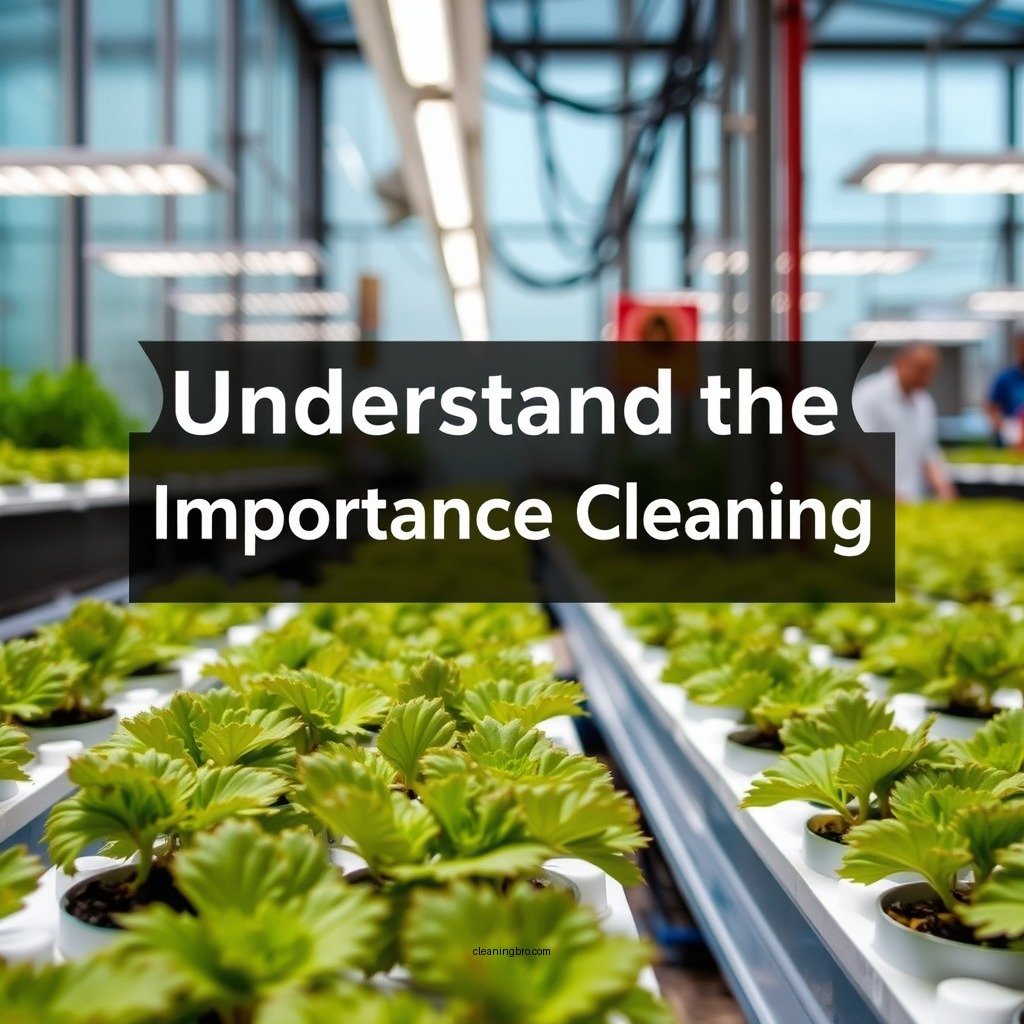
Maintaining a clean hydroponic system is crucial for several reasons. First and foremost, a clean environment prevents algae growth, which can thrive in the damp, nutrient-rich conditions of hydroponics. Algae not only competes with your plants for nutrients but can also harbor pests and diseases that could jeopardize your entire crop.
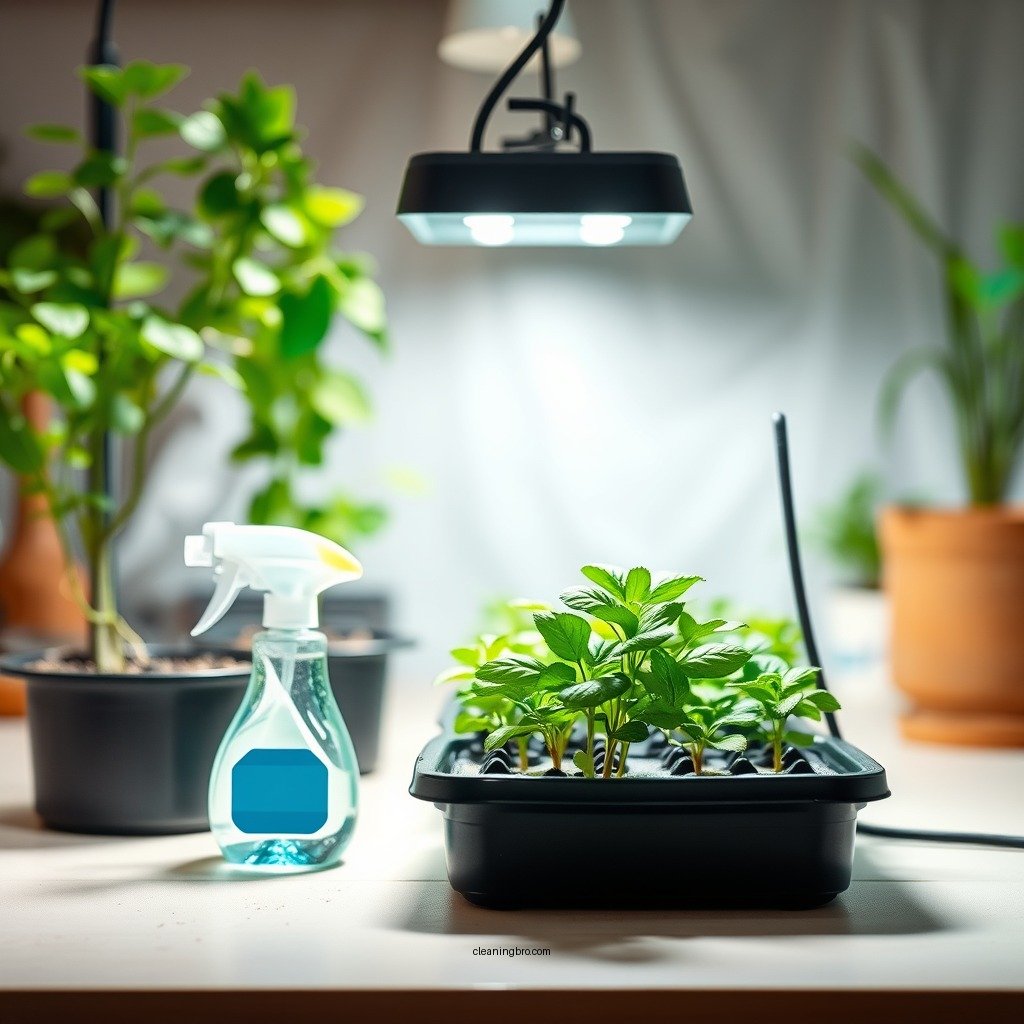
Secondly, a clean system ensures optimal nutrient delivery. When equipment is clogged with mineral deposits or organic matter, it can hinder the flow of nutrients to your plants. This can lead to nutrient deficiencies, stunted growth, and lower yields. Therefore, regular cleaning is not just about aesthetics; it’s about fostering a thriving ecosystem for your plants.
Gather Necessary Cleaning Supplies
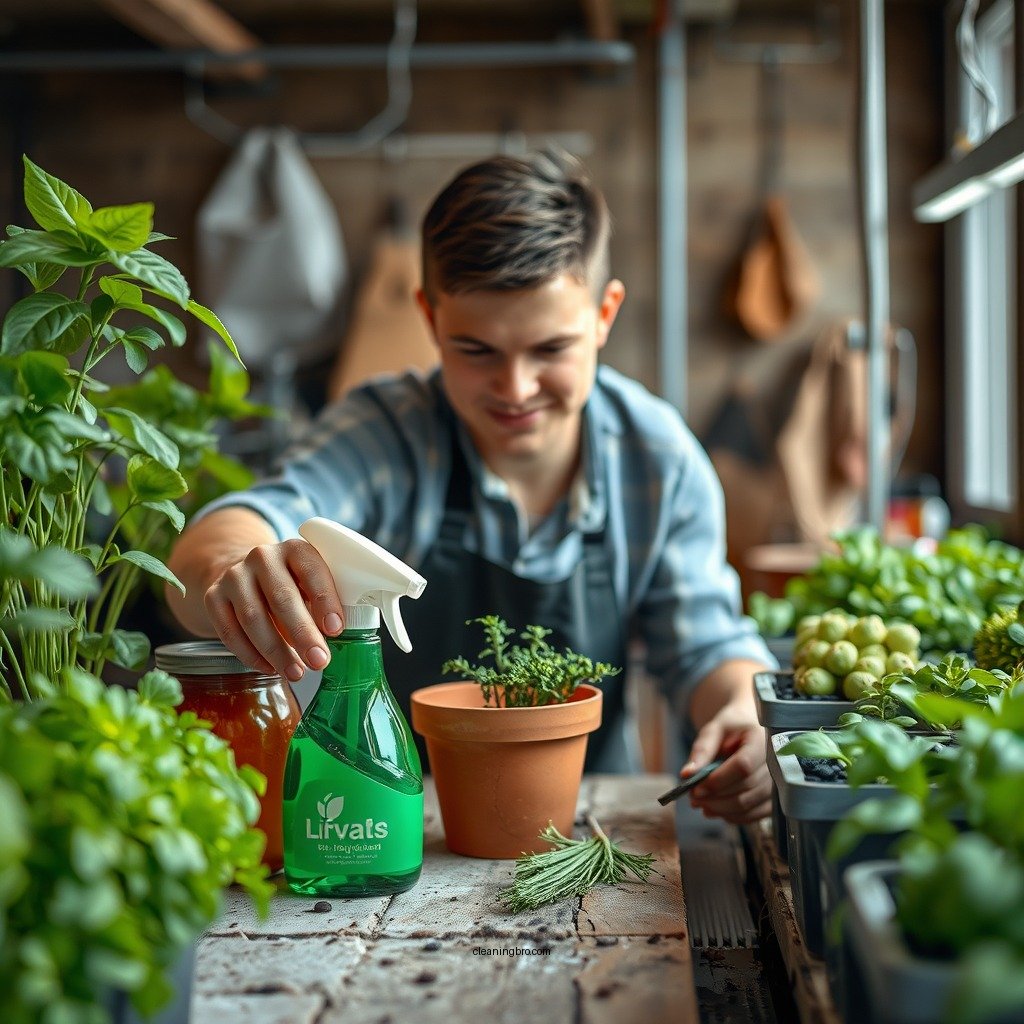
Before diving into the cleaning process, gather the following cleaning supplies to ensure you have everything you need:
– Mild soap or hydrogen peroxide: These are effective for sanitizing surfaces without leaving harmful residues.
– Soft brushes and sponges: These tools will help you scrub away algae and mineral deposits without scratching the equipment.
– Clean water: Essential for rinsing off any soap residues and ensuring all components are free of cleaning agents before reassembly.
Having the right tools on hand will streamline the cleaning process and reduce the likelihood of missing critical areas.
Step-by-Step Cleaning Process
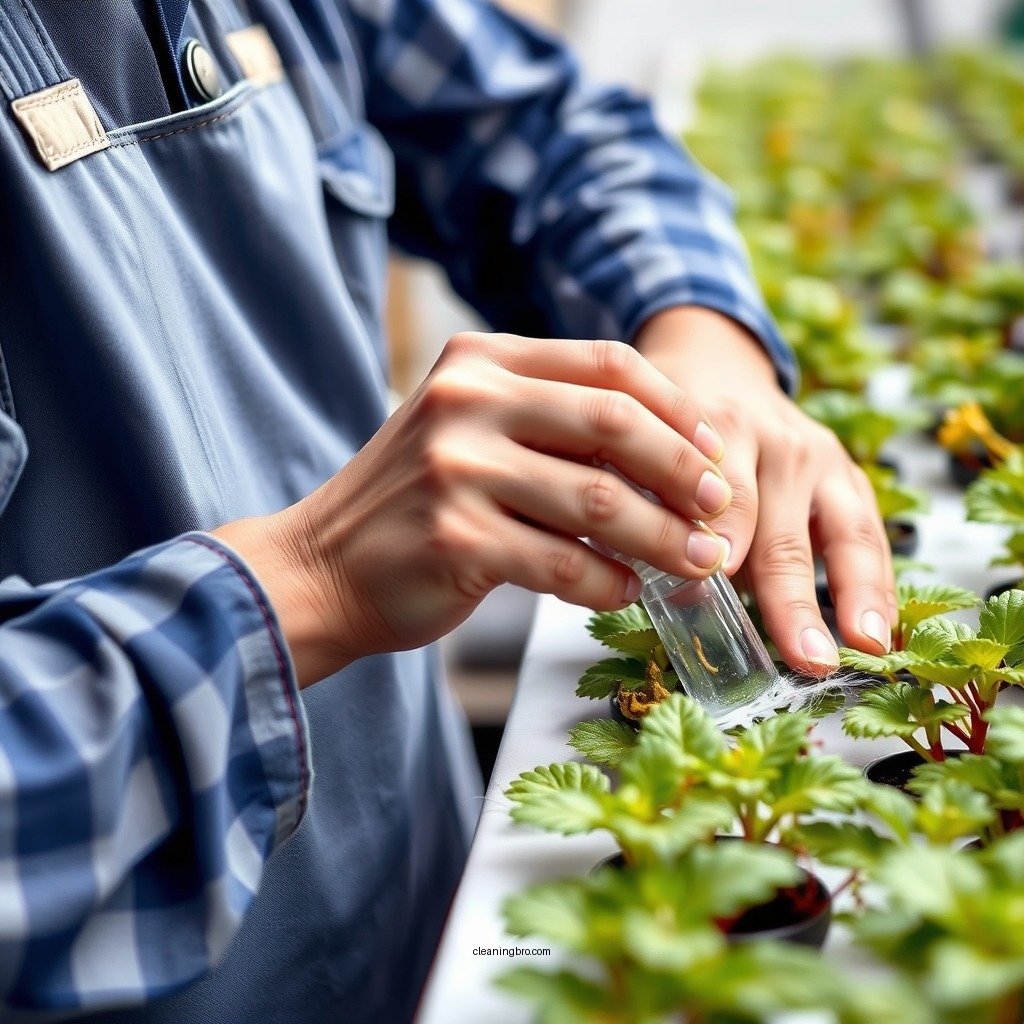
To effectively clean your hydroponic system, follow these steps carefully:
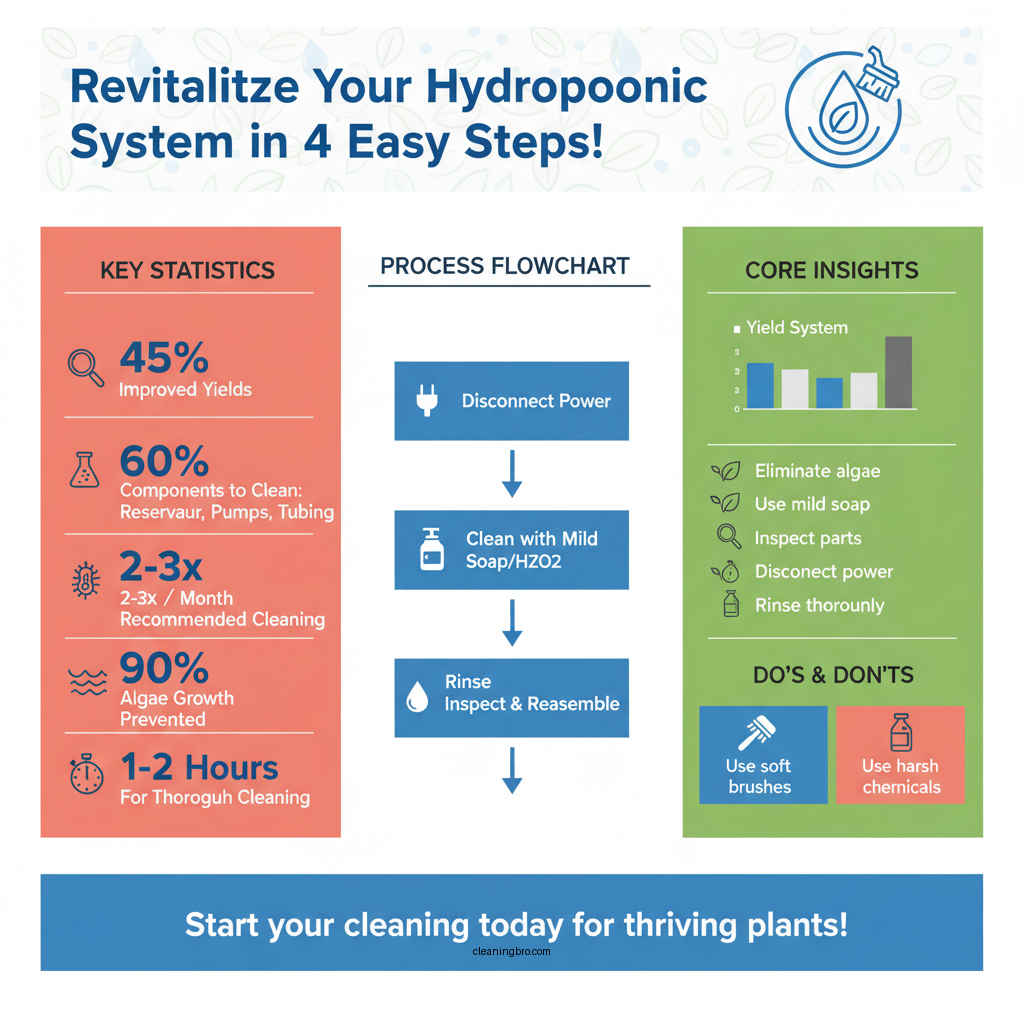
1. Disconnect and disassemble the hydroponic system components: Ensure that all power sources are turned off and disconnect any electrical components before proceeding. Take apart the system carefully, labeling parts if necessary to facilitate reassembly.
2. Clean each part thoroughly: Focus on key components such as the reservoir, pumps, and tubing. Use a soft brush to scrub away any algae or buildup, paying special attention to corners and crevices where debris can accumulate. For stubborn stains, a mild soap solution can help break down grime.
3. Inspect for wear and tear: As you clean, take the opportunity to inspect all components for signs of wear. This can include cracks in tubing or corrosion in metal parts. Identifying these issues early can save you time and money in repairs later on.
Comparative Analysis of Hydroponic Cleaning Methods
| # | Cleaning Method | Effectiveness | Time Required | Ease of Use |
|---|---|---|---|---|
| 1 | Mild Soap | High | 30 min | Easy |
| 2 | Hydrogen Peroxide | Very High | 20 min | Moderate |
| 3 | Vinegar Solution | Medium | 45 min | Easy |
| 4 | Bleach Solution | High | 60 min | Difficult |
| 5 | Commercial Cleaners | Very High | 30 min | Moderate |
| 6 | Steam Cleaning | High | 90 min | Difficult |
| 7 | Ultraviolet Light | Very High | 15 min | Easy |
Rinse and Sanitize Components
Once all parts have been cleaned, it’s time to rinse and sanitize:
1. Rinse all parts with clean water: Thoroughly rinse each component to ensure that all soap residues are removed. Residual cleaning agents can be harmful to plants, so this step is critical.
2. Use a sanitizing solution to disinfect surfaces: After rinsing, apply a sanitizing solution (such as a diluted hydrogen peroxide mix) to disinfect all surfaces. Let it sit for a specified duration, usually around 10 minutes, before rinsing again. This step kills any lingering bacteria or pathogens, ensuring your system is safe for future use.
Reassemble and Test the System
Once all components have been cleaned and sanitized, you can start reassembling your hydroponic system:
1. Carefully reassemble all components: Ensure that every part fits properly. Pay attention to seals and joints, as improper assembly can lead to leaks.
2. Run the system with clean water: After reassembly, run the system using clean water to check for leaks and ensure that all components are functioning correctly. This step allows you to identify any issues before introducing plants back into the system.
Hydroponic System Cleaning Frequency
Maintain a Regular Cleaning Schedule
Establishing a regular cleaning schedule is crucial for sustaining the health of your hydroponic system:1. Routine frequency: Depending on your specific hydroponic setup and plant types, establish a routine cleaning frequency. For most systems, weekly cleanings for reservoirs and monthly cleanings for tubing and pumps are recommended.
2. Document any issues or observations: Keep a log of any problems encountered during cleanings, as well as observations about plant health and growth. This documentation can be invaluable for improving your cleaning processes and identifying patterns.
By adhering to a consistent cleaning schedule, you will not only ensure a healthier growing environment but also prolong the lifespan of your equipment.
Regular cleaning of your hydroponic system is an essential practice that enhances plant health and maximizes yield. By following this step-by-step guide, you can ensure your hydroponic setup remains in top condition. Start your cleaning routine today to foster a thriving environment for your plants, leading to healthier growth and greater productivity.
Frequently Asked Questions
What is the best way to clean a hydroponic system?
The best way to clean a hydroponic system involves several steps: first, remove all plant material and debris. Next, rinse the system with warm water to eliminate any residues. Use a non-toxic cleaning solution or a mix of vinegar and water to scrub the surfaces, ensuring you pay special attention to the nutrient reservoir and tubing. Finally, rinse thoroughly with clean water to remove any cleaning agents before reassembling.
How often should I clean my hydroponic system?
You should clean your hydroponic system every 2 to 4 weeks, depending on the type of plants you are growing and the system’s design. Regular cleaning prevents algae buildup, nutrient imbalances, and disease, ensuring optimal growth conditions for your plants. Additionally, always inspect your system after any crop cycle for needed deep cleaning.
Why is it important to clean a hydroponic system?
Cleaning a hydroponic system is essential to prevent disease, promote healthy plant growth, and ensure nutrient efficiency. Residues and organic matter can harbor pathogens and block nutrient flow, leading to poor plant health. A clean system supports better oxygenation and prevents root rot, contributing to higher yields.
Which products are safe to use for cleaning a hydroponic system?
Safe products for cleaning a hydroponic system include diluted vinegar, hydrogen peroxide, or commercially available hydroponic cleaners that are non-toxic and biodegradable. Avoid harsh chemicals and bleach, as they can leave harmful residues that affect plant health. Always rinse thoroughly after cleaning to ensure no cleaning agents remain.
How do I sanitize my hydroponic system after cleaning?
To sanitize your hydroponic system after cleaning, use a solution of 1 part hydrogen peroxide to 10 parts water or a diluted vinegar solution. Allow the sanitizing solution to sit in the system for at least 30 minutes before rinsing thoroughly with clean water. This process helps eliminate any remaining pathogens, ensuring a safe environment for your next crop cycle.
References
- https://www.extension.purdue.edu/extmedia/ho/ho-202-w.pdf
https://www.extension.purdue.edu/extmedia/ho/ho-202-w.pdf - Home & Garden Information Center | Clemson Cooperative Extension
https://www.clemson.edu/extension/hgic/plants/vegetables/hydroponics.html - https://www.sciencedirect.com/topics/agricultural-and-biological-sciences/hydroponics
https://www.sciencedirect.com/topics/agricultural-and-biological-sciences/hydroponics - https://www.ncbi.nlm.nih.gov/pmc/articles/PMC7460798/
https://www.ncbi.nlm.nih.gov/pmc/articles/PMC7460798/ - https://www.gardensalive.com/product/hydroponic-system-cleaning
https://www.gardensalive.com/product/hydroponic-system-cleaning - Google Scholar Google Scholar
https://scholar.google.com/scholar?q=how+to+clean+hydroponic+system - Google Scholar Google Scholar
https://scholar.google.com/scholar?q=hydroponics+maintenance+cleaning - how to clean hydroponic system – Search results
https://en.wikipedia.org/wiki/Special:Search?search=how+to+clean+hydroponic+system - https://www.ncbi.nlm.nih.gov/search/research-articles/?term=how+to+clean+hydroponic+system
https://www.ncbi.nlm.nih.gov/search/research-articles/?term=how+to+clean+hydroponic+system
