How to Clean Buffing Foam Pads: A Step-by-Step Guide
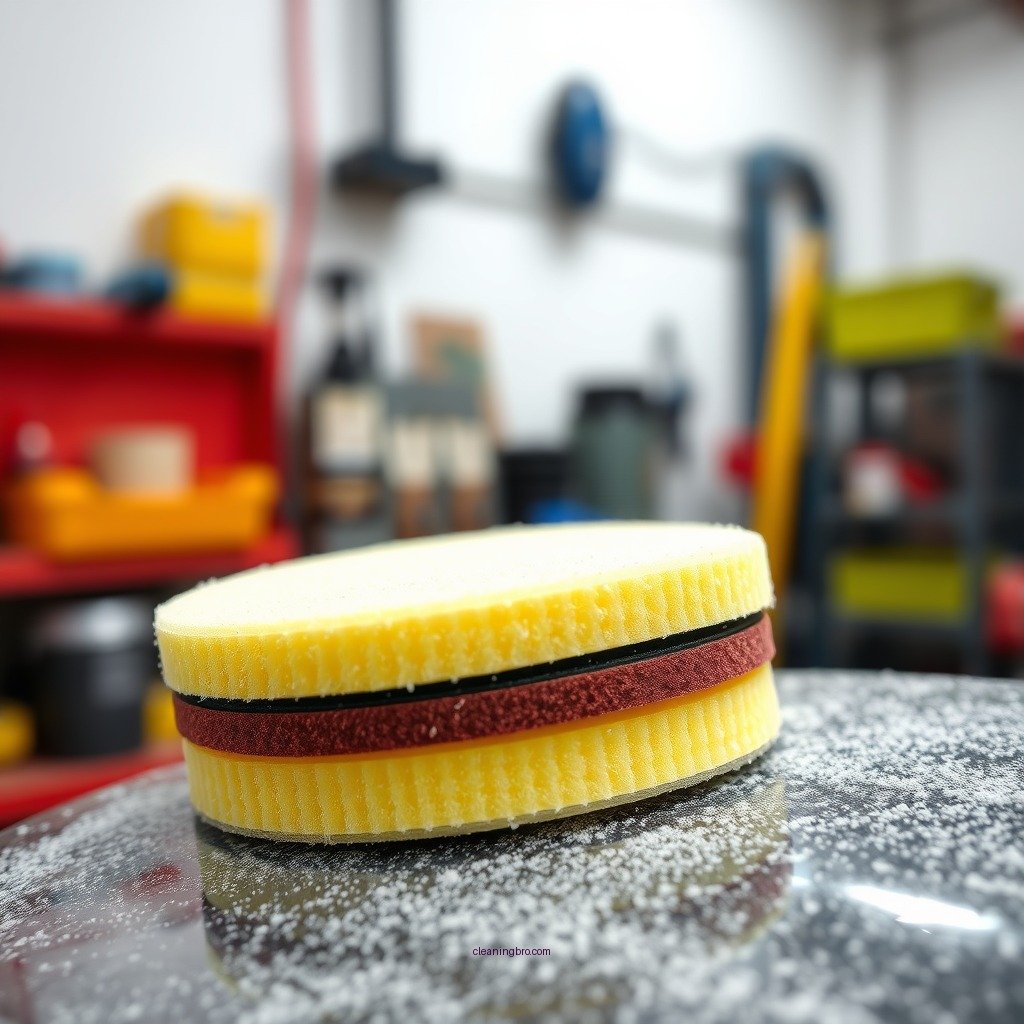
Cleaning buffing foam pads is essential for maintaining their effectiveness and extending their lifespan. To clean your pads, you’ll need to rinse them with water, use a gentle soap, and allow them to dry properly. This article will guide you through the necessary steps and tips to ensure your buffing pads are always in top condition.
Understanding the Importance of Cleaning Buffing Foam Pads
What You’ll Need for Cleaning
To effectively clean your buffing foam pads, gather the following materials:
– Warm water: This will help loosen any stubborn residues.
– Mild detergent: A gentle soap is crucial to avoid damaging the foam.
– Soft brush or cloth: These tools will assist in scrubbing the pads without harming them.
Optional tools include a pressure washer or a pad cleaning machine, which can provide a more thorough cleaning for heavily soiled pads.
Step-by-Step Cleaning Process
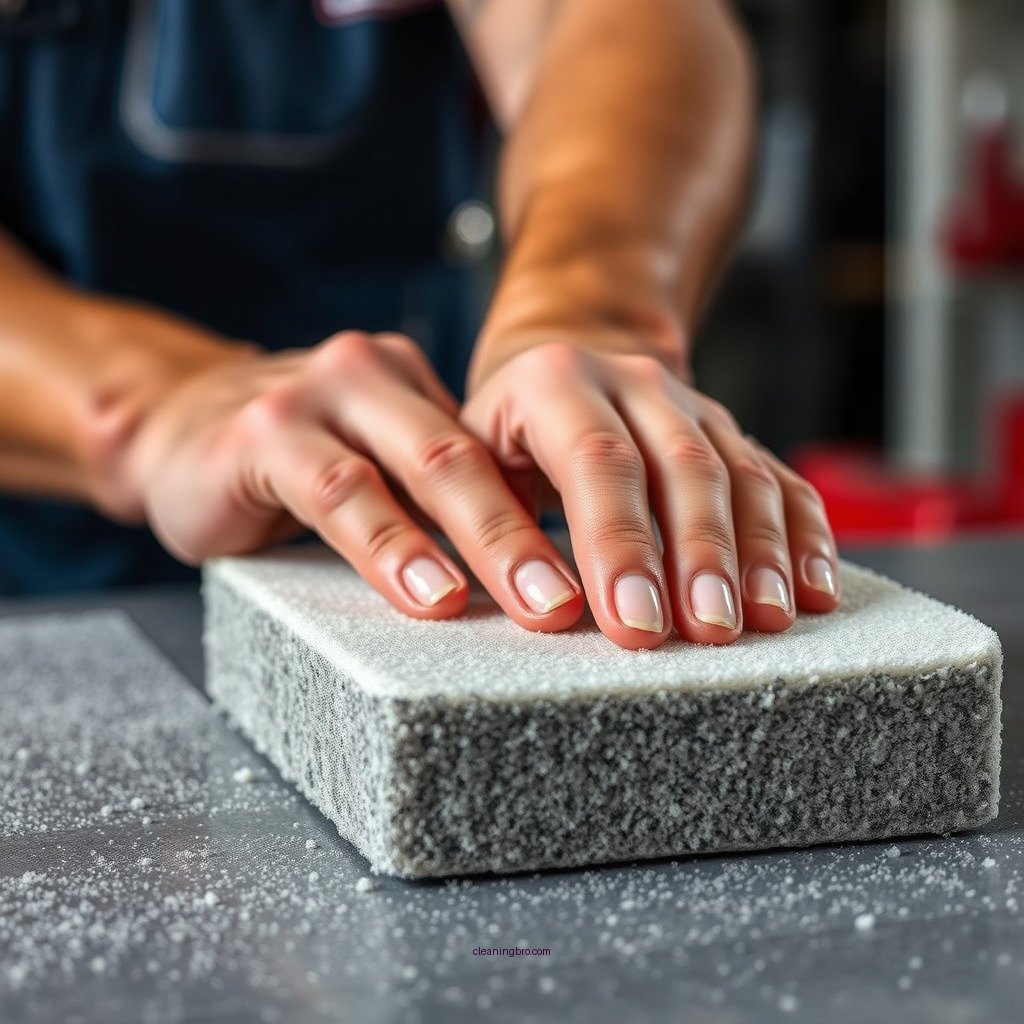
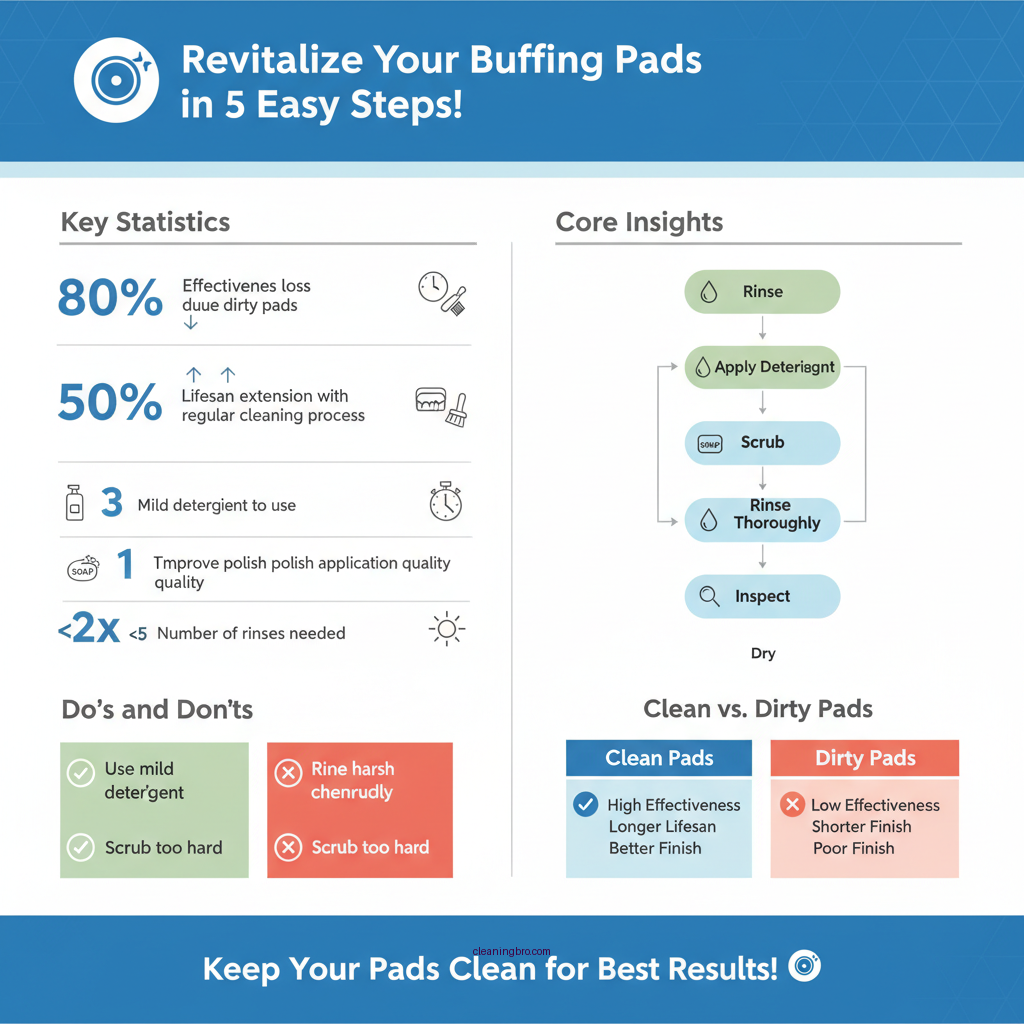
1. Rinse the Pad: Begin by rinsing the pad under warm running water. Make sure to thoroughly wet the pad to start loosening the residue.
2. Apply Detergent: Once the pad is wet, apply a small amount of mild detergent directly onto the surface. Be cautious not to use too much, as excessive soap can be challenging to rinse out.
3. Scrub Gently: Using a soft brush or cloth, gently scrub the pad in circular motions. Focus on areas with visible dirt or product buildup. Avoid using excessive force, as this can damage the foam.
4. Rinse Again: After scrubbing, rinse the pad thoroughly under warm water to remove all soap and debris. Ensure that no detergent remains, as this can affect future polishing tasks.
5. Check for Residue: Inspect the pad closely to ensure it is clean. If needed, repeat the washing process for stubborn stains.
Drying Techniques for Buffing Foam Pads
Proper drying is crucial to prevent mold growth and maintain the integrity of the foam pads. Follow these steps:
– Pat Dry: Use a clean, dry towel to gently pat the pads and remove excess moisture. Avoid wringing or twisting the pads, as this can distort their shape.
– Air Dry: Place the cleaned pads in a well-ventilated area to air dry completely. It’s best to avoid direct sunlight, which can degrade the foam over time.
– Storage Considerations: Once dry, store the pads in a cool, dry place to maintain their condition and extend their life. Avoid stacking them under heavy items, which can cause deformation.
Tips for Maintaining Buffing Foam Pads
To keep your buffing foam pads in optimal condition, consider the following tips:
– Regular Cleaning: Clean your pads after every use to prevent product buildup and ensure consistent performance. This practice will help maintain their effectiveness and longevity.
– Proper Storage: Store pads in a designated container or bag that protects them from dust and physical damage. Keeping them away from direct sunlight will help preserve their quality.
– Frequency of Replacement: Regularly assess your pads for signs of wear, such as visible tears, loss of firmness, or discoloration. Replacing worn-out pads will ensure the best results in your polishing tasks.
Common Mistakes to Avoid
There are several common pitfalls to be aware of when cleaning buffing foam pads:
– Using Harsh Chemicals: Avoid using strong solvents or abrasive cleaners, as these can degrade the foam material and reduce the pad’s effectiveness.
– Improper Drying: Not allowing pads to dry properly can lead to bacteria growth and mold, which can ruin your future projects. Always ensure they are completely dry before storage.
– Neglecting Regular Maintenance: Failing to clean pads after each use can lead to product buildup and reduced performance, ultimately costing you more in replacements and repairs.
When to Replace Buffing Foam Pads
Recognizing when to replace your buffing foam pads is essential for maintaining quality work. Look for the following signs:
– Visible Tears: If the pad has cuts or tears, it is time to replace it to avoid damaging surfaces during polishing.
– Loss of Firmness: A pad that feels overly soft or compressed will not perform effectively. If it no longer holds its original shape, consider replacing it.
– Discoloration: Significant discoloration can indicate that the pad has absorbed too much product or has degraded over time, affecting its performance.
Regularly assessing your pads for these signs ensures you are always prepared to achieve the best results.
Top Buffing Foam Pads by Durability and Performance (2024)
| # | Pad Brand | Durability Rating | Performance Rating | Price Range |
|---|---|---|---|---|
| 1 | Lake Country | ★★★★☆ | ★★★★★ | $10-$25 |
| 2 | Meguiar’s | ★★★☆☆ | ★★★★☆ | $8-$20 |
| 3 | Chemical Guys | ★★★★★ | ★★★★☆ | $7-$18 |
| 4 | Griot’s Garage | ★★★★☆ | ★★★★★ | $12-$30 |
| 5 | 3M | ★★★★☆ | ★★★★☆ | $15-$35 |
| 6 | Buff and Shine | ★★★☆☆ | ★★★★☆ | $10-$24 |
| 7 | Rupes | ★★★★★ | ★★★★★ | $20-$40 |
Durability of Buffing Pads (2024)
Buffing Pad Brands Comparison
| Feature | ⭐ Lake Country | Meguiar’s | Chemical Guys |
|---|---|---|---|
| Price | $10-$25 | $8-$20 | $7-$18 |
| Durability | ★★★★☆ | ★★★☆☆ | ★★★★★ |
| Performance | ★★★★★ | ★★★★☆ | ★★★★☆ |
| Variety of Pads | Wide range | Standard options | Excellent range |
| Availability | Widely available | Online and in stores | Easily found |
| User Ratings | ★★★★☆ | ★★★☆☆ | ★★★★★ |
| Warranty | 1 Year | Limited | 2 Years |
| Sustainability | Yes | Yes | Yes |
| Customer Support | Responsive | Average | Excellent |
| 🏆 Best For | Professional detailers | Casual users | High-performance enthusiasts |
Summarizing the importance of cleaning buffing foam pads, remember that regular maintenance is key to their performance and longevity. Follow the outlined steps and tips to ensure your pads are always ready for use. For best results, incorporate these cleaning practices into your routine and enjoy the benefits of well-maintained equipment.
Frequently Asked Questions
What is the best way to clean buffing foam pads?
The best way to clean buffing foam pads is to rinse them under warm water to remove excess polish or compound. Use a gentle automotive soap or a dedicated pad cleaner to scrub the foam with your hands or a soft brush, ensuring to work the cleaner into all the pores. Rinse thoroughly and let them air dry completely before storing.
How often should I clean my buffing foam pads?
You should clean your buffing foam pads after every use to maintain their performance and longevity. Regular cleaning prevents the buildup of residues that can affect polishing results and ensures that the pads remain effective for future applications. If you use them heavily, consider cleaning them during the process if switching between different products.
Why is it important to clean buffing foam pads?
Cleaning buffing foam pads is crucial because accumulated polish, compound, and dirt can degrade the pad’s effectiveness and lead to poor polishing results. Dirty pads can also cause scratches or swirls on the surface you are working on. By maintaining clean pads, you ensure optimal performance and extend their lifespan.
Which products are recommended for cleaning buffing foam pads?
Recommended products for cleaning buffing foam pads include dedicated pad cleaners, automotive soaps, or a mixture of water and vinegar for a natural option. Look for cleaners that break down polish and compound residues without damaging the foam material. Avoid harsh chemicals that could degrade the pad over time.
How can I dry my buffing foam pads after cleaning?
After cleaning, gently squeeze out excess water from your buffing foam pads without twisting or wringing them to prevent damage. Place them on a clean, dry towel, or hang them in a well-ventilated area away from direct sunlight to allow them to air dry completely. Proper drying is essential to prevent mold and maintain the integrity of the pads.
References
- https://www.sciencedirect.com/topics/agricultural-and-biological-sciences/buffing-pads
https://www.sciencedirect.com/topics/agricultural-and-biological-sciences/buffing-pads - https://pubmed.ncbi.nlm.nih.gov/
https://pubmed.ncbi.nlm.nih.gov/ - Google Scholar Google Scholar
https://scholar.google.com/scholar?q=cleaning+buffing+foam+pads - https://www.britannica.com/topic/pad-cleaning
https://www.britannica.com/topic/pad-cleaning - https://www.nature.com/articles/s41598-020-72669-9
https://www.nature.com/articles/s41598-020-72669-9 - https://www.cdc.gov/niosh/topics/cleaning.html
https://www.cdc.gov/niosh/topics/cleaning.html - Google Scholar Google Scholar
https://scholar.google.com/scholar?q=maintenance+buffing+foam+pads - https://www.reuters.com/news/archive
https://www.reuters.com/news/archive - https://www.who.int/news-room/fact-sheets/detail/cleaning-and-disinfection-infection-control-in-healthcare-settings
https://www.who.int/news-room/fact-sheets/detail/cleaning-and-disinfection-infection-control-in-healthcare-settings - Google Scholar Google Scholar
https://scholar.google.com/scholar?q=how+to+clean+buffing+foam+pads