How to Clean Calcium Deposits from Pool Tile Effectively
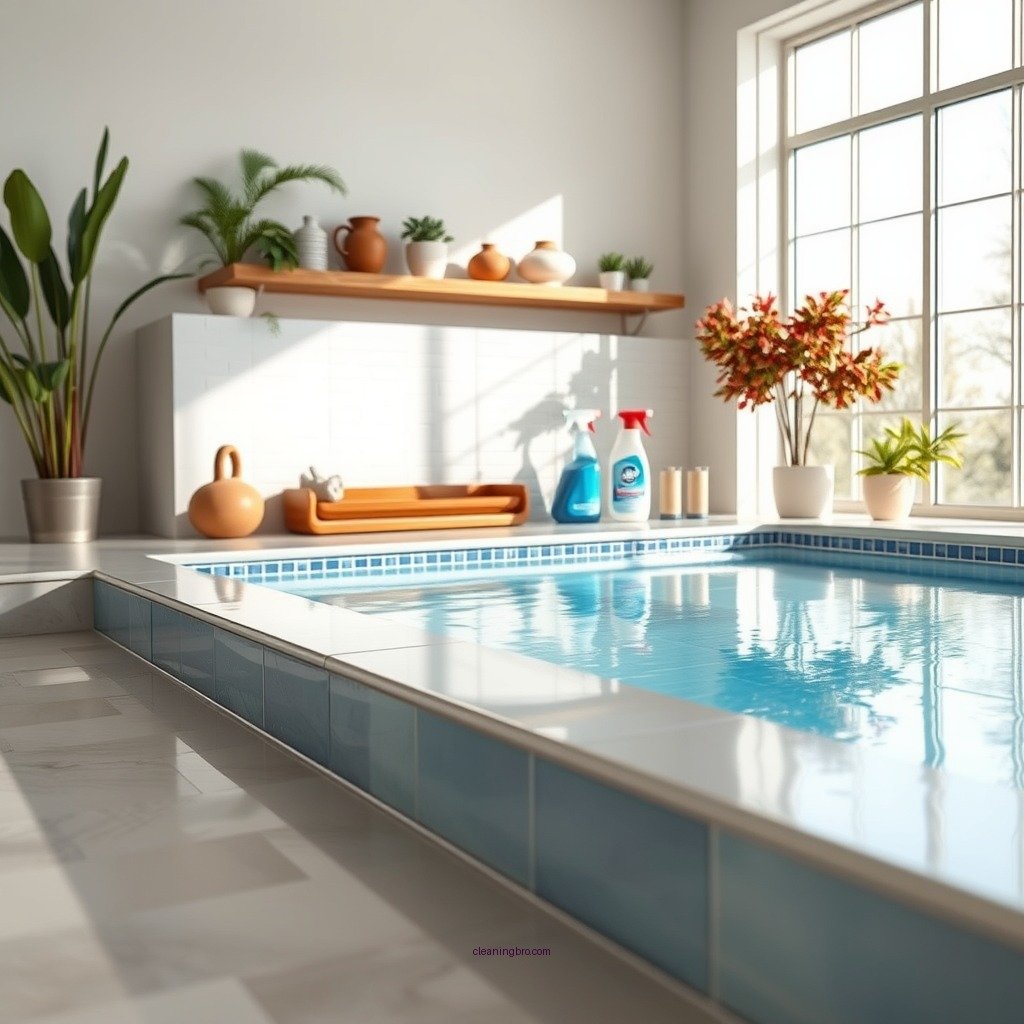
Cleaning calcium deposits from pool tile is essential for maintaining a pristine swimming environment. To remove these stubborn stains, you can utilize a combination of natural remedies and commercial products. This guide will walk you through the best methods and tips for effectively cleaning your pool tiles, ensuring your swimming area remains inviting and hygienic.
Understanding Calcium Deposits
Calcium deposits, often referred to as limescale, typically form as a result of hard water, which contains high levels of calcium and magnesium. When the water evaporates from the pool, these minerals are left behind, creating unsightly stains on the tile surfaces. Over time, if not addressed, these deposits can lead to long-term damage, including etching of the tile and impairment of filtration systems. Understanding the nature of these deposits is crucial for selecting the right cleaning approach, as different tiles may react differently to various cleaning agents.
Natural Cleaning Solutions
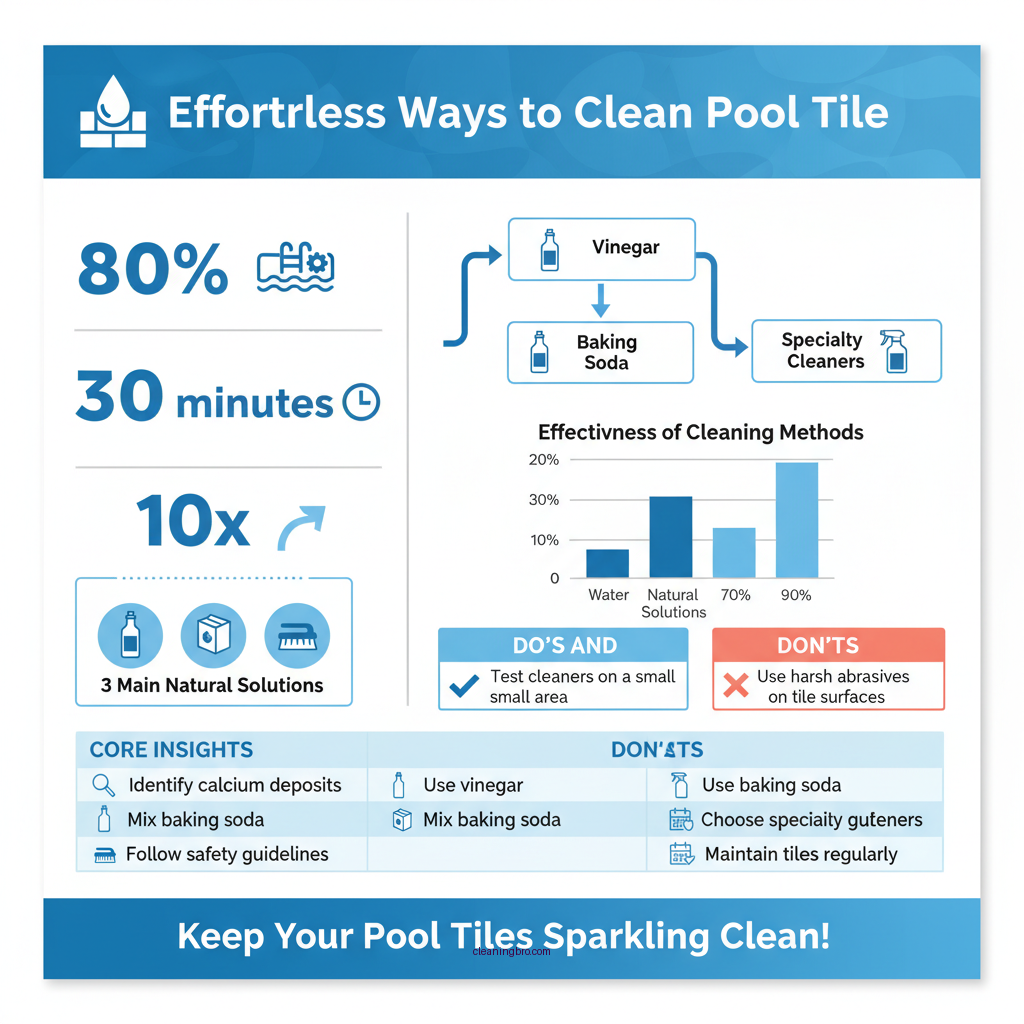
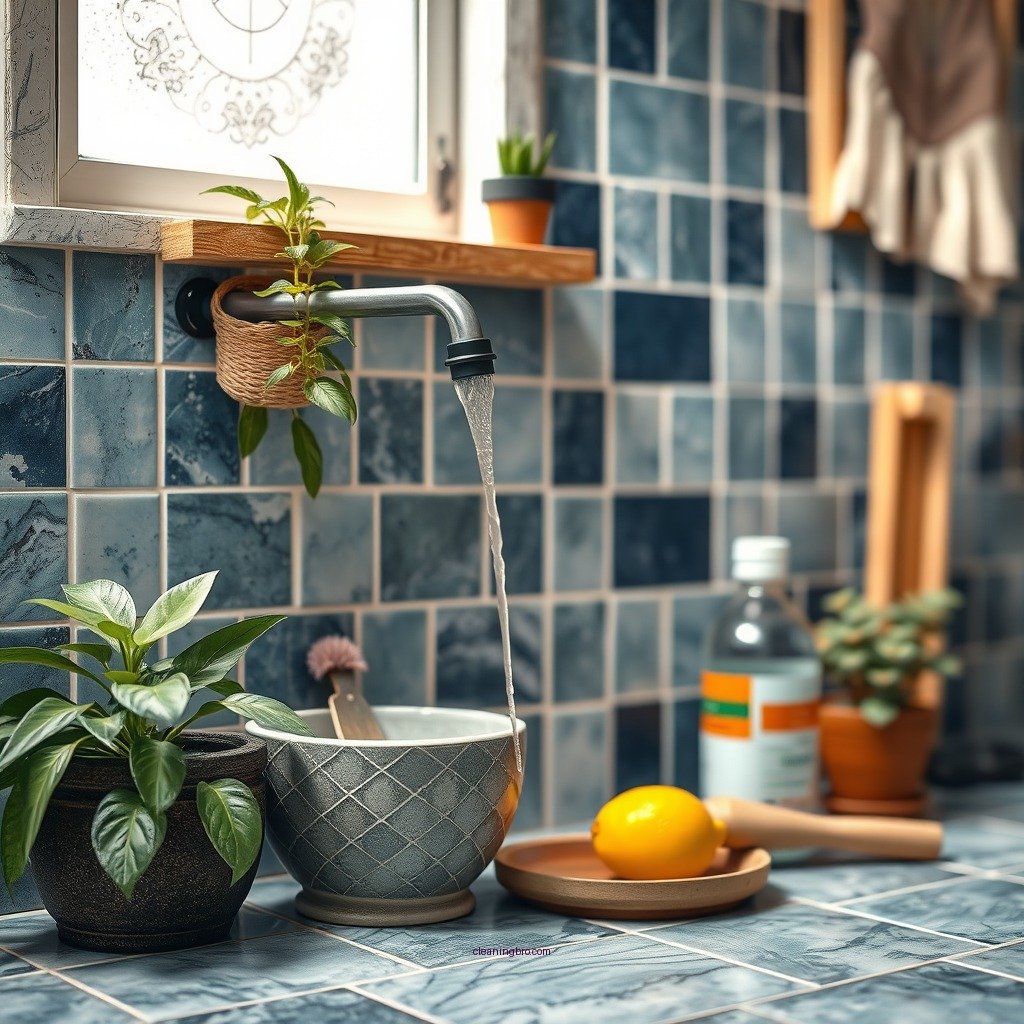
For those who prefer eco-friendly cleaning methods, several natural remedies can effectively combat calcium buildup.
– Vinegar: This common household item is a powerful acid that can dissolve calcium deposits when applied directly. Simply soak a cloth in vinegar and wrap it around the affected area or pour vinegar directly onto the deposits. Allow it to sit for about 30 minutes before scrubbing.
– Baking Soda: Known for its gentle abrasive properties, baking soda can be mixed with water to create a paste. Apply the paste to the stained areas and scrub gently with a cloth or sponge. This method is particularly effective for light to moderate stains and is safe for most tile types.
Commercial Cleaning Products
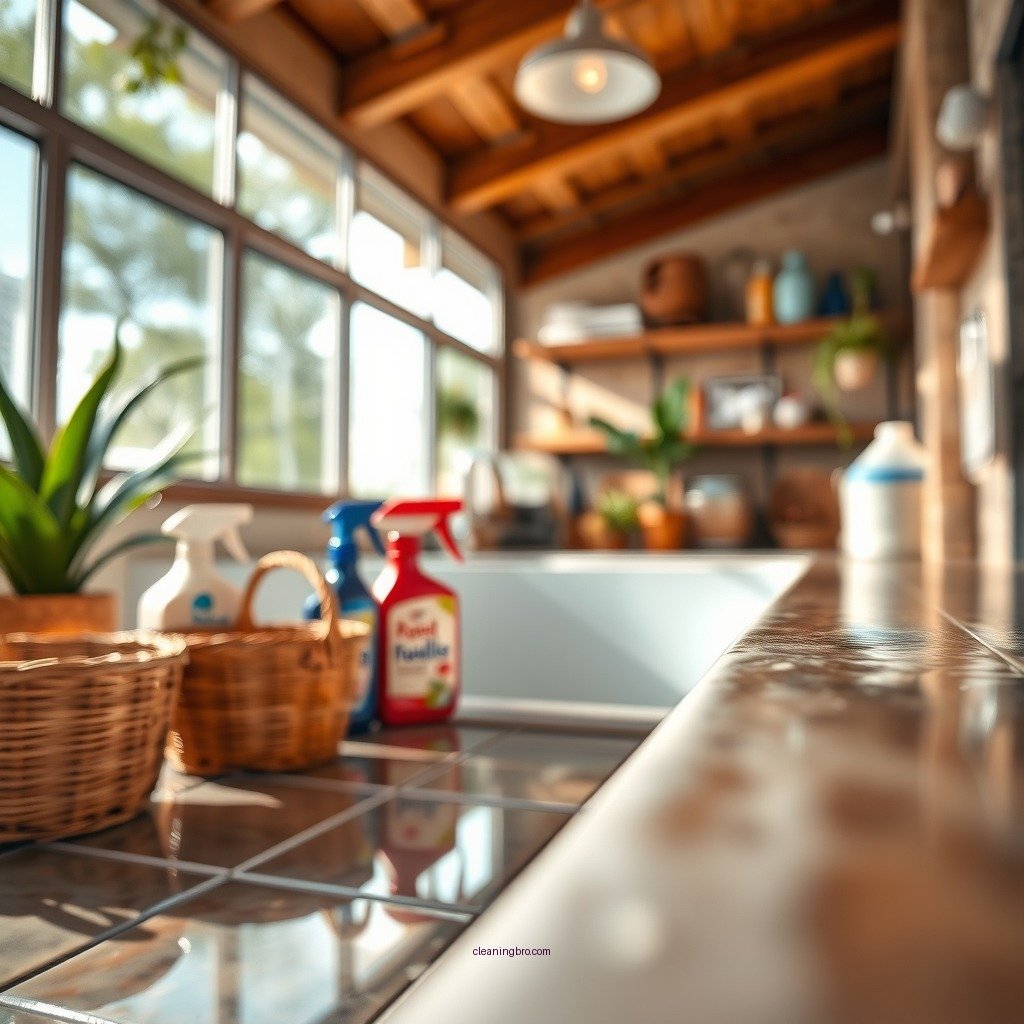
If natural solutions fall short, several commercial products are available that are specifically formulated to tackle calcium deposits.
– Specialty Tile Cleaners: Look for products that are designed specifically for pool tiles. These cleaners often contain chemicals that are effective against mineral buildup without damaging the tile. Always read labels to ensure compatibility with your tile material.
– Acidic Cleaners: Some products contain stronger acids, such as muriatic acid. While these can be effective, it’s crucial to approach their use with caution. Ensure that the product is safe for your tile type and follow the manufacturer’s instructions closely to avoid damage.
Tools and Equipment Needed
Proper tools can make the cleaning process more efficient and effective. Here’s a list of what you will need:
– Scrub Brushes: Opt for a non-abrasive scrub brush to avoid scratching or damaging the tiles. Brushes with soft bristles are ideal for sensitive surfaces.
– Gloves: Protect your hands from harsh chemicals and prevent skin irritation by wearing rubber gloves during the cleaning process.
– Buckets and Spray Bottles: Use buckets for mixing cleaning solutions and spray bottles for easy application of liquids.
Step-by-Step Cleaning Process
To ensure thorough cleaning of calcium deposits, follow these steps:
1. Apply Your Chosen Cleaning Solution: Whether using vinegar, baking soda, or a commercial cleaner, apply the solution directly to the affected areas.
2. Allow It to Sit: Let the solution sit for the recommended time, typically between 15 to 30 minutes, to allow it to penetrate and break down the deposits.
3. Scrub Gently: Using your scrub brush, gently scrub the area to remove the deposits. Avoid using excessive force, which can scratch the tile surface.
4. Rinse Thoroughly: After scrubbing, rinse the area with clean water to remove any residue from the cleaning solution. This step is crucial to prevent any potential damage or discoloration.
Preventative Measures
To minimize the formation of calcium deposits in the future, consider these preventative measures:
– Regular Maintenance: Schedule periodic cleaning of your pool tiles, ideally every few weeks. Regular maintenance helps prevent the buildup of minerals and keeps your pool looking fresh.
– Water Balance: Maintaining proper pH and hardness levels in your pool water is essential. Test your water regularly and adjust chemical levels as needed to minimize the occurrence of calcium deposits.
When to Seek Professional Help
In some cases, the stains may persist despite your best efforts. Here are scenarios where professional assistance may be necessary:
– Persistent Stains: If calcium deposits remain stubbornly after cleaning attempts, it may indicate a deeper issue or the need for specialized cleaning techniques.
– Tile Damage: If you notice signs of damage, such as cracks or chips in the tiles, consult with a professional before attempting further cleaning. They can assess the situation and recommend appropriate repairs or cleaning methods.
By following these steps, you can effectively clean calcium deposits from your pool tile and maintain a sparkling clean swimming environment. Regular upkeep and preventative measures will keep your pool looking its best. Take action today and enjoy a clearer, more inviting pool!
Top Cleaning Solutions for Calcium Deposits (2024)
| # | Product | Effectiveness | Eco-Friendly | User Rating |
|---|---|---|---|---|
| 1 | Clorox Pool & Spa Tile Cleaner | High | No | ★★★★☆ |
| 2 | Aqua Mix Heavy Duty Tile Cleaner | Very High | Yes | ★★★★★ |
| 3 | Bio Clean Hard Water Stain Remover | Moderate | Yes | ★★★★☆ |
| 4 | Wet & Forget Outdoor Cleaner | High | Yes | ★★★★☆ |
| 5 | Kokido Pool Tile Cleaner | Moderate | No | ★★★☆☆ |
| 6 | Zodiac Pool Systems Tile Cleaner | High | No | ★★★★☆ |
| 7 | Easy Off Oven Cleaner | Very Low | No | ★★☆☆☆ |
Effectiveness of Popular Calcium Deposit Cleaners
Top 3 Calcium Deposit Cleaners: A Comparison
| Feature | ⭐ Aqua Mix Heavy Duty | Clorox Pool & Spa | Bio Clean Hard Water |
|---|---|---|---|
| Price | $15.99 | $9.99 | $12.99 |
| Eco-Friendly | Yes | No | Yes |
| Effectiveness | Very High | High | Moderate |
| User Rating | ★★★★★ | ★★★★☆ | ★★★★☆ |
| Availability | Widely available | Widely available | Online only |
| Container Size | 32 oz | 32 oz | 24 oz |
| Multi-Surface Use | ✅ | ✅ | ✅ |
| Non-Toxic | ✅ | ❌ | ✅ |
| Recommended By Professionals | ✅ | ✅ | ❌ |
| 🏆 Best For | Heavy calcium deposits | All-around cleaning | Eco-friendly option |
In conclusion, effectively cleaning calcium deposits from pool tiles requires an understanding of the causes, the right cleaning solutions, and the proper tools. By utilizing both natural and commercial products, along with regular maintenance and preventative measures, you can keep your pool tiles looking immaculate. If problems persist, don’t hesitate to seek professional assistance to restore your pool to its former glory. A clean pool not only enhances the aesthetic appeal but also ensures a more enjoyable swimming experience.
Frequently Asked Questions
What are the best methods to clean calcium deposits from pool tile?
The best methods to clean calcium deposits from pool tile include using a mixture of vinegar and water, applying a commercial calcium remover, or using a pumice stone. Vinegar is effective for light deposits, while commercial products are designed for tougher buildup. Always follow the manufacturer’s instructions when using chemical cleaners to ensure safety and effectiveness.
How can I prevent calcium deposits from forming on my pool tile?
To prevent calcium deposits from forming on your pool tile, maintain balanced water chemistry by regularly testing pH and alkalinity levels. Additionally, consider using a water softener if you have hard water and ensure proper circulation and filtration to reduce mineral buildup.
Why do calcium deposits form on pool tile?
Calcium deposits form on pool tile due to a combination of high calcium levels in the water and improper pH balance. When the water is overly saturated with calcium, it can lead to scaling as the minerals precipitate out of the water and settle on surfaces, including tiles.
Which tools are effective for removing calcium deposits from pool tile surfaces?
Effective tools for removing calcium deposits from pool tile surfaces include a pumice stone, a scrub brush with stiff bristles, and a pressure washer for larger areas. For stubborn deposits, consider using a tile cleaning brush designed specifically for pool maintenance, which can help agitate and lift the buildup without damaging the tile.
How often should I clean calcium deposits from my pool tile?
You should clean calcium deposits from your pool tile at least once a season, or more frequently if you notice buildup. Regular maintenance, such as brushing the tile during each pool cleaning, can help prevent heavy deposits from forming and make the cleaning process easier and more effective.
References
- https://www.poolandspatips.com/how-to-remove-calcium-deposits-from-pool-tile
https://www.poolandspatips.com/how-to-remove-calcium-deposits-from-pool-tile - https://www.sciencedirect.com/topics/earth-and-planetary-sciences/calcium-carbonate
https://www.sciencedirect.com/topics/earth-and-planetary-sciences/calcium-carbonate - https://www.pubs.acs.org/doi/abs/10.1021/es0018420
https://www.pubs.acs.org/doi/abs/10.1021/es0018420 - https://www.bbc.com/news/magazine-37996807
https://www.bbc.com/news/magazine-37996807 - https://www.nytimes.com/2020/06/09/realestate/pool-maintenance.html
https://www.nytimes.com/2020/06/09/realestate/pool-maintenance.html - Google Scholar Google Scholar
https://scholar.google.com/scholar?q=how+to+clean+calcium+deposits+from+pool+tile - Google Scholar Google Scholar
https://scholar.google.com/scholar?q=calcium+deposits+pool+cleaning - Google Scholar Google Scholar
https://scholar.google.com/scholar?q=removing+calcium+carbonate+from+tiles - How To Clean Club Aluminum Cookware
https://www.hunker.com/13421052/how-to-remove-calcium-deposits-from-pool-tiles - how to clean calcium deposits from pool tile – Search results
https://en.wikipedia.org/wiki/Special:Search?search=how+to+clean+calcium+deposits+from+pool+tile