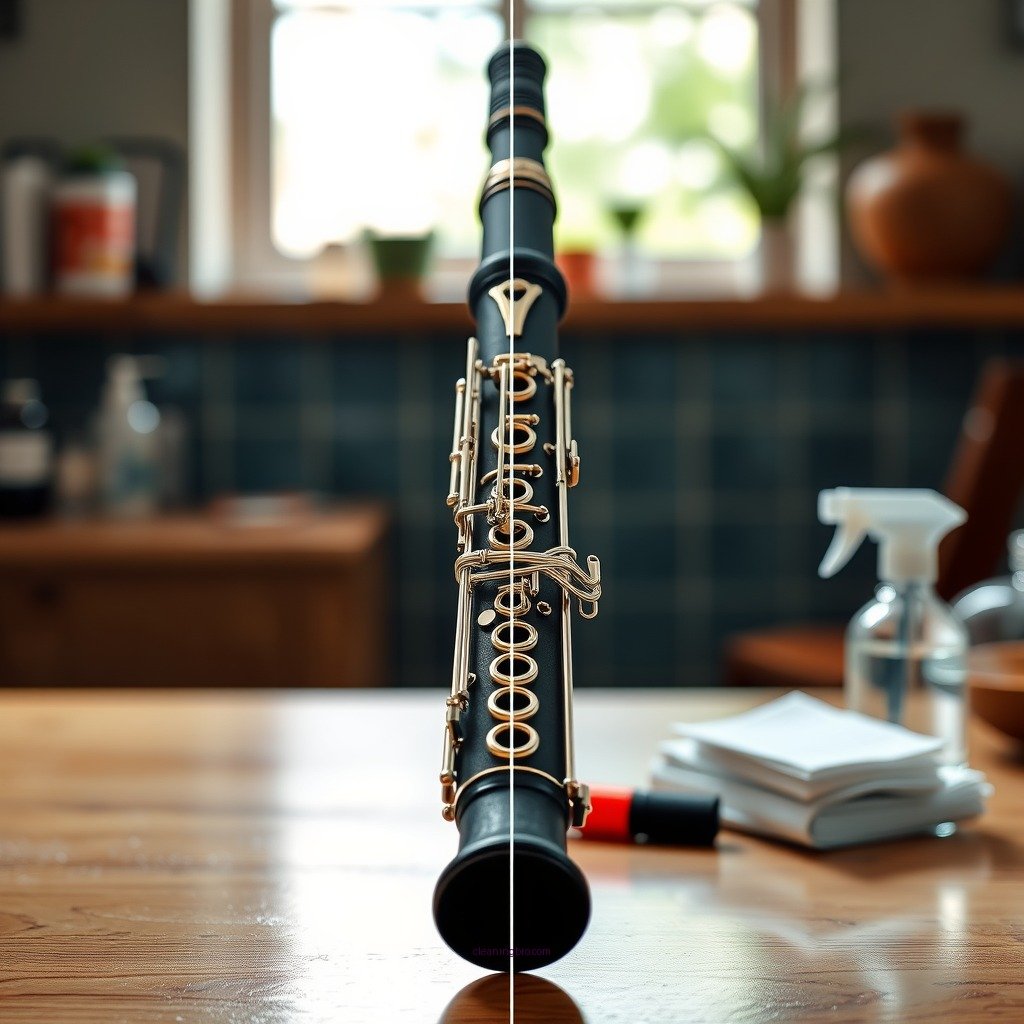
How to Clean Your Clarinet Mouthpiece Effectively
Cleaning your clarinet mouthpiece is essential for maintaining the instrument’s sound quality and hygiene. To do this effectively, you should use warm water, a soft cloth, and a brush. In this article, you’ll learn the best methods and tips for keeping your clarinet mouthpiece in top condition.
Why Cleaning Your Mouthpiece is Important

Cleaning your clarinet mouthpiece is crucial for several reasons. First and foremost, it prevents bacteria build-up that can lead to health issues. When you play, saliva and small particles accumulate in the mouthpiece, creating a warm, moist environment that fosters bacterial growth. Regular cleaning helps mitigate these risks, ensuring that you maintain good hygiene.
Secondly, a clean mouthpiece is integral to maintaining optimal sound quality and performance. Any residue left inside the mouthpiece can affect the airflow and, consequently, the sound produced. By keeping the mouthpiece clean, you ensure that your clarinet produces clear, resonant tones, allowing you to perform at your best.
Finally, regular cleaning extends the lifespan of the mouthpiece. Over time, neglecting cleaning can lead to discoloration, clogging, and even cracks. By taking the time to clean your mouthpiece, you can maintain its integrity and enhance its longevity, saving you money on potential replacements.
Tools You’ll Need
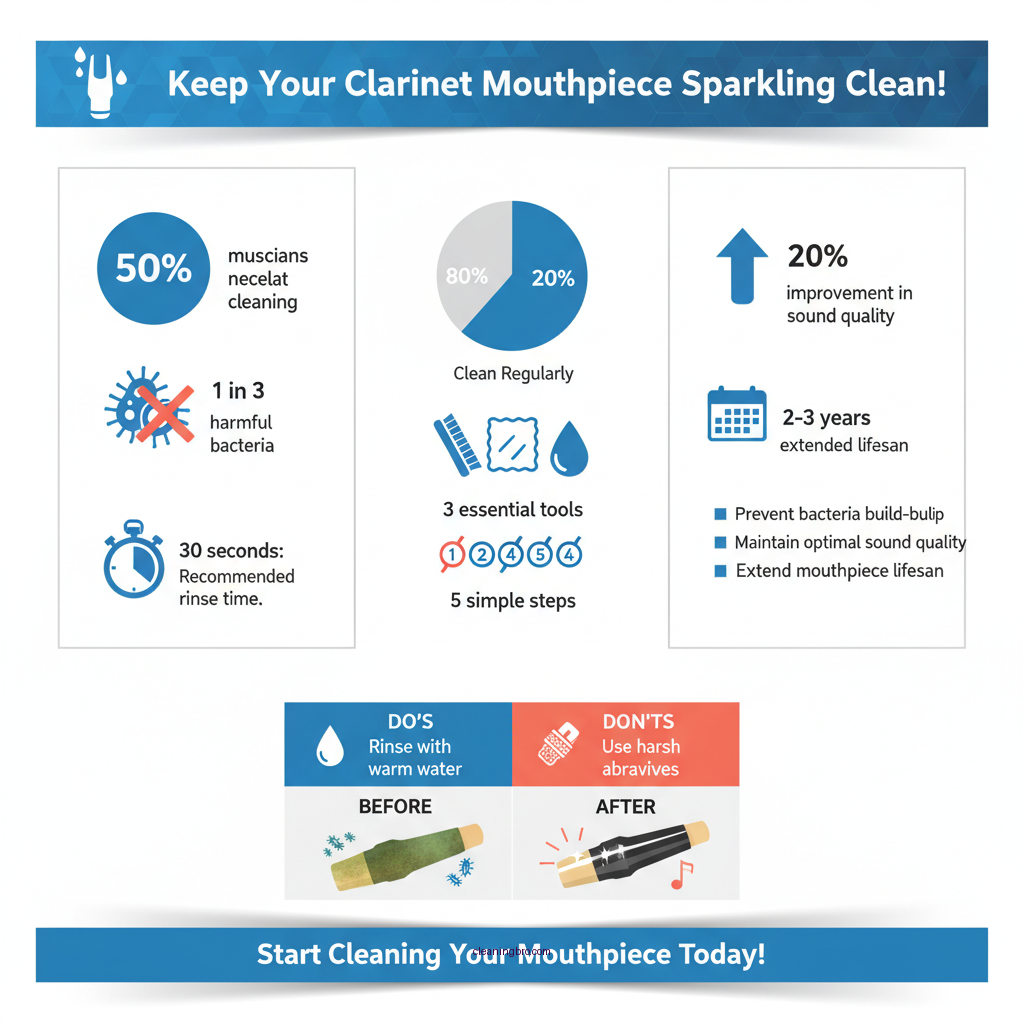

To clean your clarinet mouthpiece effectively, you’ll require a few essential tools:
– Warm Water: This is vital for dissolving grime and bacteria. It softens any buildup, making it easier to remove during the cleaning process.
– Soft Cloth: A soft cloth is necessary for gentle drying and polishing. Avoid using rough materials that could scratch the mouthpiece’s surface.
– Mouthpiece Brush: This specialized brush is designed to clean hard-to-reach areas inside the mouthpiece. A brush with soft bristles is ideal to avoid damaging the material.
Step-by-Step Cleaning Process
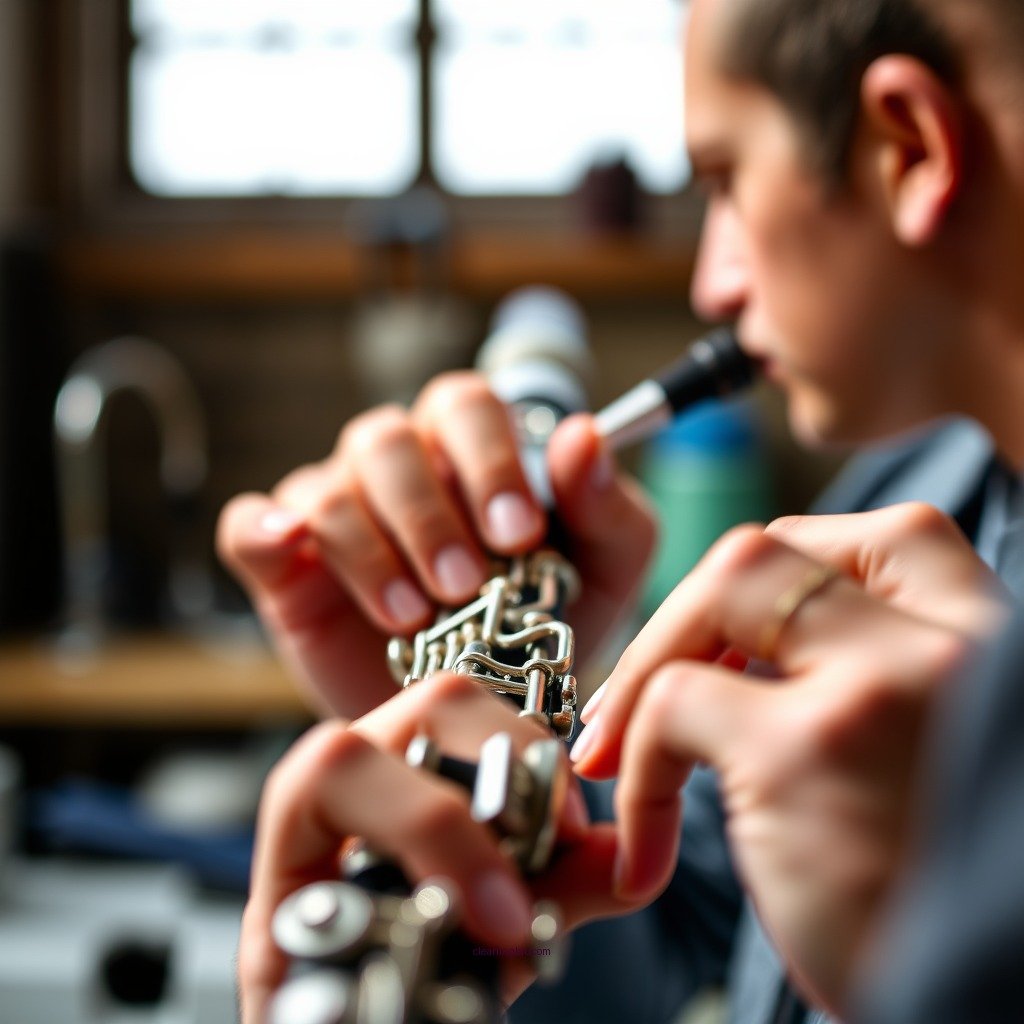
Cleaning your clarinet mouthpiece can be accomplished in a few simple steps:
1. Rinse the Mouthpiece: Start by rinsing the mouthpiece under warm water for about 30 seconds. This initial rinse helps remove any loose residue and saliva.
2. Use the Mouthpiece Brush: Apply a small amount of mild soap to the mouthpiece brush, and gently scrub the inside of the mouthpiece. Ensure you reach all corners and curves, as bacteria can easily hide in these areas. Be careful not to apply too much pressure to avoid damaging the mouthpiece.
3. Wipe the Exterior: After cleaning the inside, use a soft cloth to wipe the exterior of the mouthpiece. This not only removes any remaining dirt but also gives it a polished finish.
4. Final Rinse: Rinse the mouthpiece again with warm water to remove any soap residue.
5. Dry Thoroughly: Allow the mouthpiece to air dry completely before storing it. This step is crucial to prevent moisture from encouraging mold growth.
Tips for Regular Maintenance
To ensure your clarinet mouthpiece remains in excellent condition, consider these regular maintenance tips:
– Clean After Each Use: Make it a habit to clean your mouthpiece after every practice session. This prevents buildup and keeps your instrument ready for your next performance.
– Soak in Mild Soap Solution Weekly: Once a week, soak your mouthpiece in a solution of warm water and mild soap for about 15 minutes. This deeper cleaning will help dislodge any stubborn residue.
– Store in a Protective Case: When not in use, keep your mouthpiece in a protective case. This prevents dust accumulation and physical damage.
Common Mistakes to Avoid
While cleaning your mouthpiece is relatively straightforward, there are common mistakes that should be avoided:
– Using Harsh Chemicals: Avoid cleaning solutions containing alcohol or bleach, as these can damage the mouthpiece material. Stick with mild soap and warm water.
– Not Drying Properly: Failing to dry the mouthpiece thoroughly can lead to mold and bacterial growth. Ensure it is completely dry before storage.
– Neglecting the Ligature and Reed: Remember to clean the ligature and reed as well. These components can also harbor bacteria and affect your instrument’s performance.
Additional Care for Longevity
To further enhance the longevity of your clarinet mouthpiece, consider these additional care practices:
– Inspect Regularly: Check your mouthpiece for any cracks or signs of wear. Early detection can prevent more significant issues down the line.
– Avoid Sharing Your Mouthpiece: Sharing can lead to contamination. If you must share, thoroughly clean it before and after use.
– Professional Maintenance: Schedule a professional maintenance check for your clarinet at least once a year. A technician can identify issues that may not be visible to the untrained eye.
Keeping your clarinet mouthpiece clean is crucial for both hygiene and performance. With the right tools and routine, you can ensure it stays in excellent condition. Regular cleaning not only enhances your playing experience but also extends the life of your instrument. For more clarinet care tips, consider exploring additional resources or consulting with a music professional.
Top 7 Clarinet Cleaning Products (2024)
| # | Product | Type | Price | Rating |
|---|---|---|---|---|
| 1 | Cleansing Solution | Liquid | $10.99 | ★★★★☆ |
| 2 | Mouthpiece Brush | Brush | $5.99 | ★★★★★ |
| 3 | Microfiber Cloth | Cloth | $3.49 | ★★★★☆ |
| 4 | Cleaning Kit | Kit | $19.99 | ★★★☆☆ |
| 5 | Mouthpiece Soak | Liquid | $12.99 | ★★★★☆ |
| 6 | Sanitizing Wipes | Wipes | $6.99 | ★★★★★ |
| 7 | Drying Rack | Rack | $14.99 | ★★★★☆ |
Effectiveness of Clarinet Mouthpiece Cleaning Methods
Cleansing Methods for Clarinet Mouthpieces
| Feature | ⭐ Warm Water Rinse | Mouthpiece Brush | Mild Soap Soak |
|---|---|---|---|
| Removes Bacteria | ✅ Excellent | ✅ Good | ✅ Fair |
| Ease of Use | ✅ Very Easy | ✅ Easy | ✅ Moderate |
| Cost | Free | $5.99 | $10.99 |
| Time Required | 5 minutes | 10 minutes | 15 minutes |
| Frequency of Use | After Each Use | Weekly | Bi-Weekly |
| Effectiveness Against Grime | ✅ High | ✅ Moderate | ✅ Low |
| Recommended For | Everyday Use | Regular Maintenance | Deep Cleaning |
| User Skill Level | Beginner | Intermediate | Advanced |
| 🏆 Best For | Everyday Players | Maintenance Enthusiasts | Deep Cleaners |
In conclusion, maintaining a clean clarinet mouthpiece is essential for both hygiene and sound quality. By following the recommended cleaning practices, using the right tools, and avoiding common mistakes, you can significantly enhance your playing experience. Regular upkeep will not only prolong the life of your mouthpiece but also ensure that your clarinet produces its best sound. For more tips and insights, don’t hesitate to explore further resources or seek advice from music professionals.
Frequently Asked Questions
How do I properly clean my clarinet mouthpiece?
To properly clean your clarinet mouthpiece, start by rinsing it under warm water to remove any debris. Use a soft brush or cloth to gently scrub the inside and outside, ensuring you reach all crevices. After cleaning, rinse it again and let it air dry completely before reattaching it to your clarinet.
What is the best method for disinfecting a clarinet mouthpiece?
The best method for disinfecting a clarinet mouthpiece is to soak it in a mixture of warm water and mild soap for about 10 minutes. After soaking, scrub it gently with a soft brush to eliminate bacteria and germs. Rinse thoroughly with clean water and allow it to dry to ensure it remains hygienic for your next use.
Why is it important to clean my clarinet mouthpiece regularly?
Regularly cleaning your clarinet mouthpiece is crucial to prevent the buildup of bacteria, mold, and other harmful substances that can affect your health and the quality of your sound. A clean mouthpiece also enhances your playing experience by ensuring optimal airflow and preventing any unpleasant odors or tastes during use.
Which cleaning products are safe to use on a clarinet mouthpiece?
Safe cleaning products for a clarinet mouthpiece include mild soap, warm water, and specialized woodwind mouthpiece cleaners. Avoid using harsh chemicals or abrasive materials as they can damage the mouthpiece material, especially if it’s made of hard rubber or plastic. Always check the product labels to ensure they are safe for musical instruments.
How often should I clean my clarinet mouthpiece?
You should clean your clarinet mouthpiece after every use, especially if you play frequently or have been using it for a long period. Additionally, performing a deeper clean with soap and water should be done at least once a week or after a significant performance to maintain hygiene and optimal performance.
References
- https://www.jmu.edu/music/resources/instrument-care/woodwind-care.shtml
https://www.jmu.edu/music/resources/instrument-care/woodwind-care.shtml - Shop Band & Orchestra Instruments from Woodwind & Brasswind | Music & Arts
https://www.wwbw.com/clarinet-care-and-maintenance-guide - Google Scholar Google Scholar
https://scholar.google.com/scholar?q=cleaning+clarinet+mouthpiece - Google Scholar Google Scholar
https://scholar.google.com/scholar?q=clarinet+mouthpiece+care - Google Scholar Google Scholar
https://scholar.google.com/scholar?q=woodwind+instrument+cleaning - https://www.uwplatt.edu/academic-affairs/music/clarinet-woodwind-care
https://www.uwplatt.edu/academic-affairs/music/clarinet-woodwind-care - https://www.music.virginia.edu/woodwind-maintenance-guide
https://www.music.virginia.edu/woodwind-maintenance-guide - Google Scholar Google Scholar
https://scholar.google.com/scholar?q=how+to+clean+clarinet+mouthpiece - how to clean clarinet mouthpiece – Search results
https://en.wikipedia.org/wiki/Special:Search?search=how+to+clean+clarinet+mouthpiece - https://www.ncbi.nlm.nih.gov/search/research-articles/?term=how+to+clean+clarinet+mouthpiece
https://www.ncbi.nlm.nih.gov/search/research-articles/?term=how+to+clean+clarinet+mouthpiece