
How to Clean a Diesel Spill: Step-by-Step Guide
Cleaning a diesel spill quickly and effectively is essential to minimize environmental impact and ensure safety. This guide will provide you with best practices and techniques for properly cleaning up a diesel spill, including necessary materials and vital safety precautions. Understanding the nature of diesel spills and adopting a systematic approach can mitigate risks and preserve the environment.
Understanding Diesel Spills
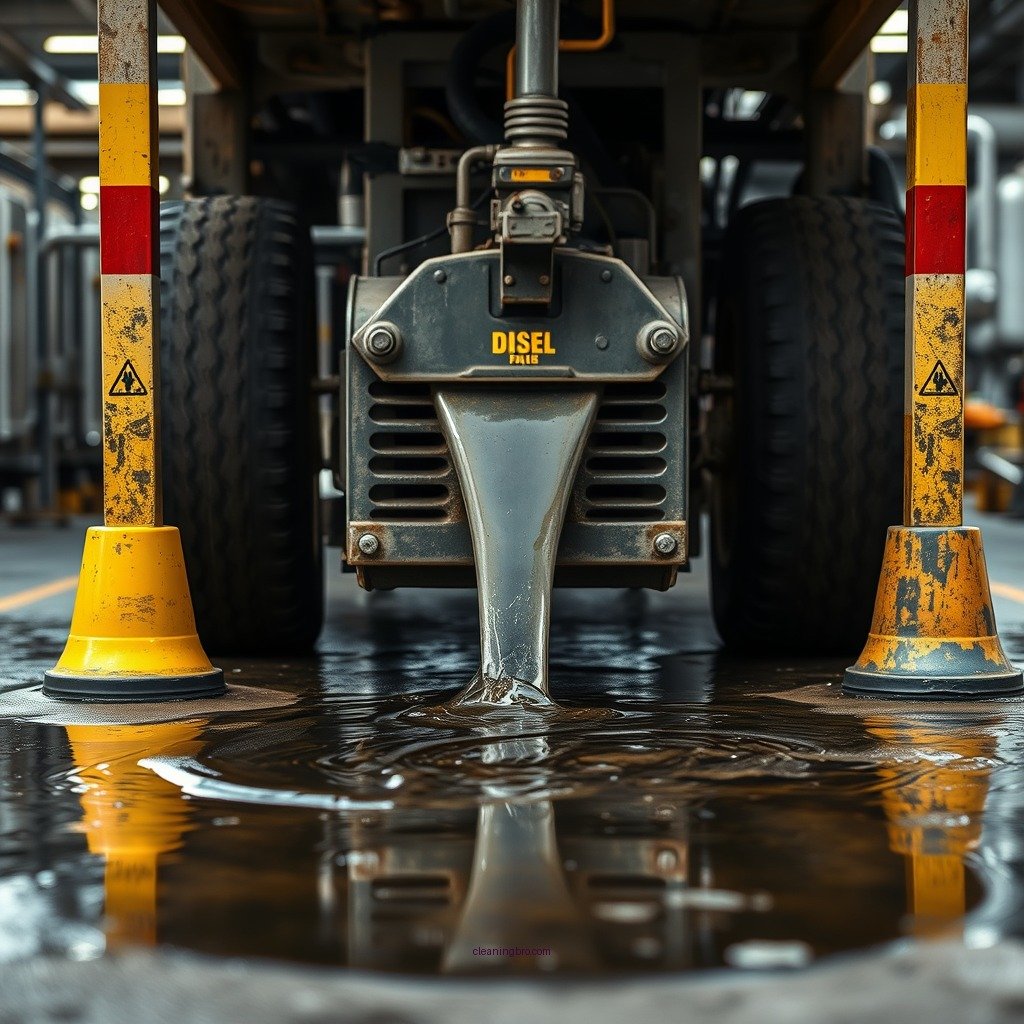
Diesel spills can occur from various sources, including leaks from fuel storage tanks, accidents during transport, or equipment failures at construction and industrial sites. These spills not only pose immediate safety hazards but can also lead to significant long-term environmental consequences. Diesel fuel is composed of hydrocarbons, and when it contaminates soil and water, it can harm local ecosystems, disrupt aquatic life, and pose health risks to humans and animals.
The impact on the environment can be significant, contaminating soil and water. Diesel spills can seep into groundwater, leading to prolonged contamination and requiring extensive remediation efforts. The volatile organic compounds (VOCs) in diesel can evaporate into the air, contributing to air pollution. Therefore, understanding the implications of a diesel spill is crucial for effective cleanup and prevention measures.
Safety Precautions
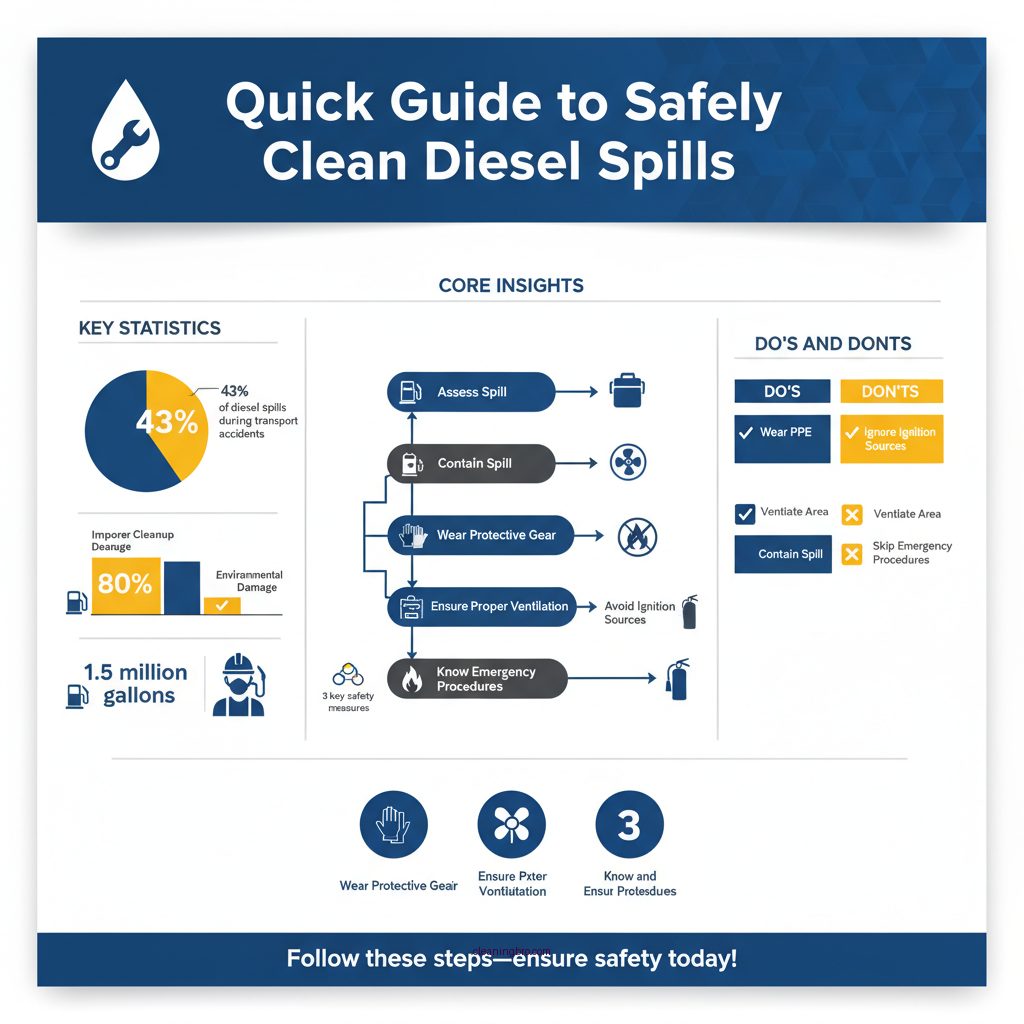

Safety should always be the top priority when dealing with a diesel spill. Here are some essential safety precautions to follow:
– Protective Gear: Always wear appropriate personal protective equipment (PPE) such as gloves, goggles, and masks to shield yourself from harmful fumes and physical contact with the diesel.
– Ventilation: If the spill occurs in an enclosed area, ensure proper ventilation to avoid inhalation of toxic fumes. Open windows and doors, or use fans to circulate fresh air.
– Emergency Procedures: Familiarize yourself and your team with emergency procedures in case of spills. This includes knowing the location of emergency equipment like fire extinguishers and spill kits.
– Avoid Ignition Sources: Diesel is flammable; hence, keep all ignition sources away from the spill area, including open flames, smoking materials, and electrical sparks.
Immediate Response Actions
The first response to a diesel spill is critical in preventing further damage. Here are the immediate actions to take:
– Contain the Spill: Use absorbent materials such as booms or pads to contain the spill and prevent it from spreading. This step is crucial in managing larger spills efficiently.
– Assess the Spill Size: Evaluate the size and extent of the spill to determine the appropriate cleanup method. Smaller spills may be manageable with absorbent materials, while larger spills may require more comprehensive response strategies.
– Notify Authorities: Depending on the size and location of the spill, it may be required to notify local environmental authorities or spill response teams to manage the situation effectively.
Cleaning Materials Needed
Having the right materials on hand is crucial for efficient cleanup. Here’s a list of essential materials needed:
– Absorbent Materials: Utilize absorbents like sand, clay, or commercial absorbents specifically designed for petroleum products. These materials can soak up the diesel efficiently.
– Cleanup Tools: Equip yourself with a shovel, broom, and disposal bags for collecting and disposing of the contaminated materials.
– Personal Protective Equipment (PPE): Ensure that all responders have access to gloves, goggles, and masks.
– Spill Kits: Consider maintaining spill kits that include absorbents, PPE, and tools for quick response.
Step-by-Step Cleanup Process
Follow these steps to ensure a thorough cleanup of the diesel spill:
1. Contain the Spill: If not already done, use absorbent booms or pads to contain the spill and prevent further spreading.
2. Apply Absorbent Materials: Spread absorbent materials over the affected area to soak up the diesel. Allow the absorbents to sit for the recommended time to maximize absorption.
3. Collect Absorbent Materials: Once the diesel has been absorbed, carefully collect the absorbent materials using a shovel. Place them into sealed disposal bags to prevent leakage.
4. Clean the Surface: After the bulk of the spill has been removed, clean the surface with detergent and water to eliminate any residual diesel. Rinse thoroughly to prevent contamination of nearby areas.
5. Monitor for Residue: After cleanup, monitor the area for any lingering odors or signs of contamination. Repeat cleanup steps if necessary.
Disposal of Contaminated Materials
Proper disposal of contaminated materials is essential to comply with environmental regulations. Here are some guidelines:
– Local Regulations: Always follow local regulations regarding the disposal of hazardous waste. Different jurisdictions may have specific guidelines for disposing of materials contaminated with diesel.
– Professional Services: For larger spills or complex situations, consider contacting a professional waste disposal service experienced in handling hazardous materials. They can ensure compliance with regulations and effective disposal.
– Emergency Protocols: Keep records of the spill and cleanup process, as this information may be required for regulatory reporting.
Preventative Measures for the Future
To avoid future diesel spills, consider implementing the following preventative measures:
– Regular Inspections: Conduct regular inspections of equipment and storage areas to identify potential leaks or vulnerabilities. This proactive approach can prevent spills before they occur.
– Training and Drills: Implement spill response training for staff to ensure preparedness in the event of a diesel spill. Regular drills can help reinforce training and improve response times.
– Upgrade Equipment: Invest in high-quality equipment and storage solutions designed to minimize the risk of spills. Consider using double-walled tanks and leak detection systems.
– Emergency Plans: Develop and maintain a comprehensive spill response plan outlining procedures, responsibilities, and contact information for emergency services.
By following these steps, you can effectively handle a diesel spill and reduce its consequences. If you find yourself facing a significant spill, don’t hesitate to seek professional help to ensure thorough cleanup and compliance with local regulations.
Common Cleanup Materials for Diesel Spills (2024)
| # | Material | Absorption Rate (%) | Cost per Bag ($) | Best Use |
|---|---|---|---|---|
| 1 | Clay Absorbent | 150% | 12 | High Efficiency |
| 2 | Sand | 80% | 5 | Cost-effective |
| 3 | Commercial Absorbents | 120% | 20 | General Use |
| 4 | Oil-Dry | 100% | 15 | Heavy-Duty |
| 5 | Paper Absorbents | 90% | 8 | Quick Cleanup |
| 6 | Socks and Booms | 110% | 30 | Containment |
| 7 | Granular Absorbents | 75% | 10 | Versatile |
Effectiveness of Absorbents for Diesel Spills (%)
Top Absorbents for Diesel Spills: A Comparison
| Feature | ⭐ Clay Absorbent | Commercial Absorbents | Oil-Dry |
|---|---|---|---|
| Absorption Rate | 150% | 120% | 100% |
| Cost per Bag | $12 | $20 | $15 |
| Best Use | High Efficiency | General Use | Heavy-Duty |
| Environmental Impact | Low | Moderate | High |
| Ease of Use | Easy | Moderate | Easy |
| Availability | Widely Available | Available | Widely Available |
| Shelf Life | Long | Medium | Short |
| Price Stability | Stable | Variable | Variable |
| Best For | High-efficiency cleanup | General use applications | Heavy-duty scenarios |
In summary, cleaning a diesel spill requires prompt and effective action to minimize ecological damage and ensure safety. By understanding the nature of diesel, adhering to safety precautions, and following a structured cleanup approach, you can manage spills effectively. Regular training and preventative measures will further help in minimizing risks and protecting our environment. Always seek professional assistance for larger spills to ensure compliance and thorough cleanup.
Frequently Asked Questions
What steps should I take immediately after a diesel spill occurs?
Immediately contain the spill by using absorbent materials like sand, sawdust, or specialized absorbent pads. It’s crucial to block any drainage systems to prevent diesel from entering waterways. Wearing appropriate protective gear, such as gloves and masks, is essential to ensure your safety while cleaning.
How do I effectively clean up a diesel spill on concrete?
To clean diesel spills on concrete, first, absorb as much of the liquid as possible using absorbent materials. Afterward, scrub the affected area with a mixture of warm water and a degreasing detergent to break down the oil. Rinse thoroughly and repeat the process if necessary until all residues are removed.
Why is it important to clean up a diesel spill promptly?
Promptly cleaning up a diesel spill is essential to prevent environmental contamination and reduce health risks associated with inhaling fumes or skin contact. Additionally, quick action can minimize damage to surfaces and prevent slippery conditions that could lead to accidents.
What is the best method for removing diesel from soil?
The best method for removing diesel from soil involves a combination of excavation and bioremediation techniques. You can excavate contaminated soil and replace it with clean soil, or use bioremediation by introducing microorganisms that naturally break down diesel hydrocarbons. It’s often advisable to consult with environmental professionals for extensive spills.
Which products are most effective for cleaning diesel spills?
Effective products for cleaning diesel spills include commercial degreasers, enzyme-based cleaners, and absorbent pads specifically designed for hydrocarbon spills. Look for eco-friendly options that can break down diesel without harming the environment, and always ensure that the product is suitable for the surface you’re treating.
References
- https://en.wikipedia.org/wiki/Oil_spill_cleanup
https://en.wikipedia.org/wiki/Oil_spill_cleanup - https://www.epa.gov/emergency-response/oil-spill-cleanup
https://www.epa.gov/emergency-response/oil-spill-cleanup - https://www.nature.com/articles/s41545-019-0065-5
https://www.nature.com/articles/s41545-019-0065-5 - https://www.cdc.gov/niosh/topics/oilspills/default.html
https://www.cdc.gov/niosh/topics/oilspills/default.html - https://pubmed.ncbi.nlm.nih.gov/26384803/
https://pubmed.ncbi.nlm.nih.gov/26384803/ - https://www.sciencedirect.com/science/article/pii/S095965261400239X
https://www.sciencedirect.com/science/article/pii/S095965261400239X - https://www.bbc.com/news/science-environment-54124130
https://www.bbc.com/news/science-environment-54124130 - Google Scholar Google Scholar
https://scholar.google.com/scholar?q=how+to+clean+diesel+spill - Google Scholar Google Scholar
https://scholar.google.com/scholar?q=diesel+spill+cleanup+methods - Google Scholar Google Scholar
https://scholar.google.com/scholar?q=impact+of+diesel+spills+and+remediation+techniques