How to Clean Drum Skins: Effective Methods and Tips
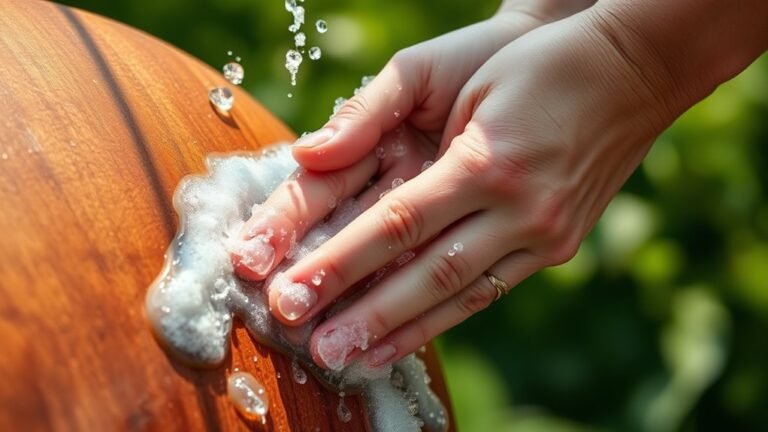
Cleaning drum skins is vital for ensuring their sound quality and durability. To effectively clean your drum skins, utilize a soft cloth and a gentle cleaning solution, and steer clear of harsh chemicals that can compromise the material. This article will provide you with optimal methods for cleaning your drum skins while maintaining their integrity and enhancing your overall drumming experience.
Understanding Drum Skin Materials
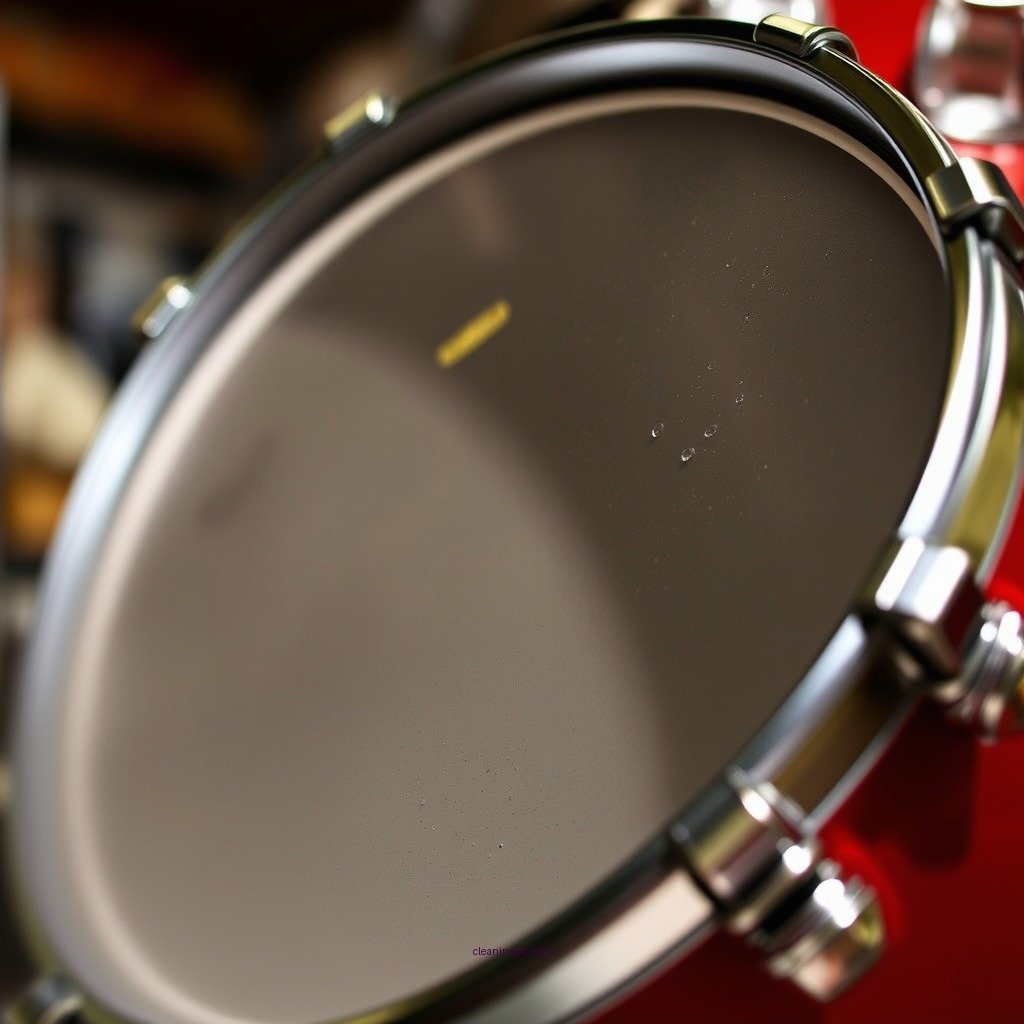
Drum skins, also known as drum heads, come in two primary types: natural and synthetic. Understanding these materials is crucial for selecting the right cleaning method.
Natural drum skins, often made from animal hide, are prized for their warm, resonant tones. However, they are sensitive to moisture and temperature changes, making them susceptible to warping or cracking. When cleaning natural skins, it’s essential to use a damp cloth rather than soaking them, as excess water can lead to irreversible damage.
Synthetic drum skins, typically made of mylar, are more resilient and easier to clean. They are less affected by humidity and temperature changes, but harsh chemicals can still cause discoloration or degradation over time. Therefore, recognizing the unique characteristics of each type of drum skin will help you choose appropriate cleaning products and methods.
Essential Cleaning Supplies
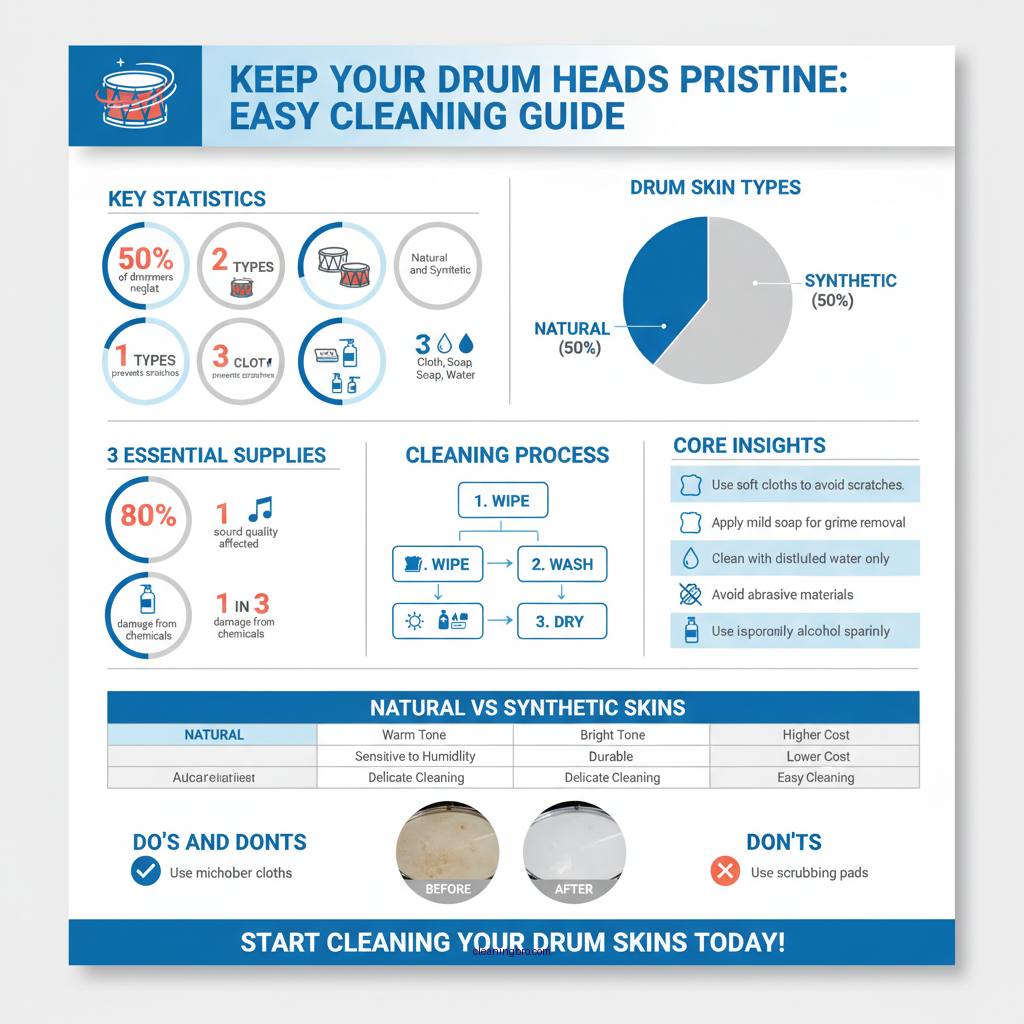
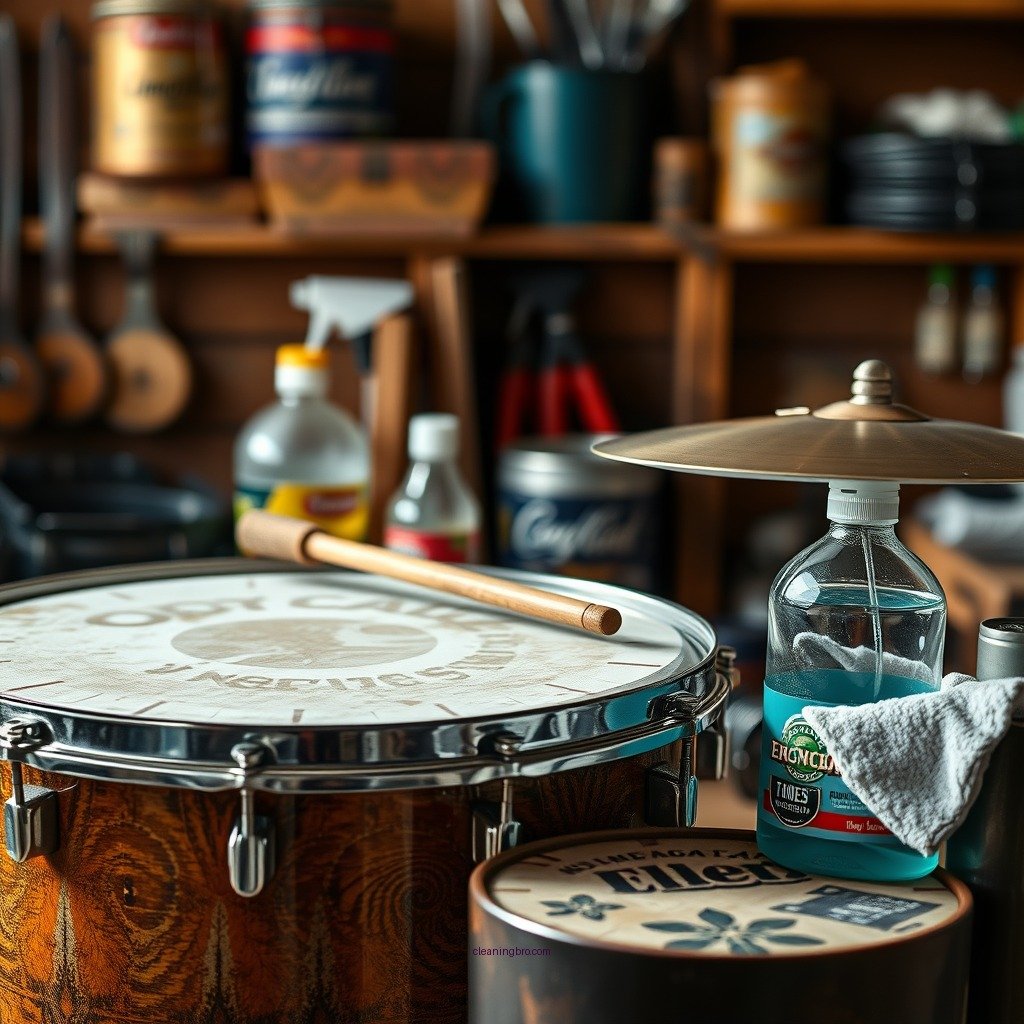
To clean your drum skins effectively, you’ll need the right tools. Here’s a list of recommended cleaning supplies:
– Soft Cloths: Microfiber cloths are ideal for cleaning without scratching the surface.
– Mild Soap: A gentle, non-abrasive soap can help remove grime and residue.
– Water: Use distilled water to avoid mineral buildup, especially on natural skins.
– Isopropyl Alcohol: For stubborn stains, a diluted solution can work wonders, but use it sparingly.
Avoid using abrasive materials like scrubbing pads or harsh chemicals, as these can scratch or damage the delicate surfaces of your drum skins.
Step-by-Step Cleaning Process
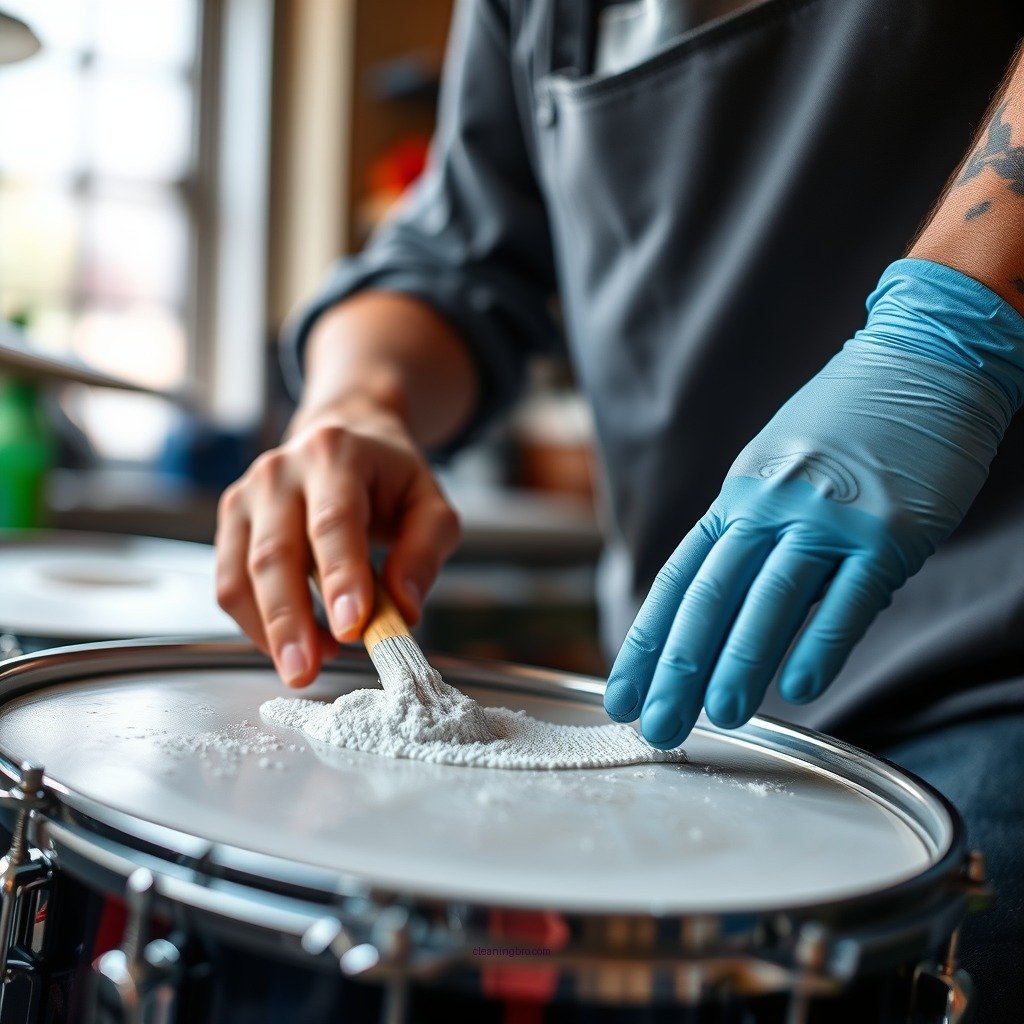
Follow these detailed instructions to clean your drum skins effectively:
1. Remove the Drum Head: If possible, detach the drum head from the drum shell to facilitate thorough cleaning.
2. Dust Off: Use a dry microfiber cloth to gently wipe away dust and debris from the surface.
3. Prepare Cleaning Solution: Mix a few drops of mild soap with distilled water in a bowl.
4. Dampen the Cloth: Soak a microfiber cloth in the cleaning solution, then wring it out so it is damp but not dripping.
5. Clean the Drum Skin: Wipe the drum skin gently in a circular motion. Avoid applying excessive pressure, especially on natural skins.
6. Rinse: Use a separate damp cloth with clean distilled water to remove any soap residue.
7. Dry: Allow the drum skin to air dry completely before reassembling it onto the drum.
For even cleaning, ensure that you cover the entire surface without lingering too long in one area to avoid damaging the skin.
Dealing with Stains and Residue
Stains and residue can be more challenging to remove, but several techniques can help without harming the drum skin:
– Baking Soda Paste: Create a paste using baking soda and water. Apply it to stubborn stains, let it sit for a few minutes, then wipe clean with a damp cloth.
– Vinegar Solution: For organic stains, a mixture of equal parts vinegar and water can be effective. Apply gently and rinse thoroughly afterward.
– Homemade Cleaning Solution: A diluted isopropyl alcohol solution can help with ink or marker stains. Mix one part alcohol with three parts water, and test on a small area first.
These methods are generally safe for both natural and synthetic drum skins, allowing you to maintain their appearance and sound quality.
Regular Maintenance Tips
Establishing a regular maintenance routine is crucial for prolonging the life of your drum skins:
– Wipe After Use: After each drumming session, use a soft cloth to wipe away sweat and oils that can accumulate on the skin.
– Store Properly: Keep your drums in a climate-controlled environment to prevent warping or cracking of the skins.
– Inspect Regularly: Check for any signs of wear, such as cracks or fraying edges, and address these issues promptly.
Cleaning and inspecting your drum skins every few weeks will help prevent buildup and maintain optimal sound quality.Common Mistakes to Avoid
When cleaning drum skins, avoid these common pitfalls:
– Using Harsh Chemicals: Strong cleaners can damage the material and alter the sound.
– Soaking the Skins: Never immerse drum skins in water, especially natural ones, as this can lead to significant damage.
– Neglecting to Dry: Failing to allow the drum skin to dry completely can lead to moisture buildup, fostering mold and damaging the skin.
By being mindful of these mistakes, you can protect your investment and enhance your drumming experience.
When to Replace Drum Skins
While cleaning can extend the life of your drum skins, certain signs indicate that replacement is necessary:
– Visible Damage: Cracks, tears, or significant wear indicate that the drum skin may no longer perform optimally.
– Sound Quality Issues: If you notice a dull sound or a lack of resonance, it may be time to consider new skins.
– Age: If your drum skins are several years old and have been heavily used, replacement might be the best option to maintain sound quality.
When choosing new drum skins, consider factors such as your playing style, preferred sound, and the type of music you play. Brands like Remo and Evans offer a variety of options tailored to different genres.
Top 5 Drum Skin Brands Based on Popularity (2024)
| # | Brand | Popularity Rating | Years Established | Price Range |
|---|---|---|---|---|
| 1 | Remo | ★★★★☆ | 1957 | $30-$70 |
| 2 | Evans | ★★★★☆ | 1956 | $25-$65 |
| 3 | Attack | ★★★☆☆ | 2000 | $20-$50 |
| 4 | Puresound | ★★★☆☆ | 2007 | $40-$80 |
| 5 | Remo Pinstripe | ★★★★☆ | 1980 | $35-$75 |
Durability of Drum Skins Over Time (Estimated Lifespan in Years)
Remo vs Evans vs Attack Drum Skins: A Comprehensive Comparison
| Feature | ⭐ Remo | Evans | Attack |
|---|---|---|---|
| Material | Natural & Synthetic | Synthetic | Synthetic |
| Sound Quality | ✅ Superior | ✅ Excellent | ❌ Good |
| Durability | ✅ Very Durable | ✅ Durable | ❌ Moderately Durable |
| Price | $30-$70 | $25-$65 | $20-$50 |
| Sound Range | Wide | Moderate | Narrow |
| Ease of Use | User-friendly | Moderately User-friendly | Less User-friendly |
| Customization Options | Variety available | Limited options | Few options |
| Resonance | Excellent | Good | Fair |
| Weight | Lightweight | Moderate weight | Heavier |
| 🏆 Best For | Professional drummers | Casual players | Budget-conscious |
Maintaining clean drum skins is crucial for both sound quality and the overall lifespan of your drums. By following the recommended cleaning methods and regular maintenance tips outlined in this article, you can ensure your drum skins remain in top condition. Start implementing these practices today for a better drumming experience!
Frequently Asked Questions
What is the best way to clean drum skins without damaging them?
The best way to clean drum skins is to use a soft, damp cloth or microfiber towel. Gently wipe the surface to remove dust and grime, avoiding any harsh chemicals that could damage the drumhead material. For stubborn spots, a small amount of mild soap mixed with water can be used, but always ensure to dry the skin thoroughly afterwards.
How often should I clean my drum skins to maintain their quality?
It’s recommended to clean your drum skins after every few practice sessions, especially if you play frequently or in dusty environments. Regular cleaning helps maintain the drum’s sound quality and extends the life of the drumheads. Additionally, inspect for any signs of wear or damage during the cleaning process.
Why is it important to clean drum skins regularly?
Cleaning drum skins regularly is important because it prevents the buildup of dirt, oils, and sweat that can affect sound quality and performance. Accumulated debris can lead to unwanted overtones and a dull sound, which can hinder your playing experience. By maintaining clean drumheads, you ensure optimal resonance and longevity.
Which products are safe to use for cleaning drum skins?
Safe products for cleaning drum skins include gentle, non-abrasive soaps and water, as well as specialized drum cleaning solutions available in music stores. Avoid using products with alcohol or ammonia, as they can degrade the drumhead material. Always test any new product on a small area first to ensure it does not cause damage.
How do I remove stubborn stains from my drum skins?
To remove stubborn stains from drum skins, mix a small amount of mild dish soap with warm water and use a soft cloth to gently scrub the affected area. For tougher stains, consider using a dedicated drumhead cleaner, following the manufacturer’s instructions. After cleaning, rinse the area with a damp cloth to remove any soap residue and allow it to air dry completely.
References
- Drumhead
https://en.wikipedia.org/wiki/Drum_skin - https://www.wwu.edu/~dunns/cleaningdrums.html
https://www.wwu.edu/~dunns/cleaningdrums.html - https://www.bbc.com/culture/article/20180604-the-sound-of-drums-from-ancient-greece-to-modern-day
https://www.bbc.com/culture/article/20180604-the-sound-of-drums-from-ancient-greece-to-modern-day - https://www.nature.com/articles/s41598-020-78565-8
https://www.nature.com/articles/s41598-020-78565-8 - https://www.sciencedirect.com/topics/engineering/drum-cleaning
https://www.sciencedirect.com/topics/engineering/drum-cleaning - https://pubmed.ncbi.nlm.nih.gov/29632032/
https://pubmed.ncbi.nlm.nih.gov/29632032/ - https://www.mayoclinic.org/healthy-lifestyle/consumer-health/in-depth/cleaning-your-home/art-20044556
https://www.mayoclinic.org/healthy-lifestyle/consumer-health/in-depth/cleaning-your-home/art-20044556 - Google Scholar Google Scholar
https://scholar.google.com/scholar?q=how+to+clean+drum+skins - Google Scholar Google Scholar
https://scholar.google.com/scholar?q=drum+maintenance+cleaning - Google Scholar Google Scholar
https://scholar.google.com/scholar?q=cleaning+drum+skins+techniques