How to Clean the Inside of Fish Tank Glass
Cleaning the inside of your fish tank glass is essential for maintaining a healthy aquatic environment and ensuring a clear view of your fish. To effectively clean the glass, you’ll need the right tools and techniques that are safe for both your fish and the tank setup. In this article, we’ll guide you through the best practices for achieving spotless glass without disturbing your aquatic life.
Understanding Fish Tank Algae and Build-Up
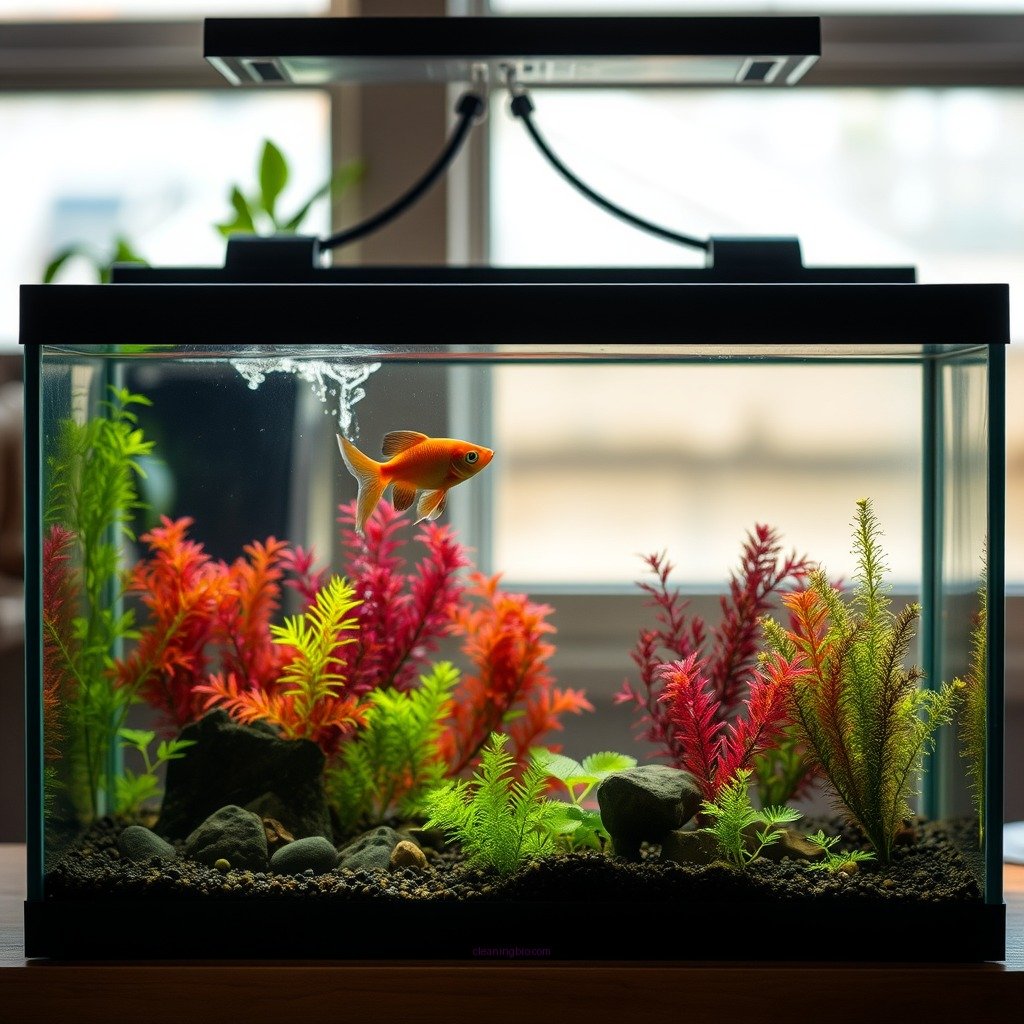
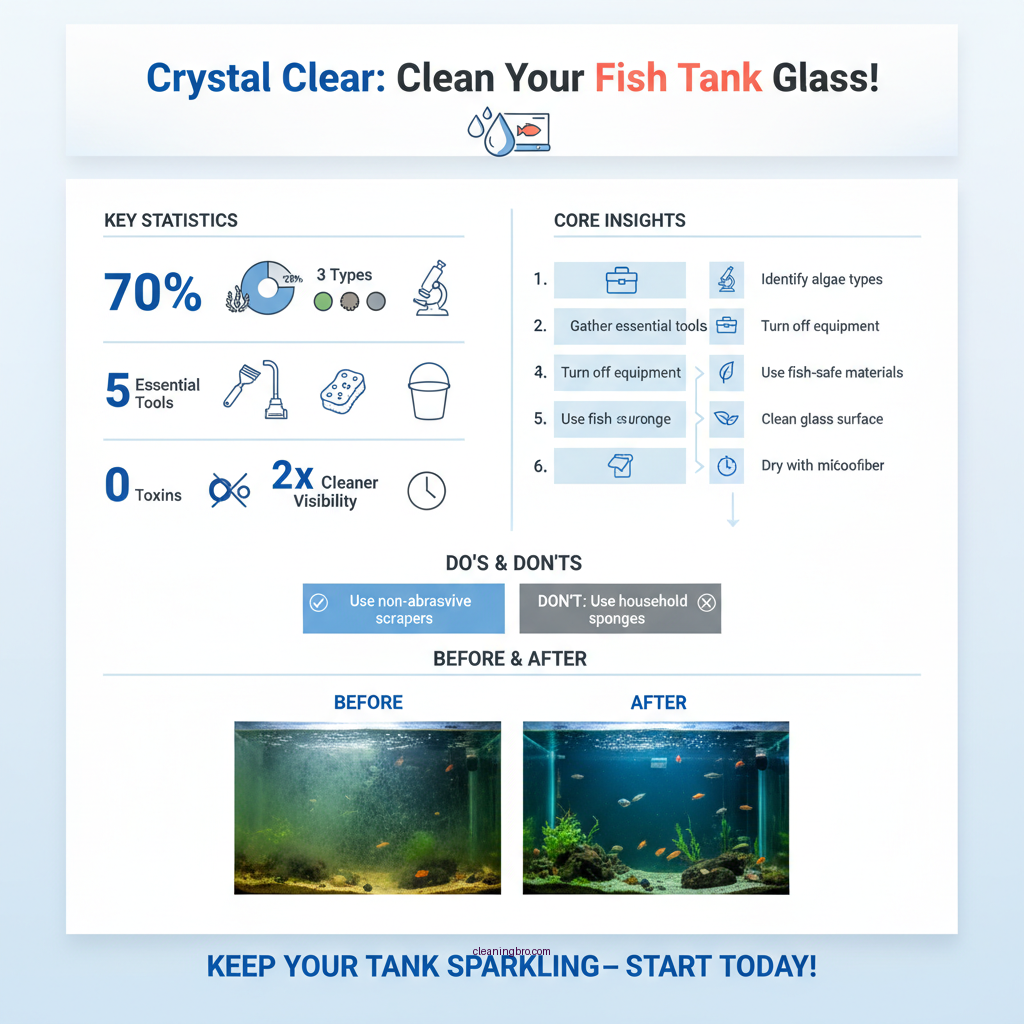
Fish tank algae are a natural occurrence in aquatic environments, but various types can impact the clarity of your tank glass. The most common types include green algae, brown diatoms, and blue-green algae (cyanobacteria). Green algae may create a thin film on the glass, making it difficult to see your fish, while brown diatoms can leave unsightly marks that require scrubbing. Blue-green algae can be particularly problematic as it can rapidly grow and produce toxins harmful to fish.
The build-up on glass surfaces is often caused by several factors, including excess nutrients in the water, inadequate lighting, and poor water circulation. Overfeeding your fish can lead to nutrient surplus, which fuels algae growth. Additionally, insufficient filtration can contribute to stagnant water, allowing algae to flourish. Understanding these factors will help you effectively manage and reduce algae build-up in your fish tank.
Essential Tools for Cleaning Fish Tank Glass
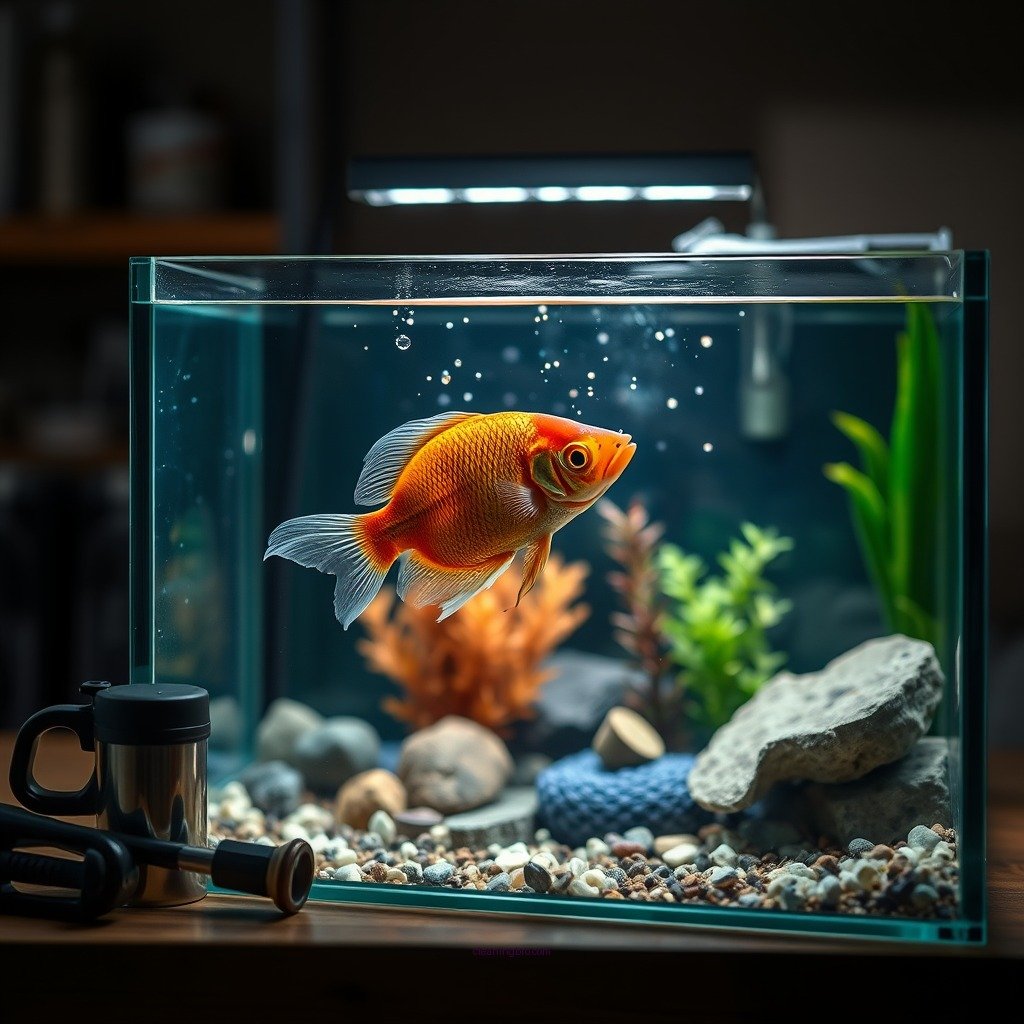
To achieve optimal cleaning results, it’s crucial to use the right tools. Here are some recommended cleaning tools:
1. Algae Scrapers: These come in different materials such as plastic and stainless steel. Plastic scrapers are generally safe for acrylic tanks, while stainless steel is effective for glass tanks.
2. Magnetic Cleaners: These innovative devices allow you to clean the tank glass from the outside without getting your hands wet, minimizing disturbance to the fish.
3. Sponges: Use non-abrasive sponges specifically designed for aquarium use. Avoid household sponges that may contain harmful chemicals.
4. Siphon or Aquarium Vacuum: Useful for removing debris and waste from the substrate, which can contribute to algae growth.
5. Soft Cloths: Microfiber or lint-free cloths are ideal for drying surfaces after cleaning.
Always ensure that the materials you use are fish-safe to prevent introducing harmful substances into the tank.
Step-by-Step Cleaning Process
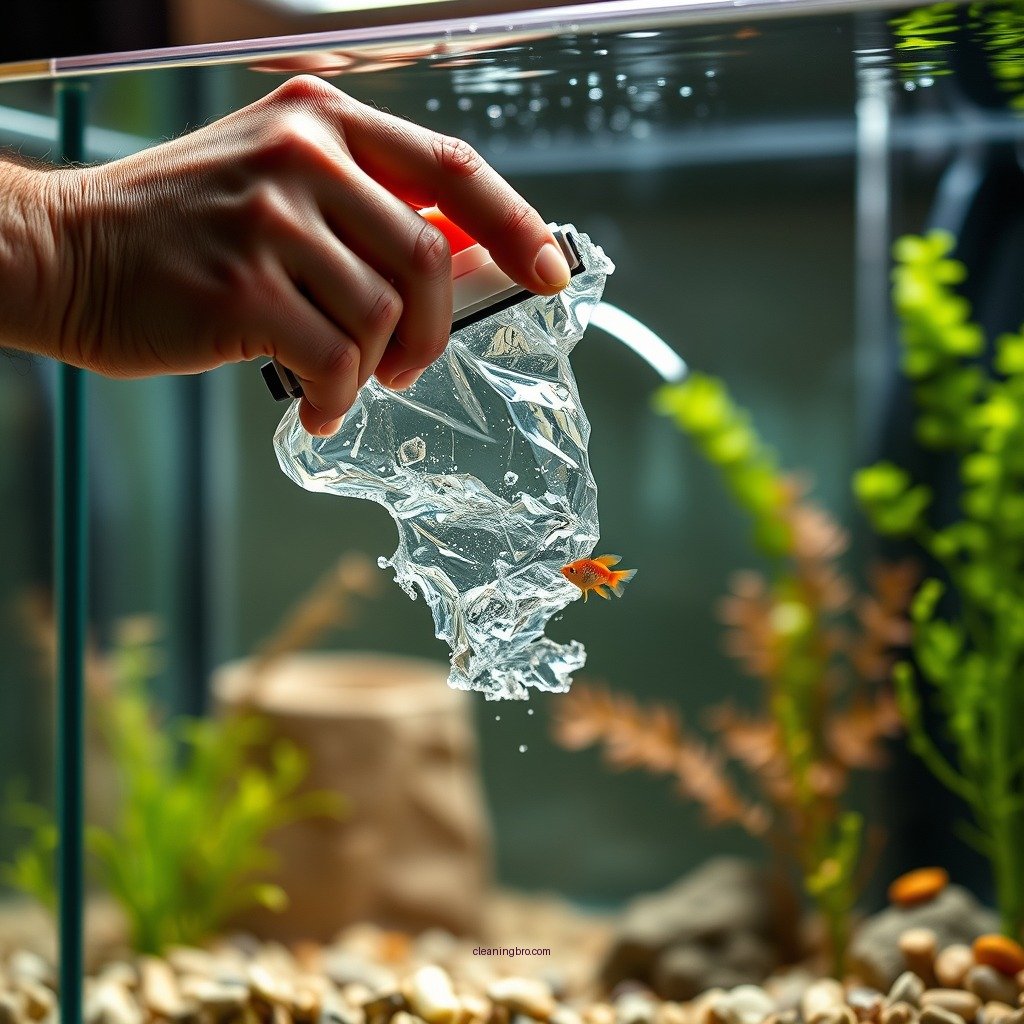
Cleaning the inside of your fish tank glass involves several steps:
1. Preparing the Tank for Cleaning: Before cleaning, turn off any equipment such as filters and heaters to prevent damage or injury to your fish. If necessary, remove decorations that may hinder access to glass areas.
2. Using the Right Technique: For algae scrapers, gently glide the scraper against the glass in a straight line to avoid scratching. If using a magnetic cleaner, ensure both sides are well aligned and apply even pressure to maximize efficiency.
3. Spot Cleaning: Focus on particularly dirty areas, applying more pressure if needed, but avoid aggressive scrubbing, which can stress your fish.
4. Rinsing: If you have removed items from the tank, rinse them in tank water to avoid introducing new contaminants.
5. Final Inspection: Once the cleaning is done, check the glass for any missed spots and re-clean if necessary.
By following these steps, you can maintain a clean and clear environment for your fish.
How to Prevent Future Build-Up
Preventing algae build-up requires a combination of water quality management and routine maintenance. Here are some actionable tips:
1. Maintain Water Quality: Regular water changes (10-15% weekly) help to keep nutrient levels balanced and reduce algae growth. Testing water parameters for nitrates and phosphates is also beneficial.
2. Control Lighting: Limit the duration of light exposure to around 8-10 hours per day. Using a timer can help regulate this effectively.
3. Avoid Overfeeding: Feed your fish small portions that they can consume within a few minutes to minimize waste.
4. Use Live Plants: Incorporating live plants can outcompete algae for nutrients, thus reducing their growth.
5. Regular Cleaning Schedule: Establish a routine cleaning schedule, dedicating time weekly to check for algae and perform maintenance tasks.
By implementing these practices, you can prolong the clarity of your fish tank glass and maintain a healthy aquatic environment.
Alternatives to Traditional Cleaning Methods
If you prefer natural cleaning solutions, consider using household items that are safe for fish. For instance, a mixture of vinegar and water can effectively dissolve algae without harming your fish when properly diluted (1 part vinegar to 3 parts water). Ensure thorough rinsing after application.
Additionally, there are commercial products on the market designed specifically for aquarium use. Look for algae removers labeled as fish-safe and follow the manufacturer’s instructions closely to ensure proper usage.
Safety Precautions During Cleaning
When cleaning your fish tank, it’s vital to prioritize safety for both yourself and your aquatic life:
1. Avoid Chemical Cleaners: Household cleaners can contain harmful chemicals that may leach into the water, posing a risk to your fish. Always opt for fish-safe cleaning supplies.
2. Handle Fish and Plants Carefully: If you need to remove fish or plants, do so gently. Use a net to catch fish rather than grabbing them by hand, which can stress them.
3. Wash Your Hands: Before and after cleaning, wash your hands thoroughly to avoid transferring contaminants into the tank.
By following these precautions, you can ensure a safe cleaning process for your aquarium.
Final Touches After Cleaning
Once you have completed the cleaning, there are a few final steps to ensure the tank is back to its optimal state:
1. Reintroducing Items: Carefully place any removed decorations back into the tank, ensuring they are clean and free from contaminants.
2. Check Water Parameters: After cleaning, test the water parameters to ensure that ammonia, nitrite, and nitrate levels are within acceptable ranges. This is crucial to maintaining a healthy ecosystem for your fish.
3. Monitor Fish Behavior: After reintroducing fish and decorations, observe their behavior for signs of stress or discomfort, adjusting the environment if necessary.
By adhering to these best practices, you can ensure that your fish tank remains a clean and vibrant habitat for your aquatic life.
Most Common Types of Fish Tank Algae and Their Impact (2024)
| # | Algae Type | Description | Impact on Clarity | Growth Rate |
|---|---|---|---|---|
| 1 | Green Algae | Common in most tanks | Moderate | Fast |
| 2 | Brown Diatoms | Causes brown film | High | Moderate |
| 3 | Blue-Green Algae | Toxic growth | Very High | Very Fast |
| 4 | Staghorn Algae | Thread-like growth | High | Moderate |
| 5 | Cladophora | Green, fuzzy growth | Moderate | Slow |
| 6 | Hair Algae | Long, filamentous growth | High | Fast |
| 7 | Green Spot Algae | Small green dots | Low | Slow |
Fish Tank Size Recommendations by Aquatic Life Type (2024)
Top 3 Aquarium Cleaning Tools: A Full Comparison
| Feature | ⭐ Magnetic Cleaner | Algae Scraper | Siphon Vacuum |
|---|---|---|---|
| Ease of Use | ✅ Very Easy | ✅ Easy | ❌ Requires More Effort |
| Safety for Fish | ✅ No Risk | ✅ Low Risk | ❌ Moderate Risk |
| Effectiveness | ✅ Best for Glass | ✅ Effective | ✅ Good for Substrate |
| Cost | $15-$30 | $5-$15 | $10-$20 |
| Durability | ✅ Long Lasting | ✅ Good Longevity | ✅ Durable |
| Weight | Lightweight | Medium Weight | Heavy |
| Best For | Glass Tanks | All Types | Substrate Cleaning |
| 🏆 Best For | Fish Lovers | General Use | Aquarium Maintenance |
Keeping your fish tank glass clean not only enhances the aesthetic appeal of your aquarium but also supports the health of your aquatic environment. By following these steps and implementing preventative measures, you can ensure a crystal-clear view into your underwater world. Start your cleaning routine today to create a healthier habitat for your fish!
Frequently Asked Questions
What are the best tools to clean fish tank glass inside?
The best tools for cleaning fish tank glass inside include a magnetic algae scraper, a soft sponge or aquarium-safe scrubber, and an aquarium-safe razor blade for stubborn spots. Avoid using regular household cleaners, as these can harm your fish. Regular use of these tools helps maintain clear visibility and a healthy environment.
How often should I clean the inside glass of my fish tank?
You should clean the inside glass of your fish tank at least once a week to prevent algae build-up and maintain a clear view of your aquatic habitat. However, the frequency may vary depending on factors such as tank size, lighting, and fish population. Regular maintenance will help ensure a healthy aquarium environment.
Why does algae build up on the inside of my fish tank glass?
Algae build-up on the inside of your fish tank glass is typically caused by excess nutrients, particularly nitrates and phosphates, along with light exposure. Poor filtration and overfeeding can also contribute to algae growth. Regular cleaning and controlling light exposure can help manage and reduce algae accumulation.
How do I remove stubborn stains from fish tank glass?
To remove stubborn stains from fish tank glass, you can use an aquarium-safe razor blade or a specialized algae scraper designed for aquarium use. Gently scrape the stained area while being careful not to scratch the glass. If the stains persist, consider using a vinegar solution to soak the area, but rinse thoroughly before placing the fish back in the tank.
Which cleaning products are safe for fish tanks when cleaning the glass?
When cleaning the glass inside your fish tank, use only products that are labeled as aquarium-safe, such as specific glass cleaners formulated for use in fish tanks. Avoid any products containing ammonia or bleach, as these can be toxic to fish. Always rinse any cleaning tools thoroughly before using them in your aquarium.
References
- Aquarium
https://en.wikipedia.org/wiki/Aquarium - https://www.sciencedirect.com/topics/agricultural-and-biological-sciences/aquarium-cleaning
https://www.sciencedirect.com/topics/agricultural-and-biological-sciences/aquarium-cleaning - Aquarium | Setup, Fish & Supplies | Britannica
https://www.britannica.com/science/aquarium - https://www.ncbi.nlm.nih.gov/pmc/articles/PMC5785257/
https://www.ncbi.nlm.nih.gov/pmc/articles/PMC5785257/ - Google Scholar Google Scholar
https://scholar.google.com/scholar?q=how+to+clean+fish+tank+glass+inside - Google Scholar Google Scholar
https://scholar.google.com/scholar?q=freshwater+aquarium+maintenance - How to Clean a Fish Tank in Five Easy Steps | Fishkeeping World
https://www.fishkeepingworld.com/how-to-clean-a-fish-tank/ - https://www.reef2reef.com/threads/how-to-clean-your-aquarium.256540/
https://www.reef2reef.com/threads/how-to-clean-your-aquarium.256540/ - https://www.extension.purdue.edu/extmedia/FNR/FNR-456-W.pdf
https://www.extension.purdue.edu/extmedia/FNR/FNR-456-W.pdf - how to clean fish tank glass inside – Search results
https://en.wikipedia.org/wiki/Special:Search?search=how+to+clean+fish+tank+glass+inside