How to Clean Mildew Off Vinyl Surfaces
Cleaning mildew off vinyl surfaces is straightforward and effective with the right approach. You can use a combination of mild detergents, vinegar, and baking soda to safely remove mildew without damaging the vinyl. In this article, you will learn the best methods and tips for tackling this common problem.
Understanding Mildew on Vinyl
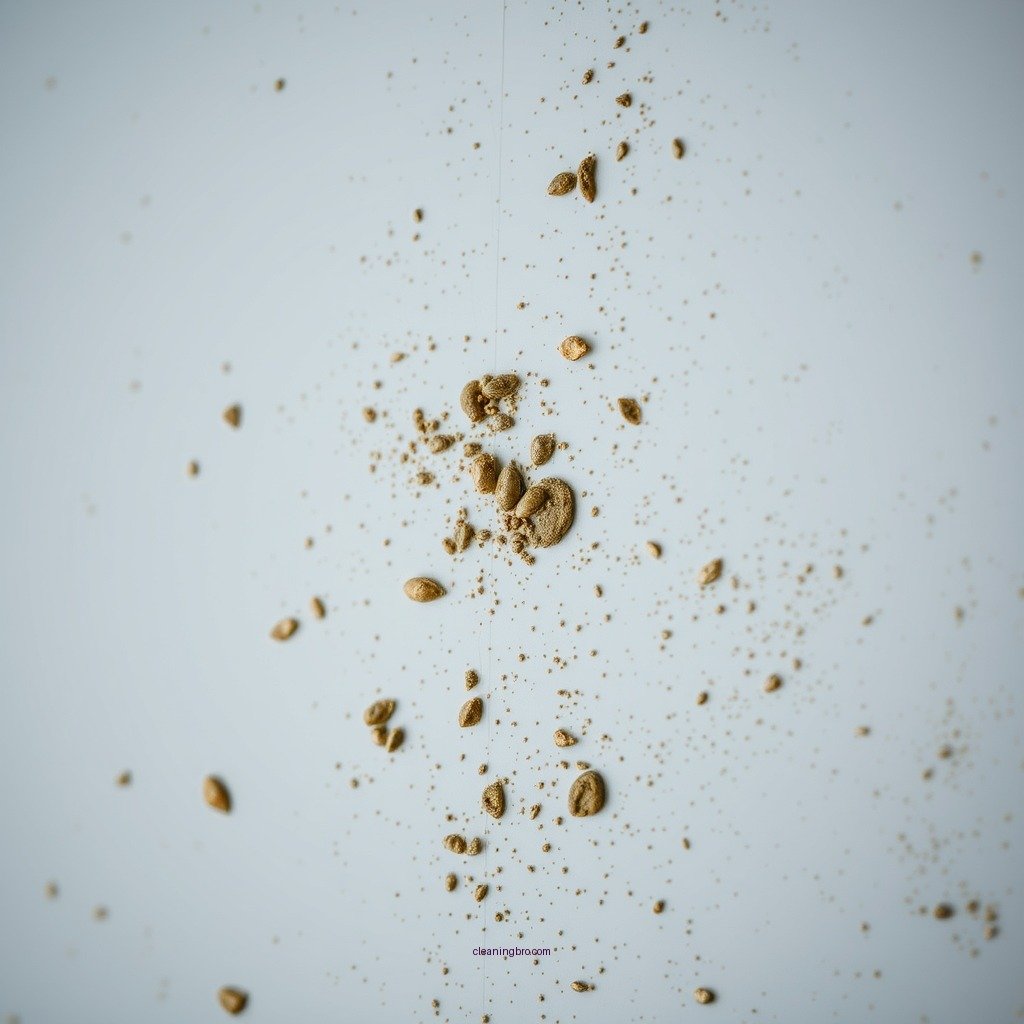
Mildew thrives in damp, warm environments and can quickly spread if not addressed. Typically, it appears as a powdery or fuzzy growth, which can be unsightly and potentially harmful to health. Identifying the source of moisture is crucial to prevent future growth. Key areas to monitor include bathrooms, kitchens, and outdoor spaces where humidity levels may rise. Regular inspections can help you catch mildew before it becomes a larger issue, promoting a healthier living environment.
Essential Supplies for Cleaning
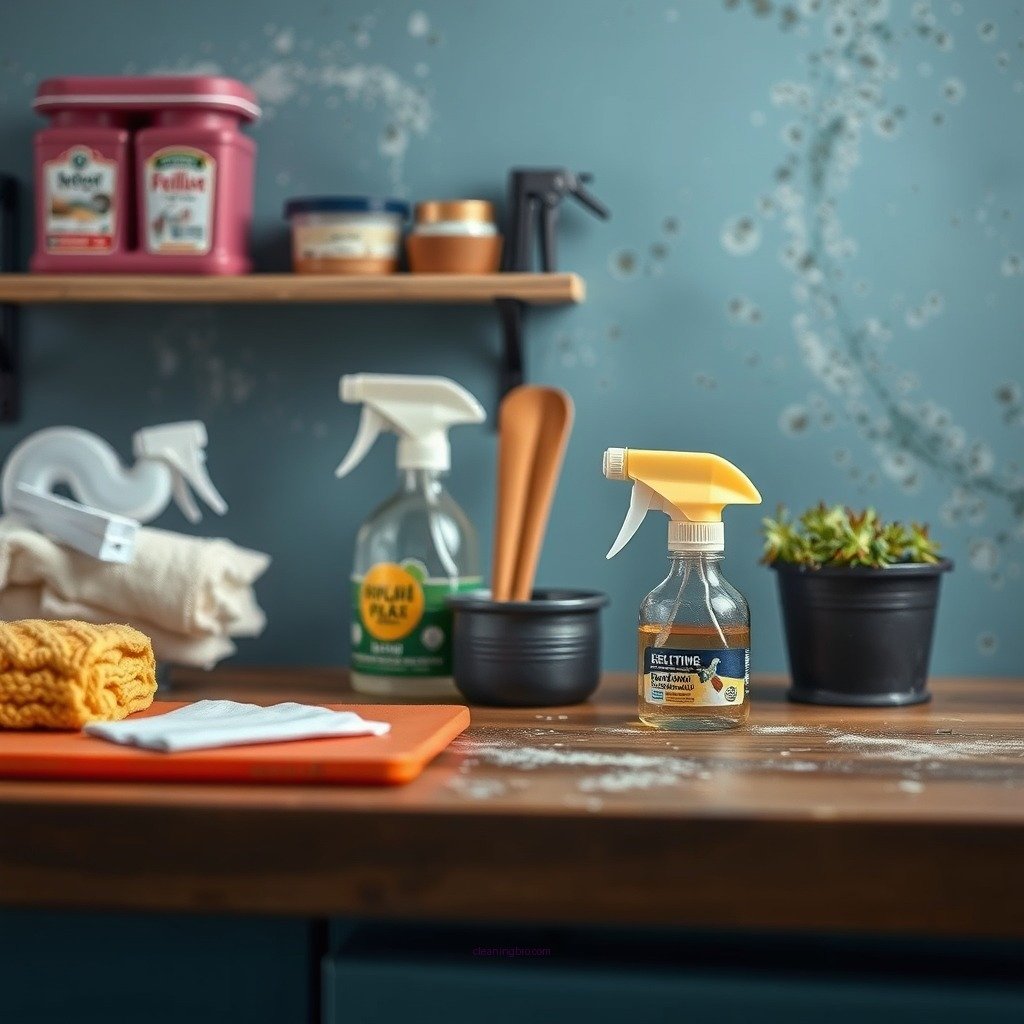
Before you start cleaning, gather the necessary supplies. Essential items include:
– Mild Detergent: A gentle dish soap works well for breaking down mildew without causing damage.
– White Vinegar: This natural disinfectant helps in killing mildew spores effectively.
– Baking Soda: An excellent abrasive that can tackle tougher stains without scratching the vinyl.
– Soft-Bristle Brush: Ideal for scrubbing the surface without causing scratches.
– Protective Gear: Gloves and a mask are recommended to protect against spores and cleaning chemicals.
Having these supplies on hand will ensure that you’re prepared to tackle mildew effectively.
Step-by-Step Cleaning Process
To clean mildew off vinyl surfaces, follow these steps:
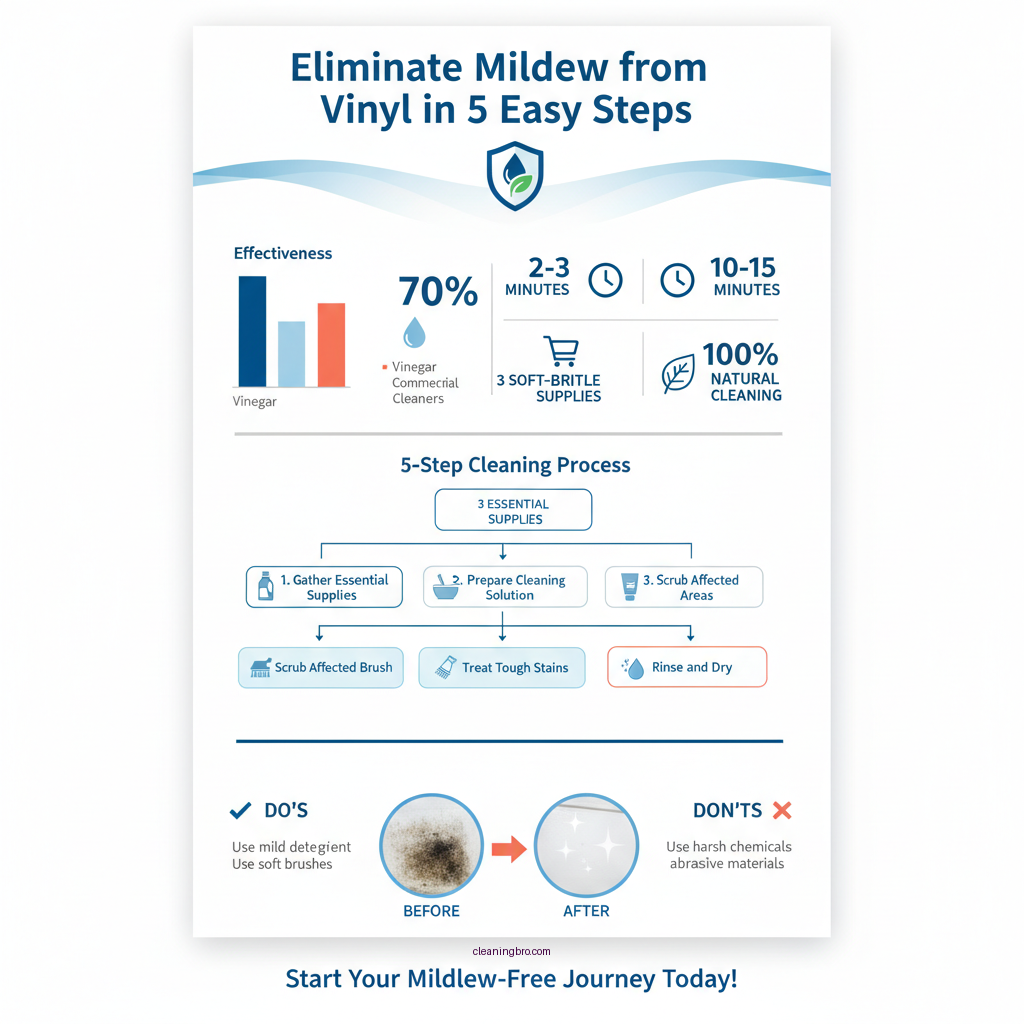
1. Prepare Your Cleaning Solution: Mix warm water with a mild detergent. This will create a soapy solution that’s safe for vinyl.
2. Scrub the Affected Area: Dip your soft-bristle brush into the soapy water and scrub the mildew-affected areas gently. Ensure you cover all visible signs of mildew.
3. Tackle Tough Stains: For stubborn mildew stains, create a paste by mixing baking soda with a small amount of water. Apply this paste directly to the mildew and let it sit for 10-15 minutes before scrubbing again.
4. Rinse Thoroughly: After scrubbing, rinse the area with clean water to remove any soap residue or cleaning agents.
5. Dry the Surface: Use a clean cloth or towel to dry the area completely, as moisture can lead to further mildew growth.
This step-by-step process will help you effectively eliminate mildew from your vinyl surfaces.
Natural Remedies for Mildew Removal
If you prefer environmentally friendly cleaning options, natural remedies can be highly effective. One such solution is a mixture of equal parts water and white vinegar. Vinegar is known for its antimicrobial properties, making it an excellent choice for disinfecting and removing mildew.
1. Prepare the Vinegar Solution: Combine equal parts of water and white vinegar in a spray bottle.
2. Application: Spray the solution directly onto the mildew. Allow it to sit for 5-10 minutes, giving it time to penetrate the mildew.
3. Wipe Clean: After letting it sit, use a soft cloth or sponge to wipe the area clean. Rinse with water afterward to ensure no vinegar residue remains.
Using vinegar not only helps in cleaning but also leaves surfaces fresh without harsh chemicals.
Preventing Future Mildew Growth
To keep your vinyl surfaces mildew-free, consider implementing the following preventive measures:
– Improve Ventilation: Ensure that areas prone to moisture, like bathrooms and kitchens, are well-ventilated. Use exhaust fans and open windows when possible to reduce humidity levels.
– Regular Cleaning Schedule: Establish a routine cleaning schedule to monitor and clean vinyl surfaces regularly. This will help catch mildew early and prevent significant growth.
– Control Humidity: Use dehumidifiers in particularly humid areas, especially during the summer months, to keep moisture levels in check.
By following these preventive tips, you can create an environment less conducive to mildew growth.
When to Seek Professional Help
While many mildew issues can be resolved through DIY methods, there are times when professional help may be necessary. Consider seeking professional cleaning services if:
– Extensive or Recurring Issues: If mildew continually reappears despite your cleaning efforts, it may indicate a deeper issue, such as water damage or poor ventilation.
– Health Concerns: If you or any of your family members have respiratory issues or allergies exacerbated by mildew exposure, it is advisable to consult professionals who can ensure thorough removal and treatment.
Professional services can provide deep cleaning solutions and address underlying moisture problems, ensuring your space remains safe and healthy.
Top 7 Vinyl Maintenance Methods for Mildew Removal (2024)
| # | Method | Effectiveness | Ease of Use | Cost |
|---|---|---|---|---|
| 1 | Mild Detergent | High | Easy | Low |
| 2 | White Vinegar | High | Easy | Low |
| 3 | Baking Soda | Medium | Moderate | Very Low |
| 4 | Commercial Cleaners | Very High | Easy | Moderate |
| 5 | Hydrogen Peroxide | High | Moderate | Moderate |
| 6 | Steam Cleaning | Very High | Moderate | High |
| 7 | Oxygen Bleach | Medium | Moderate | Moderate |
DIY vs Commercial Cleaners vs Professional Services: Mildew Removal Comparison
| Feature | ⭐ DIY | Commercial Cleaners | Professional Services |
|---|---|---|---|
| Cost | Very Low | Low | High |
| Effectiveness | Medium | High | Very High |
| Ease of Use | Easy | Easy | Moderate |
| Time Required | Variable | Short | Long |
| Health Safety | Safe | Moderate | High Risk |
| Environmental Impact | Low | Medium | High |
| Versatility | Limited | Moderate | High |
| Recommendation | Good for small areas | Best for light mildew | Ideal for major infestations |
| 🏆 Best For | Budget-conscious homeowners | Everyday users | Property managers or landlords |
Timely cleaning and maintenance are vital to keep vinyl surfaces mildew-free. By adopting the right cleaning methods and preventive measures, you can maintain the beauty and integrity of your vinyl surfaces. Don’t wait for mildew to become a significant issue; start cleaning today and implement strategies that will yield lasting results.
Frequently Asked Questions
What are the best methods to clean mildew off vinyl surfaces?
The best methods to clean mildew off vinyl surfaces include using a mixture of water and white vinegar, or a solution of water and mild detergent. For tougher mildew, a diluted bleach solution (one part bleach to ten parts water) can be effective. Always test these solutions on a small, inconspicuous area first to ensure they don’t damage the vinyl.
How can I prevent mildew from returning on my vinyl surfaces?
To prevent mildew from returning on your vinyl surfaces, ensure proper ventilation in areas prone to moisture, such as bathrooms and basements. Regularly clean the surfaces with a mild detergent and dry them thoroughly after cleaning. Additionally, consider using a dehumidifier to reduce humidity levels.
Why does mildew grow on vinyl, and how can I identify it?
Mildew grows on vinyl surfaces primarily due to moisture and lack of sunlight, which creates an ideal environment for mold spores to thrive. You can identify mildew by its distinctive musty odor and the presence of black or greenish patches on the vinyl. Regular inspections can help you catch mildew early before it becomes a larger problem.
Which cleaning products are safe to use on vinyl to remove mildew?
Safe cleaning products to use on vinyl for mildew removal include white vinegar, baking soda, and mild dish soap mixed with water. Commercial mildew removers specifically labeled as safe for vinyl are also effective. Always avoid harsh chemicals or abrasive cleaners that can damage the vinyl surface.
How often should I clean mildew off my vinyl to keep it in good condition?
To keep your vinyl in good condition, it’s advisable to clean it every few months, or more frequently in high-moisture areas. Regular cleaning helps prevent the buildup of mildew and prolongs the lifespan of your vinyl surfaces. If you notice any signs of mildew, address it immediately to prevent further growth.
References
- https://www.cdc.gov/mold/cleaning.html
https://www.cdc.gov/mold/cleaning.html - https://www.epa.gov/mold/mold-cleanup-and-remediation-guidelines
https://www.epa.gov/mold/mold-cleanup-and-remediation-guidelines - https://www.nichd.nih.gov/health/topics/mold/conditioninfo/treatment
https://www.nichd.nih.gov/health/topics/mold/conditioninfo/treatment - Mold
https://www.wikipedia.org/wiki/Mold - https://www.sciencedirect.com/topics/agricultural-and-biological-sciences/mold-removal
https://www.sciencedirect.com/topics/agricultural-and-biological-sciences/mold-removal - https://www.britannica.com/science/mold
https://www.britannica.com/science/mold - https://www.health.harvard.edu/staying-healthy/mold-in-your-home
https://www.health.harvard.edu/staying-healthy/mold-in-your-home - Google Scholar Google Scholar
https://scholar.google.com/scholar?q=how+to+clean+mildew+off+vinyl - Google Scholar Google Scholar
https://scholar.google.com/scholar?q=mildew+removal+techniques - Google Scholar Google Scholar
https://scholar.google.com/scholar?q=cleaning+mold+from+vinyl+surfaces