How to Clean Mold from Leather Furniture Effectively
Understand the Causes of Mold on Leather
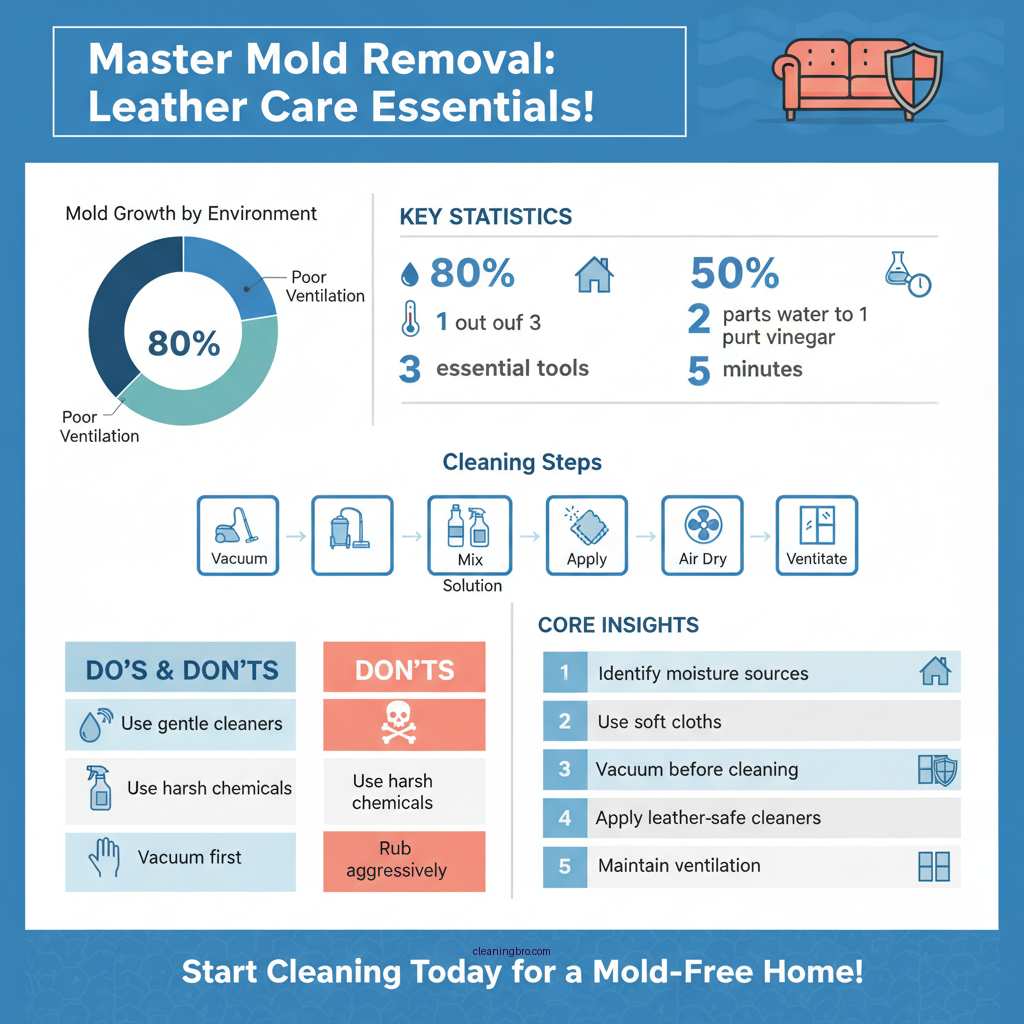
Mold thrives in humid environments, making it crucial to identify sources of moisture in your home. Factors such as high humidity, water leaks, or even spills can create an ideal breeding ground for mold. Leather, being a natural material, is particularly susceptible to mold growth when it is exposed to damp conditions.
Furthermore, poor ventilation can exacerbate mold growth. Stagnant air prevents moisture from evaporating, allowing mold spores to settle and proliferate on surfaces, including leather furniture. To mitigate this risk, it is essential to maintain a well-ventilated space. Open windows, utilize exhaust fans, and consider using dehumidifiers in areas prone to dampness. By addressing the root causes of mold, you can significantly reduce the likelihood of its occurrence.
Gather Necessary Cleaning Supplies
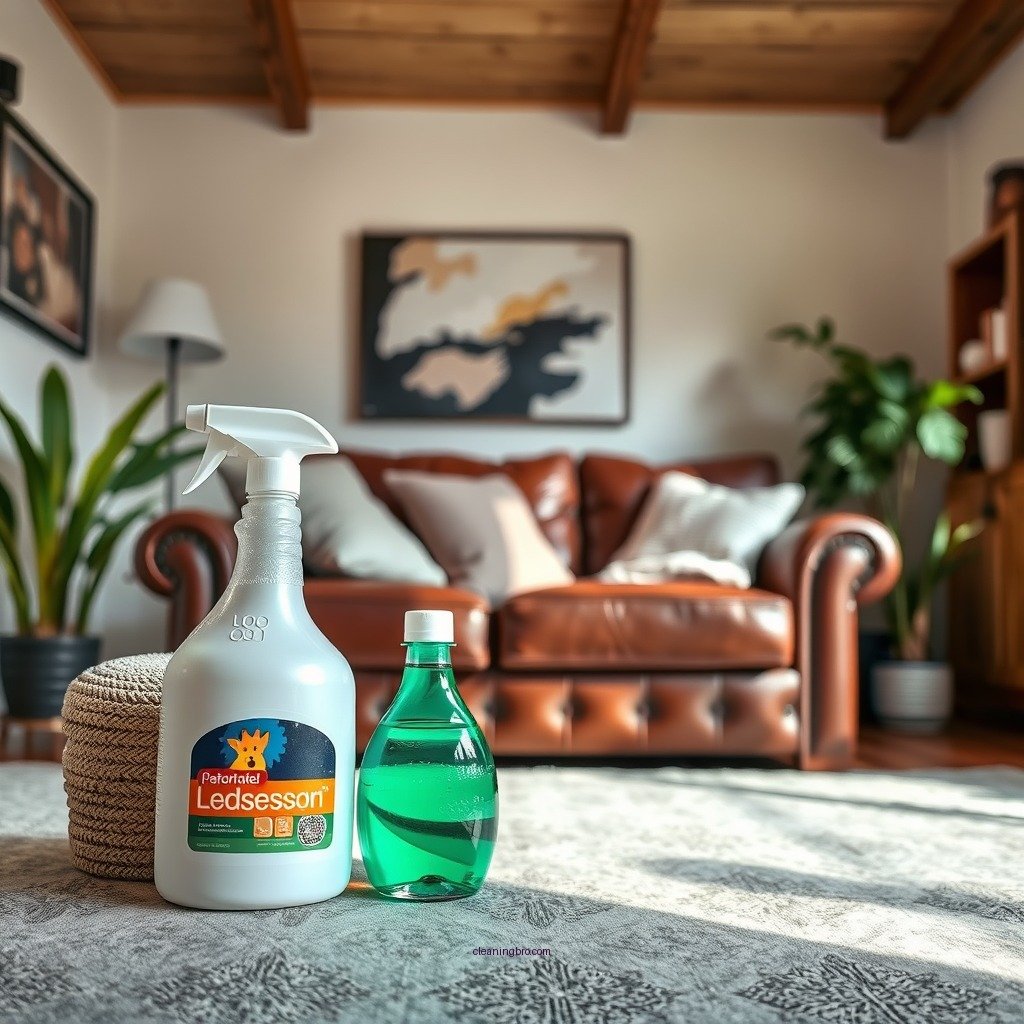
Before diving into the cleaning process, it’s vital to gather the necessary supplies. The primary tools you’ll need include:
– Soft Cloths: These are essential for wiping down the leather without causing scratches or damage. Opt for microfiber or cotton cloths for the best results.
– Vacuum with Brush Attachment: A vacuum cleaner equipped with a brush attachment allows you to gently remove loose mold spores from the leather surface without damaging it.
– Leather-Safe Cleaners: Look for products specifically formulated for leather care. Ensure they are free from harsh chemicals that could degrade the leather.
– Vinegar Solution: A mixture of equal parts water and white vinegar can serve as an effective mold-removing solution. This natural cleaner is gentle yet powerful against mold spores.
By preparing these items in advance, you can streamline the cleaning process and ensure that you have everything you need at your fingertips.
Initial Cleaning Steps
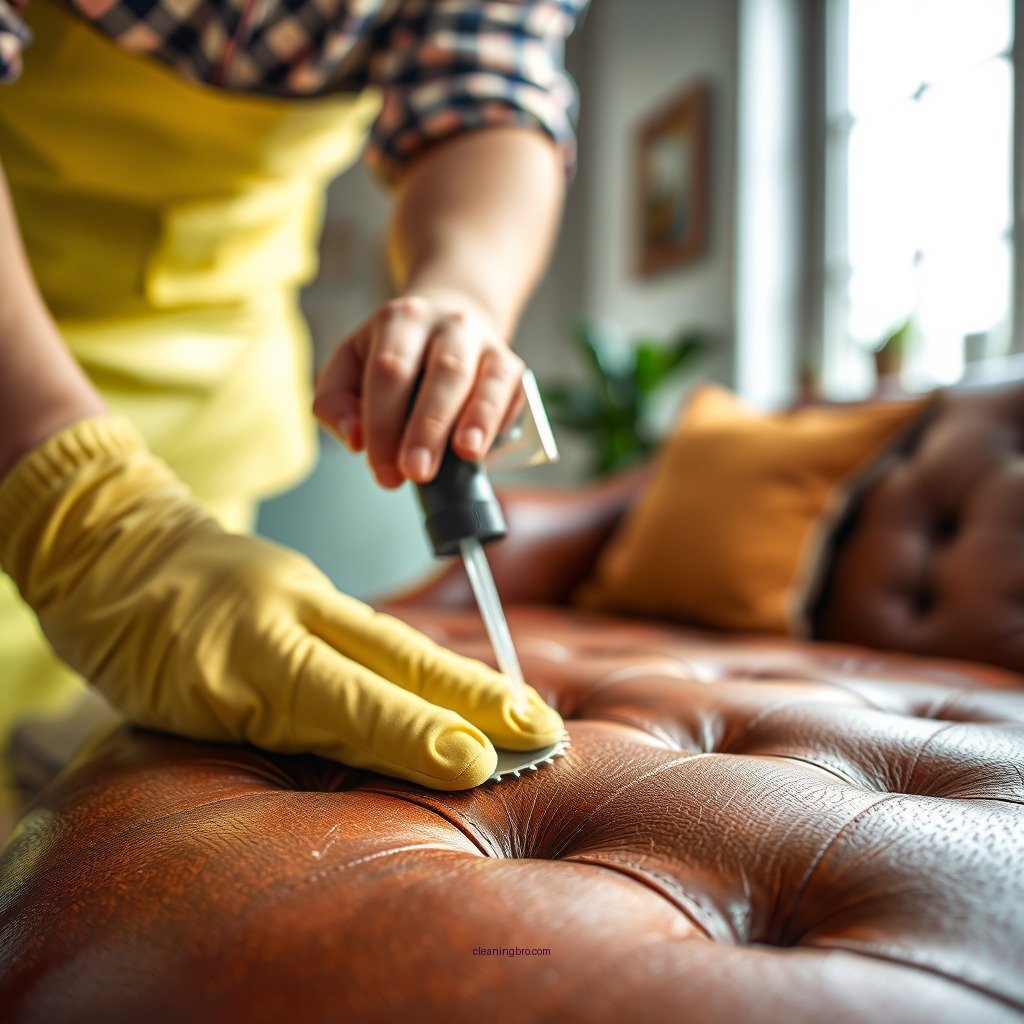
Begin the cleaning process by gently vacuuming the leather furniture. Use the brush attachment to carefully remove loose mold spores. This step is crucial as it prevents the spores from being pushed deeper into the leather during the cleaning process.
Once you’ve vacuumed, take a damp cloth and wipe the surface of the leather. This will help to remove any remaining surface dirt and prepare the leather for deeper cleaning. Be sure not to soak the cloth; excess moisture can further contribute to mold growth.
If the leather furniture has been heavily affected by mold, you might want to consider wearing a mask and gloves for personal protection against mold spores during this initial cleaning phase.
Apply Cleaning Solution
With the initial cleaning completed, it’s time to apply the cleaning solution. Always test any cleaning solution on a hidden area of the leather first to check for discoloration or damage. A small inconspicuous patch will help you ensure that the leather can withstand the cleaner.
For the actual cleaning, use the vinegar-water mixture or a leather-safe cleaner. Apply the solution with a soft cloth, using circular motions to gently scrub the affected areas. This technique helps lift the mold from the leather without causing damage. Be patient; stubborn mold may require multiple applications.
After cleaning, make sure to thoroughly wipe off any remaining cleaning solution with a damp cloth, as residue can attract dirt or lead to further issues.
Drying and Conditioning the Leather
After cleaning, it’s essential to allow the furniture to air dry completely. This step is critical, as moisture left on the leather can encourage further mold growth. Place the furniture in a well-ventilated area, avoiding direct sunlight or heat sources—such as radiators or hair dryers—that can crack or fade the leather.
Once the leather is dry, it’s advisable to apply a leather conditioner. This product will help restore moisture and suppleness to the leather, preventing it from becoming brittle and more susceptible to damage in the future. Conditioning also creates a protective barrier, making the leather less likely to harbor mold in the long run.
Preventing Future Mold Growth
To prevent future mold growth, maintaining a humidity level below 50% in your home is crucial. You can achieve this using dehumidifiers or air conditioning, especially in areas prone to humidity, such as basements or poorly ventilated rooms.
Additionally, regularly cleaning and conditioning your leather furniture will help keep it in optimal condition. Dust and dirt can accumulate and contribute to mold growth, so aim to clean your leather pieces at least once a month. Spot-clean any spills immediately, and ensure that leather items are stored in a dry, well-ventilated area.
When to Seek Professional Help
If mold covers a large area or persists after your cleaning efforts, it may be time to consult a professional cleaner. Professionals have specialized products and techniques that can effectively deal with extensive mold infestations without causing damage to the leather.
Before attempting extensive cleaning, assess the risk of damage to the leather. If the leather is particularly valuable or delicate, seeking professional assistance is a prudent choice to ensure its longevity and appearance.
Top 7 Natural Cleaning Supplies for Leather Furniture (2024)
| # | Product | Effectiveness | Eco-Friendly | Price |
|---|---|---|---|---|
| 1 | White Vinegar | Highly Effective | Yes | $3.00 |
| 2 | Olive Oil | Moderately Effective | Yes | $5.00 |
| 3 | Castile Soap | Highly Effective | Yes | $8.00 |
| 4 | Baking Soda | Moderately Effective | Yes | $2.00 |
| 5 | Tea Tree Oil | Highly Effective | Yes | $10.00 |
| 6 | Leather Conditioner | Essential for Maintenance | Yes | $15.00 |
| 7 | Rubbing Alcohol | Moderately Effective | No | $4.00 |
Best Leather Cleaners: Natural vs Commercial
| Feature | ⭐ Natural Solutions | Commercial Cleaners | Homemade Cleaners |
|---|---|---|---|
| Effectiveness | ✅ Highly Effective | ✅ Effective | ✅ Moderately Effective |
| Eco-Friendliness | ✅ Yes | ❌ No | ✅ Yes |
| Cost | Low | Moderate | Very Low |
| Ease of Use | Simple | Requires Instructions | Very Simple |
| Availability | Widely Available | Available Online | Easy to Source |
| Residue | ❌ Can Leave Residue | ❌ Can Leave Residue | ✅ Minimal Residue |
| Time to Effectiveness | Quick | Moderate | Immediate |
| Long-term Effects | ✅ Lasting Protection | ✅ Moderate Protection | ❌ Short-term |
| Odor | No Odor | Chemical Odor | No Odor |
| 🏆 Best For | Eco-conscious users | Quick fixes | Budget-friendly solutions |
Cleaning mold from leather furniture is vital for maintaining its appearance and longevity. By following these steps, you can effectively remove mold and protect your investment. Regular maintenance is key to preventing future issues, so keep your leather furniture clean and dry. If you’re unsure about cleaning it yourself, don’t hesitate to consult with a professional.
Frequently Asked Questions
How do I safely remove mold from leather furniture?
To safely remove mold from leather furniture, first take the piece outdoors to prevent spores from spreading indoors. Use a mixture of equal parts water and white vinegar to dampen a soft cloth, then gently wipe the affected areas. After cleaning, ensure the leather is thoroughly dried and consider applying a leather conditioner to restore moisture.
What are the best products for cleaning mold off leather?
The best products for cleaning mold off leather include white vinegar, rubbing alcohol, and specialized leather cleaners. White vinegar is effective for killing mold, while rubbing alcohol can help remove stubborn stains. Always test any product on a small, inconspicuous area first to ensure it does not damage the leather.
Why does mold grow on leather furniture?
Mold grows on leather furniture primarily due to excess moisture and humidity in the environment. Leather is porous and can absorb moisture, creating an ideal environment for mold spores to thrive. To prevent mold growth, maintain low humidity levels and ensure proper ventilation in areas where leather furniture is stored.
How can I prevent mold from returning to my leather furniture?
To prevent mold from returning to your leather furniture, keep the environment dry and well-ventilated, ideally with humidity levels below 50%. Regularly clean your leather with a soft cloth to remove dust and moisture. Additionally, consider using a dehumidifier in damp areas and store leather items in breathable covers.
Which professional services can help with mold removal from leather furniture?
Professional upholstery cleaning services that specialize in leather care can effectively handle mold removal from leather furniture. These experts use specialized techniques and products designed for leather, ensuring thorough cleaning without damaging the material. Look for services with good reviews and experience in handling mold issues.
References
- https://www.cdc.gov/mold/cleanup-guide.html
https://www.cdc.gov/mold/cleanup-guide.html - https://www.mayoclinic.org/healthy-lifestyle/adult-health/expert-answers/mold-allergy/faq-20057791
https://www.mayoclinic.org/healthy-lifestyle/adult-health/expert-answers/mold-allergy/faq-20057791 - https://www.ncbi.nlm.nih.gov/pmc/articles/PMC6463279/
https://www.ncbi.nlm.nih.gov/pmc/articles/PMC6463279/ - https://www.who.int/news-room/fact-sheets/detail/mold
https://www.who.int/news-room/fact-sheets/detail/mold - https://www.abc.net.au/life/how-to-clean-mould-off-leather-furniture/12254284
https://www.abc.net.au/life/how-to-clean-mould-off-leather-furniture/12254284 - https://www.nytimes.com/2020/09/25/style/mold-leather-furniture.html
https://www.nytimes.com/2020/09/25/style/mold-leather-furniture.html - Google Scholar Google Scholar
https://scholar.google.com/scholar?q=clean+mold+leather+furniture - Google Scholar Google Scholar
https://scholar.google.com/scholar?q=how+to+clean+mold+from+furniture - Google Scholar Google Scholar
https://scholar.google.com/scholar?q=mold+remediation+leather+furniture - Google Scholar Google Scholar
https://scholar.google.com/scholar?q=how+to+clean+mold+from+leather+furniture