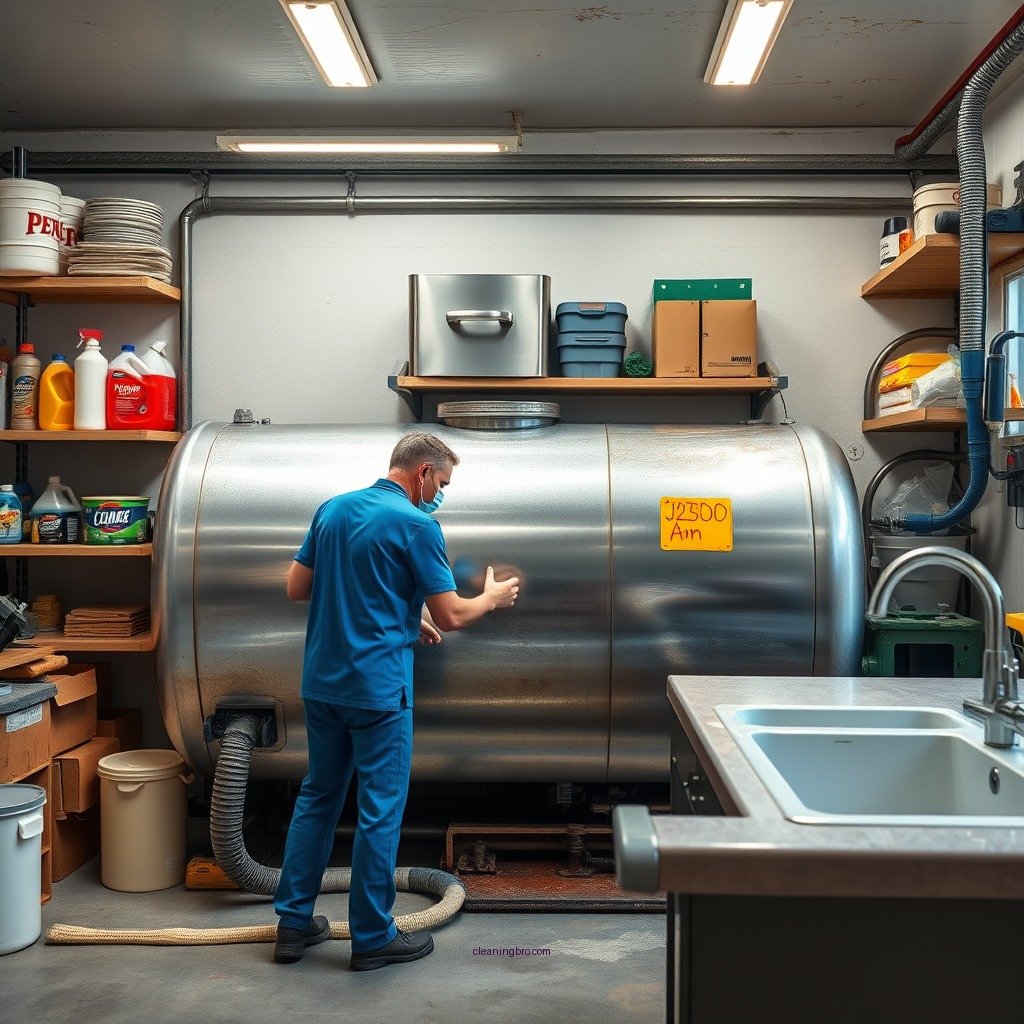
How to Clean Out a Diesel Tank: Step-by-Step Guide
Cleaning out a diesel tank is crucial for ensuring optimal engine performance and preventing fuel contamination. By systematically draining the tank, thoroughly cleaning its interior, and disposing of waste materials responsibly, you can maintain the integrity of your diesel system. This guide will take you through each step of the process, equipping you with the necessary knowledge to handle this task safely and effectively.
Understanding the Importance of Cleaning a Diesel Tank
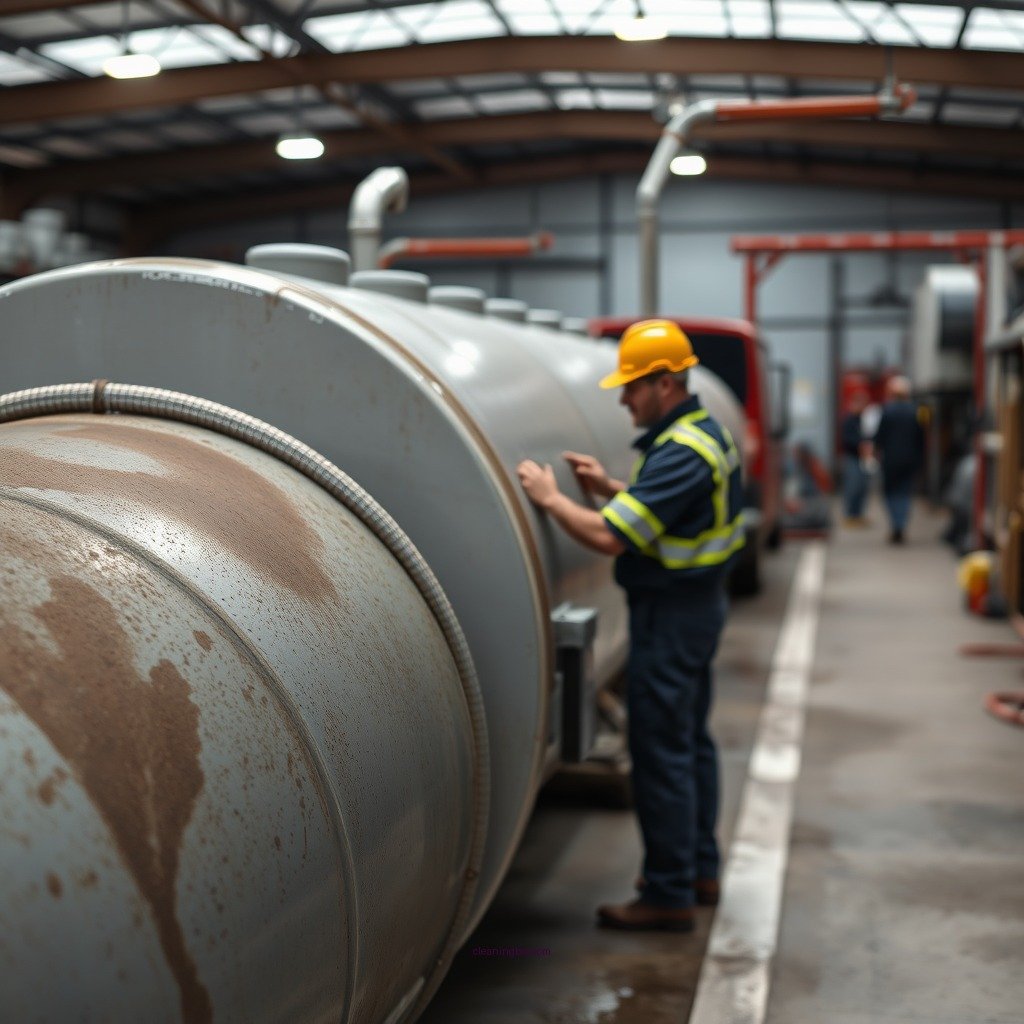
Maintaining a clean diesel tank is not merely a suggested best practice; it is essential for several reasons. Regular cleaning prevents the growth of algae and the accumulation of sediment, which can clog fuel filters and injectors. These contaminants can lead to engine performance issues, such as reduced power and increased fuel consumption. A clean tank ensures that only pure diesel is delivered to the engine, thereby improving fuel efficiency and extending the lifespan of engine components. Furthermore, neglecting tank maintenance can result in costly repairs and downtime, making it economically prudent to invest time in regular cleaning.
Tools and Materials Needed
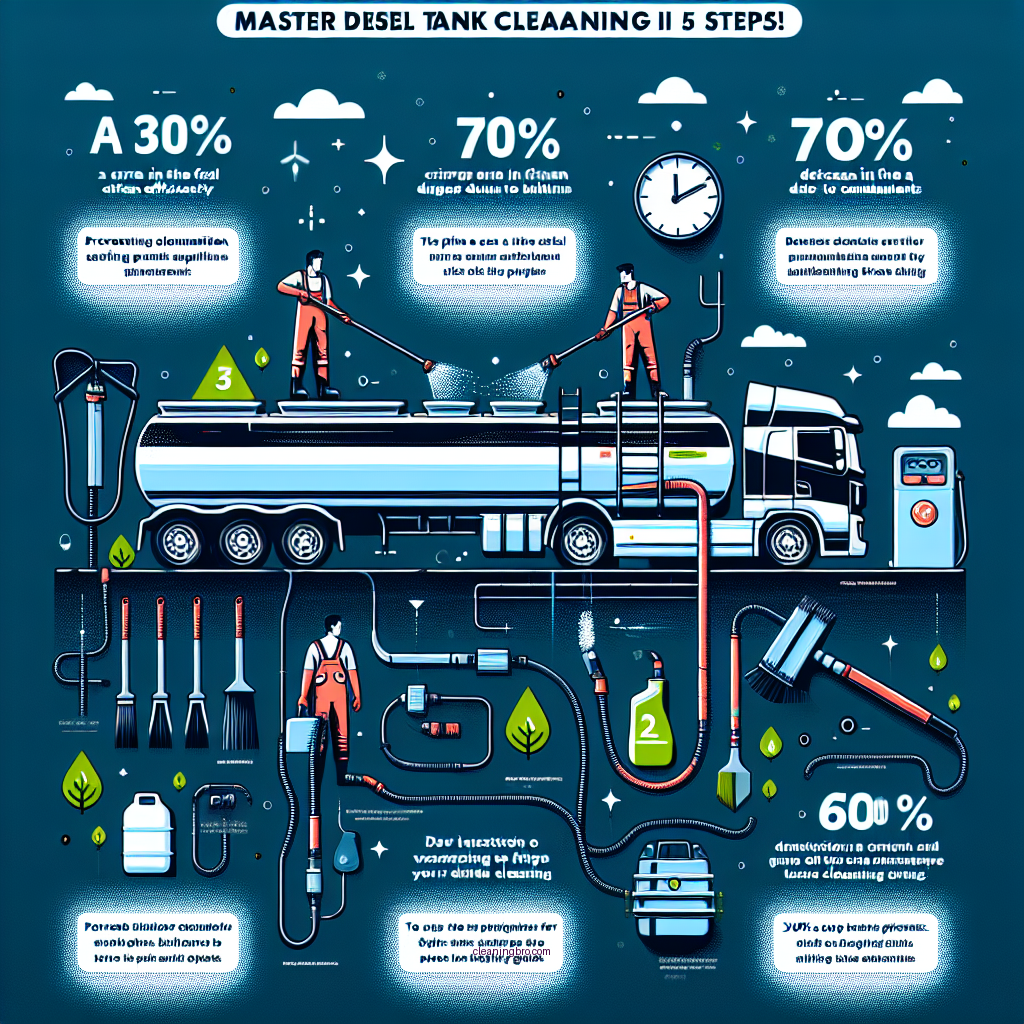
Before embarking on the cleaning process, gather the following tools and materials:
– Key Tools:
– Siphon Pump: Essential for removing diesel fuel from the tank safely.
– Vacuum Cleaner: A wet/dry vacuum can help eliminate debris and residues from the tank.
– Cleaning Brushes: These should have stiff bristles to scrub the tank’s interior effectively.
– Materials:
– Detergent: A biodegradable detergent suitable for cleaning diesel tanks.
– Fuel Stabilizer: This can be added to the tank after cleaning to prevent future fuel degradation.
– Protective Gear: Always wear gloves and goggles to protect yourself from chemicals and fuel.
Step-by-Step Guide to Draining the Diesel Tank
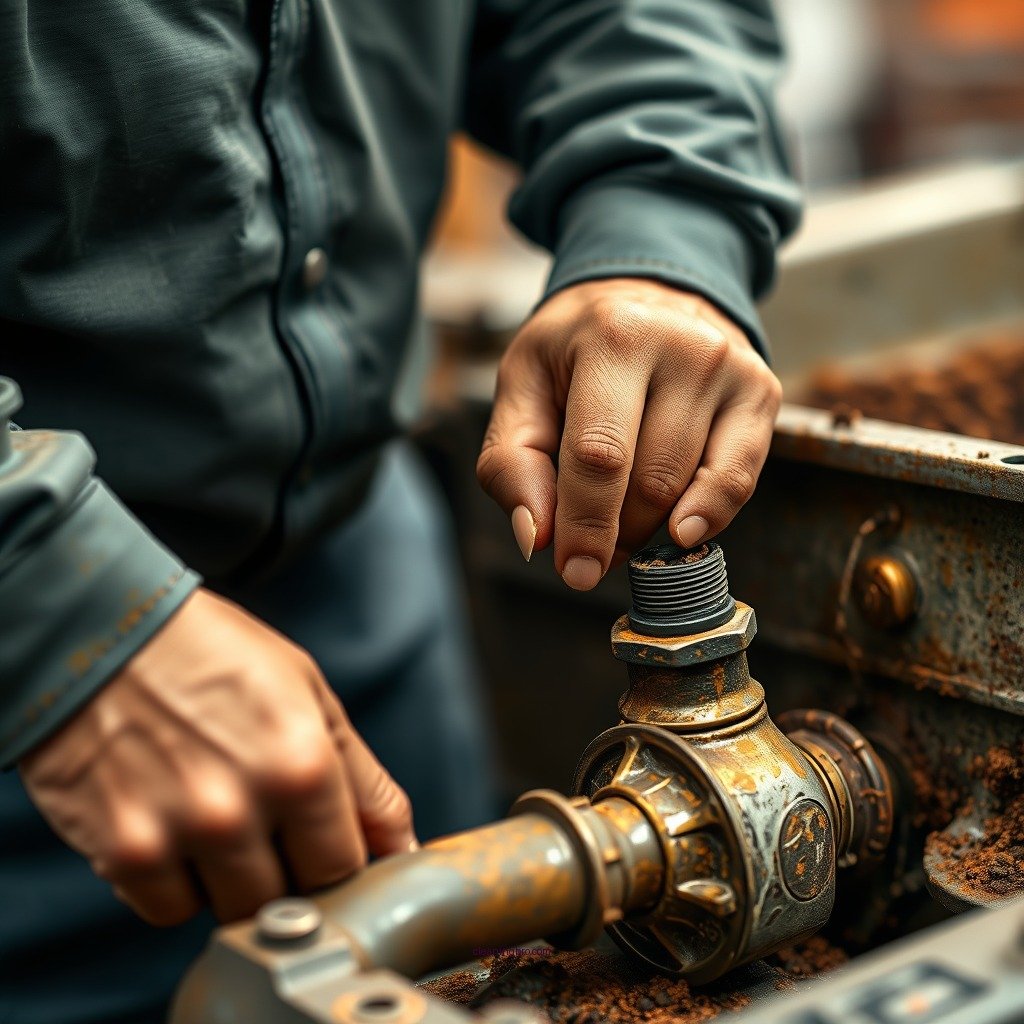
1. Safety First: Before you begin, ensure that the engine is turned off and has cooled completely to minimize the risk of fire or explosion.
2. Prepare the Area: Work in a well-ventilated space away from any ignition sources. Lay down absorbent mats to catch any spills.
3. Use a Siphon Pump: Insert the siphon pump into the tank and carefully start the draining process. Ensure that the diesel is transferred into approved containers that are clearly labeled to prevent any mix-ups.
4. Monitor the Draining Process: Keep an eye on the flow of diesel and stop when the tank is empty or when the siphon pump loses suction.
5. Inspect the Tank: After draining, take a moment to inspect the tank for visible signs of rust, corrosion, or damage that might need addressing during the cleaning process.
Cleaning the Interior of the Diesel Tank
1. Scrub the Tank’s Interior: Use your cleaning brushes and biodegradable detergent to scrub the interior surfaces of the tank. Focus on areas where residue or grime may have accumulated.
2. Rinse Thoroughly: After scrubbing, rinse the tank with clean diesel or water to remove any remaining detergent and loosened debris. Make sure that all residues are washed away to avoid contamination in the future.
3. Dry the Tank: Allow the tank to air dry completely before refilling it with diesel. If using a vacuum cleaner, ensure it is suitable for wet use to help expedite the drying process.
Inspecting and Replacing Filters
1. Check Fuel Filters: Once the tank is clean and dry, inspect the fuel filters for clogs or damage. Filters should be clean and functioning properly to ensure optimal fuel flow.
2. Replace Damaged Filters: If you find any filters that are clogged or have been compromised, replace them before refilling the tank. This step is crucial as it prevents contaminants from entering the engine after cleaning.
Proper Disposal of Waste Materials
1. Store Drained Diesel: Safely store any drained diesel fuel and contaminants in sealed containers. Ensure these containers are clearly labeled and kept in a secure location.
2. Follow Local Regulations: Consult local regulations regarding the disposal of hazardous materials. Many areas require that diesel fuel and contaminants be taken to a designated facility for safe disposal.
3. Consider Recycling Options: Some recycling centers accept used diesel for recovery or conversion into other products. This can be an environmentally responsible choice.
Preventative Maintenance Tips
1. Schedule Regular Inspections: Depending on your usage, establish a schedule for regular tank inspections and cleanings. This helps catch any potential issues early.
2. Use Fuel Additives: Consider incorporating fuel additives that reduce sediment buildup and prevent algae growth. These products can enhance the longevity and performance of your diesel system.
3. Monitor Fuel Quality: Regularly check the quality of your fuel. If you notice any changes in color or consistency, it may be time to clean the tank.
Cleaning your diesel tank not only extends its life but also enhances engine performance. By following these steps, you can ensure that your diesel system operates smoothly. If you’re unsure or uncomfortable performing this task, don’t hesitate to seek professional assistance for the best results.
Top 7 Diesel Fuel Contaminants and Their Effects
| # | Contaminant | Source | Effects | Removal Method |
|---|---|---|---|---|
| 1 | Algae | Water | Clogs filters, reduces performance | Chemical treatment |
| 2 | Sediment | Old diesel | Reduces fuel efficiency | Filtration |
| 3 | Water | Condensation | Corrosion, engine damage | Drainage |
| 4 | Microbes | Biological growth | System blockage | Chemical treatment |
| 5 | Oxidation | Old fuel | Decreased fuel quality | Regular cleaning |
| 6 | Rust | Metal degradation | Contamination of fuel | Preventive measures |
| 7 | Dirt and Debris | Environmental factors | Clogs fuel lines | Regular cleaning |
Best Practices for Diesel Tank Cleaning: Chemical Treatment vs. Mechanical Cleaning vs. DIY
| Feature | ⭐ Chemical Treatment | Mechanical Cleaning | DIY Cleaning |
|---|---|---|---|
| Effectiveness | ✅ High | ✅ Moderate | ❌ Low |
| Time Required | Short | Moderate | Long |
| Cost | Moderate | High | Low |
| Skill Level Required | Low | High | Low |
| Environmental Impact | Moderate | Low | High |
| Cleaning Residue | Liquid | Solid | Liquid |
| Long-term Effectiveness | ✅ High | ✅ Moderate | ❌ Low |
| Availability | Widely available | Specialized services | Common tools |
| Effect on Engine Performance | ✅ Immediate improvement | ✅ Gradual improvement | ❌ Minimal improvement |
| 🏆 Best For | Commercial users needing efficiency | Heavy machinery operators | DIY enthusiasts |
Frequently Asked Questions
What are the steps to clean out a diesel tank?
To clean out a diesel tank, first ensure safety by wearing protective gear and removing any power sources. Next, drain the diesel fuel, and use a pump to remove sludge and contaminants from the bottom of the tank. After that, scrub the interior surfaces with a suitable cleaning solution, then rinse thoroughly with clean diesel or water, ensuring no residue remains before refilling the tank.
How often should I clean my diesel tank?
It is recommended to clean your diesel tank at least every 1 to 2 years, depending on usage and fuel quality. If you notice sediment buildup or water contamination, it’s essential to clean the tank sooner. Regular maintenance helps prevent fuel system issues and prolongs the life of your diesel engine.
Why is it important to clean a diesel tank?
Cleaning a diesel tank is crucial to prevent fuel contamination, which can lead to engine performance problems, injector damage, and increased maintenance costs. Contaminants such as water, dirt, and microbial growth can accumulate over time, affecting the quality of the diesel fuel and the overall efficiency of your diesel engine.
What tools do I need to clean a diesel tank effectively?
To clean a diesel tank effectively, you will need a fuel transfer pump, a vacuum or siphon, brushes for scrubbing, and a cleaning solution specifically designed for diesel tanks. Additionally, have absorbent materials on hand to manage spills and personal protective equipment like gloves and goggles to ensure safety during the cleaning process.
Which cleaning solutions are best for diesel tank maintenance?
The best cleaning solutions for diesel tank maintenance are those formulated to dissolve sludge, water, and microbial contaminants without harming the tank material. Look for products containing biocides and detergents designed for diesel systems, as they help maintain fuel quality and prevent future buildup. Always follow the manufacturer’s instructions for the best results.
References
- Diesel fuel
https://en.wikipedia.org/wiki/Diesel_fuel - https://www.sciencedirect.com/topics/engineering/diesel-fuel
https://www.sciencedirect.com/topics/engineering/diesel-fuel - https://www.ncbi.nlm.nih.gov/pmc/articles/PMC5561380/
https://www.ncbi.nlm.nih.gov/pmc/articles/PMC5561380/ - https://www.govinfo.gov/content/pkg/USCODE-2010-title42/pdf/USCODE-2010-title42-chap69.pdf
https://www.govinfo.gov/content/pkg/USCODE-2010-title42/pdf/USCODE-2010-title42-chap69.pdf - Diesel fuel | Definition, Efficiency, & Pollution | Britannica
https://www.britannica.com/science/diesel-fuel - Environmental Disruption of Normal Development – Developmental Biology – NCBI Bookshelf
https://www.ncbi.nlm.nih.gov/books/NBK9998/ - SAE International | Advancing mobility knowledge and solutions
https://www.sae.org/publications/technical-papers/content/2007-01-0516/ - Google Scholar Google Scholar
https://scholar.google.com/scholar?q=how+to+clean+out+a+diesel+tank - Google Scholar Google Scholar
https://scholar.google.com/scholar?q=cleaning+diesel+tank+maintenance - Google Scholar Google Scholar
https://scholar.google.com/scholar?q=diesel+fuel+cleaning+procedures