
Cleaning a plastic fuel tank is essential for maintaining optimal performance and preventing contamination. A dirty fuel tank can lead to clogs, fuel line issues, and overall inefficient operation of your equipment. By following a systematic approach to clean your tank—draining the fuel, removing debris, and utilizing appropriate cleaning solutions—you can ensure that your fuel tank remains in excellent condition. This guide will walk you through the necessary steps to effectively clean your fuel tank and keep it ready for use.


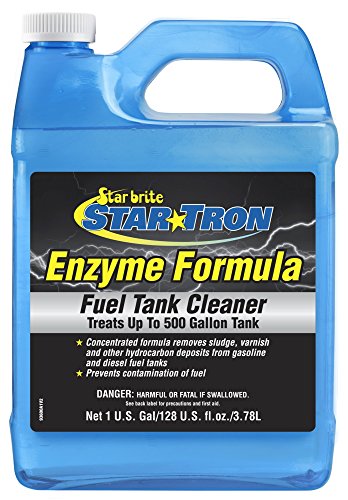
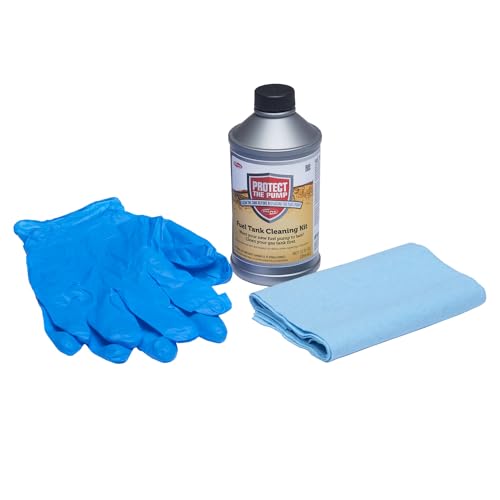
Gather Necessary Supplies

Before you begin the cleaning process, it’s important to collect all the necessary supplies. Having everything at hand not only makes the task easier but also ensures you complete the job efficiently. Here’s a list of items you will need:

– Fuel siphon pump or manual siphon: This is essential for safely removing fuel from the tank without spills.
– Cleaning agents: Options may include a mild detergent, vinegar, or specialized fuel tank cleaner. Each option has its benefits, with specialized cleaners often being more effective against stubborn residues.
– Soft brushes and cloths: These will help scrub the interior surfaces without scratching the plastic.
– Safety gear: Gloves, goggles, and a mask are crucial for protecting yourself from fumes and cleaning agents.
By gathering these supplies beforehand, you set yourself up for a successful cleaning session.
Drain the Fuel


The first step in cleaning your plastic fuel tank is to drain any remaining fuel. This must be done with care to prevent spills or accidents:
– Use a siphon pump: If you have a fuel siphon pump, attach it securely and proceed to siphon the fuel out of the tank. Ensure you are in a well-ventilated area to avoid inhaling fumes.
– Proper disposal: Once the fuel is drained, it is critical to dispose of it according to local regulations. Many areas have designated facilities for hazardous waste disposal, and you should never simply dump the fuel on the ground or in regular trash.
Draining the fuel not only prepares the tank for cleaning but also minimizes the risk of fire hazards.
Inspect the Tank

After the tank is emptied, the next step is to conduct a thorough inspection:
– Check for damage: Look for any visible cracks, holes, or deformities in the tank that could lead to leaks or compromise its integrity. If you find severe damage, consider replacing the tank instead of cleaning it.
– Sediment and sludge buildup: Inspect the bottom of the tank for any signs of sludge or sediment accumulation. This buildup can often be a major source of fuel contamination and may require more intensive cleaning.
This inspection phase is crucial to ensure that your tank is not only clean but also safe to use.
Clean the Interior
Now that you’ve inspected the tank, it’s time to clean its interior:
– Prepare your cleaning solution: Depending on your choice, mix the cleaning agent with water according to the instructions provided on the product label. If using vinegar or mild detergent, a ratio of 1:10 (cleaner to water) is usually effective.
– Scrubbing: Using soft brushes, scrub the sides and bottom of the tank. Pay special attention to areas with visible stains or residue, ensuring that you remove all contaminants without damaging the plastic.
This cleaning step not only removes dirt but also helps eliminate any remaining odors or residues that could affect future fuel quality.
Rinse Thoroughly
After scrubbing, it’s essential to rinse the tank thoroughly:
– Multiple rinses: Use clean water to rinse the tank several times, ensuring all soap or cleaning solution is completely washed away. Residual cleaning agents can contaminate your fuel, so take your time with this step.
– Check for residue: After rinsing, inspect the tank again. If you see any foamy residue or soap remnants, continue rinsing until all traces are gone.
A thorough rinse is vital for preparing the tank for refilling.
Dry the Tank
Once you are satisfied that the tank is clean, the next step is to dry it:
– Air drying: Allow the tank to air dry completely. This step is crucial because moisture can lead to fuel contamination or promote the growth of mold and bacteria.
– Wipe with cloths: If necessary, use soft cloths to wipe out any remaining moisture inside the tank. Ensure that no lint or residue from the cloths remains.
This drying phase ensures that the tank is ready for fresh fuel without any risk of contamination from leftover moisture.
Reassemble and Refill
After the tank is completely dry, you can reassemble any components you may have removed during the cleaning process:
– Reassemble components: Replace any parts that were taken off during the cleaning procedure, ensuring that all fittings and seals are secure.
– Refill with fresh fuel: Carefully refill the tank with new fuel, ensuring that you do not overfill. After refilling, check for any leaks or issues before starting your equipment.
This final step not only prepares your tank for use but also ensures that it operates smoothly without any issues related to contamination.
Common Contaminants Found in Plastic Fuel Tanks
| # | Contaminant | Common Sources | Impact on Fuel Quality |
|---|---|---|---|
| 1 | Water | Condensation, leaks | Causes phase separation |
| 2 | Dirt and Debris | Poor sealing, storage | Clogs fuel lines |
| 3 | Microbial Growth | Biodiesel, moisture | Can produce sludge |
| 4 | Rust | Metal components | Contaminates fuel |
| 5 | Additives | Fuel mixes | Can enhance performance |
| 6 | Fuel Residues | Old fuel, contaminants | Can clog injectors |
| 7 | Plasticizers | Degradation of tank materials | Can leach into fuel |
Top Cleaning Agents for Plastic Fuel Tanks
| Feature | ⭐ Specialized Cleaner | Mild Detergent | Vinegar |
|---|---|---|---|
| Effectiveness | ✅ High | ✅ Moderate | ✅ Low |
| Cost | $$$ | $ | $ |
| Environmental Impact | ✅ Eco-friendly | ✅ Eco-friendly | ✅ Eco-friendly |
| Ease of Use | ✅ Simple | ✅ Very Simple | ✅ Simple |
| Availability | ✅ Widely available | ✅ Common | ✅ Easily found |
| Odor Control | ✅ Excellent | ✅ Good | ✅ Fair |
| Residue Left | ✅ Minimal | ✅ Some | ✅ Moderate |
| Speed of Action | ✅ Fast | ✅ Medium | ✅ Slow |
| Overall Rating | ★★★★★ | ★★★☆☆ | ★★☆☆☆ |
| 🏆 Best For | Heavy contamination | General maintenance | Mild cleaning |
Cleaning your plastic fuel tank helps prolong its life and ensures your equipment runs efficiently. By following the steps outlined in this guide, you can keep your tank in top condition and prevent future issues related to fuel contamination. Remember that regular maintenance is key; consider implementing a cleaning schedule based on usage and environmental factors. If you have any further questions or need assistance regarding fuel tank maintenance, don’t hesitate to reach out to professionals for guidance.
Frequently Asked Questions
How do I safely clean a plastic fuel tank?
To safely clean a plastic fuel tank, first, ensure the tank is empty and free of any fuel vapors. Use a mixture of warm water and a mild detergent to scrub the interior with a soft brush, ensuring you reach all corners. Rinse thoroughly with clean water and allow the tank to air dry completely before refilling.
What cleaning solutions are best for removing fuel residues from a plastic fuel tank?
The best cleaning solutions for removing fuel residues from a plastic fuel tank include a mixture of vinegar and baking soda, or a specialized fuel tank cleaner available at automotive stores. These solutions effectively break down fuel residues without damaging the plastic. Always rinse the tank thoroughly after cleaning to eliminate any remaining cleaning agents.
Why is it important to clean a plastic fuel tank regularly?
Regularly cleaning a plastic fuel tank is crucial to prevent the buildup of sludge, dirt, and other contaminants that can clog fuel lines and damage the engine. It also helps maintain optimal fuel efficiency and performance. Neglecting this maintenance can lead to costly repairs and reduced vehicle reliability.
Which tools do I need to clean a plastic fuel tank effectively?
To clean a plastic fuel tank effectively, you will need a soft brush or sponge, a bucket for your cleaning solution, and a vacuum or siphon for removing old fuel. Additionally, protective gloves and eyewear are recommended to ensure safety while handling cleaning agents and working with fuel residues.
How often should I clean my plastic fuel tank?
It is recommended to clean your plastic fuel tank at least once a year or whenever you notice issues such as poor fuel flow or engine performance. Frequent use in harsh conditions or storing fuel for extended periods may require more regular cleaning. Keeping a clean tank ensures better fuel quality and longevity for your engine.
References
- https://www.sciencedirect.com/topics/engineering/fuel-tank
https://www.sciencedirect.com/topics/engineering/fuel-tank - https://www.ncbi.nlm.nih.gov/pmc/articles/PMC6591284/
https://www.ncbi.nlm.nih.gov/pmc/articles/PMC6591284/ - https://www.britannica.com/technology/fuel-tank
https://www.britannica.com/technology/fuel-tank - https://www.reuters.com/article/us-fuel-tanks-idUSKBN2A20BG
https://www.reuters.com/article/us-fuel-tanks-idUSKBN2A20BG - https://www.nytimes.com/2020/03/17/business/fuel-tank-cleaning.html
https://www.nytimes.com/2020/03/17/business/fuel-tank-cleaning.html - Google Scholar Google Scholar
https://scholar.google.com/scholar?q=how+to+clean+a+plastic+fuel+tank - Google Scholar Google Scholar
https://scholar.google.com/scholar?q=cleaning+plastic+fuel+tanks - Google Scholar Google Scholar
https://scholar.google.com/scholar?q=maintenance+of+plastic+fuel+tanks - https://www.cdc.gov/niosh/topics/chemicalhazards.html
https://www.cdc.gov/niosh/topics/chemicalhazards.html - how to clean a plastic fuel tank – Search results
https://en.wikipedia.org/wiki/Special:Search?search=how+to+clean+a+plastic+fuel+tank
