
How to Clean Wisdom Teeth Sockets with a Syringe
Cleaning wisdom teeth sockets with a syringe is a highly effective method to ensure proper healing and minimize the risk of infection following tooth extraction. This guide will provide you with detailed instructions on how to safely use a syringe to keep the extraction area clean, recommend appropriate solutions for flushing the sockets, and offer essential tips for avoiding complications.
Understanding Wisdom Teeth Sockets

Wisdom teeth sockets are the voids left in the gums after the removal of wisdom teeth, also known as third molars. These sockets can be breeding grounds for bacteria and food particles if not maintained properly. As the body heals, the sockets fill with blood clots that serve as the foundation for new tissue growth. However, if food debris accumulates in these areas, it can lead to complications such as dry socket, infection, or delayed healing. Therefore, effective cleaning of these sockets is crucial during the recovery process.
When to Start Cleaning the Sockets
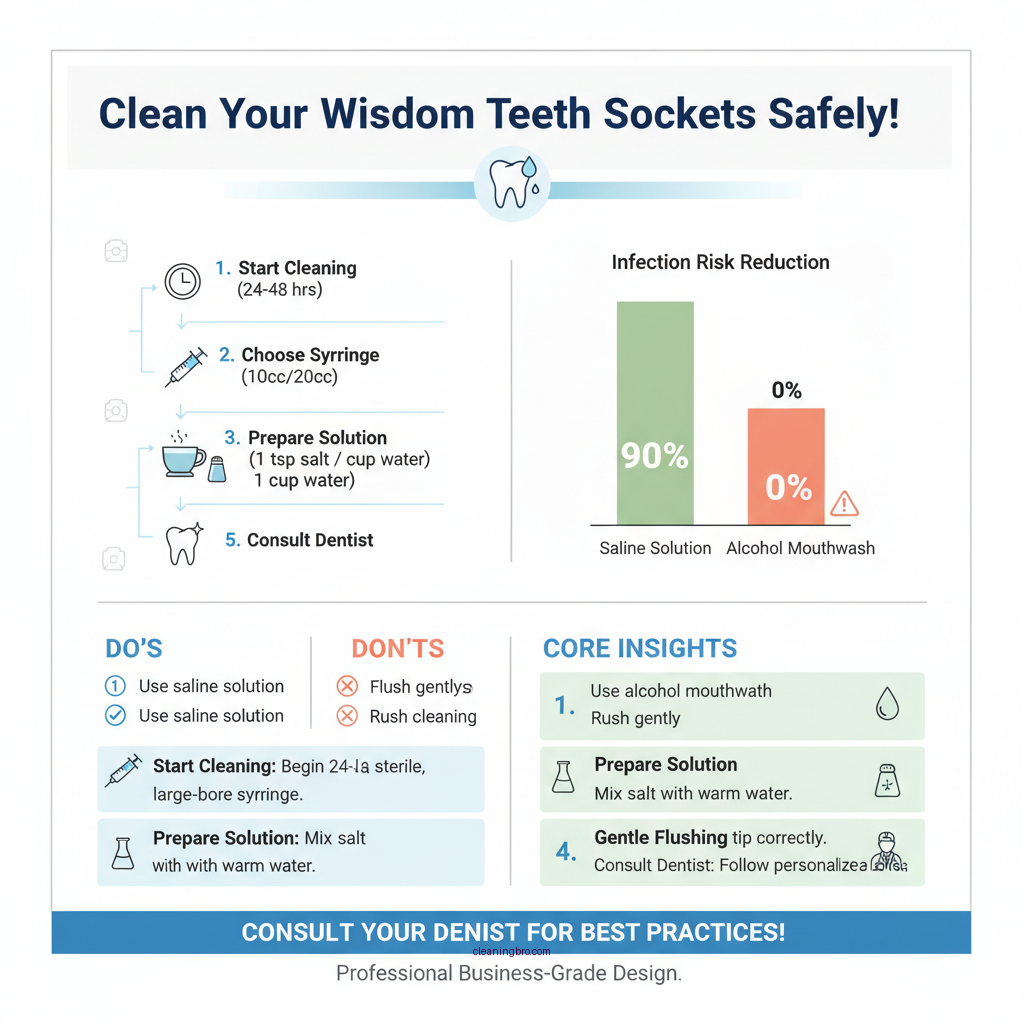

Cleaning of wisdom teeth sockets should typically begin 24 to 48 hours after the extraction procedure. This timeframe allows the initial clot to stabilize. However, the exact timing can vary based on individual circumstances and the complexity of the extraction. It is essential to consult with your dentist for personalized advice on when to initiate cleaning, as they may provide tailored recommendations based on your specific recovery progress and any unique considerations.
Choosing the Right Syringe
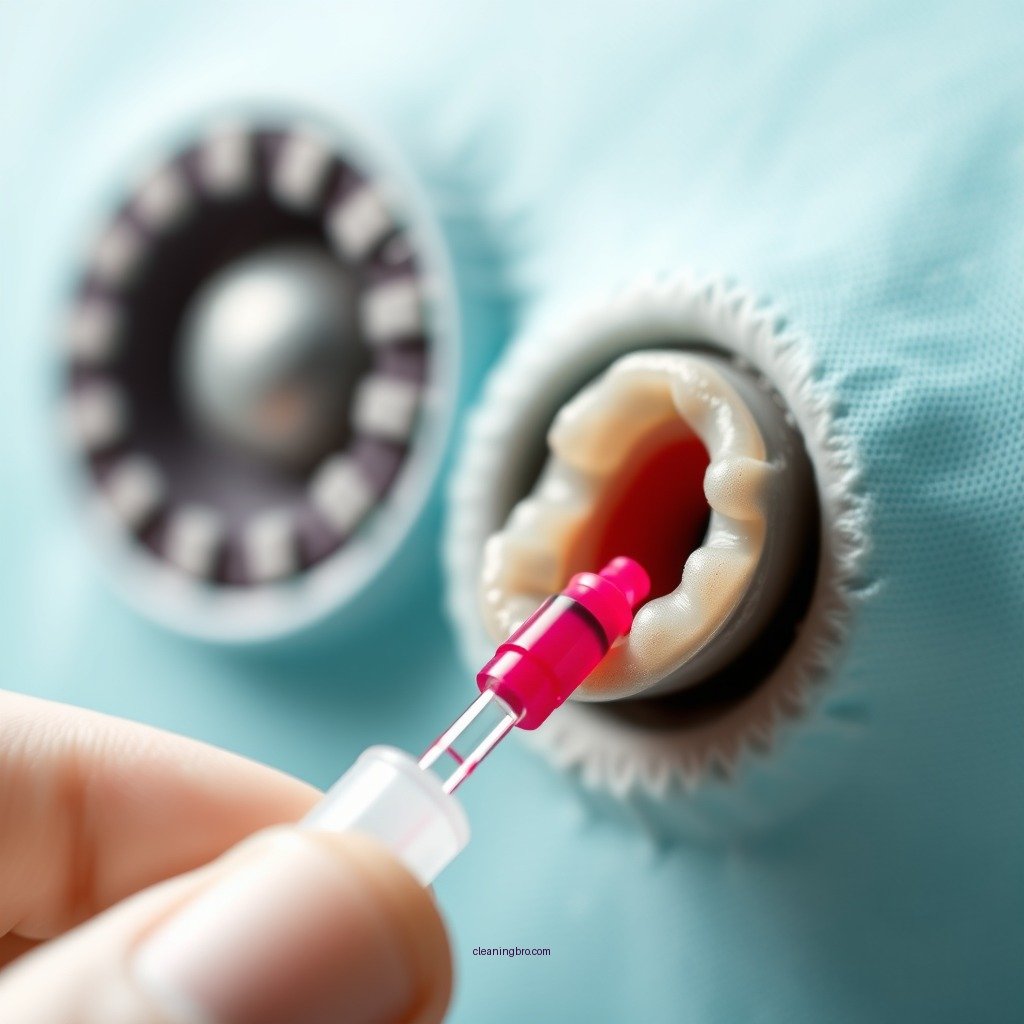
Selecting the right syringe is vital for effective cleaning of the sockets. A large-bore syringe, such as a 10cc or 20cc syringe, is often recommended as it allows for easier flushing of the sockets. Ensure that the syringe is sterile to prevent any introduction of bacteria that could compromise healing. You may obtain a syringe from your dentist or pharmacy, but remember to check that it is clean and unused before employing it for your post-surgical care.
Solutions for Cleaning the Sockets
When it comes to cleaning wisdom teeth sockets, the solution you use can significantly impact healing. A saline solution is ideal for this purpose, as it is gentle on the healing tissue and helps flush out debris effectively. You can create a saline solution at home by mixing one teaspoon of salt in a cup of warm water. Alternatively, warm water alone can also be utilized. It is important to avoid mouthwashes containing alcohol, as these can irritate the sensitive gum tissue and impede the healing process.
Proper Cleaning Technique
To clean the sockets, fill the syringe with your chosen solution and gently place the tip into the socket. Aim to squirt the solution toward the back of the socket, which can help dislodge any trapped food particles. Avoid using excessive force while doing this, as aggressive flushing may cause pain or damage to the healing tissues. Instead, use a gentle and steady pressure to ensure the solution flows comfortably into the area. Ideally, this procedure should be performed after meals to prevent food accumulation.
Tips for Effective Cleaning
For optimal results, consider the following tips for effective cleaning of wisdom teeth sockets:
1. Frequency: Clean the sockets after every meal to prevent food debris from accumulating.
2. Gentleness: Always use gentle pressure when flushing the sockets to avoid discomfort or injury to the healing tissue.
3. Rinse and Repeat: Follow up the syringe cleaning with a gentle rinse of warm salt water to further aid in disinfection.
4. Monitor Your Progress: Keep an eye on the healing process and note any changes or discomfort in the socket areas.
Signs of Infection to Watch Out For
It is crucial to remain vigilant for signs of infection while recovering from wisdom teeth extraction. Some symptoms to monitor include:
– Increased swelling around the extraction site.
– Persistent or worsening pain that does not improve with pain relievers.
– Discharge from the sockets, especially if it is yellow or foul-smelling.
– Fever or chills, which may indicate a systemic infection.
If you notice any of these signs, it is imperative to contact your dentist immediately. Early intervention can prevent more severe complications and promote a quicker recovery.
In summary, caring for your wisdom teeth sockets is essential for a successful recovery. By utilizing a syringe to clean the sockets effectively and following the recommended guidelines, you can maintain cleanliness and support the healing process. If you encounter any concerns or complications, do not hesitate to seek professional advice from your dental care provider.
Top 7 Solutions for Cleaning Wisdom Teeth Sockets (2024)
| # | Solution | Ease of Use | Effectiveness | Recommended |
|---|---|---|---|---|
| 1 | Saline Solution | Easy | Highly Effective | ✔️ |
| 2 | Warm Water | Very Easy | Effective | ✔️ |
| 3 | Hydrogen Peroxide Dilution | Moderate | Very Effective | ✔️ |
| 4 | Baking Soda Solution | Easy | Effective | ✔️ |
| 5 | Chamomile Tea Rinse | Moderate | Effective | ✔️ |
| 6 | Apple Cider Vinegar Dilution | Moderate | Effective | ✔️ |
| 7 | Commercial Mouthwash (Alcohol-free) | Easy | Mildly Effective | ✔️ |
Saline Solution vs Warm Water vs Hydrogen Peroxide
| Feature | ⭐ Saline Solution | Warm Water | Hydrogen Peroxide |
|---|---|---|---|
| Ease of Preparation | Very Easy | Very Easy | Moderate |
| Effectiveness | ✅ Highly Effective | ✅ Effective | ✅ Very Effective |
| Irritation Potential | ✅ Low | ✅ Very Low | ❌ Moderate |
| Taste | Salty | Neutral | Sour |
| Preparation Time | 1 min | 1 min | 5 min |
| Storage Requirements | Room Temp | Room Temp | Cool, Dry Place |
| Cost | Low | Low | Moderate |
| Availability | Readily Available | Readily Available | Common |
| 🏆 Best For | General Use | Gentle Cleaning | Effective Debris Removal |
In conclusion, maintaining cleanliness in your wisdom teeth sockets with a syringe is essential for swift and successful recovery. By understanding the appropriate techniques, solutions, and timing for cleaning, you can significantly reduce the risk of infection and promote healing. For any concerns, always consult with your dental professional for tailored advice and support.
Frequently Asked Questions
How do I properly clean my wisdom teeth sockets with a syringe?
To clean your wisdom teeth sockets with a syringe, first fill a clean syringe with warm salt water or a prescribed saline solution. Gently insert the tip into the socket and carefully flush out any food debris or blood clots by applying a gentle squeeze. Repeat this process several times daily, especially after meals, to maintain socket hygiene and promote healing.
What type of syringe is best for cleaning wisdom teeth sockets?
A 10-ml or 20-ml syringe with a soft, flexible tip is generally best for cleaning wisdom teeth sockets. This size allows for adequate water flow without excessive pressure, which can be harmful. Ensure that the syringe is sterile before use to prevent any infection during the cleaning process.
Why is it important to clean wisdom teeth sockets after extraction?
Cleaning wisdom teeth sockets after extraction is crucial to prevent infection and encourage proper healing. Food particles and bacteria can accumulate in the sockets, leading to complications such as dry socket or infection. Regularly cleaning these areas helps to reduce the risk of these issues and promotes faster recovery.
How often should I clean my wisdom teeth sockets with a syringe?
You should clean your wisdom teeth sockets with a syringe at least two to three times a day, especially after meals. This frequency helps to remove any food debris and bacteria, reducing the chance of infection and promoting optimal healing. Always consult your dentist for personalized recommendations based on your recovery.
Which solutions are safe to use for cleaning wisdom teeth sockets?
Safe solutions for cleaning wisdom teeth sockets include warm salt water, which can help reduce inflammation and promote healing, or a saline solution recommended by your dentist. Avoid using harsh antiseptics or alcohol-based rinses, as these can irritate the healing tissue. Always follow your dentist’s advice for the best cleaning regimen for your specific situation.
References
- https://www.mayoclinic.org/diseases-conditions/dental-impaction/symptoms-causes/syc-20357243
https://www.mayoclinic.org/diseases-conditions/dental-impaction/symptoms-causes/syc-20357243 - Young’s Rule – StatPearls – NCBI Bookshelf
https://www.ncbi.nlm.nih.gov/books/NBK554603/ - https://www.ncbi.nlm.nih.gov/pmc/articles/PMC4808378/
https://www.ncbi.nlm.nih.gov/pmc/articles/PMC4808378/ - https://www.ncbi.nlm.nih.gov/pmc/articles/PMC7010125/
https://www.ncbi.nlm.nih.gov/pmc/articles/PMC7010125/ - https://www.cdc.gov/oralhealth/conditions/impacted-wisdom-teeth.html
https://www.cdc.gov/oralhealth/conditions/impacted-wisdom-teeth.html - Oral health
https://www.who.int/news-room/fact-sheets/detail/oral-health - https://www.healthline.com/health/dental-and-oral-health/wisdom-teeth-surgery-recovery
https://www.healthline.com/health/dental-and-oral-health/wisdom-teeth-surgery-recovery - Google Scholar Google Scholar
https://scholar.google.com/scholar?q=cleaning+wisdom+teeth+socket - Google Scholar Google Scholar
https://scholar.google.com/scholar?q=post-operative+care+wisdom+teeth - Google Scholar Google Scholar
https://scholar.google.com/scholar?q=wisdom+teeth+syringe+cleaning+techniques