How to Clean a Cooling Towel: A Step-by-Step Guide
Cleaning a cooling towel is straightforward and only requires a few simple steps. Regular maintenance will help keep your towel fresh and effective for cooling. In this guide, you’ll learn how to properly clean your cooling towel to ensure it remains in top condition for your workouts or outdoor activities.
Understanding the Material
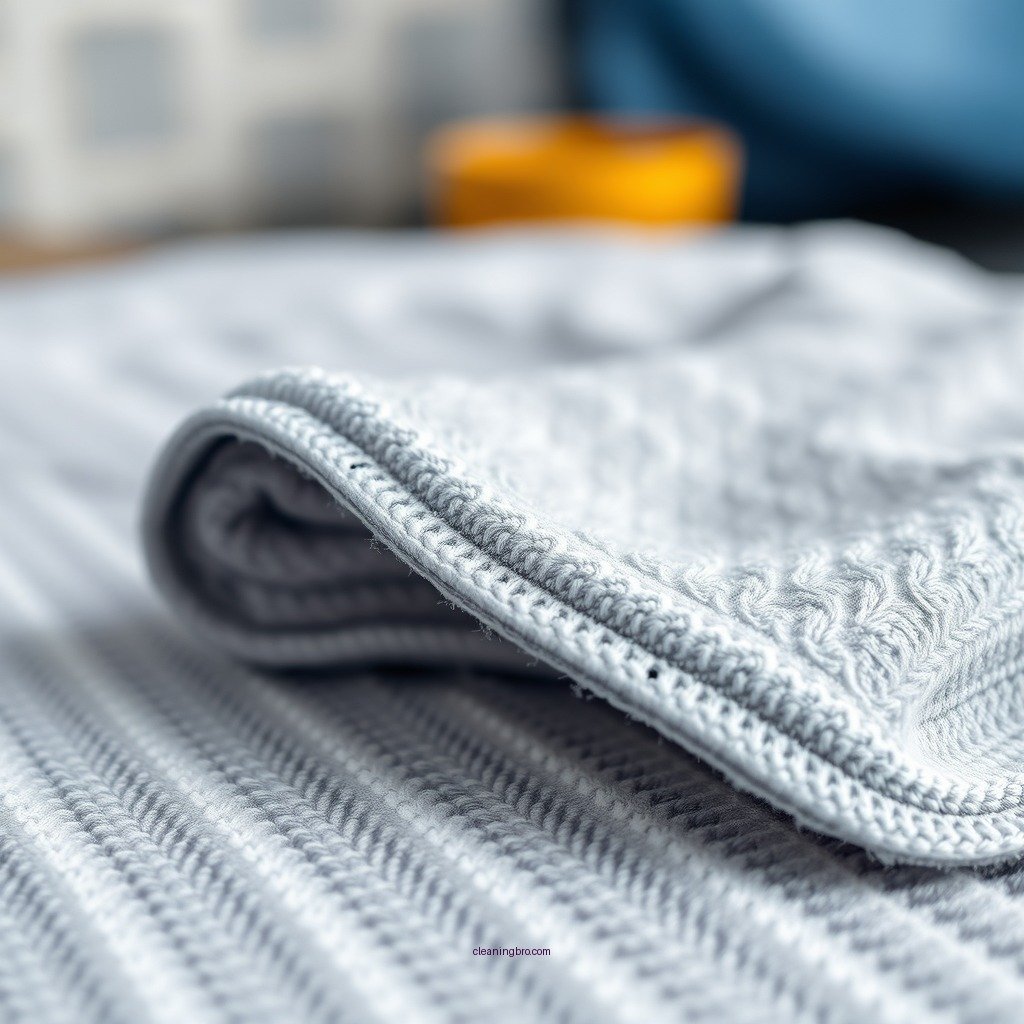
Cooling towels are primarily constructed from synthetic materials like polyester or nylon, which are specifically designed for quick absorption and rapid evaporation. These materials work effectively by drawing moisture away from the skin and releasing it into the air, thus providing a cooling effect. Understanding the specific material of your cooling towel is crucial because it influences the cleaning method you should adopt. For instance, towels made of microfiber may require gentler handling than those made from heavier polyester blends. Familiarity with your towel’s material will not only help maintain its cooling efficiency but also extend its overall lifespan.
Basic Cleaning Steps
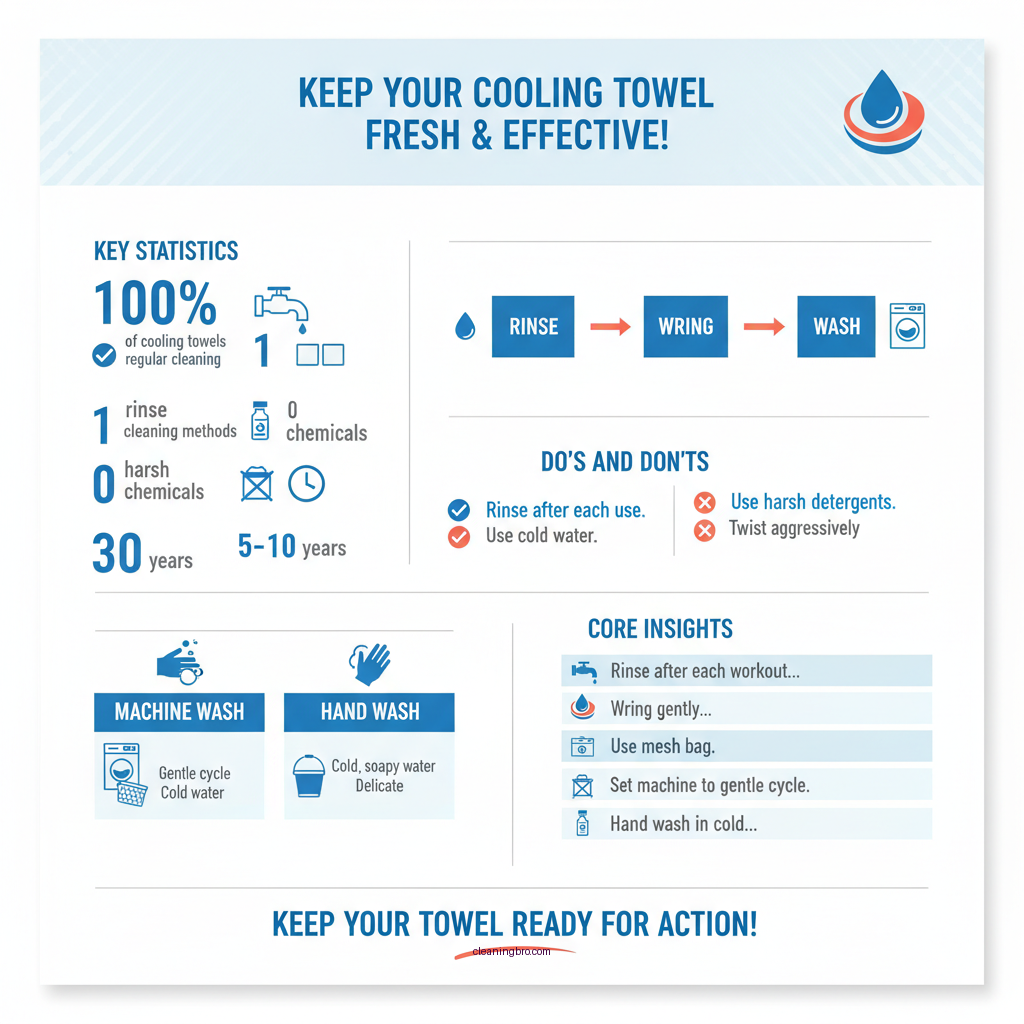
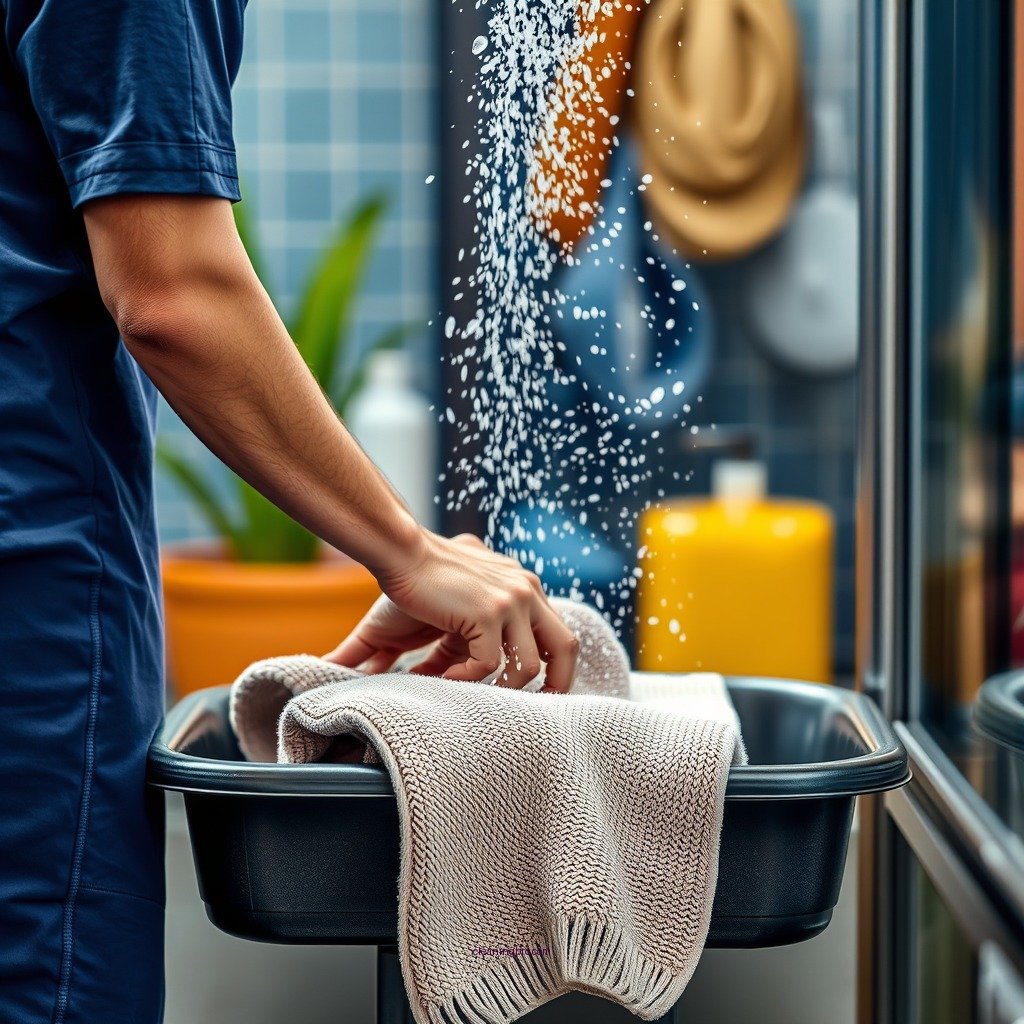
After each use, it is essential to rinse your cooling towel under cold water. This initial rinse helps to remove sweat, dirt, and any other debris that may have accumulated during your workout. Gently wringing out the excess water is also important; however, avoid twisting the towel too aggressively, as this can damage the fibers and compromise its ability to cool effectively.
As a general rule, you should clean your cooling towel every time you use it, especially if it has been exposed to sweat or dirt. This regular maintenance ensures that your towel remains hygienic and functional for your next workout session.
Washing Machine Instructions
For a more thorough cleaning, you can machine wash your cooling towel. To protect it during washing, place the towel in a mesh laundry bag. This step prevents the fabric from snagging or getting tangled with other garments. Set your washing machine to a gentle cycle with cold water and use a mild detergent—harsh chemicals can degrade the synthetic fibers and diminish the towel’s cooling properties. Avoid using bleach or fabric softeners, as these can cause unwanted residue to build up on the towel, affecting its performance. Once the cycle is complete, you can proceed to the drying phase.
Hand Washing Technique
If you prefer a more delicate approach, hand washing is an excellent option. Begin by filling a basin or sink with cold water and adding a small amount of mild detergent. Submerge the cooling towel into the soapy water and allow it to soak for about 10 to 15 minutes. During this time, gently agitate the towel to ensure that all areas are cleaned thoroughly. After soaking, rinse the towel thoroughly under cold running water until all soap residue is removed. Proper rinsing is vital, as leftover detergent can irritate the skin during subsequent uses.
Drying Your Cooling Towel
How you dry your cooling towel is just as important as how you wash it. Avoid using a dryer, as high heat can damage the fabric’s cooling properties and lead to irreversible degradation. Instead, air dry the towel on a flat surface or hang it up, ensuring that it is kept away from direct sunlight, which can cause fading and weaken the fibers over time. If possible, place it in a ventilated area to expedite the drying process while preserving its integrity.
Maintaining Freshness
To maintain the freshness of your cooling towel, store it in a cool, dry place. This practice helps prevent the growth of mold and unpleasant odors. If you notice any lingering smells despite regular cleaning, consider using a fabric freshener or creating a vinegar solution—mix equal parts of water and white vinegar, spray lightly on the towel, and allow it to air dry. This method not only neutralizes odors but also helps keep the towel hygienic.
When to Replace Your Cooling Towel
Even with regular cleaning, cooling towels do not last indefinitely. Be vigilant for signs of wear and tear such as fraying edges, discoloration, or loss of cooling efficiency. If your towel develops an unpleasant odor that persists despite washing, it may be time to consider a replacement. Generally, a well-maintained cooling towel can last for several months to a couple of years, depending on usage frequency and care.
Keeping your cooling towel clean is essential for optimal performance and longevity. By adhering to these simple steps, you can ensure that your towel remains fresh and effective for all your cooling needs. Start implementing these cleaning techniques today to extend the life of your cooling towel!
Top Cooling Towel Brands (2024)
| # | Brand | Material | Cooling Effect Duration | Price Range |
|---|---|---|---|---|
| 1 | Frogg Toggs | Polyester | 2-4 hours | $10-$20 |
| 2 | Mission | Nylon | 2-3 hours | $15-$25 |
| 3 | Chill Pal | Microfiber | 1-2 hours | $12-$18 |
| 4 | Towel Tech | Polyester | 3-5 hours | $20-$35 |
| 5 | Sukeen | Nylon | 1-2 hours | $8-$15 |
| 6 | Zensah | Microfiber | 2-4 hours | $15-$30 |
| 7 | Hyper Ice | Polyester | 2-3 hours | $22-$40 |
Cooling Towel Comparison: Frogg Toggs vs. Mission vs. Chill Pal
| Feature | ⭐ Frogg Toggs | Mission | Chill Pal |
|---|---|---|---|
| Material | Polyester | Nylon | Microfiber |
| Cooling Duration | 2-4 hours | 2-3 hours | 1-2 hours |
| Price | $10-$20 | $15-$25 | $12-$18 |
| Washing Method | Machine/Hand | Machine/Hand | Hand |
| Quick Dry | ✅ | ✅ | ❌ |
| UV Protection | ✅ | ✅ | ❌ |
| Machine Washable | ✅ | ✅ | ❌ |
| Durability | High | Medium | Low |
| 🏆 Best For | Versatile and budget-friendly use | High performance athletes | Casual users |
In summary, maintaining a clean and functional cooling towel is crucial for maximizing its effectiveness and longevity. By understanding the materials, following proper cleaning steps, and recognizing when to replace your towel, you can ensure that it serves you well in all your heat-intensive activities. Implement these practices regularly, and you’ll enjoy the cooling benefits for many workouts or outdoor adventures to come.
Frequently Asked Questions
How do you properly clean a cooling towel?
To properly clean a cooling towel, start by rinsing it under cold water to remove any sweat or dirt. Then, use a mild detergent and gently hand wash the towel, avoiding harsh chemicals that could damage the fabric. Rinse thoroughly and hang it to dry in a shaded area to preserve its cooling properties.
What is the best way to maintain the effectiveness of a cooling towel?
To maintain the effectiveness of a cooling towel, wash it regularly after each use to prevent bacteria buildup. Avoid using fabric softeners or bleach, as these can affect its cooling capabilities. Store the towel in a cool, dry place, and keep it away from direct sunlight to prolong its life.
Why is it important to clean a cooling towel after each use?
Cleaning a cooling towel after each use is important to prevent the growth of bacteria and odors that can develop from sweat and moisture. Regular cleaning helps maintain the towel’s cooling efficiency and ensures a hygienic experience, especially if used during workouts or in hot weather.
Which washing methods are safe for cooling towels?
Safe washing methods for cooling towels include hand washing with a mild detergent or using a gentle cycle in a washing machine. Always check the care instructions on the towel’s label, as some materials may require special handling. Avoid high heat in drying, as it can damage the cooling technology.
Can you machine wash a cooling towel, and how should it be done?
Yes, you can machine wash a cooling towel, but it’s best to use a gentle cycle with cold water to avoid damaging the fabric. Make sure to place the towel in a mesh laundry bag to prevent snagging. After washing, air dry or tumble dry on low heat to preserve its cooling features.
References
- https://www.cdc.gov/niosh/docs/2016-102/pdfs/2016-102.pdf
https://www.cdc.gov/niosh/docs/2016-102/pdfs/2016-102.pdf - https://www.ncbi.nlm.nih.gov/pmc/articles/PMC6519783/
https://www.ncbi.nlm.nih.gov/pmc/articles/PMC6519783/ - https://www.sciencedirect.com/science/article/pii/S187705091830184X
https://www.sciencedirect.com/science/article/pii/S187705091830184X - https://www.mayoclinic.org/healthy-lifestyle/consumer-health/in-depth/cooling-towels/art-20422388
https://www.mayoclinic.org/healthy-lifestyle/consumer-health/in-depth/cooling-towels/art-20422388 - News
https://www.who.int/news-room/q-a-detail/heatwaves - https://www.nhlbi.nih.gov/health-topics/hyperthermia
https://www.nhlbi.nih.gov/health-topics/hyperthermia - https://www.bbc.com/news/health-48253811
https://www.bbc.com/news/health-48253811 - https://www.reuters.com/article/us-health-heatwaves-idUSKBN1JK1O3
https://www.reuters.com/article/us-health-heatwaves-idUSKBN1JK1O3 - Google Scholar Google Scholar
https://scholar.google.com/scholar?q=how+to+clean+a+cooling+towel - Google Scholar Google Scholar
https://scholar.google.com/scholar?q=cooling+towels+cleaning+maintenance