How to Clean a Glass Bowl Using Boiling Water
To clean a glass bowl effectively using boiling water, simply pour the boiling water directly into the bowl and let it sit for a few minutes. This method helps to loosen any stuck-on food or stains, making it easier to wipe clean. Not only does this technique save time, but it also sanitizes the bowl, ensuring a hygienic cooking and serving experience. In this article, you’ll learn the steps to clean your glass bowls safely and efficiently, as well as some additional tips for maintaining their clarity.
Understanding the Benefits of Boiling Water Cleaning
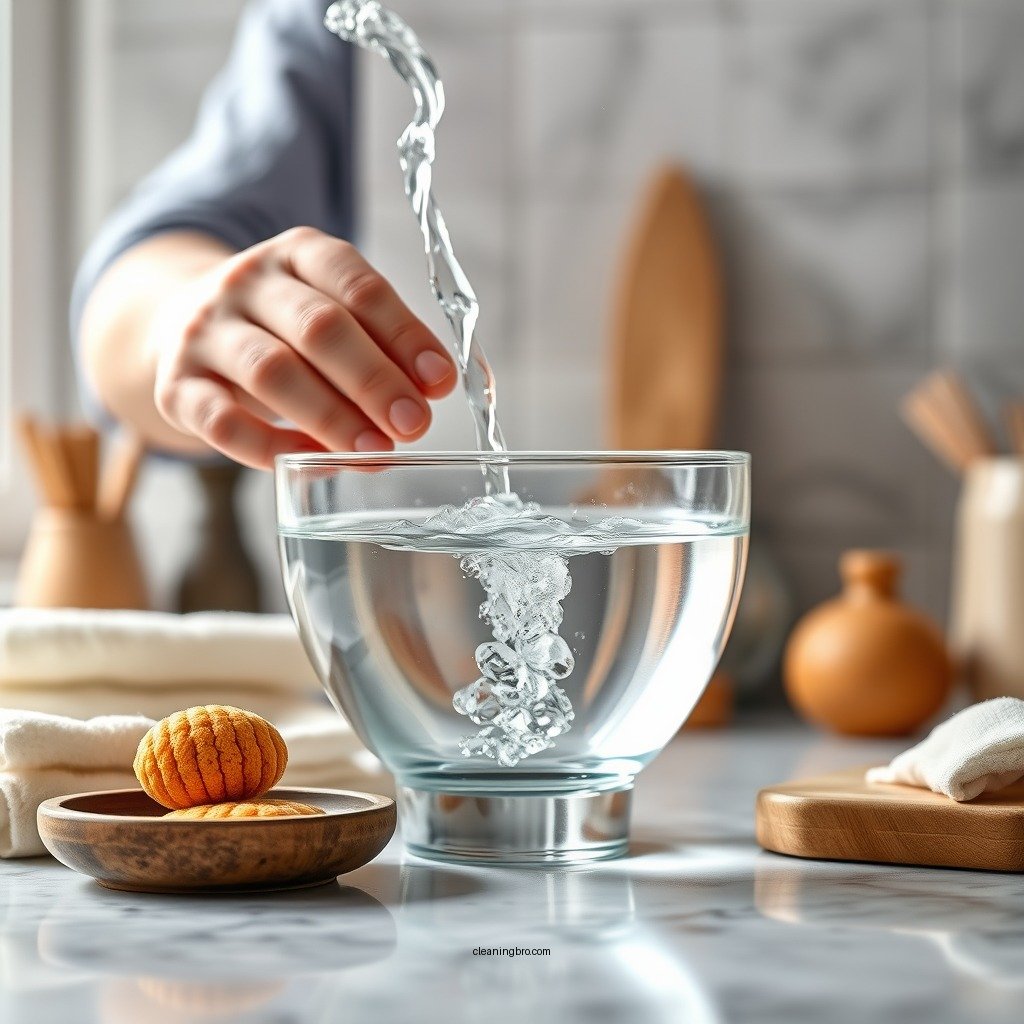
Cleaning glass bowls with boiling water offers several advantages over traditional cleaning methods. One of the primary benefits is its ability to dissolve grease and grime effectively. The high temperature of boiling water helps to break down residues that may cling to the glass surface, making it much easier to wipe away. Additionally, this method is environmentally friendly, as it often requires no harsh chemicals or detergents that can leave behind harmful residues.
Moreover, boiling water can effectively sanitize the bowl. It eliminates bacteria and other microorganisms that may be present, which is particularly important if the bowl has been used to store or serve food. By incorporating boiling water into your cleaning routine, you not only achieve a sparkling clean bowl but also ensure that it is safe for future use.
Preparing Your Glass Bowl for Cleaning
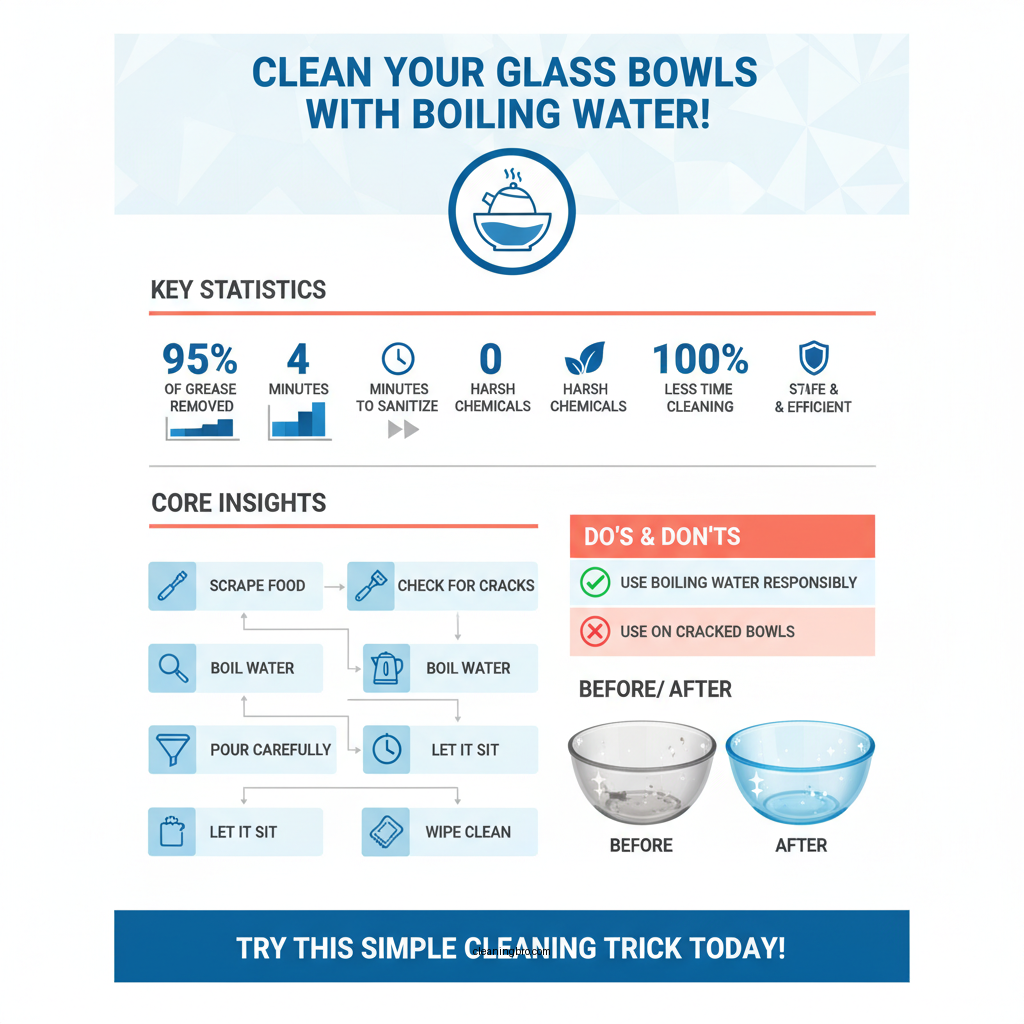
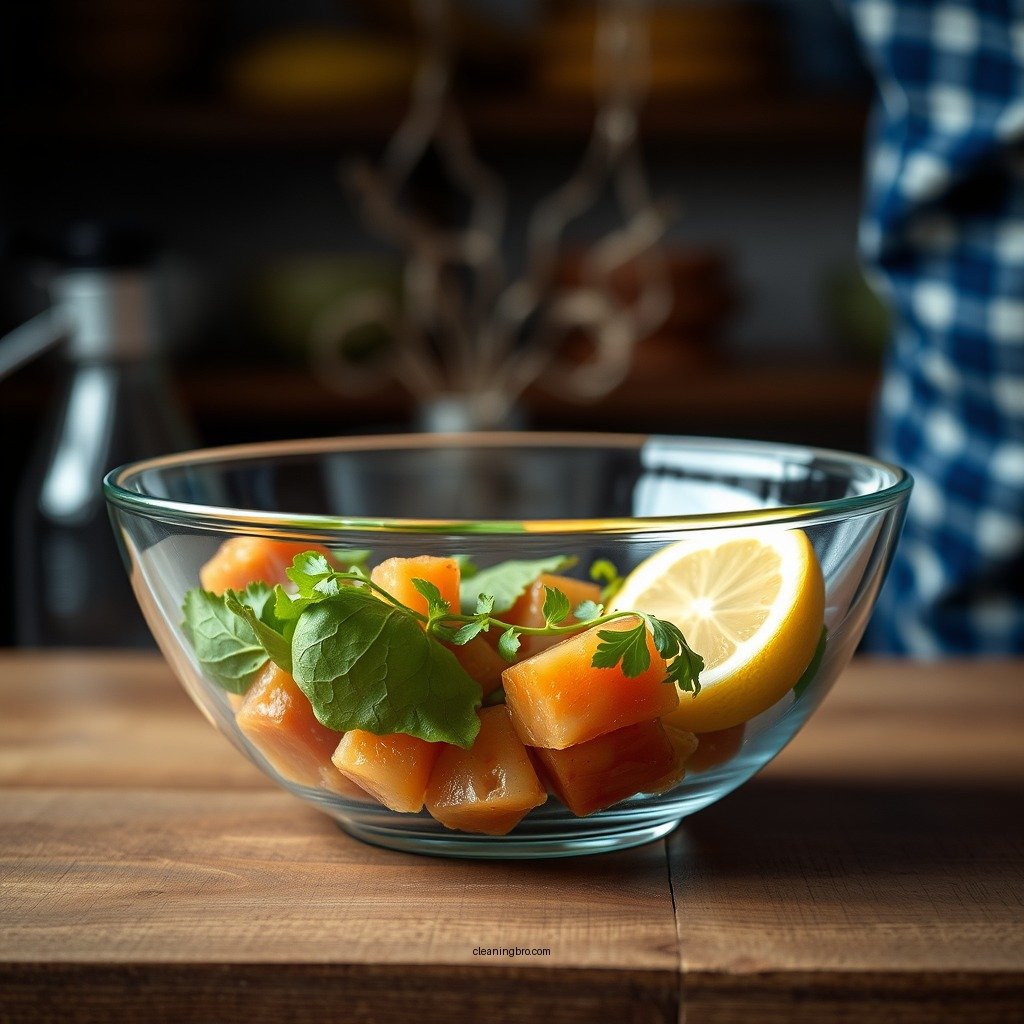
Before you begin the cleaning process, it’s essential to prepare your glass bowl properly. Start by ensuring that the bowl is free from any large food particles. Scrape out any remnants of food or sauce, as these can hinder the effectiveness of the boiling water.
Next, check for any cracks or chips in the glass. If the bowl is damaged, exposing it to boiling water may cause it to shatter due to thermal shock. If you find any imperfections, it’s best to avoid using that bowl for this cleaning method and instead opt for a different one.
The Step-by-Step Cleaning Process
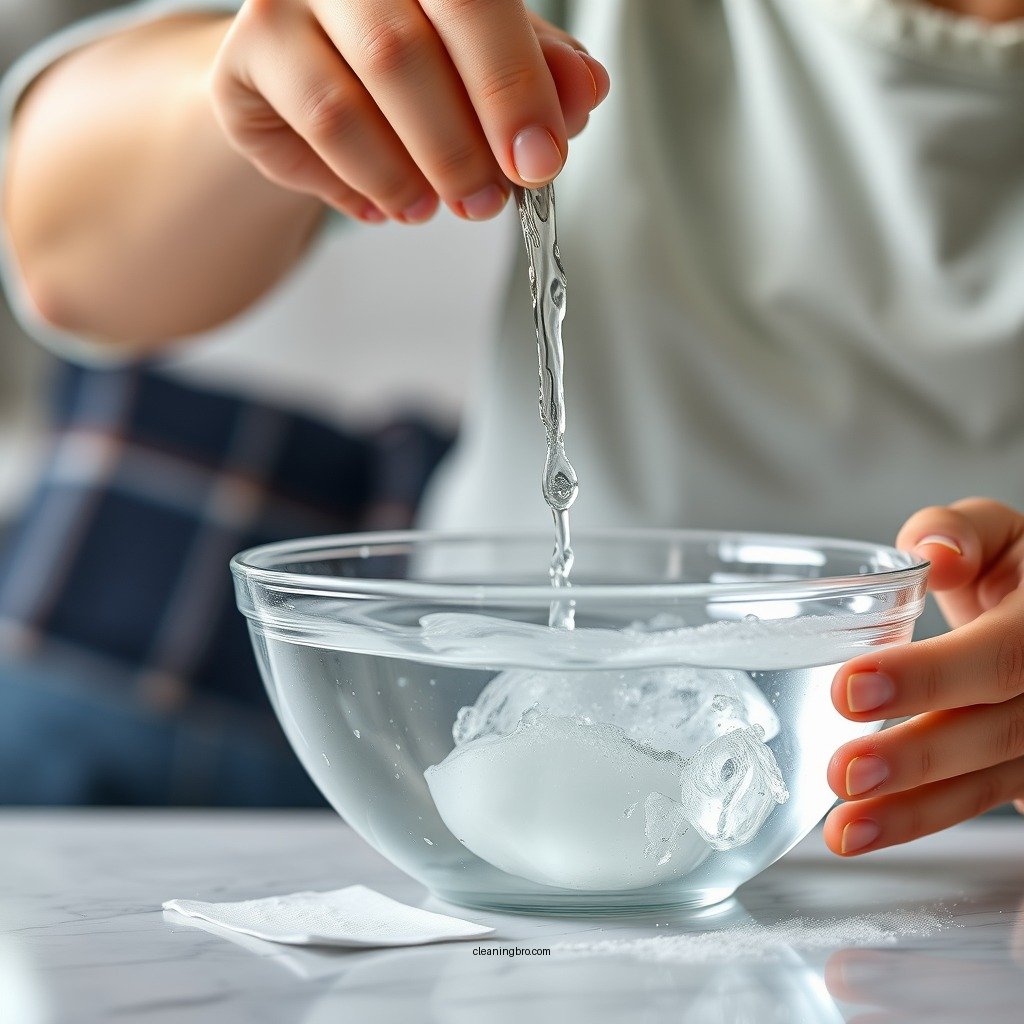
1. Boil Enough Water: Begin by boiling a sufficient amount of water, enough to fill the bowl completely. Depending on the size of the bowl, this may vary from a few cups to a full kettle.
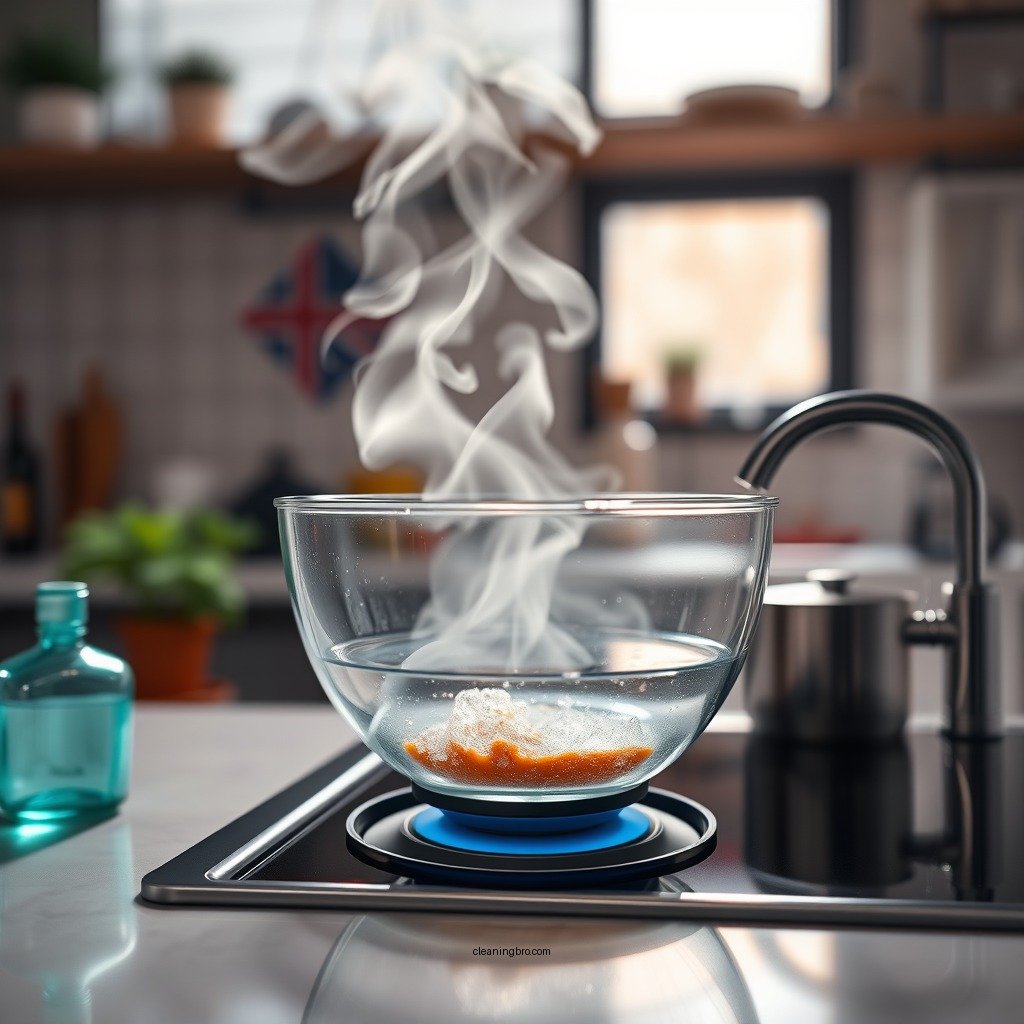
2. Carefully Pour the Boiling Water: Once the water reaches a rolling boil, carefully pour it into the glass bowl. It’s crucial to pour slowly to prevent splashing, which could lead to burns or spills.
3. Monitor the Bowl: Keep an eye on the bowl as the water fills it. Ensure that the bowl is stable and that the boiling water does not overflow.
Top 7 Glass Bowl Brands by Popularity (2024)
| # | Brand | Material | Heat Resistance | Dishwasher Safe |
|---|---|---|---|---|
| 1 | Pyrex | Borosilicate Glass | Up to 450°F | ✅ |
| 2 | Anchor Hocking | Tempered Glass | Up to 425°F | ✅ |
| 3 | Libbey | Soda Lime Glass | Up to 350°F | ✅ |
| 4 | Bormioli Rocco | Glass | Up to 400°F | ✅ |
| 5 | KitchenAid | Colored Glass | Up to 350°F | ✅ |
| 6 | Corelle | Vitrelle Glass | Up to 350°F | ✅ |
| 7 | Zak Designs | BPA-free Plastic | Not Applicable | ❌ |
Allowing the Bowl to Soak
After pouring the boiling water into the bowl, the next step is to allow it to soak. Let the bowl sit for about 5-10 minutes. This soaking period is crucial, as it gives the heat time to penetrate the stuck-on food and stains, effectively loosening them.
During this time, you can periodically check the water level and add more boiling water if necessary to keep the bowl submerged. This ensures that all areas of the bowl receive the heat treatment, maximizing the cleaning effect.
Final Cleaning and Rinsing
Once the soaking time has elapsed, it’s time for the final cleaning step. Use a soft sponge or cloth to gently wipe away any remaining residue. Avoid abrasive materials as they can scratch the glass, diminishing its clarity and aesthetic appeal.
After you’ve wiped down the bowl, rinse it with warm water to remove any soap or debris. This last step ensures that your glass bowl is not only clean but also free from any lingering cleaning agents that could affect its next use.
Glass Bowl Cleaning Methods: Boiling Water vs. Vinegar vs. Baking Soda
| Feature | ⭐ Boiling Water | Vinegar | Baking Soda |
|---|---|---|---|
| Effectiveness | High | Medium | Medium |
| Time Required | 5-10 mins | 15-30 mins | 10-20 mins |
| Sanitization | High | Medium | Low |
| Environmental Impact | Low | Medium | Low |
| Ease of Use | Very Easy | Easy | Moderate |
| Cost | Free | Low | Low |
| Residue Left | None | Possible | Possible |
| Special Equipment Needed | No | No | No |
| Suitability for Greasy Foods | High | Medium | Low |
| 🏆 Best For | Quick Cleaning | Odor Removal | Stubborn Stains |
Tips for Preventing Stains and Build-Up
To maintain the clarity and cleanliness of your glass bowls over time, consider implementing a few preventive measures. One of the most effective strategies is to avoid using the bowl for very greasy or sticky foods. Foods such as sauces, marinades, or oils can leave residues that are challenging to clean if not addressed promptly.
Additionally, regular cleaning is essential to prevent heavy build-up. Make it a habit to wash your glass bowls after each use, even if they appear clean. This will help minimize the accumulation of stains and make the periodic deep cleaning process much simpler.
Safe Handling of Glass Bowls
When working with glass bowls, particularly when using boiling water for cleaning, safety should be a top priority. Always allow the bowl to cool before washing it with cold water. Sudden temperature changes can lead to thermal shock, potentially causing the bowl to crack or shatter.
Moreover, utilize oven mitts or heat-resistant gloves when handling hot glass to prevent burns. It’s also wise to place the bowl on a heat-resistant surface to avoid damaging countertops or tables.
In conclusion, maintaining the clarity and cleanliness of your glass bowls is simple with the boiling water method. This technique not only cleans effectively but also ensures your bowls remain hygienic. By following the outlined steps and safety tips, you can enjoy sparkling results every time you clean your glassware. Implement this method next time you need to clean your glass bowls and experience the difference for yourself!
Frequently Asked Questions
How do I effectively clean a glass bowl using boiling water?
To clean a glass bowl using boiling water, first, ensure the bowl is heat-resistant. Fill a pot with water and bring it to a rolling boil. Carefully pour the boiling water over the glass bowl, allowing it to sit for a few minutes to loosen any stuck-on residue. Afterward, use a non-abrasive sponge to scrub the bowl gently, then rinse with warm water and dry with a soft cloth.
What are the benefits of using boiling water to clean a glass bowl?
Using boiling water to clean a glass bowl helps to dissolve grease and food particles effectively, making it easier to remove stubborn stains. The high temperature of the boiling water also sanitizes the glass, killing bacteria and germs. This method is eco-friendly as it requires no harsh chemicals, ensuring your glass bowl is safe for food use afterwards.
Why should I avoid using cold water on a hot glass bowl?
Avoid using cold water on a hot glass bowl because the sudden temperature change can cause the glass to crack or shatter due to thermal shock. It’s essential to let the bowl cool down gradually after cleaning with boiling water. This practice not only preserves the integrity of the glass but also extends the life of your bowl.
Which cleaning supplies work best when cleaning glass bowls with boiling water?
When cleaning glass bowls with boiling water, it’s best to use a non-abrasive sponge or cloth to avoid scratching the surface. You can also add a few drops of dish soap to the boiling water for added cleaning power. For tough stains, consider mixing baking soda with water to create a paste that can be applied after boiling to further enhance the cleaning process.
What should I do if my glass bowl has stubborn stains after boiling water cleaning?
If your glass bowl still has stubborn stains after using boiling water, try soaking the bowl in a mixture of equal parts vinegar and water for about 30 minutes. The acidity of the vinegar helps break down tough stains. After soaking, use a soft sponge to scrub the stains gently, rinse well, and dry to restore the bowl’s clarity.
References
- 3 Ways to Clean Glass – wikiHow
https://www.wikihow.com/Clean-Glass - https://www.sciencedirect.com/topics/earth-and-planetary-sciences/glass-cleaning
https://www.sciencedirect.com/topics/earth-and-planetary-sciences/glass-cleaning - Glass | Definition, Composition, Material, Types, & Facts | Britannica
https://www.britannica.com/science/glass - https://www.ncbi.nlm.nih.gov/pmc/articles/PMC6124061/
https://www.ncbi.nlm.nih.gov/pmc/articles/PMC6124061/ - https://www.cdc.gov/healthywater/hygiene/cleaning/cleaning.html
https://www.cdc.gov/healthywater/hygiene/cleaning/cleaning.html - Google Scholar Google Scholar
https://scholar.google.com/scholar?q=cleaning+glass+bowl+boiling+water - Google Scholar Google Scholar
https://scholar.google.com/scholar?q=how+to+clean+glass+using+heat - https://www.nytimes.com/2021/04/15/style/how-to-clean-glass.html
https://www.nytimes.com/2021/04/15/style/how-to-clean-glass.html - https://www.hindawi.com/journals/ijce/2020/8887761/
https://www.hindawi.com/journals/ijce/2020/8887761/ - https://www.mayoclinic.org/healthy-lifestyle/home-and-garden/in-depth/cleaning-tips/art-20044531
https://www.mayoclinic.org/healthy-lifestyle/home-and-garden/in-depth/cleaning-tips/art-20044531