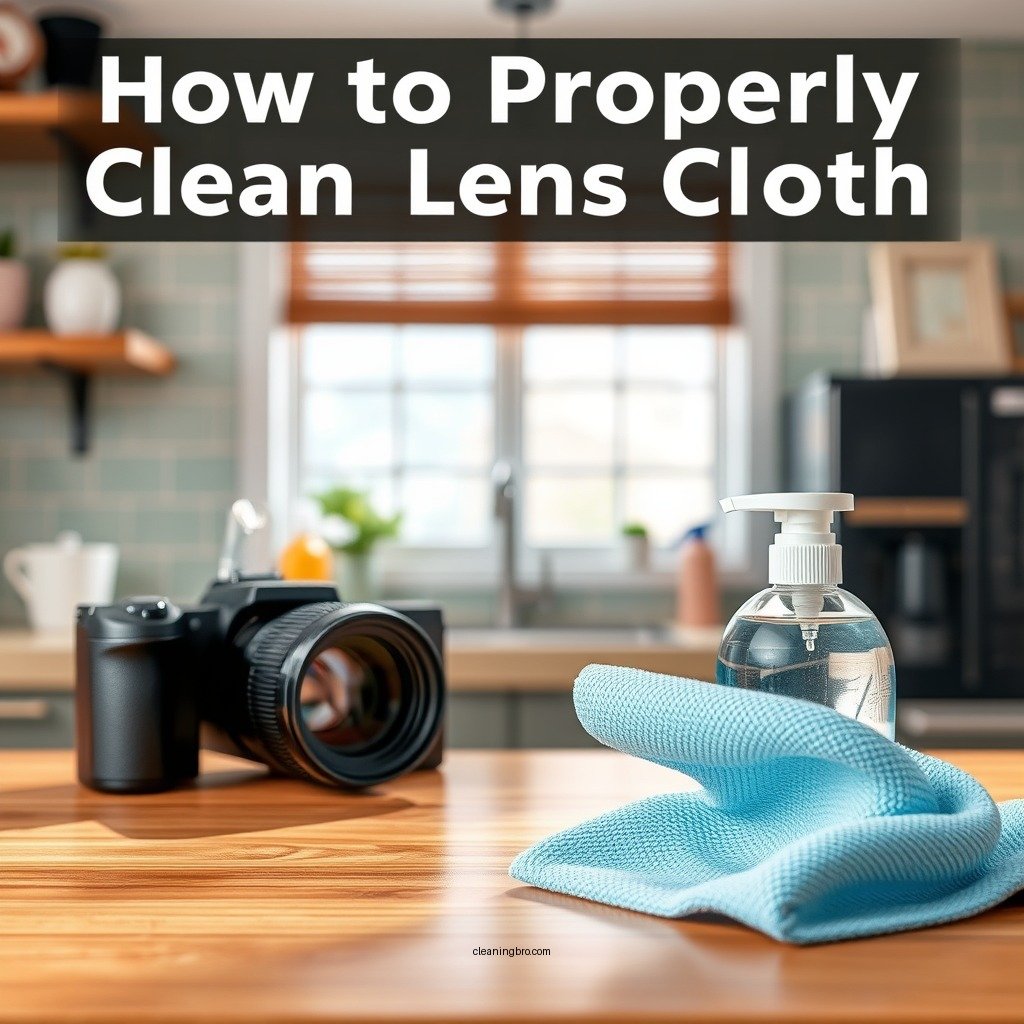
How to Properly Clean a Lens Cloth
Cleaning a lens cloth is simple and can greatly enhance the effectiveness of your cleaning routine. To keep your lens cloth in top condition, wash it regularly using gentle methods that prevent damage. In this article, you’ll learn the best practices for cleaning your lens cloth to ensure it remains free from dirt and debris, thus maintaining the clarity of your lenses and enhancing your visual experience.
Understanding Your Lens Cloth
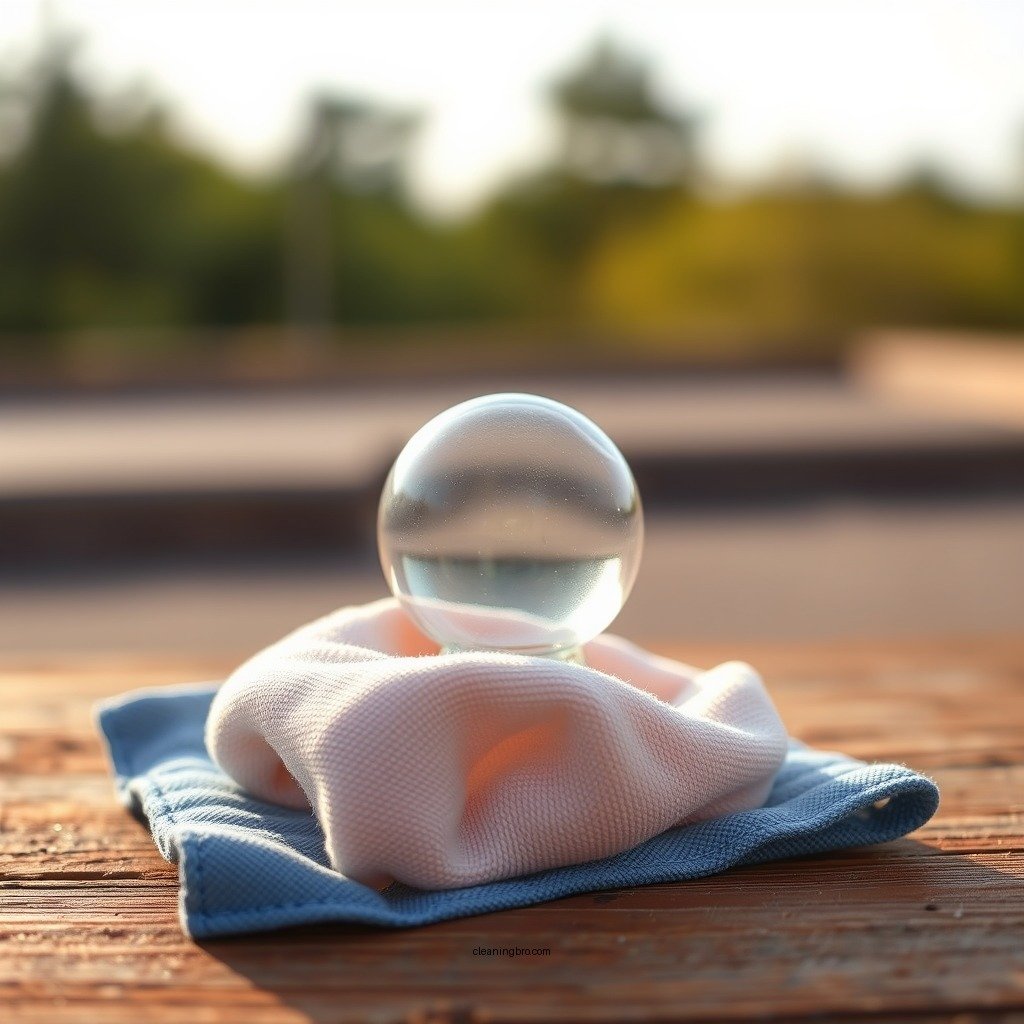
Lens cloths are typically made from microfiber material, designed to clean delicate surfaces without scratching. Microfiber is composed of tiny fibers that are significantly finer than a human hair, which allows it to attract and trap dirt, dust, and oils effectively. Understanding the specific type of lens cloth you own can influence your cleaning method. For instance, some lens cloths are treated with special coatings that boost their cleaning properties, meaning that certain washing methods may degrade their effectiveness. Always refer to the manufacturer’s instructions for the best care practices tailored to your specific cloth.
When to Clean Your Lens Cloth
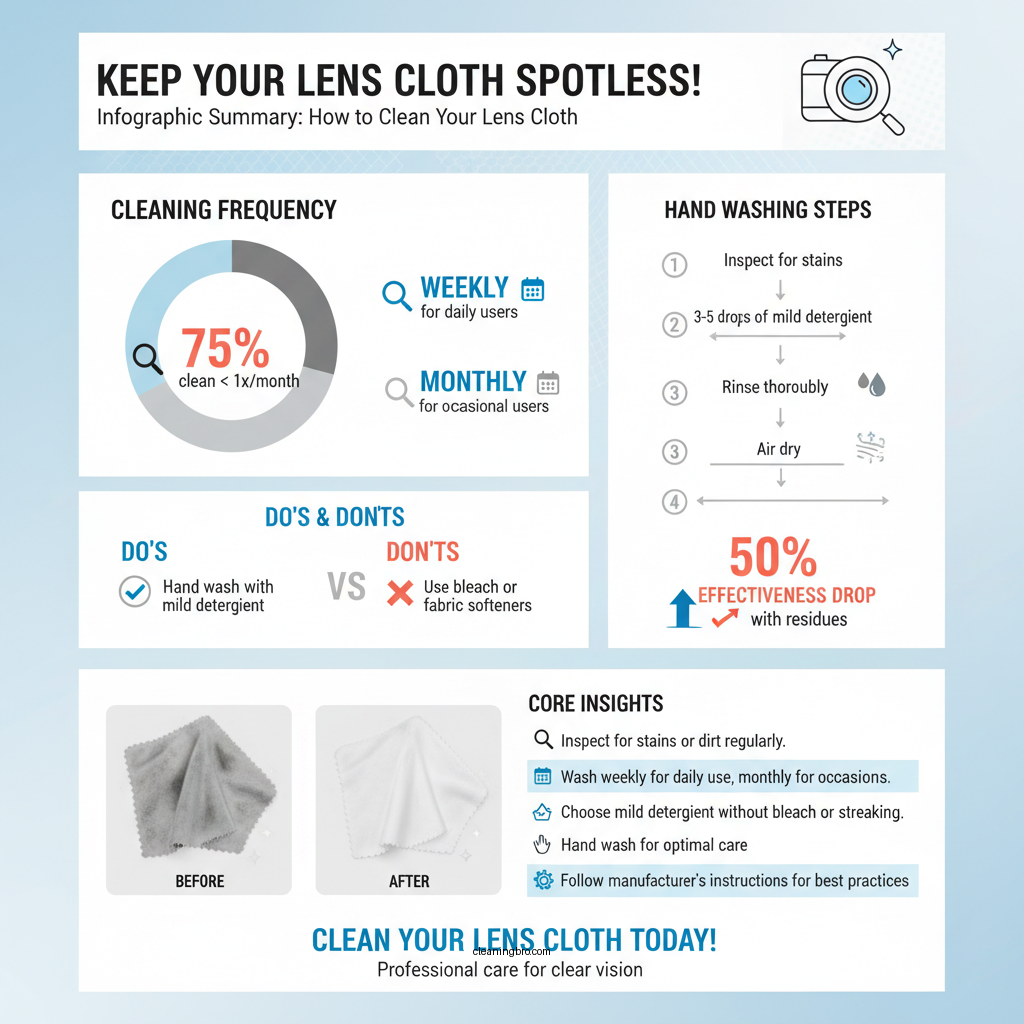
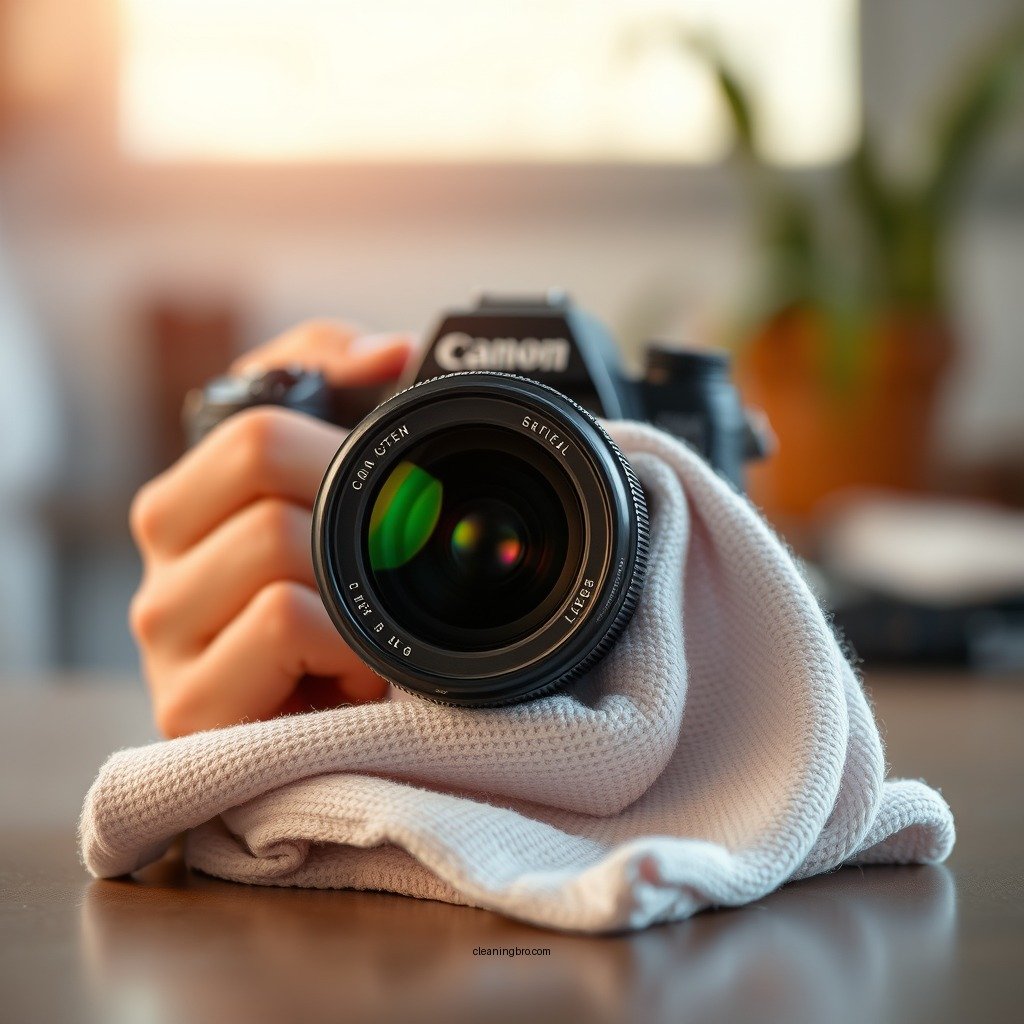
The frequency of cleaning your lens cloth depends on its usage. Look for visible stains or dirt, which can accumulate from regular use, particularly in dusty environments or when cleaning smudged lenses. If you notice streaks appearing on your lenses after cleaning, this is a sign that your cloth is no longer effective and needs washing. As a rule of thumb, if you use your lens cloth daily, it’s advisable to clean it weekly. For less frequent use, a monthly cleaning might suffice. However, if you find yourself in environments where dust and debris are prevalent, like outdoor settings or workshops, consider cleaning your lens cloth more often to maintain optimal performance.
Hand Washing Method
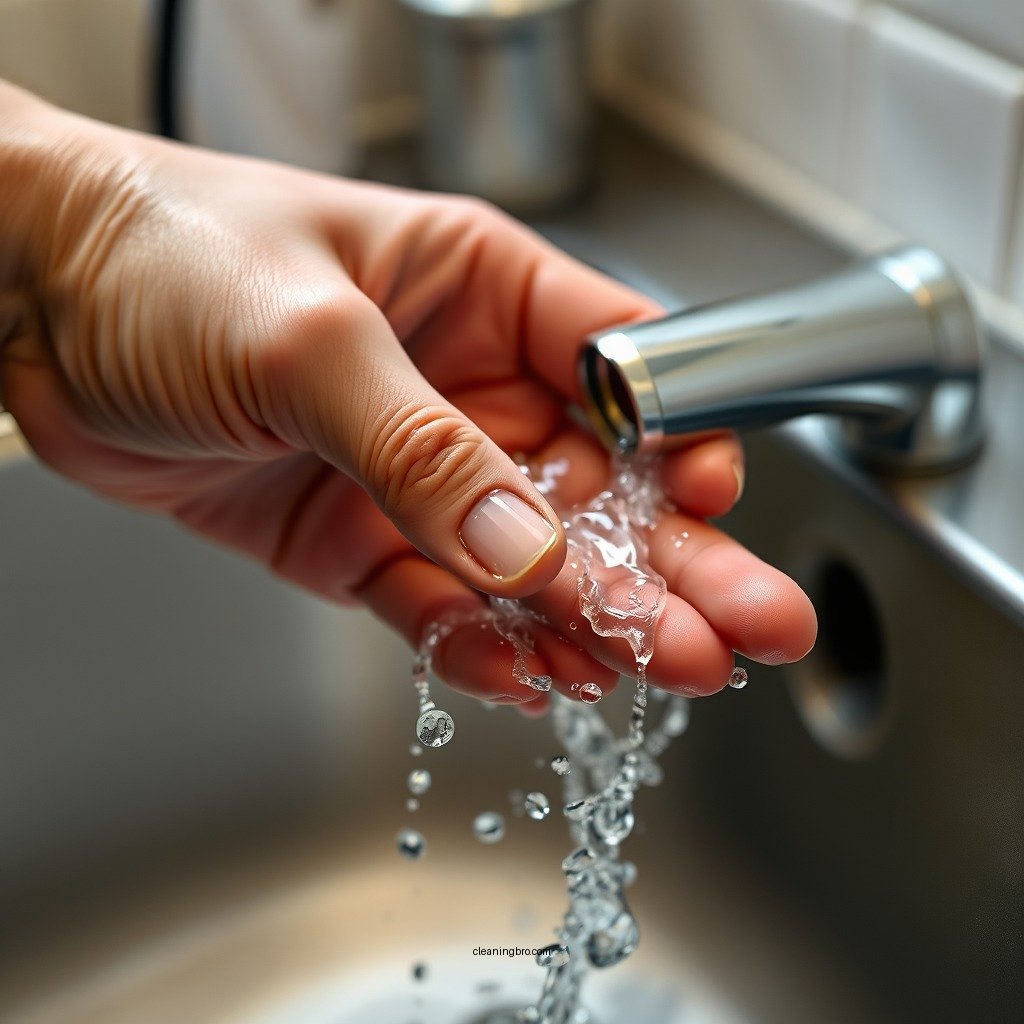
Hand washing is often the gentlest and most effective method for cleaning a lens cloth. Here’s how to do it properly:
1. Prepare Your Materials: Gather lukewarm water and a mild detergent that’s free from bleach and fabric softeners.
2. Wash the Cloth: Submerge the lens cloth in the lukewarm water and add a few drops of detergent. Gently rub the fabric together, ensuring you cover all areas without excessive force, which might damage the fibers.
3. Rinse Thoroughly: It’s crucial to rinse the cloth thoroughly with clean water to remove all soap residues, as any leftover detergent can lead to streaking or leaving a film on your lenses.
4. Inspect for Residue: After rinsing, inspect the cloth for any remaining soap or dirt. If necessary, repeat the rinsing process.
Machine Washing Method
If you prefer the convenience of machine washing, it’s essential to take precautions to avoid damaging your lens cloth. Follow these steps for a safe wash:
1. Use a Mesh Laundry Bag: Place the lens cloth in a mesh laundry bag to protect it from snags and tangling with other fabrics during the wash cycle.
2. Select the Right Settings: Choose a gentle cycle with cold water. High temperatures can degrade microfiber materials.
3. Add Mild Detergent: Use a small amount of mild detergent and avoid fabric softeners, as they can leave residues that hinder the cloth’s cleaning effectiveness.
4. Dry Carefully: Never dry your lens cloth in a dryer, as the heat can damage the fibers. Instead, air dry it as recommended below.
Drying Your Lens Cloth
After washing, proper drying is crucial to maintaining the integrity of your lens cloth.
1. Air Dry: Lay the cloth flat on a clean, dry surface. This prevents it from picking up lint or dust while drying. Avoid hanging it up, as this can distort its shape.
2. Avoid Heat Sources: Do not use a dryer or expose the cloth to direct sunlight, as heat can damage the delicate microfiber material and reduce its cleaning efficacy.
Storing Your Lens Cloth
Proper storage of your lens cloth helps keep it clean and ready for use.
1. Use a Protective Case: Store your cleaned lens cloth in a protective case or pouch to shield it from dust and debris.
2. Avoid Pockets and Bags: Do not place the lens cloth in pockets or bags without a protective covering, as this increases the likelihood of it gathering dirt or being contaminated by other materials.
Tips for Maintaining Your Lens Cloth
To ensure the longevity and effectiveness of your lens cloth, consider the following maintenance tips:
1. Regular Inspections: Periodically check your lens cloth for signs of wear and tear. If you notice fraying or significant stains that don’t come out with washing, it’s time to replace it.
2. Have a Backup: Keeping a second lens cloth handy can be beneficial for emergencies or quick clean-ups, ensuring you always have a clean cloth available.
📋 DATA: Top 7 Lens Cloth Brands (2023)
Top 7 Lens Cloth Brands (2023)
| # | Brand | Material | Size | Price |
|---|---|---|---|---|
| 1 | Zeiss | Microfiber | 30×30 cm | $6.99 |
| 2 | Hama | Microfiber | 20×20 cm | $4.49 |
| 3 | B+W | Microfiber | 25×25 cm | $5.99 |
| 4 | Optical Co. | Microfiber | 30×30 cm | $7.49 |
| 5 | Fujifilm | Microfiber | 18×18 cm | $3.99 |
| 6 | Canon | Microfiber | 30×30 cm | $8.99 |
| 7 | Epson | Microfiber | 20×20 cm | $4.99 |
🔀 COMPARISON: Best Lens Cloth Brands
Zeiss vs Hama vs B+W: Lens Cloth Comparison
| Feature | ⭐ Zeiss | Hama | B+W |
|---|---|---|---|
| Material | Microfiber | Microfiber | Microfiber |
| Size | 30×30 cm | 20×20 cm | 25×25 cm |
| Price | $6.99 | $4.49 | $5.99 |
| Cleaning Efficacy | ✅ Excellent | ✅ Good | ✅ Very Good |
| Durability | ✅ Highly Durable | ✅ Durable | ✅ Good |
| Washability | ✅ Machine Washable | ✅ Machine Washable | ✅ Machine Washable |
| Lint-Free | ✅ Yes | ✅ Yes | ✅ Yes |
| Eco-Friendly Materials | ✅ Yes | ✅ Yes | ✅ Yes |
| Best For | Professional Photographers | Aficionados | General Use |
Keeping your lens cloth clean is essential for maintaining the clarity and integrity of your lenses. By following these simple steps, you can ensure your lens cloth remains effective and long-lasting. Regular inspections, timely cleaning, and proper storage will enhance your cleaning routine and protect your valuable lenses. Take a moment now to assess your lens cloth and implement a cleaning schedule to keep it in optimal condition.
Frequently Asked Questions
How often should I clean my lens cloth?
It’s recommended to clean your lens cloth every few weeks, depending on usage. If you notice it accumulating dust, smudges, or stains, it’s a good idea to clean it sooner. Regular maintenance ensures that your cloth remains effective for cleaning lenses without scratching them.
What is the best way to wash a microfiber lens cloth?
The best way to wash a microfiber lens cloth is by hand using mild soap and lukewarm water. Gently rub the cloth and rinse thoroughly to remove all soap residue, then air dry it flat. Avoid using fabric softeners or bleach, as these can damage the fibers and reduce their effectiveness.
Why is it important to clean my lens cloth?
Cleaning your lens cloth is essential to maintain its effectiveness in cleaning your lenses. Dirt and oils can accumulate on the cloth, which can lead to scratches or smudges on your lenses during cleaning. Keeping your cloth clean ensures optimal visibility and prolongs the life of your lenses.
Which cleaning solutions are safe to use on a lens cloth?
The safest cleaning solutions for a lens cloth are mild soaps or specialized lens cleaning solutions that are alcohol-free. Avoid using any products that contain ammonia or harsh chemicals, as these can degrade the material of the microfiber cloth. Always check the manufacturer’s recommendations for the best care practices.
How can I prevent my lens cloth from getting dirty?
To prevent your lens cloth from getting dirty, store it in a protective case when not in use, and avoid touching it with your fingers. Additionally, try to clean your lenses regularly to reduce the buildup of oils and dust on the cloth. Keeping the cloth clean and dry will ensure it remains effective for longer periods.
References
- https://en.wikipedia.org/wiki/Lens_cleaning
https://en.wikipedia.org/wiki/Lens_cleaning - https://www.mayoclinic.org/healthy-lifestyle/consumer-health/in-depth/cleaning-your-glasses/art-20456348
https://www.mayoclinic.org/healthy-lifestyle/consumer-health/in-depth/cleaning-your-glasses/art-20456348 - https://www.ncbi.nlm.nih.gov/pmc/articles/PMC6625152/
https://www.ncbi.nlm.nih.gov/pmc/articles/PMC6625152/ - https://www.cdc.gov/healthywater/drinking/cleaning.html
https://www.cdc.gov/healthywater/drinking/cleaning.html - https://www.sciencedirect.com/topics/earth-and-planetary-sciences/lens-cleaning
https://www.sciencedirect.com/topics/earth-and-planetary-sciences/lens-cleaning - Glass | Definition, Composition, Material, Types, & Facts | Britannica
https://www.britannica.com/science/glass - https://www.nature.com/articles/s41598-019-51645-8
https://www.nature.com/articles/s41598-019-51645-8 - Google Scholar Google Scholar
https://scholar.google.com/scholar?q=how+to+clean+a+lens+cloth - Google Scholar Google Scholar
https://scholar.google.com/scholar?q=lens+cleaning+techniques - Google Scholar Google Scholar
https://scholar.google.com/scholar?q=cleaning+microfiber+cloths