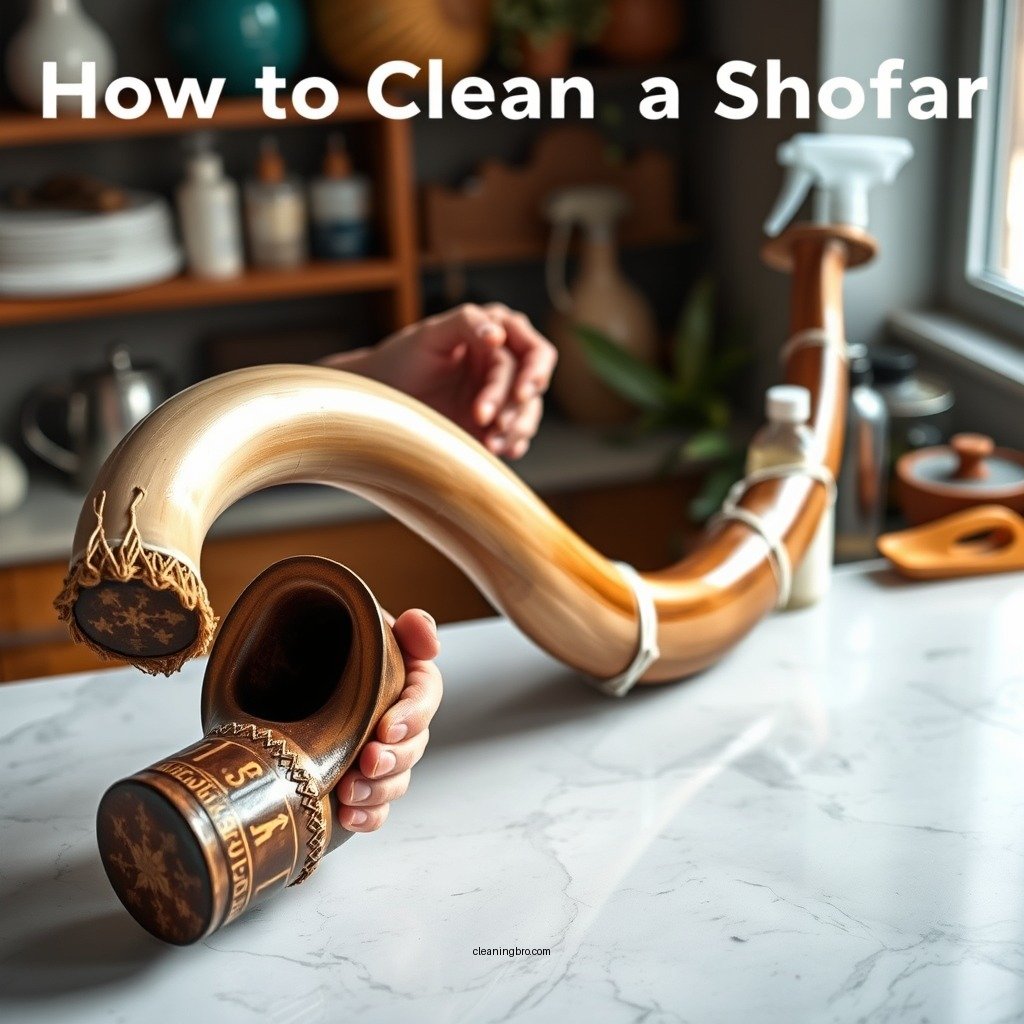
How to Clean a Shofar: Step-by-Step Guide
Cleaning a shofar is essential to maintain its quality and sound. To clean a shofar effectively, you should use warm water, mild soap, and a soft cloth, avoiding harsh chemicals. This article will guide you through the necessary steps to ensure your shofar remains in excellent condition for your celebrations and rituals. Proper maintenance not only prolongs the life of your shofar but also enhances its performance during ceremonial use.
Understanding Your Shofar
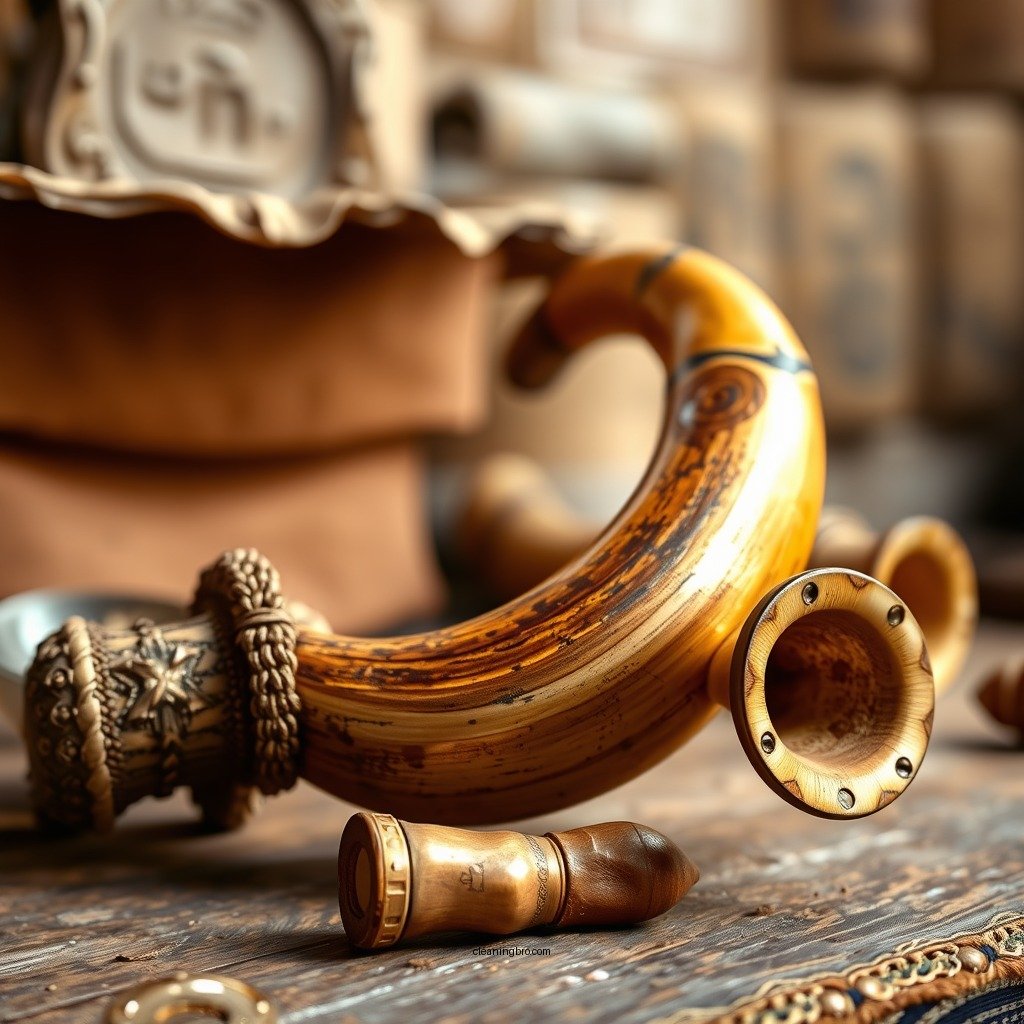
A shofar is a traditional Jewish musical instrument made from the horn of a ram or other kosher animals, such as the kudu. Different types of shofars include the straight shofar, the curved shofar, and the Yemenite shofar, each producing unique sounds and tones. Understanding the material from which your shofar is made is crucial, as it dictates the cleaning methods you should use.
For instance, ram’s horn shofars are commonly used and require careful handling to maintain their integrity. Kudu horns, while producing a deeper sound, are also more delicate and necessitate a gentler approach during cleaning. Recognizing the importance of proper care and maintenance cannot be overstated; a well-maintained shofar will not only sound better but also serve as a cherished item for years to come.
Basic Cleaning Supplies
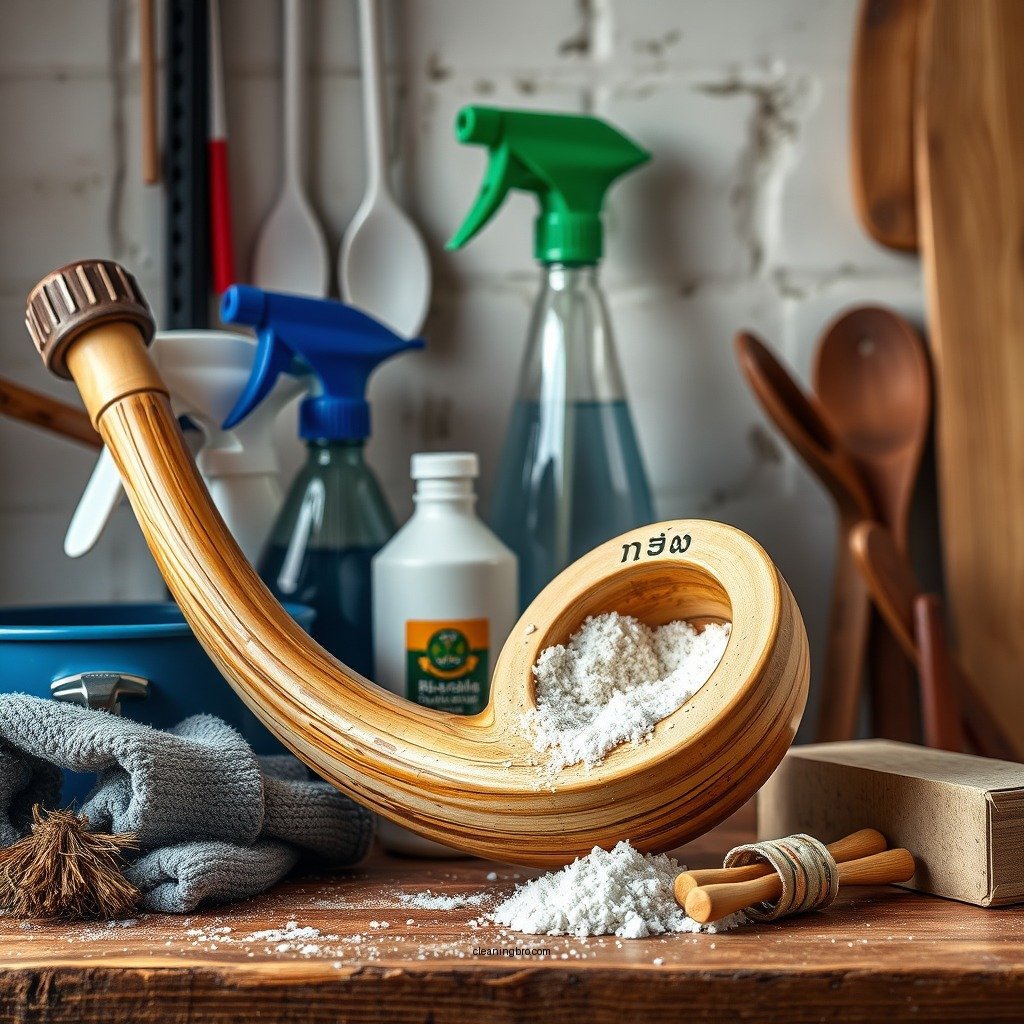
Before you begin the cleaning process, gather the necessary supplies. The items you will need include:
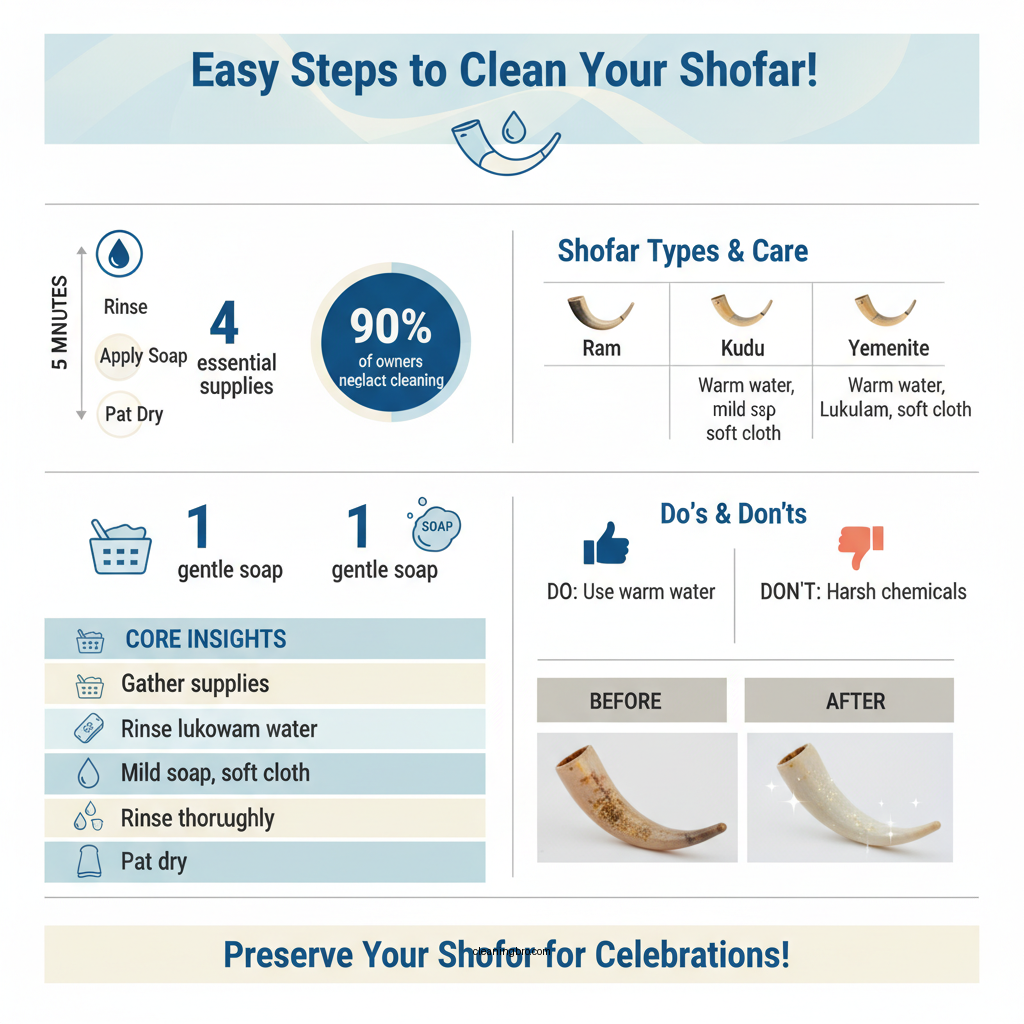
– Warm Water: Use lukewarm water to avoid shocking the material of the shofar.
– Mild Soap: Opt for a gentle, non-abrasive soap to prevent any damage to the surface.
– Soft Cloth or Sponge: Choose a microfiber cloth or a soft sponge to avoid scratching the shofar’s surface.
– Long-Handled Brush: For cleaning the interior, a brush with soft bristles is ideal.
These basic cleaning supplies will ensure that you effectively clean your shofar without causing any harm to its structure or finish.
Step-by-Step Cleaning Process
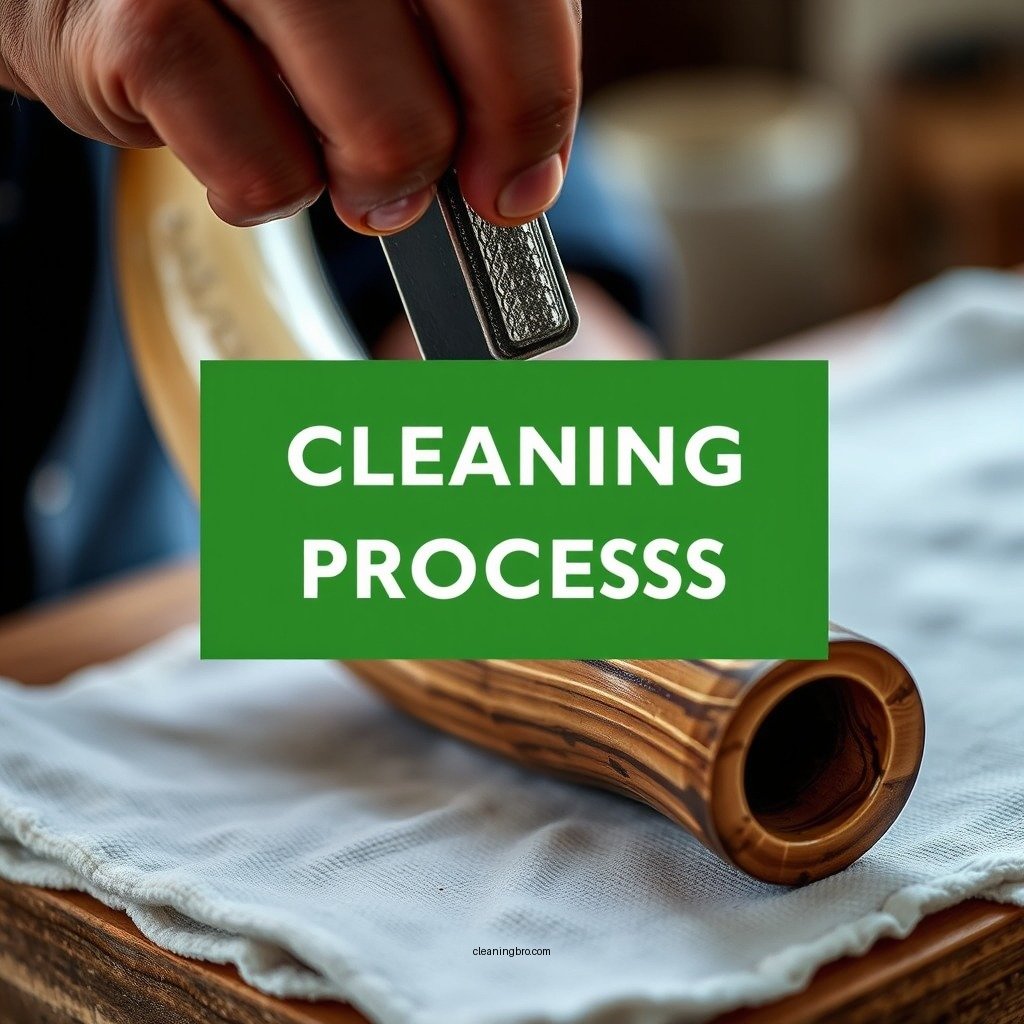
1. Rinse the Shofar: Begin by rinsing the shofar under warm water to remove any visible debris. Hold the shofar at an angle to allow water to flow through the horn, ensuring that any loose particles or dust are washed away.
2. Apply Mild Soap: Take your soft cloth or sponge, and apply a small amount of mild soap. Gently clean the exterior of the shofar in circular motions, paying close attention to any intricate designs or carvings.
3. Rinse Again: Once you have cleaned the exterior, rinse the shofar thoroughly under running warm water to remove all soap residue. Any leftover soap can affect the sound quality and integrity of the shofar.
4. Dry the Shofar: Use a clean, soft towel to pat the shofar dry. Avoid rubbing it vigorously, as this can lead to scratches. Ensure that no moisture remains inside the horn, as this can promote mold or bacteria growth.
Top 7 Shofar Types by Sound Quality and Use Cases
| # | Shofar Type | Material | Sound Quality | Best For |
|---|---|---|---|---|
| 1 | Ram’s Horn | Ram | Rich and strong | Traditional Use |
| 2 | Kudu Horn | Kudu | Deep and resonant | High Ceremonies |
| 3 | Straight Shofar | Ram | Clear and sharp | Modern Use |
| 4 | Curved Shofar | Ram | Full-bodied | Ritual Events |
| 5 | Yemenite Shofar | Kudu | Mellow and warm | Cultural Ceremonies |
| 6 | Short Shofar | Ram | Bright | Beginner Use |
| 7 | Long Shofar | Ram | Powerful | Experienced Users |
Cleaning the Interior
Cleaning the interior of the shofar is just as important as the exterior. Over time, moisture and residue can build up inside the shofar, which can lead to unpleasant odors or even affect its sound quality. Here’s how to clean the interior effectively:
1. Use a Long, Soft Brush: Insert a long, soft-bristled brush into the shofar to gently scrub the interior walls. If you don’t have a brush, a soft cloth can also be used, but ensure it is long enough to reach all areas inside the horn.
2. Avoid Soap: It is generally recommended to avoid using soap inside the shofar. Instead, simply use warm water to rinse the interior. If you feel the need for additional cleaning, a mixture of warm water and vinegar can be used to disinfect without leaving residue.
3. Rinse Thoroughly: After scrubbing, rinse the interior with warm water to ensure all residues are washed away.
4. Dry Completely: After rinsing, use a clean cloth to absorb any remaining moisture from the interior. Allow the shofar to dry completely in an upright position to prevent any water from lingering inside.
Drying and Storing the Shofar
Once your shofar is clean, proper drying and storage are crucial to maintaining its condition:
1. Pat Dry: Use a clean towel to gently pat the shofar dry, being careful not to rub the surface.
2. Air Dry: Place the shofar upright in a well-ventilated area to air dry completely. This is vital to prevent moisture buildup which can lead to mold or unpleasant odors.
3. Store Safely: When the shofar is fully dry, store it in a cool, dry place. Ideally, use a protective bag or case to shield it from dust and potential damage. Avoid storing it in damp areas, as this can compromise the quality of the horn.
Regular Maintenance Tips
To keep your shofar in optimal condition, regular maintenance is essential:
– Schedule Periodic Cleanings: Depending on how often you use your shofar, plan to clean it regularly. For frequent users, a monthly cleaning routine is advisable, while others may require cleaning before major holidays or events.
– Inspect for Damage: Regularly check your shofar for any cracks or damage. If you notice any issues, consider seeking professional repair services to restore the instrument.
– Keep Away from Heat: Protect your shofar from extreme temperatures and humidity, as these conditions can warp or crack the horn.
– Use a Moisture Absorber: In humid environments, consider placing a moisture absorber in the storage area to maintain a stable environment for the shofar.
By following these maintenance tips, you will ensure that your shofar remains a beautiful and functional instrument for many years to come.
In summary, cleaning your shofar involves simple steps that ensure its longevity and sound quality. By following these instructions and maintaining a regular cleaning schedule, you can enjoy the beautiful sound of your shofar for many years. If you have further questions or need assistance, feel free to reach out to local experts or shofar retailers for advice. Proper care not only enhances the sound experience but also preserves the cultural and historical significance of this cherished instrument.
Frequently Asked Questions
How should I properly clean my shofar after use?
To clean your shofar, first, rinse it gently with lukewarm water to remove saliva and debris. Avoid using soap or harsh chemicals, as they can damage the material. After rinsing, dry it thoroughly with a soft cloth and store it in a cool, dry place to prevent moisture buildup.
What are the best cleaning supplies for maintaining a shofar?
The best cleaning supplies for a shofar include lukewarm water, a soft cloth, and a gentle brush with soft bristles for hard-to-reach areas. Avoid any abrasive materials or cleaners, as these can scratch the surface of the shofar and affect its sound quality.
Why is it important to clean my shofar regularly?
Regular cleaning of your shofar is important to maintain its sound quality and longevity. Residue from saliva and environmental factors can build up inside, leading to unpleasant odors and potential damage. Keeping your shofar clean ensures it remains in optimal condition for upcoming religious ceremonies.
Which methods should I avoid when cleaning a shofar?
Avoid soaking your shofar in water or using strong detergents, as these can warp or damage the material. Additionally, do not use sharp objects to clean inside the shofar, as they can scratch or puncture it, compromising its integrity and sound.
How often should I clean my shofar?
You should clean your shofar after each use to prevent buildup of moisture and bacteria. If the shofar is not used frequently, a thorough cleaning every few months is advisable to keep it in good condition and ready for use during holidays or special occasions.
References
- Shofar
https://en.wikipedia.org/wiki/Shofar - Rosh HaShanah: The Shofar
https://www.jewishvirtuallibrary.org/the-shofar - Haaretz | Israel News, the Middle East and the Jewish World – Haaretz.com
https://www.haaretz.com/jewish/.premium-how-to-blow-the-shofar-1.5459775 - https://www.chabad.org/library/article_cdo/aid/118052/jewish/How-to-Clean-a-Shofar.htm
https://www.chabad.org/library/article_cdo/aid/118052/jewish/How-to-Clean-a-Shofar.htm - https://www.sciencedirect.com/topics/agricultural-and-biological-sciences/shofar
https://www.sciencedirect.com/topics/agricultural-and-biological-sciences/shofar - https://scholar.google.com/scholar?q=how+to+clean+a+shofar Google Scholar
https://scholar.google.com/scholar?q=how+to+clean+a+shofar - Google Scholar Google Scholar
https://scholar.google.com/scholar?q=shofar+cleaning+procedures - Google Scholar Google Scholar
https://scholar.google.com/scholar?q=shofar+maintenance+guidelines - Shofar | Meaning, Horn, Worship, & Judaism | Britannica
https://www.britannica.com/topic/shofar - how to clean a shofar – Search results
https://en.wikipedia.org/wiki/Special:Search?search=how+to+clean+a+shofar