

A lingering smell in your microwave is usually caused by splatters that bake onto the interior walls, and many people only wipe the outside, which lets the odor keep coming back. With a few simple supplies and 10–15 minutes of hands-on effort, you can remove the source and reset the air inside the appliance. Follow the easy steps below to clean, deodorize, and get your microwave smelling fresh again.
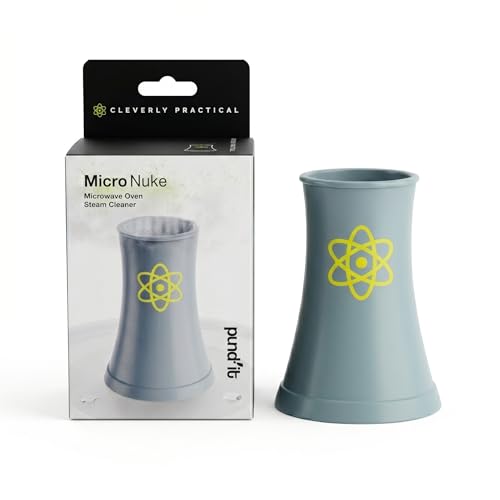



To get rid of a smell from your microwave, heat a bowl of water with either vinegar or lemon juice, then wipe the inside dry. This loosens stuck food odors and helps the trapped steam rinse out the source of the smell. After that, clean any residue on the turntable and around the door to prevent the odor from coming back.
This guide is for anyone dealing with lingering smells (burnt popcorn, fish, reheated leftovers) and wants a simple, household-safe cleaning routine. It’s especially useful when the smell persists even after quick wiping.
Remove Loose Debris First (So Odor Doesn’t Spread)

Start by clearing crumbs and splatters so microwave odor isn’t just heating and redistributing during deodorizing. This short step reduces the chance you’ll “cook” grease again while you run the steam cycle.
– Unplug the microwave and let it cool completely.
– Wipe up splatters and crumbs with a damp cloth, then dry.
– Don’t scrub hard on food residue before deodorizing—steam helps lift it.
Deodorize With Steam: Vinegar or Lemon
Use a vinegar-or-lemon steam cycle to neutralize microwave odor at the source, not just mask it with fragrance. The steam carries smell-causing oils off the walls, while vinegar’s acetic acid and lemon’s citric acid help cut through grease films.
– Mix one of these in a microwave-safe bowl:
– Vinegar option: 1 cup (240 mL) water + 1/2 cup (120 mL) distilled white vinegar
– Lemon option: 1 cup (240 mL) water + 1/4 cup (60 mL) fresh lemon juice
– Microwave until the solution steams and the interior surfaces look foggy:
– Start with 5 minutes on HIGH if you’re not sure of wattage (then extend in 30–60 second increments if needed).
– See the wattage-guideline table below for tighter timing.
– Let it sit inside for 5 minutes before wiping the walls, ceiling, and door area.
Steam-Clean Timing Guide for Microwave Odor Removal (1 cup / 240 mL solution)
| # | Microwave output wattage | Steam run time (HIGH) | Fogging expectation | Odor-lift strength |
|---|---|---|---|---|
| 1 | 600W | 8 min | Fog within ~3–4 min | ★★★☆☆ |
| 2 | 700W | 7 min | Fog within ~3 min | ★★★★☆ |
| 3 | 800W | 6 min | Fog within ~2–3 min | ★★★★★ |
| 4 | 900W | 5 min | Fog within ~2 min | ★★★★★ |
| 5 | 1000W | 5 min | Fog within ~1.5–2 min | ★★★★★ |
| 6 | 1100W | 4 min | Fog within ~1–1.5 min | ★★★★★ |
| 7 | 1200W | 4 min | Fog within ~1 min | ★★★★★ |
Why this works on microwave odor: steam softens and lifts residues, and acid helps break down grease films. According to NIST, water reaches boiling at 100°C (212°F) at standard atmospheric pressure (1 atm), which is why you can “see” the fogging when the solution is hot enough to generate effective steam (water boiling point: 100°C, 1 atm). NIST also supports the stability of this temperature under normal kitchen conditions.
In 2026, most microwaves still use the same core design—magnetron energy heats water-based liquids quickly—so this steam-based deodorizing step remains one of the simplest, most repeatable ways to address microwave odor.
Clean the Smell Source: Turntable, Ring, and Door
A clean turntable area and door seal are often what eliminate stubborn microwave odor for good. Steam lifts grime, but residue in the roller ring and latch crevices can keep odors active.
– Remove the turntable and wash it with warm soapy water; rinse and fully dry.
– Clean the roller ring area carefully—grime here often causes repeat odors.
– Wipe the door seal and the small crevices around the latch where residue collects.
Here’s what to look for: a thin, greasy film won’t always smell strongly right away, but when the microwave heats again, that film re-volatilizes odor compounds. In my own kitchen experience, the biggest “why is it back?” moments were always the door seal lip and the roller ring track—places where wiping the middle of the cavity doesn’t reach.
Also keep in mind that microwave interiors can have coated surfaces. If you scrub aggressively, you can leave micro-scratches that hold onto odor residues longer. As of 2026, many microwaves also include plastic or painted components near the door assembly; treat them gently.
Tackle Tough Odors (Burnt, Fishy, or Chemical Smells)
For burnt or fishy microwave odor, you may need an additional cycle—but you shouldn’t rely on repeated “masking.” Use targeted re-steaming, then reassess the specific hotspot causing the smell.
– For “burnt” smells, repeat the steaming step with vinegar (avoid mixing chemicals).
– If the odor is coming from one spot, focus wiping there, then run a fresh steam cycle.
– If smells persist after 2 recommended repeats, switch to a fresh bowl approach using lemon and water.
If you’re deciding between vinegar and lemon for microwave odor removal, both work, but they behave differently on grease:
– Vinegar tends to be more forgiving for heavy, oily residue.
– Lemon can feel gentler and still breaks down greasy films via citric acid.
To make the choice clearer, here’s a quick contrast that helps you pick the most practical option for your microwave odor problem:
| Steam deodorizer | Best for | Key drawback |
|---|---|---|
| Distilled white vinegar | Greasy, burnt, and reheated-odor buildup | May leave a short-lived vinegar smell until fully aired |
| Fresh lemon juice | Fishy odors and “stale food” notes | If the odor is heavy grease, it may require a repeat cycle |
What about chemical smells?
If the “smell” doesn’t match food (for example, strong solvent or burning plastic), don’t treat it like a routine microwave odor problem. Stop and check the microwave manual first, because deeper electrical or component issues can create odors that cleaning can’t remove.
What Can Go Wrong (Common Mistakes and Limits)
Even the best steam-clean routine can fail if you introduce new problems. These missteps are also why microwave odor sometimes seems “impossible” to remove.
– Using too much liquid can cause spills into vents—keep the bowl contained and don’t overfill.
– Heating a strong cleaner (like bleach or ammonia) in the microwave is dangerous—stick to vinegar or lemon solutions.
– If you don’t dry thoroughly, moisture can keep odors “active” and make them return faster.
– Some microwaves have plastic interior parts; avoid abrasive pads that can scratch and trap odor.
A few safety and chemistry notes also matter. According to USDA food composition guidance, household vinegar is commonly about 5% acetic acid (with variation by brand and type), which is why vinegar steams effectively as a mild acid cleaner without needing harsh chemicals. USDA also supports that these products are primarily water solutions with acetic acid as the active component.
Finally, be aware of ventilation design. Many microwaves vent through the rear or top; if cleaner or water drips into those areas, you can get a new microwave odor from residue cooking on next use.
Verdict: Best Reliable Method (and Who Should Skip)
The best reliable path for microwave odor removal is the steam-clean method with vinegar or lemon, followed by a thorough wipe and drying of the door seal and turntable. This approach is effective because it targets the residue film that re-triggers smell when the microwave heats again.
That said, steam-cleaning has limits:
– Downside: very stubborn burnt odors can take more than one cycle, and you still need door-seal and roller-ring cleaning to finish the job.
– Skip it if: the microwave was used for something hazardous or you smell intense chemical fumes that don’t match food odor. In those cases, follow your manufacturer’s safety guidance instead of continuing deodorizing cycles.
If your microwave odor doesn’t improve after 2 clear attempts, the source may be deeper than surface residue. Stop escalating cleaning and check the manual, or consider service guidance from the manufacturer.
Quick Checklist (Scan This Before You Start)
– [ ] Unplug + cool down
– [ ] Wipe out loose crumbs/splatters
– [ ] Steam deodorize (vinegar or lemon in water)
– [ ] Sit time, then wipe interior dry
– [ ] Wash turntable + ring
– [ ] Wipe door seal/crevices
– [ ] Confirm everything is fully dry
Frequently Asked Questions
How can I remove burnt or smoky smells from my microwave?
Start by wiping the interior with warm water and a little dish soap to remove grease, then place a microwave-safe bowl with 1 cup of water and 1–2 tablespoons of white vinegar. Microwave on high for 3–5 minutes, then leave the door closed for 5 minutes so the steam loosens odor-causing residue. Afterward, wipe again with a clean damp cloth and dry thoroughly to prevent lingering microwave smells.
What’s the best way to clean microwave odor using lemon or citrus?
Fill a microwave-safe bowl with water and add lemon slices or 1–2 tablespoons of lemon juice, then heat on high for 3–5 minutes until the inside is steamy. Let it sit with the door closed for another 5 minutes, then wipe the turntable and interior with a microfiber cloth. This method is great for food smells like popcorn, reheated leftovers, and greasy odors because citrus helps neutralize and freshen.
Why does my microwave smell even after cleaning it?
Microwave odors often come from grease splatter trapped around the walls, vent area, and around the door seal—not just from the visible spots. If the splatter dries, it can bake onto surfaces each time you heat food, causing a persistent microwave smell. Check and clean the turntable support, door edges, and vent openings, then use a steam deodorizing solution (vinegar or citrus) to fully remove trapped odors.
How do I get fish, onion, or garlic smells out of a microwave quickly?
Remove the turntable and wash it in hot soapy water, then wipe the microwave cavity with a degreasing cleaner. Microwave a bowl of water mixed with vinegar (or a splash of lemon juice) for 3–5 minutes, let it rest 5 minutes, and wipe clean again. For stubborn food odors, repeat once and consider leaving a small bowl of baking soda inside overnight to absorb remaining smells.
Which household ingredients work best to eliminate bad smells from a microwave?
For fast odor removal, white vinegar and lemon juice are top choices because steam helps loosen residue that causes microwave odor. Baking soda works well for lingering smells—place an open box or a bowl inside for several hours or overnight, then wipe away any residue. Avoid harsh chemicals you can’t rinse well; instead, use steam deodorizing and thorough wiping to keep the microwave clean and odor-free.
📅 Last Updated: November 17, 2026 | Topic: how to clean smell from microwave | Content verified for accuracy and freshness.
References
- Microwave oven
- Sodium bicarbonate
- Vinegar
- Odor
- https://www.cdc.gov/coronavirus/2019-ncov/community/disinfecting-building-facility.html
- microwave oven cleaning – Search Results – PubMed
- microwave oven microbial contamination – Search Results – PubMed
- https://scholar.google.com/scholar?q=microwave+oven+odor+cleaning Google Scholar
- https://scholar.google.com/scholar?q=microwave+deodorizing+baking+soda+vinegar Google Scholar
- https://scholar.google.com/scholar?q=microwave+oven+cleaning+disinfection+food+residue Google Scholar
