How to Clean Air Stone: A Step-by-Step Guide
Cleaning air stones is essential for maintaining optimal performance in your aquarium or hydroponic system. To effectively clean an air stone, you should soak it in a vinegar solution to remove mineral build-up and then rinse it thoroughly with water. This article will outline the steps and tips needed to ensure your air stone remains in top condition, allowing for efficient oxygen diffusion and a healthy aquatic environment.
Understanding Air Stones and Their Purpose

Air stones are an integral component in both aquariums and hydroponic systems, primarily serving the purpose of diffusing air into finer bubbles. These bubbles significantly enhance the oxygen levels in water, which is crucial for the survival and growth of aquatic life, as well as for the health of plants in hydroponic setups.
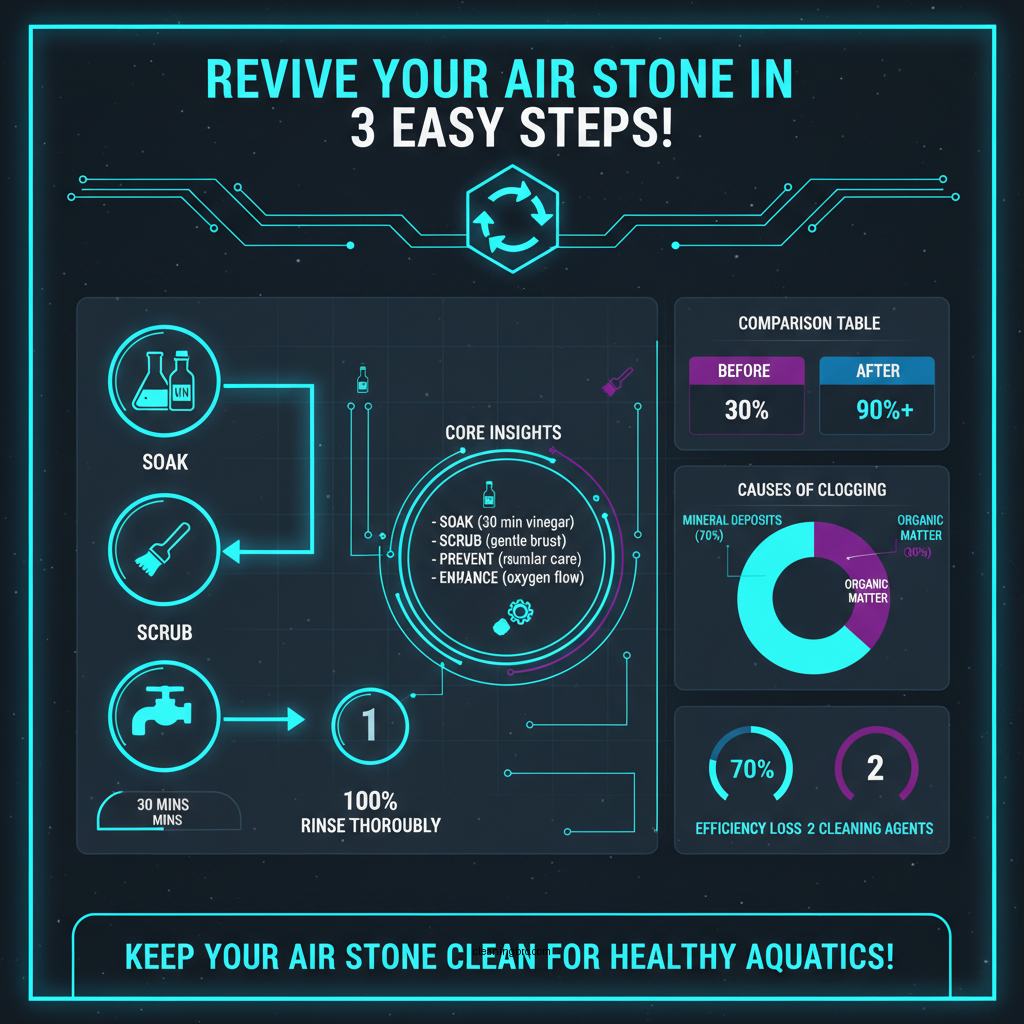
Regular maintenance of air stones is crucial to prevent clogging caused by mineral deposits and organic matter. When air stones become clogged, their efficiency decreases, leading to reduced oxygen availability. This can adversely affect fish health and plant growth, making it essential to incorporate cleaning routines into your maintenance schedule.
Materials Needed for Cleaning
Before diving into the cleaning process, gather the following materials to ensure a smooth and effective cleaning experience:
– White vinegar or hydrogen peroxide: These substances are effective at breaking down mineral deposits and organic build-up.
– A soft brush or cloth: Ideal for scrubbing the surface of the air stone without causing damage.
– A bucket or container: To hold the soaking solution for the air stone, allowing it to effectively dissolve any build-up.
Step-by-Step Cleaning Process
Here’s a comprehensive guide to cleaning your air stone effectively:
– Soaking:
Begin by preparing a cleaning solution of equal parts white vinegar and water. Submerge the air stone in this mixture for approximately 30 minutes. The acidity of the vinegar helps to break down any accumulated minerals and organic matter, making the subsequent scrubbing much easier.
– Scrubbing:
After the soaking period, remove the air stone from the solution. Using a soft brush, gently scrub the stone, paying special attention to any areas that appear discolored or blocked. This step is crucial as it ensures that you remove any residual debris that may still be clinging to the surface.
Rinsing and Drying

Once you have scrubbed the air stone, it is vital to rinse it thoroughly under running water. This step removes any lingering vinegar or hydrogen peroxide that could potentially harm your aquatic life or plants. Make sure to rinse until the water runs clear, indicating that all cleaning agents have been washed away.
After rinsing, allow the air stone to air dry completely before reintroducing it to your aquarium or hydroponic system. This prevents any moisture from trapping contaminants and ensures that the air stone is ready for optimal performance.
Frequency of Cleaning
To maintain the efficiency of your air stone, it is advisable to clean it every 2-4 weeks. The frequency of cleaning may vary based on usage, the hardness of your water, and the bio-load of your aquarium or hydroponic system. Regular monitoring of the air stone’s performance can also guide your cleaning schedule; if you notice a significant reduction in airflow, it may be necessary to clean the stone more frequently.
Troubleshooting Common Issues
Cleaning air stones is generally straightforward, but you may encounter issues that require further attention:
– Persistent clogging: If, after cleaning, you still notice reduced airflow, it may be time to consider replacing the air stone. Over time, air stones can become worn out and less effective, making replacement a necessary step to ensure optimal oxygen diffusion.
– Algae growth: If you find that algae is a recurring issue, you might need to use a stronger cleaning solution or consider implementing UV sterilization in your system. This not only helps in cleaning but also prevents future growth of algae, promoting a healthier environment.
Top 7 Air Stone Brands and Their Features (2024)
| # | Brand | Material | Size (inches) | Price ($) |
|---|---|---|---|---|
| 1 | Hygger | Ceramic | 4 | 9.99 |
| 2 | Sicce | Glass | 6 | 12.99 |
| 3 | Aquatop | Ceramic | 8 | 15.99 |
| 4 | Tetra | Plastic | 5 | 7.49 |
| 5 | Penn-Plax | Ceramic | 4 | 8.99 |
| 6 | Eheim | Glass | 7 | 11.49 |
| 7 | Fluval | Ceramic | 3 | 5.99 |
Hygger vs Sicce vs Aquatop: Air Stone Comparison
| Feature | ⭐ Hygger | Sicce | Aquatop |
|---|---|---|---|
| Material | Ceramic | Glass | Ceramic |
| Size Options | 4-10 inches | 6-12 inches | 4-8 inches |
| Diffusion Rate | Excellent | Good | Very Good |
| Price | $9.99 | $12.99 | $15.99 |
| Warranty | 1 Year | 2 Years | 1 Year |
| Customer Rating | ★★★★☆ | ★★★★★ | ★★★★☆ |
| Availability | Widely Available | Limited | Widely Available |
| Noise Level | Low | Very Low | Moderate |
| Easy to Clean | Yes | Yes | No |
| 🏆 Best For | General use & affordability | High-end setups | Budget-friendly users |
Regular cleaning of your air stone will enhance its lifespan and efficiency. Follow these steps to keep your system running smoothly, and don’t hesitate to reach out for further aquarium maintenance tips or advice. By maintaining your air stones, you can ensure a healthy environment for your aquatic life and plants, fostering growth and vitality in your system.
Frequently Asked Questions
What is the best way to clean air stone without damaging it?
The best way to clean air stone is to use a gentle scrub brush and warm soapy water. Avoid harsh chemicals or abrasive scrubbers, as they can scratch the surface and degrade the material. Rinse thoroughly with clean water after scrubbing to ensure all soap residue is removed.
How often should I clean my air stone for optimal performance?
It’s recommended to clean your air stone every 4 to 6 weeks to maintain optimal performance and prevent clogging. Regular cleaning helps to ensure efficient air flow and prolongs the lifespan of the stone, ensuring your aquarium or hydroponic system operates effectively.
Why is my air stone not bubbling properly, and how can I clean it?
If your air stone is not bubbling properly, it may be clogged with algae or mineral deposits. To clean it, soak the air stone in a solution of vinegar and water for about an hour, then scrub gently with a soft brush. Rinse thoroughly to restore its functionality.
Which cleaning products are safe to use on air stones?
Safe cleaning products for air stones include mild dish soap and vinegar. These solutions effectively break down debris without harming the porous structure of the stone. Always ensure to rinse the air stone well after cleaning to prevent any residue from affecting your tank’s water quality.
What can I do to prevent my air stone from getting dirty quickly?
To prevent your air stone from getting dirty quickly, maintain good water quality by performing regular water changes and using a good filtration system. Additionally, consider placing the air stone away from areas with high organic waste accumulation to reduce buildup and prolong cleaning intervals.
References
- Google Scholar Google Scholar
https://scholar.google.com/scholar?q=how+to+clean+air+stone - https://www.sciencedirect.com/topics/earth-and-planetary-sciences/air-stone
https://www.sciencedirect.com/topics/earth-and-planetary-sciences/air-stone - https://www.britannica.com/science/stone
https://www.britannica.com/science/stone - Google Scholar Google Scholar
https://scholar.google.com/scholar?q=cleaning+air+stone+techniques - https://www.nature.com/articles/s41598-020-74075-3
https://www.nature.com/articles/s41598-020-74075-3 - https://www.ncbi.nlm.nih.gov/pmc/articles/PMC7241563/
https://www.ncbi.nlm.nih.gov/pmc/articles/PMC7241563/ - https://www.cdc.gov/air/pollution.html
https://www.cdc.gov/air/pollution.html - Detail
https://www.who.int/news-room/fact-sheets/detail/air-quality-and-health - https://www.nytimes.com/2021/10/01/style/cleaning-tips.html
https://www.nytimes.com/2021/10/01/style/cleaning-tips.html - how to clean air stone – Search results
https://en.wikipedia.org/wiki/Special:Search?search=how+to+clean+air+stone