How to Clean Bee Frames: A Step-by-Step Guide
Cleaning bee frames is crucial for maintaining a healthy beehive and ensuring the longevity of your equipment. Regular cleaning not only helps to prevent disease and pests but also extends the life of your frames, allowing for better bee productivity. This guide will walk you through effective methods for cleaning bee frames, including necessary tools, a detailed cleaning process, and best practices to ensure optimal results.
Understanding the Importance of Cleaning Bee Frames
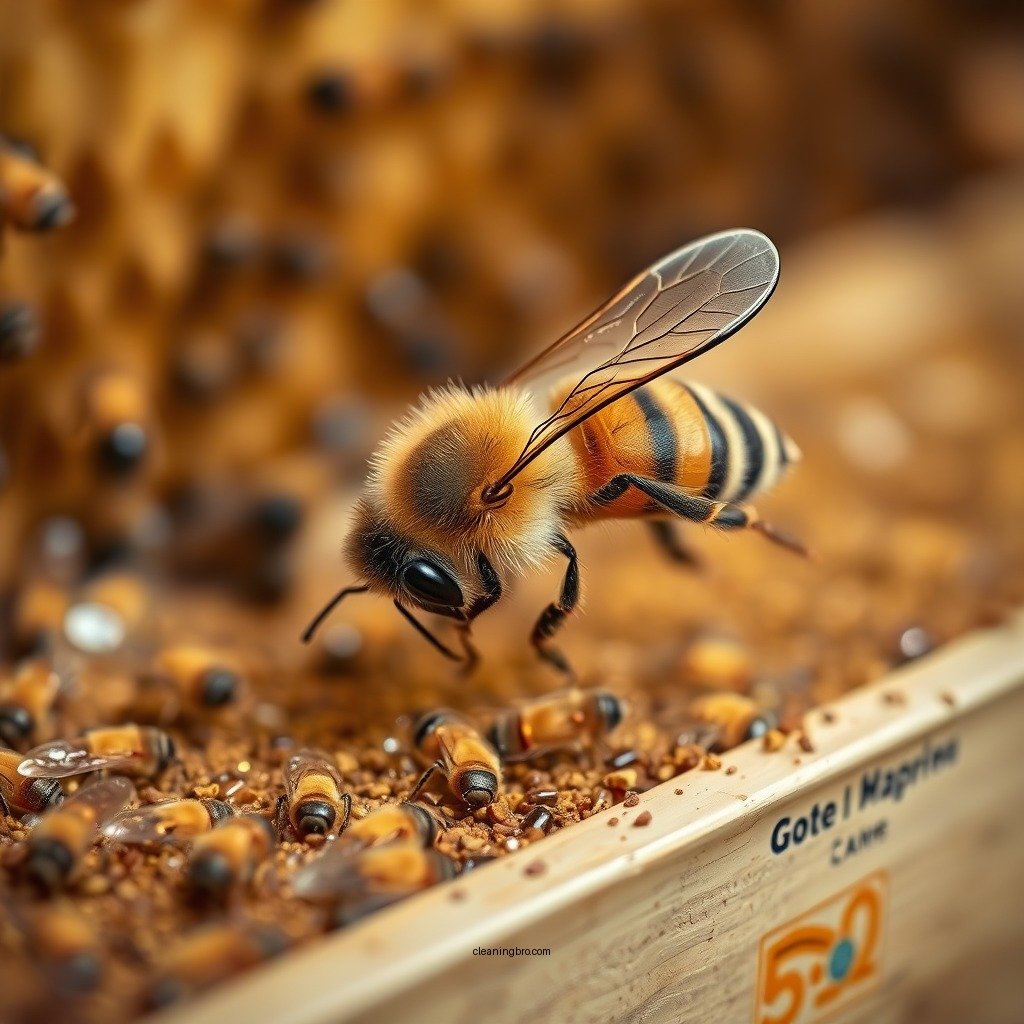
Cleaning bee frames is not just a routine task; it is an essential practice that underpins the success of your beekeeping efforts. Here are two primary reasons why cleaning your frames should be a priority:
– Prevents disease and pests: Bee frames can harbor pathogens, molds, and pests like Varroa mites if not cleaned regularly. These threats can compromise the health of your bees and, subsequently, the productivity of your hive. By removing old wax, propolis, and debris, you create a less hospitable environment for these harmful agents.
– Extends equipment life: High-quality bee frames can be a significant investment. Regular maintenance through cleaning not only enhances their performance but also extends their lifespan. This means fewer replacements and a more sustainable approach to beekeeping, allowing you to allocate resources to other essential areas of your operation.
Tools and Supplies Needed
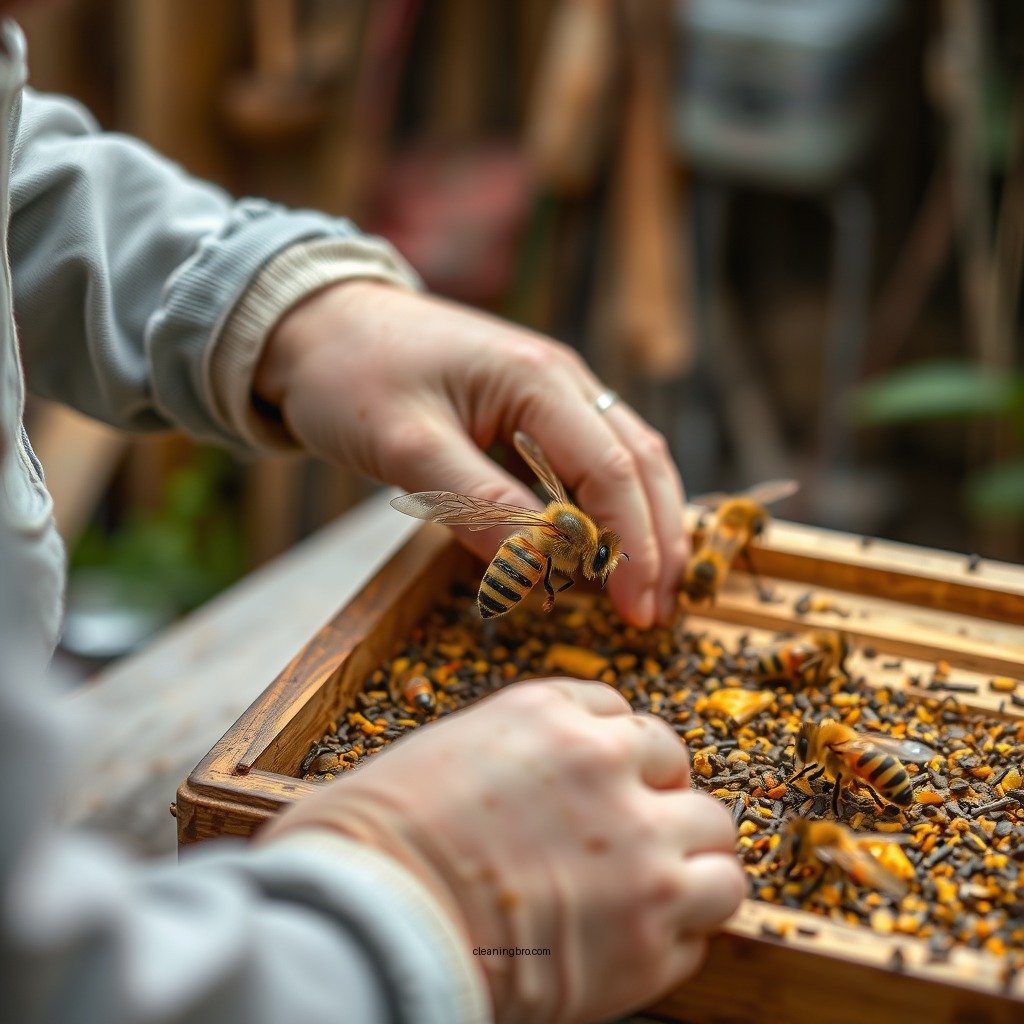
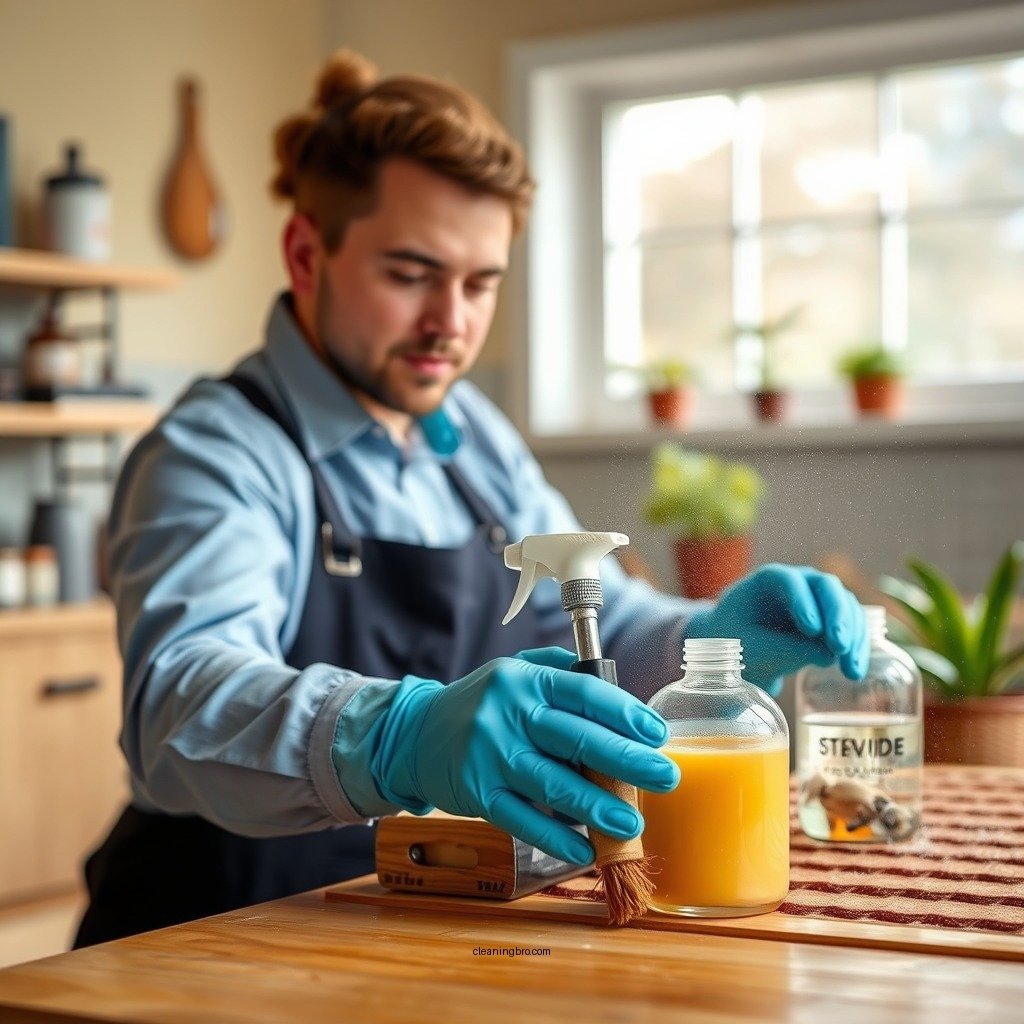
Before embarking on the cleaning process, it’s important to gather the right tools and supplies to ensure efficiency and effectiveness. Here’s a comprehensive list:
– Brushes: A stiff-bristled brush is ideal for scrubbing off debris and wax from the frames.
– Scrapers: A hive tool or a specialized frame scraper will help remove stubborn wax and propolis.
– Bucket: A large bucket or tub is useful for soaking the frames in cleaning solutions.
– Cleaning solutions:
– Natural cleaners: To maintain a bee-friendly environment, opt for natural cleaning agents such as vinegar or mild soap. Avoid harsh chemicals that could leave residues harmful to bees.
Step-by-Step Cleaning Process
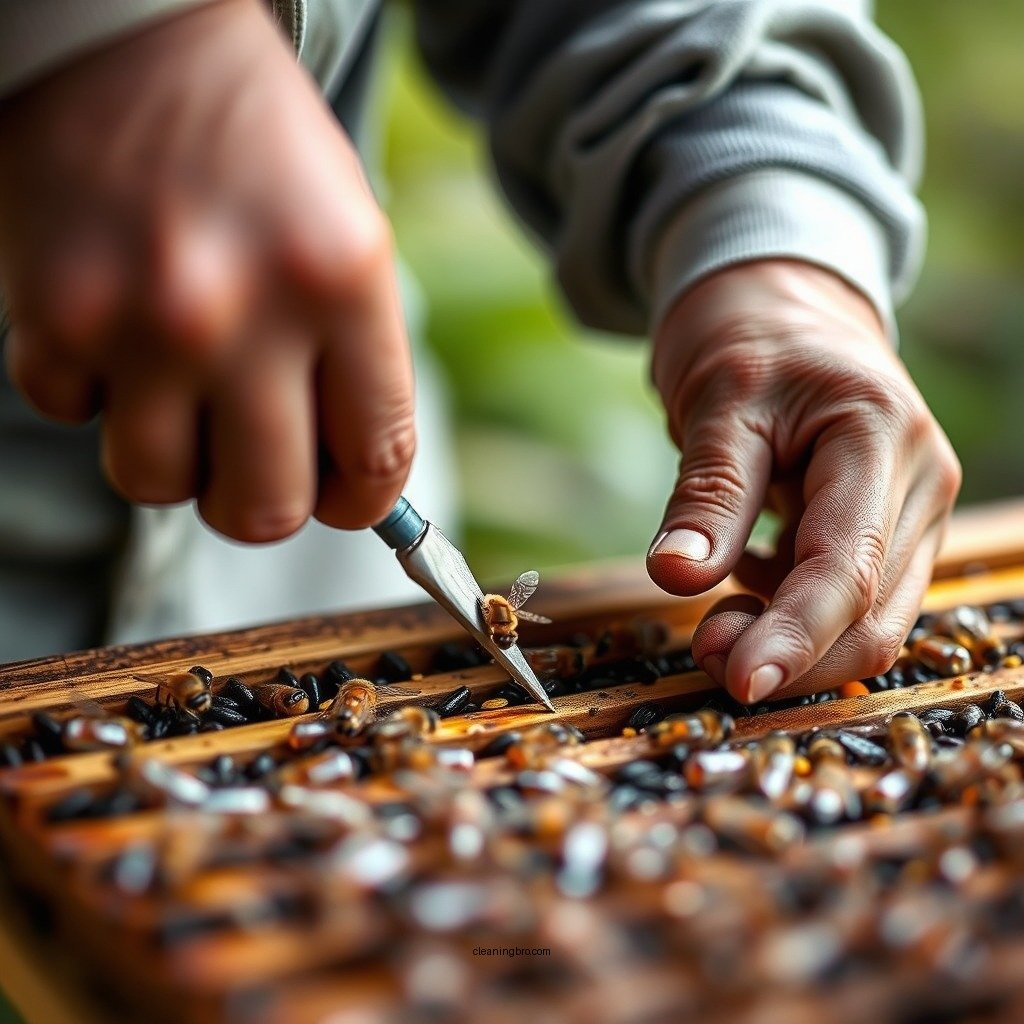
Cleaning bee frames can be a straightforward process if you follow these steps:
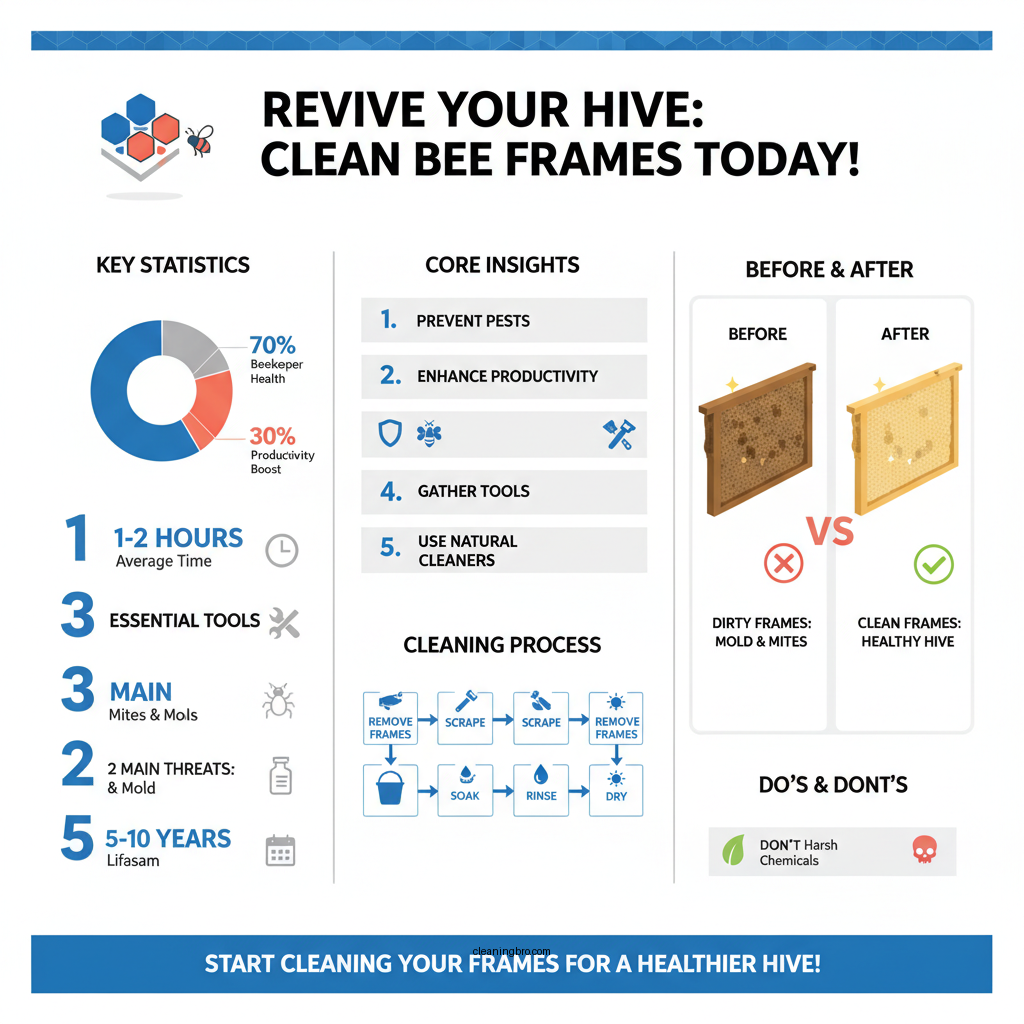
1. Remove the frames: Carefully take frames out of the hive, ideally during a time when the bees are less active (early morning or late evening). Ensure you handle them gently to minimize disturbances to the colony.
2. Scrape off wax and debris: Use your hive tool or scraper to remove old wax and propolis buildup. Focus on corners and crevices where debris tends to accumulate. This process may require some elbow grease, but it is crucial for maintaining clean frames.
3. Brush off loose particles: After scraping, use a stiff brush to remove any additional loose particles that can affect the cleanliness of the frames.
4. Inspect frames for damage: As you clean, take the opportunity to inspect the frames for cracks or signs of wear. Address any damage immediately to prevent further deterioration.
Soaking and Sanitizing Frames
After the initial cleaning, soaking the frames can help to loosen any remaining residues:
1. Prepare a cleaning solution: Mix warm water with a solution of vinegar (1 part vinegar to 3 parts water) or a few drops of mild soap. Ensure the solution is not overly concentrated to avoid any harmful effects.
2. Soak frames: Submerge the frames in the cleaning solution for about 10-15 minutes. This will help soften any stubborn wax or debris that may still cling to the surfaces.
3. Scrub again if necessary: After soaking, revisit the frames with your brush and scraper to remove any remaining residue, ensuring they are completely clean.
Drying and Reassembling Frames
Proper drying is essential to prevent mold and other issues:
1. Rinse thoroughly: Use clean water to rinse the frames, ensuring all soap or vinegar is washed away. This step is vital to prevent any harm to your bees when the frames are reintroduced to the hive.
2. Air dry: Place the frames in a well-ventilated area, ideally outdoors, to dry completely. Avoid direct sunlight, as excessive heat can warp the wood.
3. Reassemble frames: Once dry, reassemble the frames and ensure they are ready for use when you return them to the hive.
Tips for Maintaining Clean Frames
To ensure your frames remain in excellent condition between cleanings, consider these tips:
– Regular inspections: Schedule inspections every few months to catch any issues, such as wax moth infestations or buildup of debris, early on.
– Rotate frames: Changing the position of frames within the hive can help distribute wear and tear. This practice can also help manage the buildup of wax and propolis.
– Utilize a frame feeder: If you use a feeder, consider using one that minimizes drips and spills to reduce mess on the frames.
– Limit honey supers: Overcrowding the hive can lead to excessive buildup and make cleaning more difficult. Be mindful of the number of supers you place on your hive.
Data and Comparison
Top 7 Cleaning Solutions for Bee Frames (2024)
| # | Cleaner | Main Ingredient | Effectiveness | Bee Safe |
|---|---|---|---|---|
| 1 | Vinegar | Acetic Acid | High | Yes |
| 2 | Castile Soap | Olive Oil | Medium | Yes |
| 3 | Baking Soda | Sodium Bicarbonate | Low | Yes |
| 4 | Hydrogen Peroxide | H₂O₂ | High | Yes |
| 5 | Essential Oil Blend | Various | Medium | Yes |
| 6 | Lemon Juice | Citric Acid | Medium | Yes |
| 7 | Dish Soap | Surfactants | Medium | Yes |
Top 3 Cleaning Methods for Bee Frames
| Feature | ⭐ Vinegar Method | Soap Method | Hydrogen Peroxide |
|---|---|---|---|
| Effectiveness | High | Medium | High |
| Ease of Use | Easy | Moderate | Moderate |
| Cost | Low | Low | Medium |
| Bee Safety | ✅ | ✅ | ✅ |
| Time Required | 30 min | 45 min | 30 min |
| Environmental Impact | ✅ | ✅ | ✅ |
| Residue Left | None | Low | None |
| Versatility | High | Medium | High |
| 🏆 Best For | General Cleaning | Budget-Friendly Users | Heavy Residue Cleaning |
Maintaining clean bee frames is crucial for the health of your hive and the productivity of your bees. By following these detailed steps and best practices, you can ensure that your frames remain in excellent condition, ultimately supporting a thriving beekeeping operation. Consider implementing a regular cleaning schedule, and always be proactive about hive maintenance to enhance your overall beekeeping experience.
Frequently Asked Questions
How do I properly clean bee frames after harvesting honey?
To clean bee frames after honey extraction, first remove any leftover wax and propolis using a hive tool. Wash the frames with warm water and a mild soap solution, then rinse thoroughly to eliminate any soap residue. For a deeper clean, consider soaking them in a diluted bleach solution, but ensure you rinse well afterward to prevent any chemical residue that could harm your bees.
What is the best method for sanitizing bee frames to prevent disease?
The best method for sanitizing bee frames is to use a solution of 1 part bleach to 9 parts water. Submerge the frames in this solution for about 10 minutes to effectively kill pathogens. Afterward, rinse the frames thoroughly with clean water and allow them to dry completely before reintroducing them to the hive to ensure they are safe for your bees.
Why is it important to clean bee frames regularly?
Regularly cleaning bee frames is crucial to prevent the buildup of bacteria, mold, and pests that can harm your bee colony. Dirty frames can harbor diseases like American Foulbrood, which can devastate a hive. By maintaining clean frames, you promote a healthier environment for your bees, leading to better honey production and colony longevity.
Which tools do I need to clean bee frames effectively?
To clean bee frames effectively, you will need a hive tool for scraping off wax and propolis, a bucket for soaking frames, and a brush for scrubbing. Additionally, a mild detergent, bleach for sanitizing, and a hose or water source for rinsing will help ensure a thorough cleaning process. Having these tools on hand will make your cleaning efforts more efficient and effective.
How often should I clean my bee frames for optimal hive health?
It is recommended to clean your bee frames at least once a year, ideally after honey harvest or before the start of the new season. However, frames that show signs of mold, excessive propolis buildup, or pest infestations should be cleaned immediately. Regular cleaning helps maintain hive health and prevents the spread of diseases among your bees.
References
- https://www.ncbi.nlm.nih.gov/pmc/articles/PMC6467645/
https://www.ncbi.nlm.nih.gov/pmc/articles/PMC6467645/ - https://www.sciencedirect.com/science/article/pii/S2351978917300271
https://www.sciencedirect.com/science/article/pii/S2351978917300271 - https://www.ars.usda.gov/ARSUserFiles/20360500/2014_Magazine_Article_Bee_Hive_Cleaning.pdf
https://www.ars.usda.gov/ARSUserFiles/20360500/2014_Magazine_Article_Bee_Hive_Cleaning.pdf - Beekeeping | Definition, Equipment, & Facts | Britannica
https://www.britannica.com/science/beekeeping - https://www.extension.purdue.edu/extmedia/FS/FS-11-W.pdf
https://www.extension.purdue.edu/extmedia/FS/FS-11-W.pdf - https://www.nass.usda.gov/Surveys/Guide_to_NASS_Surveys/Beekeepers_Survey/
https://www.nass.usda.gov/Surveys/Guide_to_NASS_Surveys/Beekeepers_Survey/ - Google Scholar Google Scholar
https://scholar.google.com/scholar?q=cleaning+bee+frames - Google Scholar Google Scholar
https://scholar.google.com/scholar?q=bee+frame+maintenance - Google Scholar Google Scholar
https://scholar.google.com/scholar?q=beekeeping+cleaning+practices - Google Scholar Google Scholar
https://scholar.google.com/scholar?q=how+to+clean+bee+frames