Preventing Dirt Buildup on Allergens
To prevent dirt buildup on allergens, stick to regular cleaning by dusting surfaces twice a week with microfiber cloths and vacuuming using HEPA filters. Choose natural, fragrance-free cleaners to avoid irritating your allergies. Keep air fresh with good ventilation and air purifiers, and manage pet dander by grooming pets often. Also, minimize outdoor dirt by using mats and maintaining your yard. These simple steps make a big difference in creating a cleaner, healthier space—you’ll find even more helpful tips ahead.
Regular Cleaning Routines to Reduce Allergen Accumulation
Although it might seem tedious, sticking to regular cleaning routines is key to keeping allergens at bay. You’ll find that setting a consistent cleaning frequency helps prevent dirt and dust from settling and multiplying. Aim to dust surfaces at least twice a week using effective dusting techniques—like using microfiber cloths or electrostatic dusters—to trap particles rather than just spreading them around. Don’t forget overlooked spots like ceiling fans, baseboards, and vents where allergens tend to accumulate. By committing to these simple habits, you maintain a cleaner environment without feeling trapped by endless chores. This approach gives you the freedom to enjoy your space comfortably, knowing allergens are under control without sacrificing your time or lifestyle.
Choosing the Right Cleaning Products for Allergy Relief
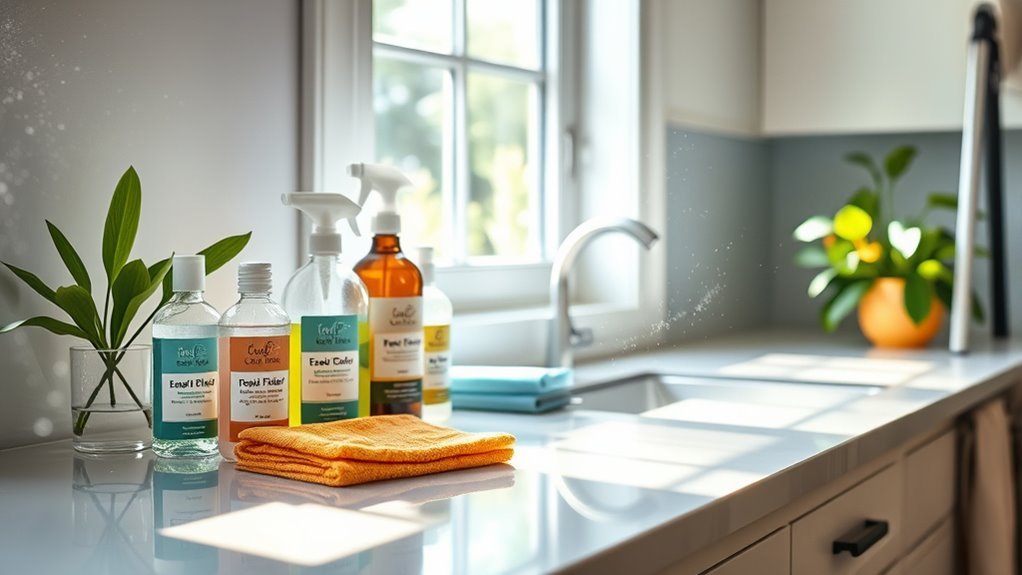
When selecting cleaning products for allergy relief, it is crucial to choose those that effectively remove allergens without introducing harsh chemicals that can trigger sensitivities. You want natural cleaners that tackle dirt and dust while being gentle on your respiratory system. Fragrance free options are especially important since synthetic scents often worsen allergy symptoms and limit your comfort at home. Look for products labeled hypoallergenic or designed specifically for sensitive environments to maintain your freedom from irritants. Avoid cleaners with ammonia, bleach, or strong preservatives, as these can aggravate allergies rather than relieve them. By choosing the right products, you create a safer, cleaner space that supports your well-being and keeps allergens at bay—helping you enjoy your home without compromises or restrictions.
Effective Air Filtration and Ventilation Strategies
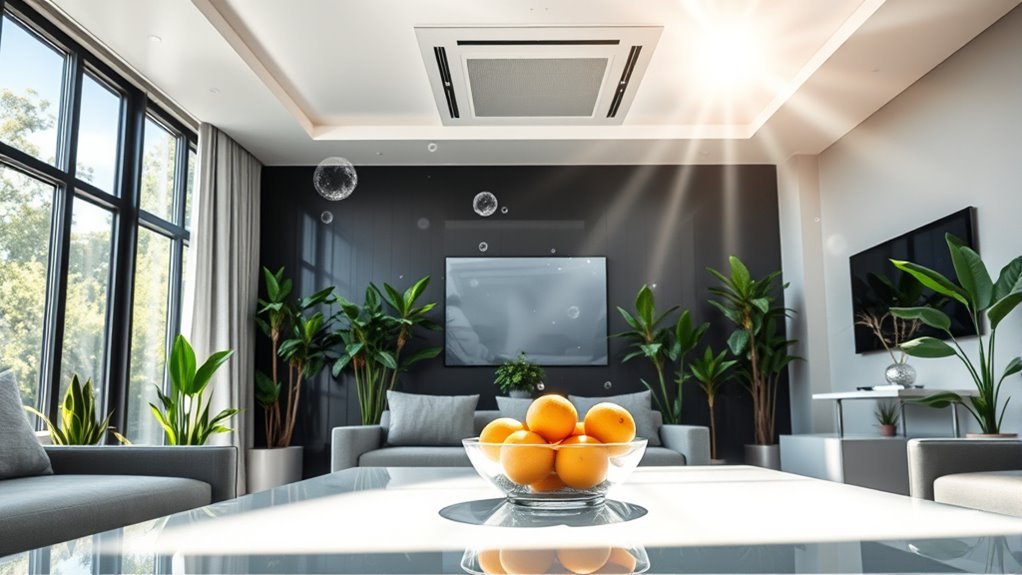
Since airborne allergens can quickly accumulate indoors, improving your air filtration and ventilation is essential to maintaining a healthy environment. You can take charge by investing in air purifiers equipped with HEPA filters, which trap microscopic particles like pollen, dust, and mold spores. These filters are your best ally in keeping the air clean without relying on harsh chemicals or constant cleaning. Additionally, make sure your living space is well-ventilated—open windows when weather permits, or use exhaust fans to circulate fresh air and reduce indoor allergen concentration. By combining effective air filtration with consistent ventilation, you’ll create a freer, healthier atmosphere where allergens have less chance to build up and interfere with your comfort and well-being.
Managing Pet Dander and Indoor Allergens
If you have pets, you know how their dander can quickly accumulate and worsen indoor allergies. To keep your space feeling fresh, regular pet grooming is essential—it reduces loose fur and dander before it settles on surfaces. You’ll want to bathe and brush your pets frequently, especially during shedding seasons. Choosing allergy friendly fabrics for furniture and bedding also helps; these materials trap less dander and are easier to clean. Wash pet bedding often and vacuum floors with a HEPA-filter vacuum to capture dander effectively. By combining these steps, you’ll enjoy a freer, cleaner home environment without sacrificing the joy pets bring. Managing pet dander doesn’t have to limit your lifestyle—it just takes simple, consistent care.
Preventative Measures for Outdoor Dirt and Pollen Control
Although outdoor dirt and pollen are unavoidable, you can take simple steps to minimize their impact inside your home. Start with smart outdoor landscaping—choose plants that produce less pollen and create natural barriers like hedges to reduce dirt blowing indoors. Regular seasonal maintenance is key: clean gutters, trim overgrown branches, and rake leaves to prevent buildup that can worsen pollen spread. You might also consider installing mats at entryways to catch dirt before it sneaks in. By staying proactive with these measures, you’ll enjoy your outdoor freedom without sacrificing indoor air quality. Taking control of your outdoor environment means less dirt and pollen invading your space, helping you breathe easier and live more freely throughout the year.
Frequently Asked Questions
Can Certain Houseplants Reduce Indoor Allergen Levels?
Sure, certain houseplant types can greatly spruce up your space and support your indoor air quality. Plants like spider plants, snake plants, and peace lilies perform powerful purification, pulling pollutants and allergens from the air. You’ll find they freshen and filter your surroundings naturally, making your home healthier and freer from pesky irritants. So, by picking the right plants, you’re embracing cleaner, clearer air and a carefree, comfy living environment.
How Often Should HVAC Filters Be Replaced for Allergy Control?
You should aim to check your HVAC filter replacement frequency every 1 to 3 months, especially if you’re focused on allergy symptom management. This keeps allergens from building up and circulating in your home, letting you breathe easier and enjoy your space freely. If you have pets or high pollen exposure, changing filters more often helps maintain that clean air vibe, so you don’t feel trapped by sneezing or irritation indoors.
Are Air Purifiers Effective Against All Types of Allergens?
You might think air purifiers can vanquish every allergen on the planet, but they’re not quite that magical. While air purifiers are great for capturing many common allergen types like pollen, dust mites, and pet dander, they can’t eliminate all allergens, especially those embedded in fabrics or carpets. You’ll want to combine them with good cleaning habits to truly enjoy allergen-free freedom in your space.
Does Humidity Affect Allergen Buildup in the Home?
Yes, humidity levels definitely affect allergen buildup in your home. When humidity is too high, it creates the perfect environment for mold growth, which can worsen allergies. Keeping humidity between 30-50% helps prevent mold and dust mites from thriving. You don’t want to feel trapped by allergens, so using a dehumidifier or proper ventilation can give you more control over your space and keep your air fresher and freer.
Can Allergen-Proof Mattress Covers Help Reduce Symptoms?
Yes, allergen-proof mattress covers can be a game-changer for your allergy management. By providing effective mattress protection, they create a barrier against dust mites, pet dander, and other triggers hiding in your bed. You’ll enjoy cleaner sleep and fewer symptoms, giving you the freedom to rest easy without constant irritation. Investing in these covers lets you take control of your environment and breathe easier every night.