How to Clean Out Old Cap Filling: Step-by-Step Guide
Cleaning out old cap filling is essential for maintaining the longevity and performance of your equipment. In this guide, you’ll learn effective methods to remove outdated cap filling efficiently, ensuring your caps function as intended. Regular cleaning not only enhances the performance of your equipment but also prevents leaks and other operational inefficiencies.
Understanding Old Cap Filling
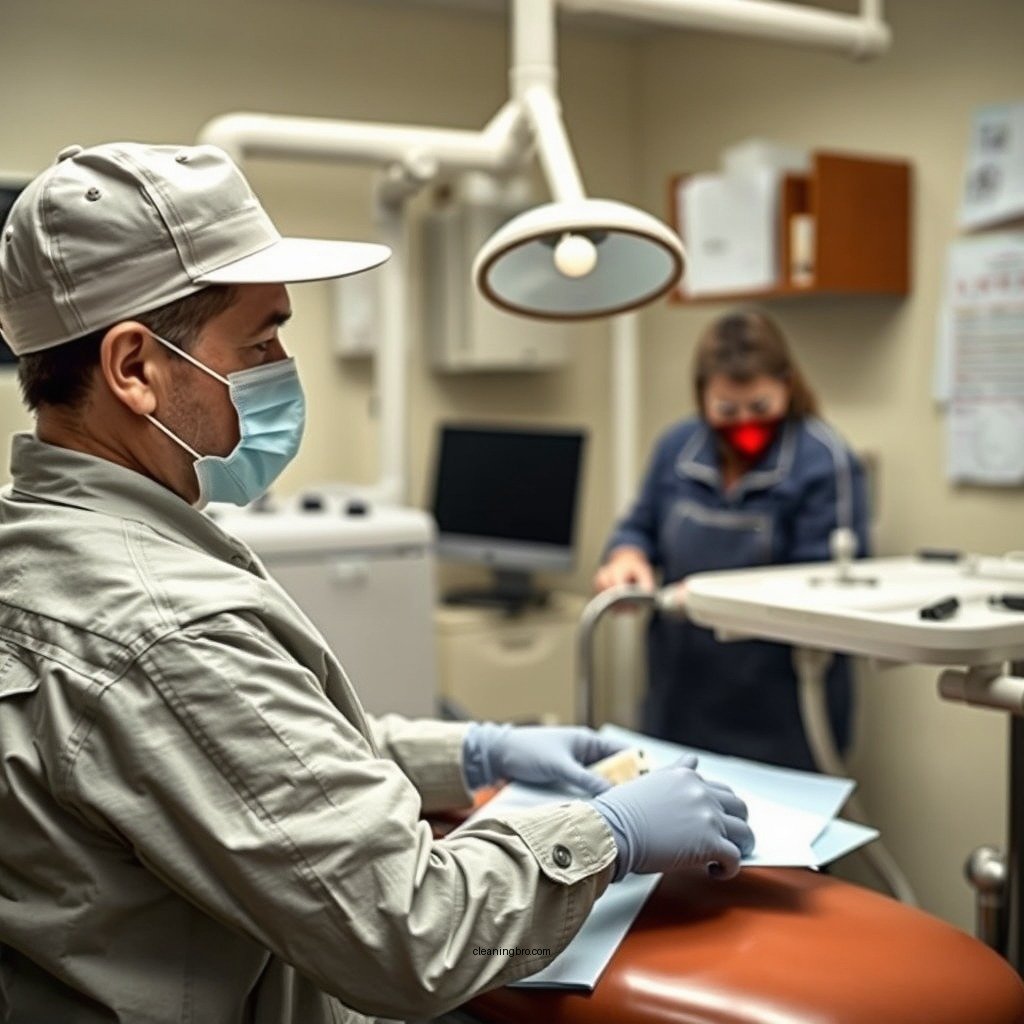
Old cap filling can lead to a host of issues, including leaks and reduced efficiency. As the filling material ages, it can break down, causing it to lose its sealing properties. Identifying the signs of degraded filling material—such as cracks, discoloration, or a hardened texture—is crucial for timely maintenance. Neglecting these signs can lead to costly repairs and equipment downtime, which can affect productivity. Regular inspections will help you catch these issues before they escalate, ensuring that your equipment remains in optimal working condition.
Tools Needed for Cleaning
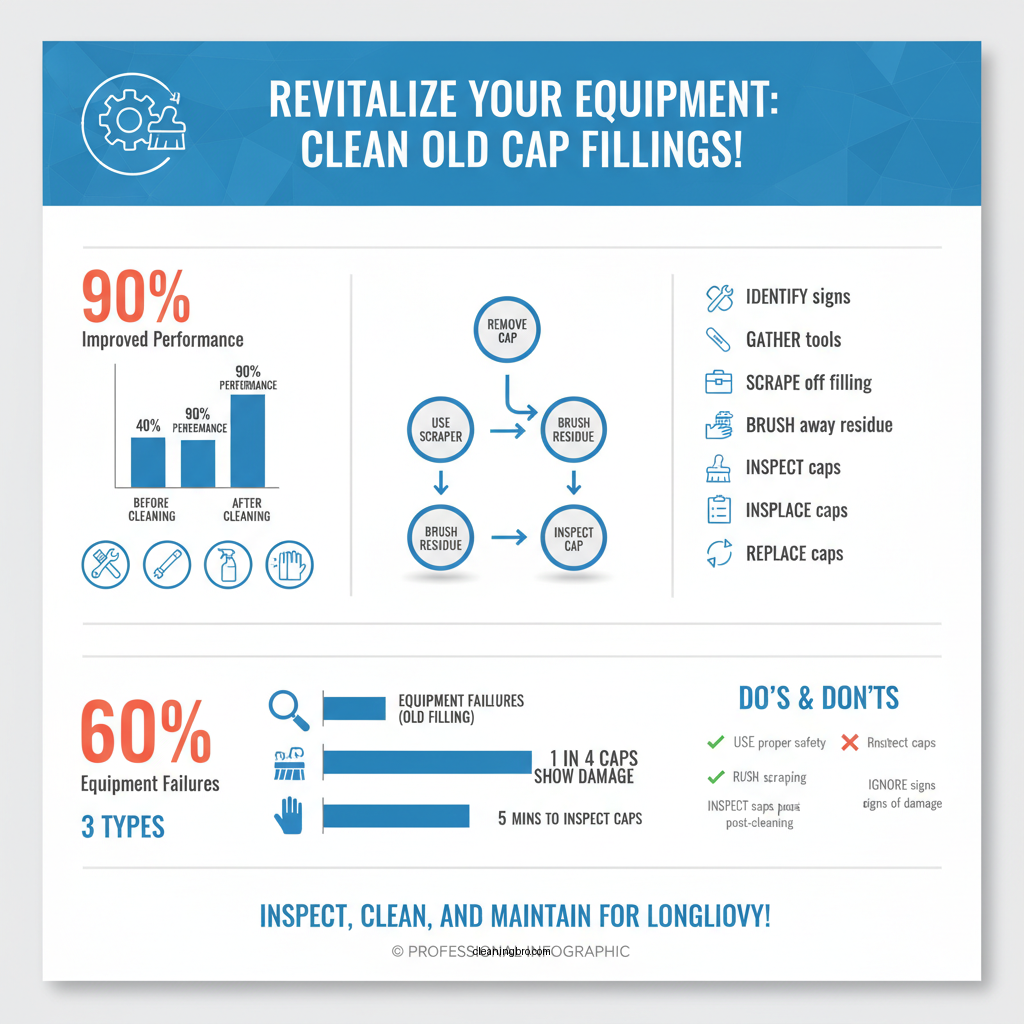
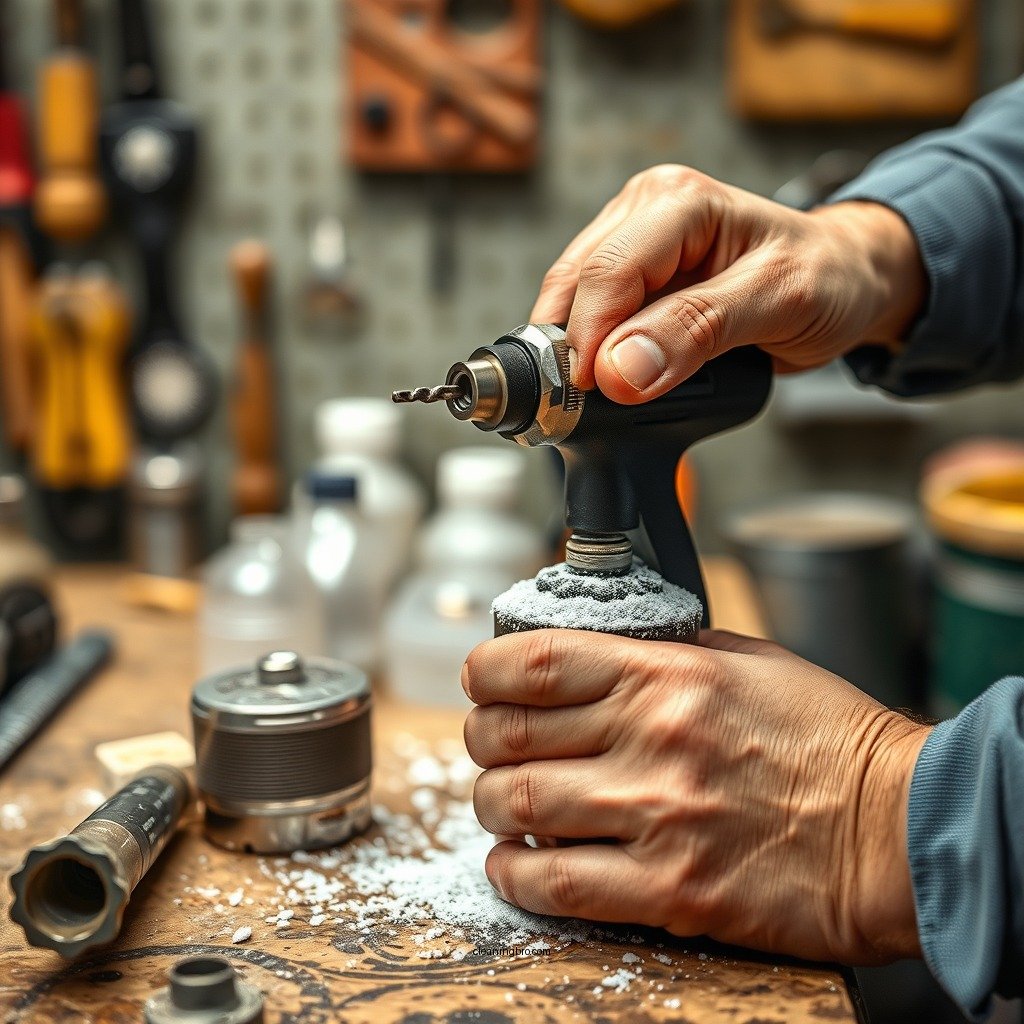
Before starting the cleaning process, it is essential to gather the right tools. You will need:
– Scrapers: A set of plastic and metal scrapers will help you remove the filling without damaging the cap.
– Brushes: Stiff and soft brushes can aid in cleaning hard-to-reach areas.
– Solvents: Choose solvents that are compatible with the material of your cap and filling material—common choices include acetone or rubbing alcohol.
– Cleaning Cloths: Lint-free cloths are best for wiping down surfaces after cleaning.
– Safety Equipment: Gloves and goggles are crucial for protecting your skin and eyes from chemicals.
Having these tools ready will streamline the cleaning process and make it safer.
Step-by-Step Cleaning Process
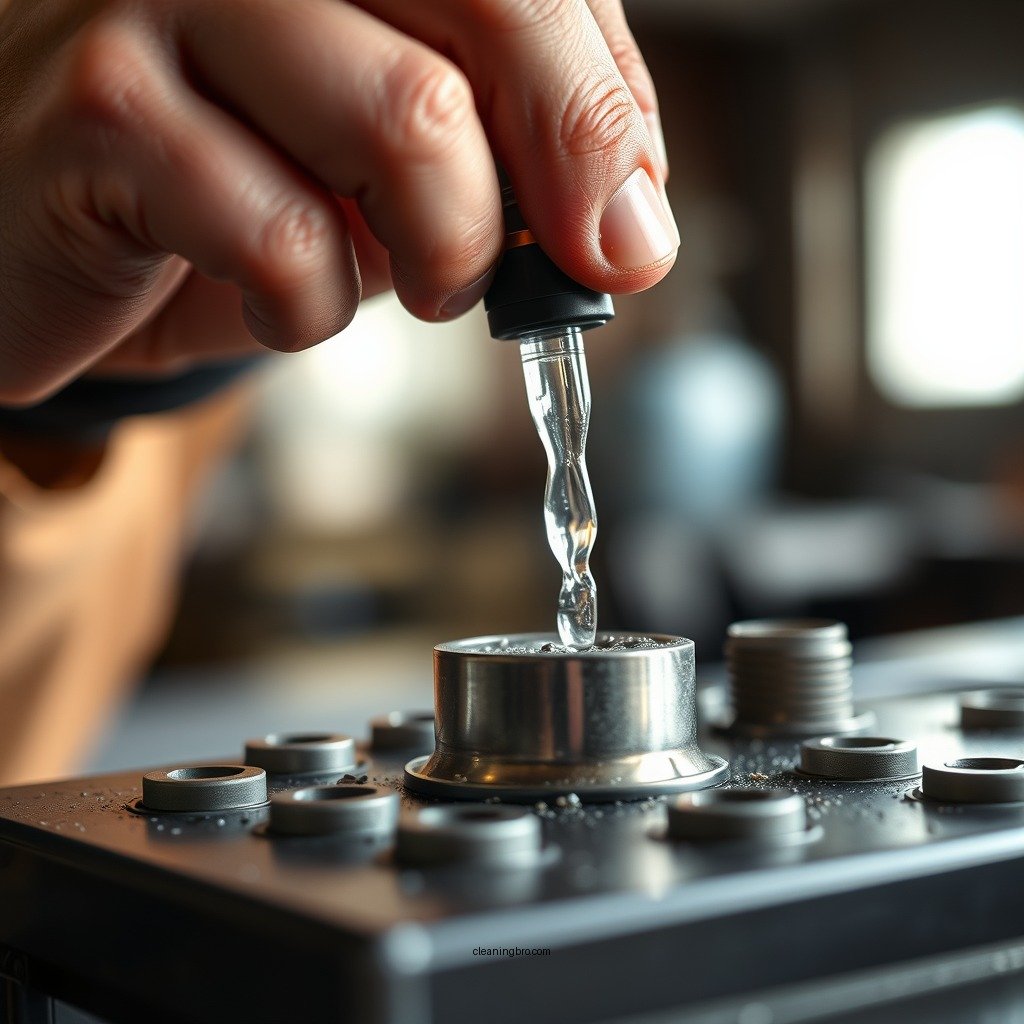
1. Remove the Cap: Begin by carefully unscrewing or unclipping the cap from your equipment. Take care to avoid damaging any threads or seals.
2. Use a Scraper: Gently use a scraper to lift off the old filling material. Start at the edge and work your way inward. For stubborn areas, you may need to apply a bit more pressure, but be cautious to avoid scratching the surface of the cap.
3. Brush Away Residue: Once you have removed the bulk of the filling, use a stiff brush to dislodge any remaining bits. Follow this with a softer brush for fine cleaning.
4. Inspect the Cap: After cleaning, inspect the cap for any signs of damage. If the cap is too worn or damaged, consider replacing it to ensure proper sealing.
📋 Data
Top 7 Solvents for Cleaning Cap Filling
| # | Solvent | Material Compatibility | Safety Rating | Eco-Friendly |
|---|---|---|---|---|
| 1 | Acetone | Plastics, Metals | Moderate | No |
| 2 | Rubbing Alcohol | Most Materials | Low | Yes |
| 3 | Mineral Spirits | Paint, Varnish | Moderate | No |
| 4 | Soap and Water | All Materials | Very Low | Yes |
| 5 | Vinegar | Metals, Plastics | Very Low | Yes |
| 6 | Thinner | Paint, Adhesives | High | No |
| 7 | Citrus-Based Cleaner | Most Materials | Low | Yes |
Choosing the Right Cleaning Solvent
Selecting an appropriate solvent is critical when cleaning out old cap filling. The solvent must be compatible with both the cap material and the filling material. For example, acetone is highly effective but can damage certain plastics, while rubbing alcohol is safe for most materials and is also eco-friendly. When possible, choose solvents that minimize environmental impact. Eco-friendly options, such as vinegar or citrus-based cleaners, are generally safer for both the user and the environment. Always read the manufacturer’s instructions and safety data sheets to ensure you are using the solvent correctly.
Rinsing and Drying the Cap
After scraping and cleaning, rinsing the cap is essential to remove any leftover residue. Use clean water and a brush to ensure all cleaning agents are thoroughly washed away. Once rinsed, use a lint-free cloth to wipe down the cap. Allow the cap to dry completely before reapplying new filling to avoid moisture issues, which could compromise the integrity of the new filling material. A well-dried cap significantly enhances the effectiveness of the new filling and ensures a tight seal.
Applying New Cap Filling
When it comes to applying new cap filling, it’s crucial to choose the right material based on the application. For example, silicone-based fillers are ideal for high-temperature applications, while rubber fillers are better for flexible seals. Always follow the manufacturer’s instructions for proper application techniques to ensure a successful seal. Typically, you’ll want to apply the filling evenly, avoiding overfilling, which can lead to issues with the cap’s functionality. Make sure to allow adequate curing time as per the product specifications before using the equipment.
Regular Maintenance Tips
To prevent the buildup of old cap filling, schedule routine checks at regular intervals. This proactive approach will help you catch any signs of degradation early on. Also, maintain an inventory of cleaning supplies for quick access during maintenance tasks. Keeping a checklist of maintenance tasks, including the frequency of cap inspections and cleaning, can be beneficial. By adhering to a maintenance schedule, you will enhance the lifespan of your caps and ensure optimal performance.
Maintaining your caps by cleaning out old filling is crucial for their performance and longevity. By following these steps and tips, you’ll ensure that your equipment remains in optimal condition. For more maintenance tips or to explore new filling options, feel free to reach out or browse our resources!
Frequently Asked Questions
What tools do I need to clean out old cap filling?
To effectively clean out old cap filling, you’ll need a few essential tools: a utility knife or scraper for removing the old material, a vacuum or brush for cleaning debris, and a solvent or cleaner suitable for the type of filling used. Additionally, wearing gloves and a mask is recommended for safety, especially if you’re working with chemicals.
How do I safely remove old cap filling from my vehicle?
To safely remove old cap filling from your vehicle, start by using a utility knife to gently cut around the edges of the filling. Be careful not to damage the surrounding area. After loosening the filling, use a scraper to lift it off, and clean any residue with a solvent. Always ensure proper ventilation when using chemicals.
Why is it important to clean out old cap filling regularly?
Cleaning out old cap filling regularly is crucial to maintain the integrity of your vehicle’s components and prevent issues such as leaks or corrosion. Over time, old filling can degrade, leading to poor sealing and potential damage. Regular maintenance ensures optimal performance and longevity of your vehicle.
What is the best method for cleaning out cap filling from a boat?
The best method for cleaning out cap filling from a boat involves using a combination of scraping and solvent cleaning. Start by scraping off the old filling with a plastic scraper to avoid scratching the surface. Follow up with a marine-grade cleaner to remove any remaining residue, ensuring the area is thoroughly prepped for new filling.
Which types of solvents are effective for cleaning old cap filling?
Effective solvents for cleaning old cap filling include mineral spirits, acetone, and dedicated adhesive removers. Choose a solvent based on the type of filling material you’re dealing with, and always test it on a small area first to ensure it doesn’t damage the surface. Make sure to follow safety guidelines while using these solvents.
References
- https://www.ncbi.nlm.nih.gov/pmc/articles/PMC4655020/
https://www.ncbi.nlm.nih.gov/pmc/articles/PMC4655020/ - https://www.mayoclinic.org/diseases-conditions/tooth-decay/symptoms-causes/syc-20352543
https://www.mayoclinic.org/diseases-conditions/tooth-decay/symptoms-causes/syc-20352543 - https://www.cdc.gov/oralhealth/publications/cleaning-teeth.html
https://www.cdc.gov/oralhealth/publications/cleaning-teeth.html - https://www.nature.com/articles/s41598-020-72097-4
https://www.nature.com/articles/s41598-020-72097-4 - https://www.sciencedirect.com/science/article/pii/S235197892030218X
https://www.sciencedirect.com/science/article/pii/S235197892030218X - Oral health
https://www.who.int/news-room/fact-sheets/detail/oral-health - https://www.britannica.com/science/tooth-decay
https://www.britannica.com/science/tooth-decay - Google Scholar Google Scholar
https://scholar.google.com/scholar?q=cleaning+old+cap+filling - Google Scholar Google Scholar
https://scholar.google.com/scholar?q=oral+health+restorative+dentistry - Google Scholar Google Scholar
https://scholar.google.com/scholar?q=dental+cap+maintenance