How to Clean a Plexiglass Aquarium: A Step-by-Step Guide
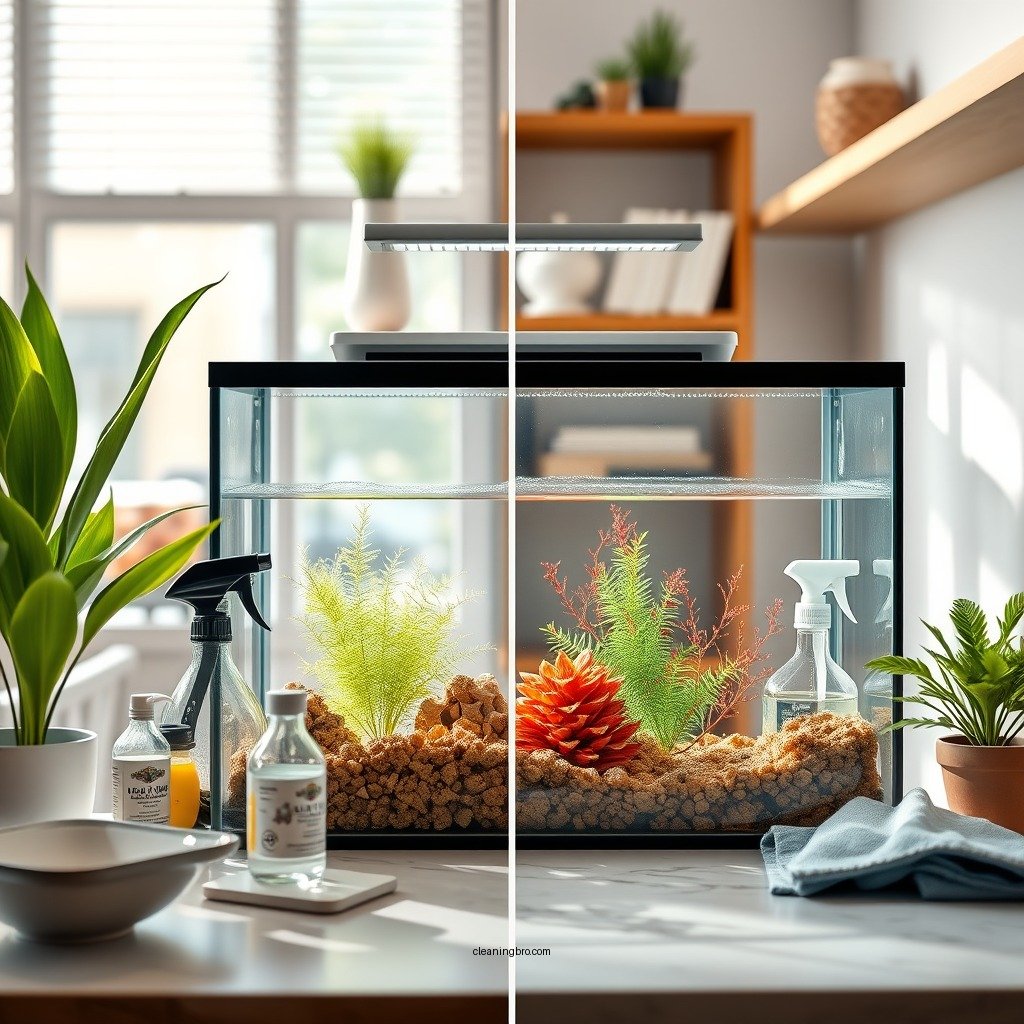
Cleaning a plexiglass aquarium is essential for maintaining clarity and ensuring a healthy environment for your aquatic life. The transparency of plexiglass allows for an unobstructed view of your fish and plants, but it can accumulate algae and grime over time. To clean your aquarium effectively, start by using non-abrasive materials and safe cleaning solutions that won’t scratch the surface. This guide will walk you through the necessary steps to achieve a sparkling clean aquarium, ensuring both aesthetic appeal and a healthier habitat for your aquatic pets.
Gather Your Cleaning Supplies
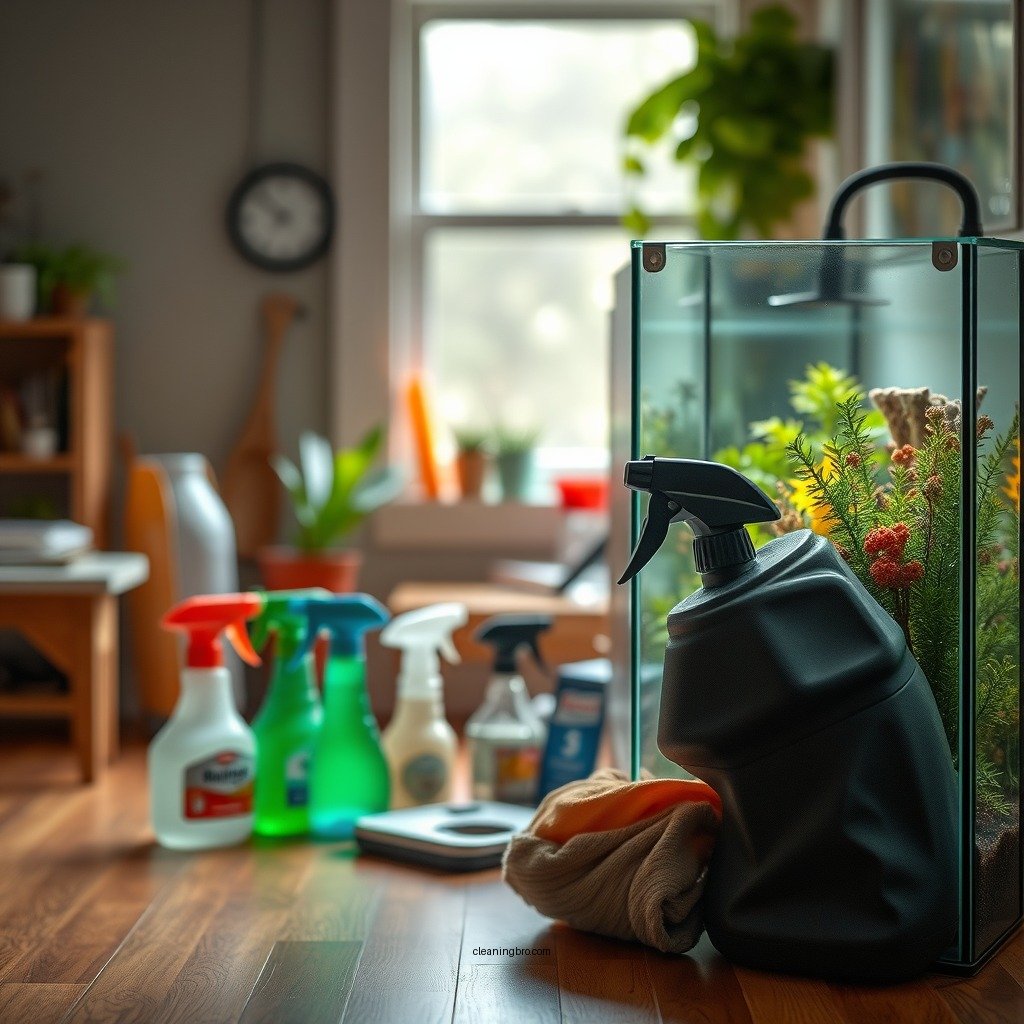
Before you begin the cleaning process, it’s crucial to gather all necessary cleaning supplies. Proper preparation will streamline the task and help achieve the best results. Here’s what you’ll need:
– Non-abrasive sponge or cloth: Using a soft sponge or microfiber cloth prevents scratches on the plexiglass surface, which can cloud the material and impair visibility.
– Aquarium-safe cleaner or vinegar solution: Algae and grime can be effectively removed using a dedicated aquarium cleaner or a simple vinegar solution (one part vinegar to three parts water). Both options are safe for aquatic life when rinsed thoroughly.
– Bucket: A clean bucket will be required for rinsing sponges and holding the cleaning solution.
Prepare Your Aquarium for Cleaning
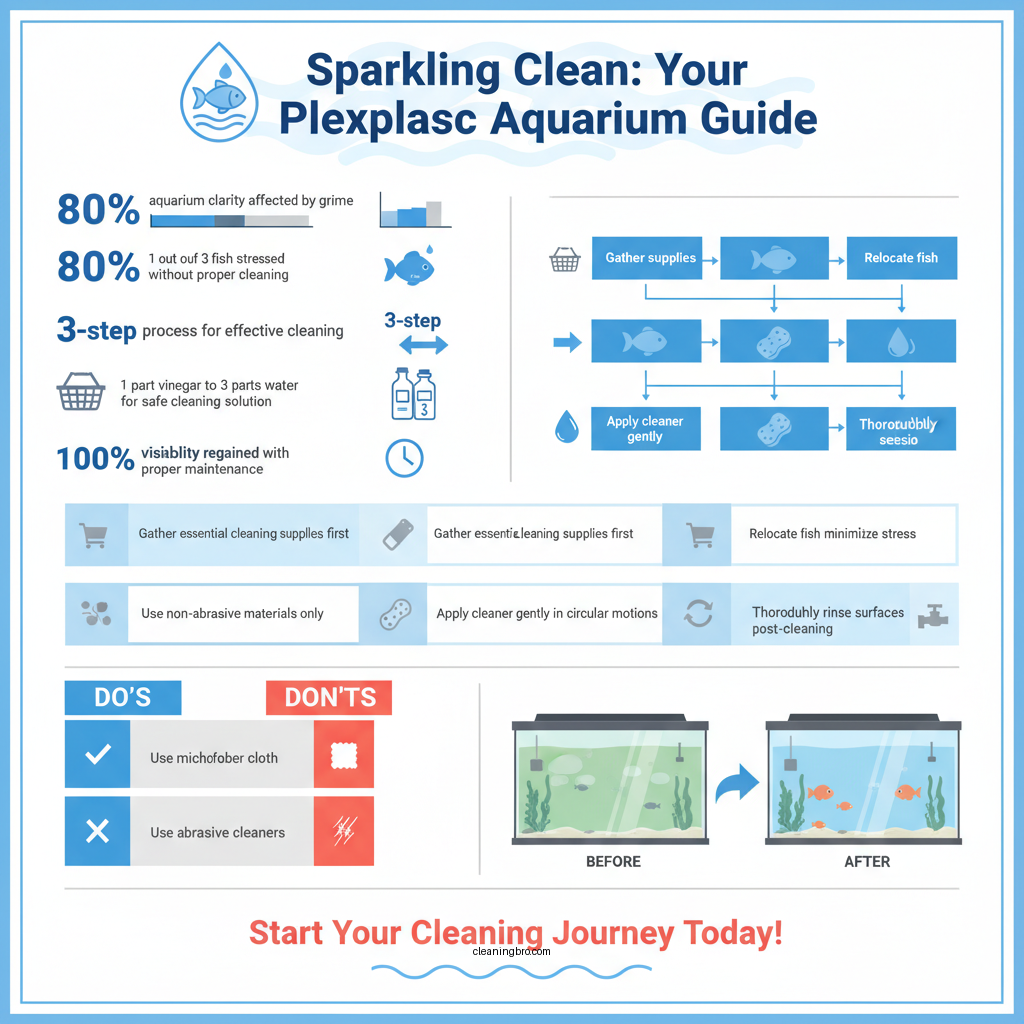
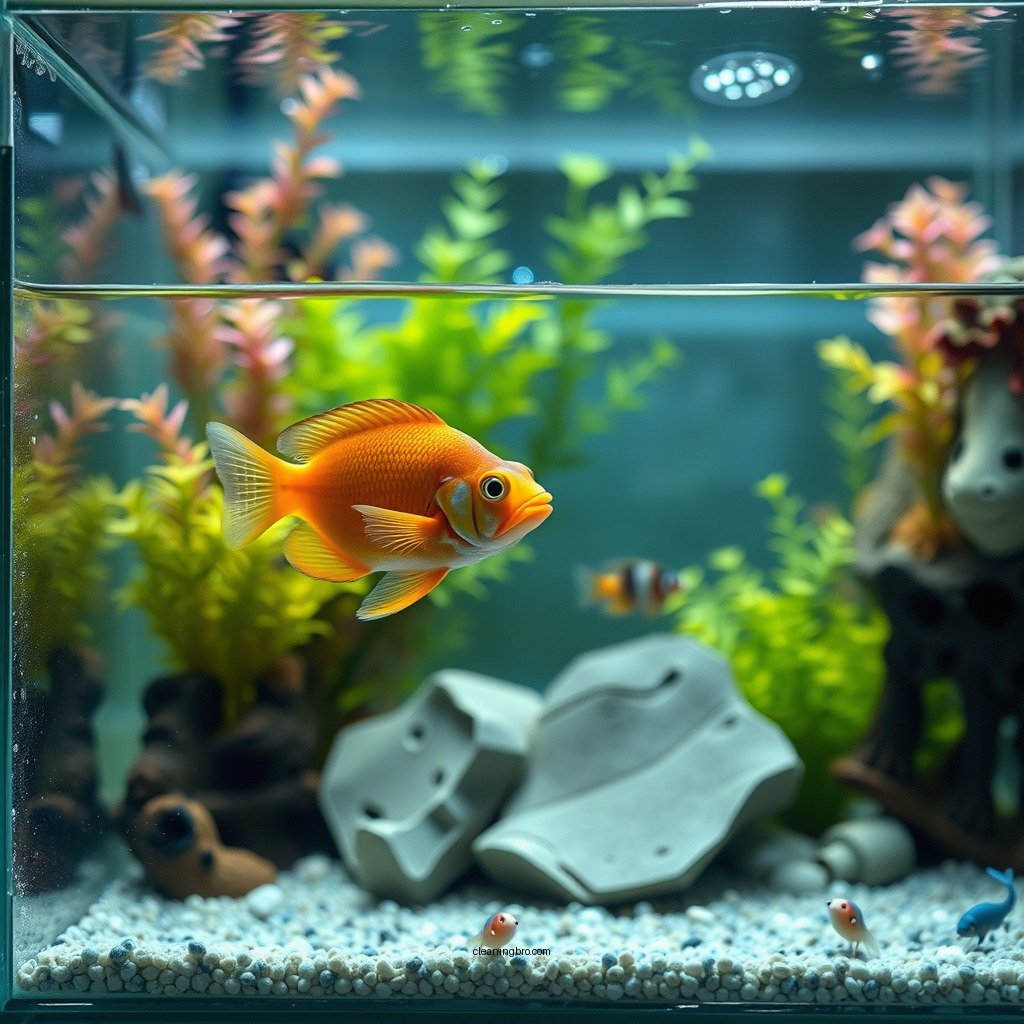
Preparation is vital to ensure the safety of your fish and the efficiency of the cleaning process. Follow these steps:
– Remove fish and decorations: Carefully relocate your fish to a temporary holding container filled with water from the aquarium. This minimizes their stress levels. Also, remove any decorations, plants, or substrate that may obstruct the cleaning process.
– Drain the water: Depending on the extent of the cleaning, you may need to drain a portion of the water or completely empty the aquarium. If you’re only cleaning the plexiglass, a partial drain will suffice.
Clean the Plexiglass Surface
With the aquarium prepared, you can now focus on cleaning the plexiglass itself. Here’s how to do it effectively:
– Apply cleaner: Using either a spray bottle or your sponge, apply the aquarium-safe cleaner or vinegar solution directly onto the plexiglass surface. Be sure to cover all areas, especially spots with visible algae buildup.
– Wipe gently: Using your non-abrasive sponge, gently scrub the surface in circular motions. Avoid applying excessive pressure, which could lead to scratching. Pay attention to corners and edges, where grime often accumulates.
Top 7 Causes of Algae Growth in Aquariums (2024)
| # | Causes | Impact Level | Prevention Tips |
|---|---|---|---|
| 1 | Excessive Light | High | Limit light duration |
| 2 | Overfeeding Fish | Medium | Feed in moderation |
| 3 | High Nitrate Levels | High | Regular water changes |
| 4 | Poor Filtration | Medium | Use a quality filter |
| 5 | Dead Plant Matter | Medium | Regular maintenance |
| 6 | High Phosphate Levels | High | Use phosphate removers |
| 7 | Infrequent Water Changes | High | Change 10-15% weekly |
Rinse Thoroughly
Once you have scrubbed the plexiglass, the next step is to rinse it thoroughly to ensure all cleaning residues are removed:
– Use clean water: Rinse the aquarium surfaces with clean water. This can be done by filling a container with fresh water or using a hose with a gentle spray. It’s important to ensure that all traces of the cleaning solution are washed away to avoid harm to your fish.
– Check for streaks: After rinsing, inspect the aquarium for any remaining spots or streaks. If necessary, repeat the cleaning process on those areas. A clear, streak-free surface is essential for maintaining the beauty of your aquarium.
Reassemble Your Aquarium
After cleaning, you can begin reassembling your aquarium to its original state:
– Replace decorations: Carefully return any decorations, plants, or substrate to the aquarium. Make sure to position them securely to prevent any future disturbances.
– Reintroduce fish gradually: Gradually acclimate your fish to the cleaned environment. Place them back into the aquarium slowly to minimize shock, ideally over a few hours. This can be done by floating their container in the aquarium and gradually mixing in some tank water.
Maintain Regular Cleaning Schedule
Regular maintenance is key to keeping your plexiglass aquarium clean and your aquatic life thriving:– Establish a routine: Aim to clean your plexiglass aquarium every 2-4 weeks, depending on the bioload and growth rates of algae. Regular cleaning prevents excessive buildup that can lead to a decline in water quality.
– Monitor water quality: Regularly check water parameters such as pH, ammonia, nitrites, and nitrates. Utilizing a water testing kit can help you stay on top of any issues before they escalate, ensuring a healthy habitat for your fish.
Maintaining a clean plexiglass aquarium is vital for the health of your fish and the overall aesthetics of your setup. By following these steps and incorporating regular maintenance, you can enjoy a clear and beautiful aquarium for years to come. Consider setting reminders for your cleaning schedule to ensure your aquarium stays in top condition!
Frequently Asked Questions
What is the best way to clean plexiglass aquarium without scratching it?
The best way to clean a plexiglass aquarium is to use a soft microfiber cloth or sponge along with a gentle aquarium-safe cleaner. Avoid using abrasive materials or harsh chemicals, as these can scratch the surface of the plexiglass. Regular cleaning will help maintain clarity and prevent algae buildup.
How often should I clean my plexiglass aquarium?
You should aim to clean your plexiglass aquarium at least once a week to prevent algae and grime accumulation. However, the frequency may vary based on the tank’s size, the number of fish, and the amount of feeding. Always monitor the water clarity and cleanliness to determine the right cleaning schedule for your specific setup.
Why is it important to avoid ammonia-based cleaners on plexiglass aquariums?
Ammonia-based cleaners can cause significant damage to plexiglass by creating cloudiness and weakening the material over time. Using ammonia can also harm fish and other aquatic life in your aquarium. Therefore, it’s crucial to use only cleaners that are specifically designed for plexiglass and are safe for aquatic environments.
Which tools are recommended for cleaning a plexiglass aquarium effectively?
Recommended tools for cleaning a plexiglass aquarium include a soft microfiber cloth, a sponge specifically designed for aquariums, and a plastic scraper for tougher algae spots. These tools minimize the risk of scratching the surface while effectively removing dirt and debris without harming the aquarium’s inhabitants.
How can I prevent scratches when cleaning my plexiglass aquarium?
To prevent scratches when cleaning your plexiglass aquarium, always use non-abrasive materials such as microfiber cloths or soft sponges. Additionally, avoid using any sharp objects and ensure that any scrapers are specifically made for plexiglass. Regular maintenance and gentle cleaning techniques will help keep your aquarium looking crystal clear without any damage.
References
- 3 Ways to Clean a Fish Tank – wikiHow
https://www.wikihow.com/Clean-an-Aquarium - https://www.sciencedirect.com/topics/agricultural-and-biological-sciences/aquarium-cleaning
https://www.sciencedirect.com/topics/agricultural-and-biological-sciences/aquarium-cleaning - Aquarium | Setup, Fish & Supplies | Britannica
https://www.britannica.com/animal/aquarium - https://www.ncbi.nlm.nih.gov/pmc/articles/PMC5604437/
https://www.ncbi.nlm.nih.gov/pmc/articles/PMC5604437/ - https://www.nature.com/articles/s41598-018-21945-5
https://www.nature.com/articles/s41598-018-21945-5 - Google Scholar Google Scholar
https://scholar.google.com/scholar?q=cleaning+plexiglass+aquarium - Google Scholar Google Scholar
https://scholar.google.com/scholar?q=plexiglass+aquarium+maintenance - Google Scholar Google Scholar
https://scholar.google.com/scholar?q=how+to+clean+plexiglass+aquarium - https://www.theguardian.com/environment/2019/jun/10/cleaning-marine-aquariums-for-better-ecosystem-health
https://www.theguardian.com/environment/2019/jun/10/cleaning-marine-aquariums-for-better-ecosystem-health - https://www.reuters.com/article/us-science-aquarium-idUSKBN2A80V9
https://www.reuters.com/article/us-science-aquarium-idUSKBN2A80V9