How to Clean Pontoon Seats: Step-by-Step Guide
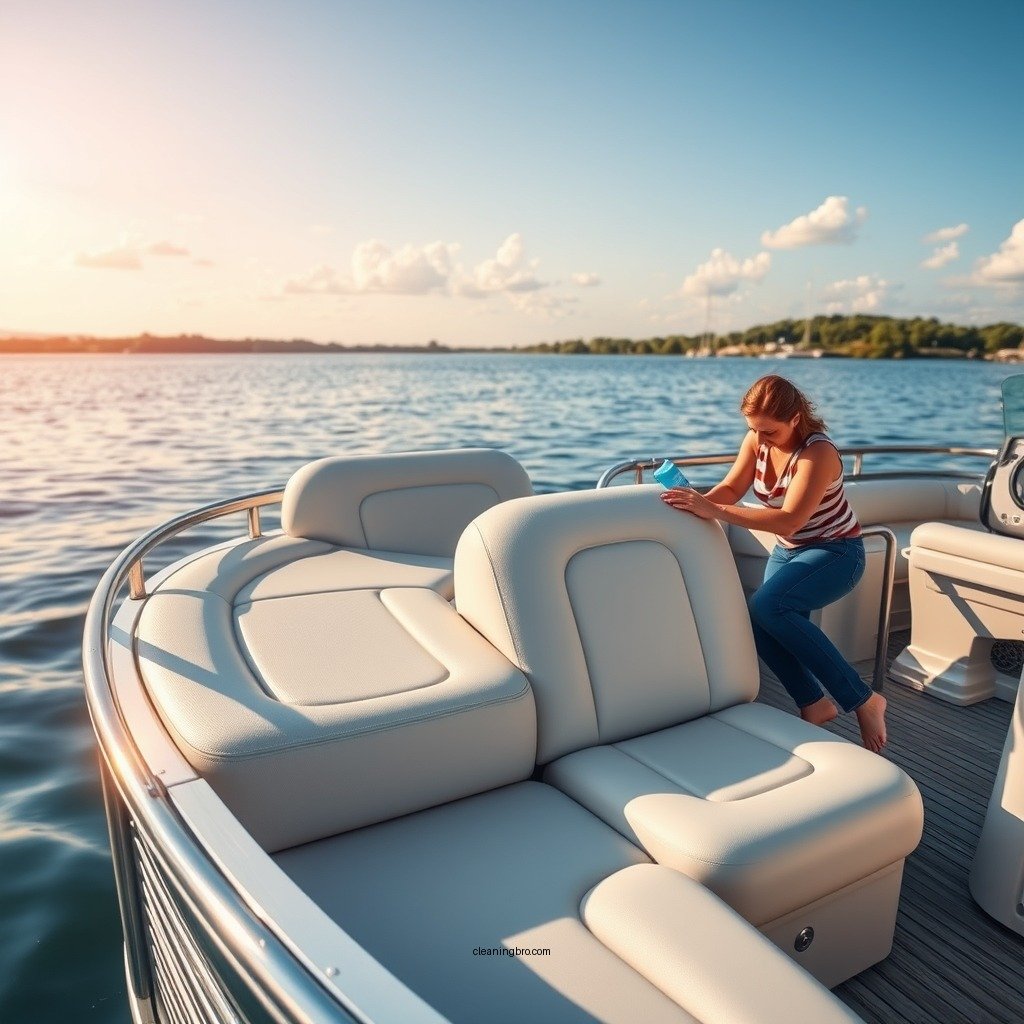
Cleaning your pontoon seats is essential for maintaining their appearance and longevity. The best way to do this is by using mild soap, water, and appropriate cleaning tools, ensuring you avoid harsh chemicals that can damage the fabric or vinyl. In this guide, you’ll learn effective techniques to clean your pontoon seats thoroughly and keep them looking their best.
Gather Your Cleaning Supplies
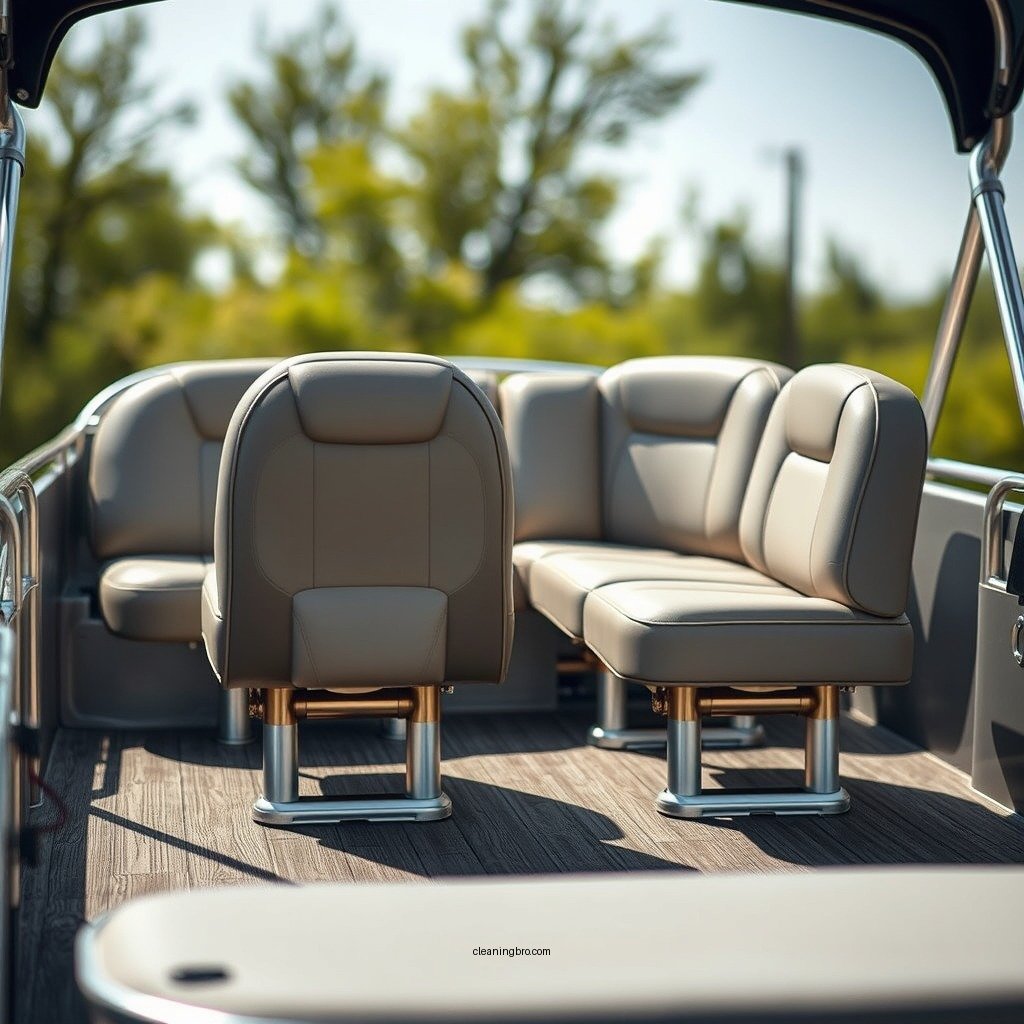
Before diving into the cleaning process, it’s crucial to gather the necessary cleaning supplies. This will streamline your efforts and ensure that you have everything at hand when you need it. Here’s a list of items you will need:
– Mild soap specifically designed for marine upholstery: Choose a soap that is gentle on fabrics and effective in removing dirt and grime without causing damage.
– Soft bristle brush or sponge for gentle scrubbing: A soft brush or sponge is essential for effectively lifting dirt without scratching or harming the surface of your seats.
– Microfiber cloths for drying: Using microfiber cloths will help absorb moisture quickly, and they are less likely to leave lint or scratches on the vinyl or fabric.
Having these supplies ready will set the stage for a successful cleaning session, ensuring that your pontoon seats receive the care they deserve.
Prepare the Pontoon Seats
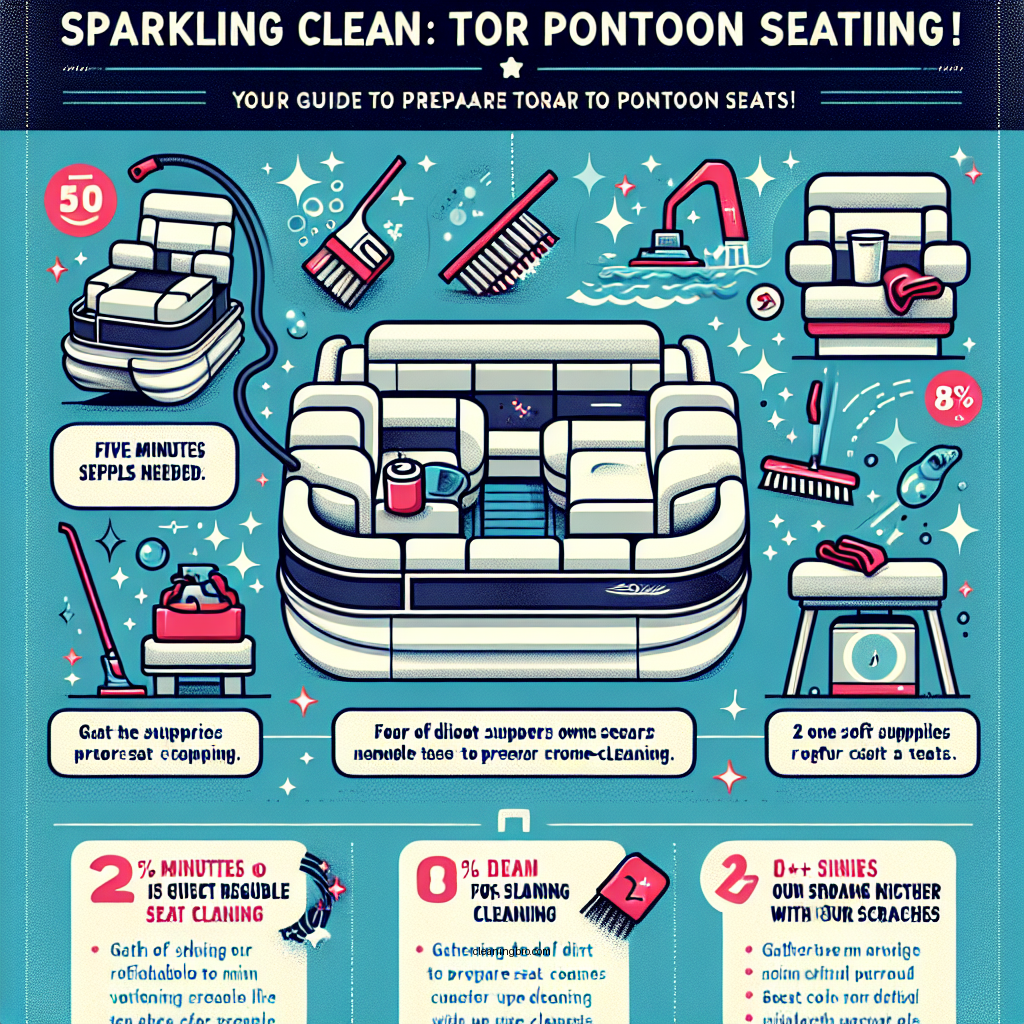
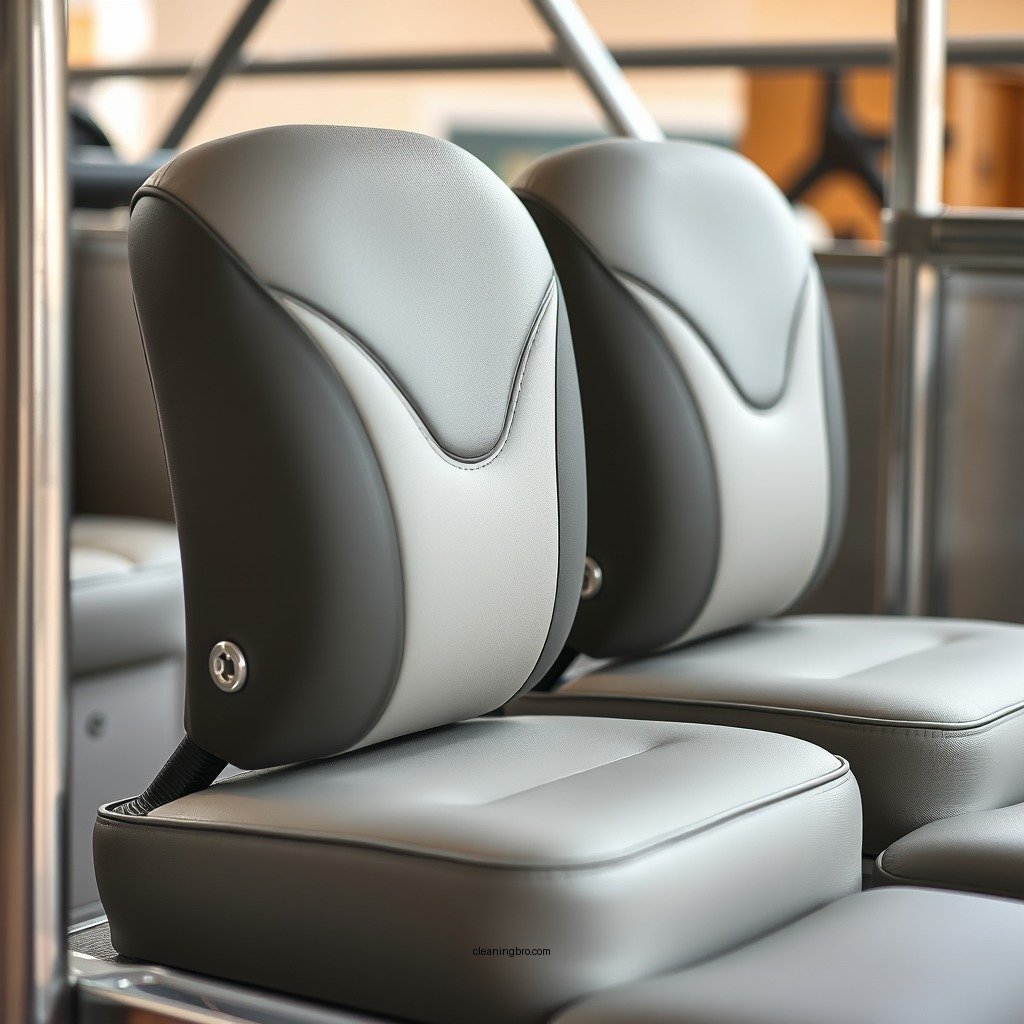
Preparation is key to achieving optimal results when cleaning pontoon seats. This step involves ensuring that the seats are ready for cleaning, which can significantly enhance the efficiency of the process. Here’s how to prepare:
– Remove any loose debris and dirt by vacuuming or shaking out cushions: Start by vacuuming the seats to eliminate any loose dirt, sand, or debris that may have accumulated. If your pontoon seats have removable cushions, take them out and shake them to remove any stubborn particles.
– If applicable, detach the seats from the pontoon for easier access during cleaning: For a thorough cleaning, consider detaching the seats from the pontoon. This will allow you to clean all sides and reach areas that are otherwise difficult to access.
By adequately preparing your pontoon seats, you ensure that the cleaning process is more effective and thorough.
Clean the Seats
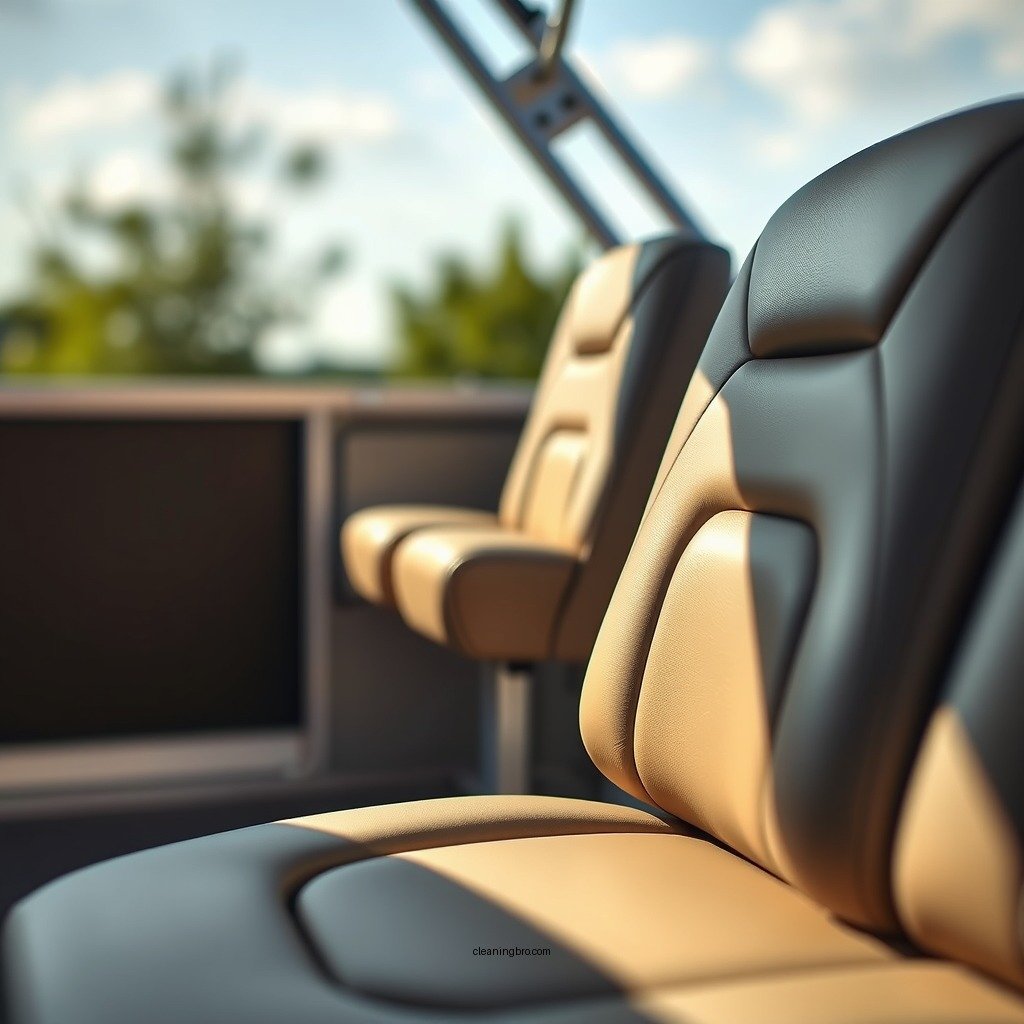
Now that you have everything prepared, it’s time to start cleaning. This is where the actual work begins, and it’s important to follow the right method to avoid damaging the seats. Here’s a detailed guide on how to clean them effectively:
– Mix the mild soap with water in a bucket to create a cleaning solution: In a bucket, combine warm water with a few drops of the mild soap. Stir the mixture gently to create a soapy solution that will effectively lift dirt without harming the upholstery.
– Use the soft bristle brush or sponge to apply the solution, scrubbing gently to avoid damage: Dip the soft bristle brush or sponge into the soapy solution and begin scrubbing the seats gently. Work in small sections, applying light pressure to avoid damaging the fabric or vinyl. Pay special attention to any stains or spots, allowing the soap to penetrate for a few moments before wiping away.
📋 DATA
Top 7 Marine Upholstery Cleaners (2024)
| # | Cleaner Brand | Type | Price | Effectiveness |
|---|---|---|---|---|
| 1 | 303 Marine Multi-Surface Cleaner | Liquid | $14.99 | High |
| 2 | Starbrite Vinyl Cleaner | Aerosol | $12.99 | Very High |
| 3 | Meguiar’s Marine Vinyl Cleaner | Liquid | $11.49 | High |
| 4 | Better Boat Marine Cleaner | Liquid | $15.99 | Very High |
| 5 | Star Brite Non-Skid Deck Cleaner | Liquid | $19.99 | High |
| 6 | 3M Marine Vinyl Cleaner | Liquid | $14.49 | High |
| 7 | Bac-Out Marine Upholstery Cleaner | Liquid | $13.99 | Moderate |
Rinse Thoroughly
After you have scrubbed the pontoon seats with the cleaning solution, the next crucial step is to rinse thoroughly. Rinsing ensures that all soap residue is removed, which is vital for preserving the integrity of the upholstery. Here’s how to do it properly:
– Use a hose or a bucket of clean water to rinse off the soap solution completely: If you have access to a hose, use it to spray down the seats with clean water, ensuring that all soap is washed away. If you are using a bucket, soak a clean cloth in water and wipe down the surfaces until all soap is eliminated.
– Ensure no soap residue remains, as it can lead to discoloration or staining: Inspect the seats carefully for any lingering soap residue, as this can attract dirt and cause discoloration over time. Rinse until you are confident that all soap has been removed.
Taking the time to thoroughly rinse your pontoon seats will pay off by keeping them looking pristine and avoiding potential damage.
Dry the Seats Properly
Proper drying is essential to prevent mold and mildew growth, which can be a significant concern with marine upholstery. Follow these steps to ensure that your pontoon seats dry correctly:
– Wipe down the seats with a microfiber cloth to remove excess moisture: After rinsing, use a clean microfiber cloth to gently wipe the surfaces of the seats, absorbing as much moisture as possible. This step is vital, as excess water left on the seats can lead to mold growth.
– Allow the seats to air dry completely before covering or using the pontoon again: After wiping down the seats, allow them to air dry completely in a well-ventilated area. Avoid covering the seats until they are fully dry to ensure that moisture does not get trapped underneath, which could lead to mildew.
By drying the seats properly, you not only maintain their appearance but also extend their lifespan.
Apply Protective Treatment
Once your pontoon seats are clean and dry, applying a protective treatment can offer added benefits. This step is crucial for maintaining the condition of your upholstery over time. Here’s how to do it:
– Consider using a marine-grade vinyl protectant to enhance UV resistance and repel dirt: Marine-grade protectants are specially formulated to shield vinyl and upholstery from harmful UV rays, preventing fading and cracking. They also create a barrier that helps repel dirt and stains, making future cleanings easier.
– Follow the manufacturer’s instructions for the best results: Different products may have varying application methods, so it’s essential to read and follow the instructions provided by the manufacturer. This ensures that you apply the product correctly and achieve the best possible results.
Applying a protective treatment can significantly enhance the longevity and appearance of your pontoon seats.
🔀 COMPARISON
Marine Upholstery Cleaners: Comparison of Top Brands
| Feature | ⭐ 303 Marine Multi-Surface Cleaner | Starbrite Vinyl Cleaner | Meguiar’s Marine Vinyl Cleaner |
|---|---|---|---|
| Price | $14.99 | $12.99 | $11.49 |
| Type | Liquid | Aerosol | Liquid |
| Effectiveness | ✅ Very High | ✅ High | ✅ High |
| UV Protection | Yes | Yes | No |
| Stain Removal | Excellent | Very Good | Good |
| Eco-Friendly | Yes | Yes | No |
| Application Method | Spray | Spray | Apply with Cloth |
| Quick Drying | Yes | Yes | No |
| User Ratings | ★★★★☆ | ★★★★★ | ★★★★☆ |
| Best For | Heavy Dirt | Vinyl Care | General Use |
Wrap up your cleaning routine by keeping an eye on the condition of your pontoon seats regularly. Regular maintenance can significantly extend their life and keep your pontoon looking pristine. Taking these steps will not only make your seats look better but also enhance your overall boating experience. By adopting a proactive cleaning routine, you can enjoy your time on the water without worrying about the condition of your upholstery.
Frequently Asked Questions
What is the best way to clean mildew from pontoon seats?
To effectively clean mildew from pontoon seats, mix equal parts of water and white vinegar in a spray bottle. Spray the solution on the affected areas and let it sit for about 10-15 minutes before scrubbing gently with a soft brush. Rinse thoroughly with water to remove any residue, and dry the seats completely to prevent further mildew growth.
How often should I clean my pontoon seats to maintain their condition?
It’s recommended to clean your pontoon seats at least once a month during the boating season to keep them in optimal condition. Regular cleaning prevents dirt and grime buildup, which can lead to stains and mildew. Additionally, applying a UV protectant can help preserve the material and color of the seats.
Why is it important to use a specific cleaner for vinyl pontoon seats?
Using a specific cleaner designed for vinyl pontoon seats is crucial because it helps protect the material from damage. Regular household cleaners can contain harsh chemicals that may break down the vinyl, causing cracks and fading. A specialized cleaner will effectively remove dirt without compromising the integrity of the seats.
Which materials are safe to use for cleaning pontoon seat upholstery?
Safe materials for cleaning pontoon seat upholstery include mild soap, water, and specialized vinyl cleaners. Avoid abrasive scrubbing pads that can scratch the surface, and opt for soft cloths or sponges to gently clean the seats. Additionally, protectants designed for marine upholstery can help keep the material looking new.
How can I remove tough stains from pontoon seats?
To remove tough stains from pontoon seats, start by creating a paste of baking soda and water, applying it directly to the stain. Allow the paste to sit for about 10-15 minutes, then scrub gently with a soft brush. Rinse the area with clean water and repeat if necessary, ensuring the seats are dried thoroughly afterward to avoid moisture damage.
References
- https://www.boats.com/how-to/how-to-clean-your-boat-seats/
https://www.boats.com/how-to/how-to-clean-your-boat-seats/ - https://www.floridapontoon.com/blog/how-to-clean-pontoon-boat-seats/
https://www.floridapontoon.com/blog/how-to-clean-pontoon-boat-seats/ - https://www.nytimes.com/2020/07/03/realestate/cleaning-boat.html
https://www.nytimes.com/2020/07/03/realestate/cleaning-boat.html - https://www.sciencedirect.com/topics/agricultural-and-biological-sciences/cleaning
https://www.sciencedirect.com/topics/agricultural-and-biological-sciences/cleaning - Google Scholar Google Scholar
https://scholar.google.com/scholar?q=how+to+clean+pontoon+seats - Google Scholar Google Scholar
https://scholar.google.com/scholar?q=pontoon+boat+maintenance - Google Scholar Google Scholar
https://scholar.google.com/scholar?q=cleaning+boat+seats+techniques - https://www.bbc.com/future/article/20200702-how-to-clean-your-boat-quickly-and-easily
https://www.bbc.com/future/article/20200702-how-to-clean-your-boat-quickly-and-easily - how to clean pontoon seats – Search results
https://en.wikipedia.org/wiki/Special:Search?search=how+to+clean+pontoon+seats - https://www.ncbi.nlm.nih.gov/search/research-articles/?term=how+to+clean+pontoon+seats
https://www.ncbi.nlm.nih.gov/search/research-articles/?term=how+to+clean+pontoon+seats