How to Clean Pontoons with Vinegar: A Simple Guide
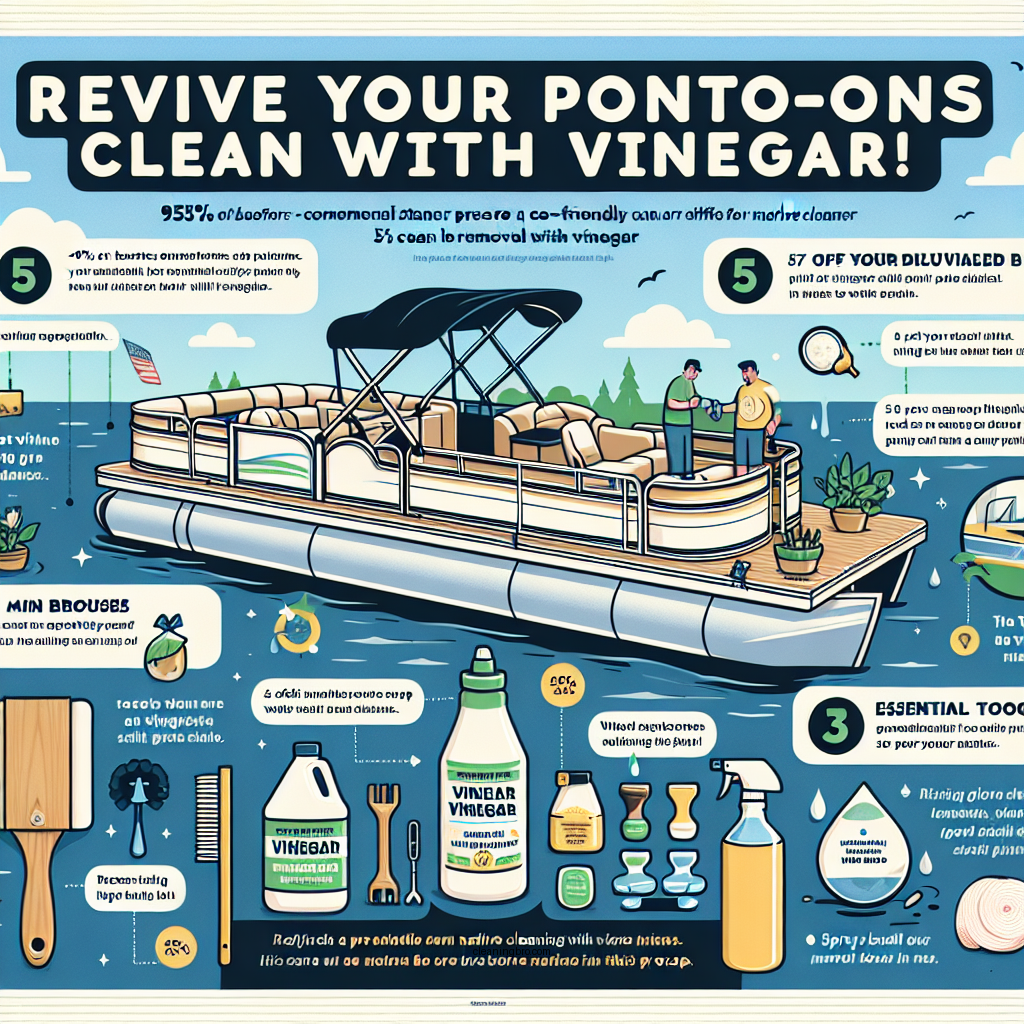
Cleaning pontoons with vinegar is an effective and eco-friendly method to remove dirt, stains, and algae. This natural solution not only helps maintain the appearance of your pontoons but is also safe for the environment and your boat. In this guide, you’ll learn step-by-step instructions on how to use vinegar for cleaning, along with tips for achieving the best results.
Understanding the Benefits of Vinegar
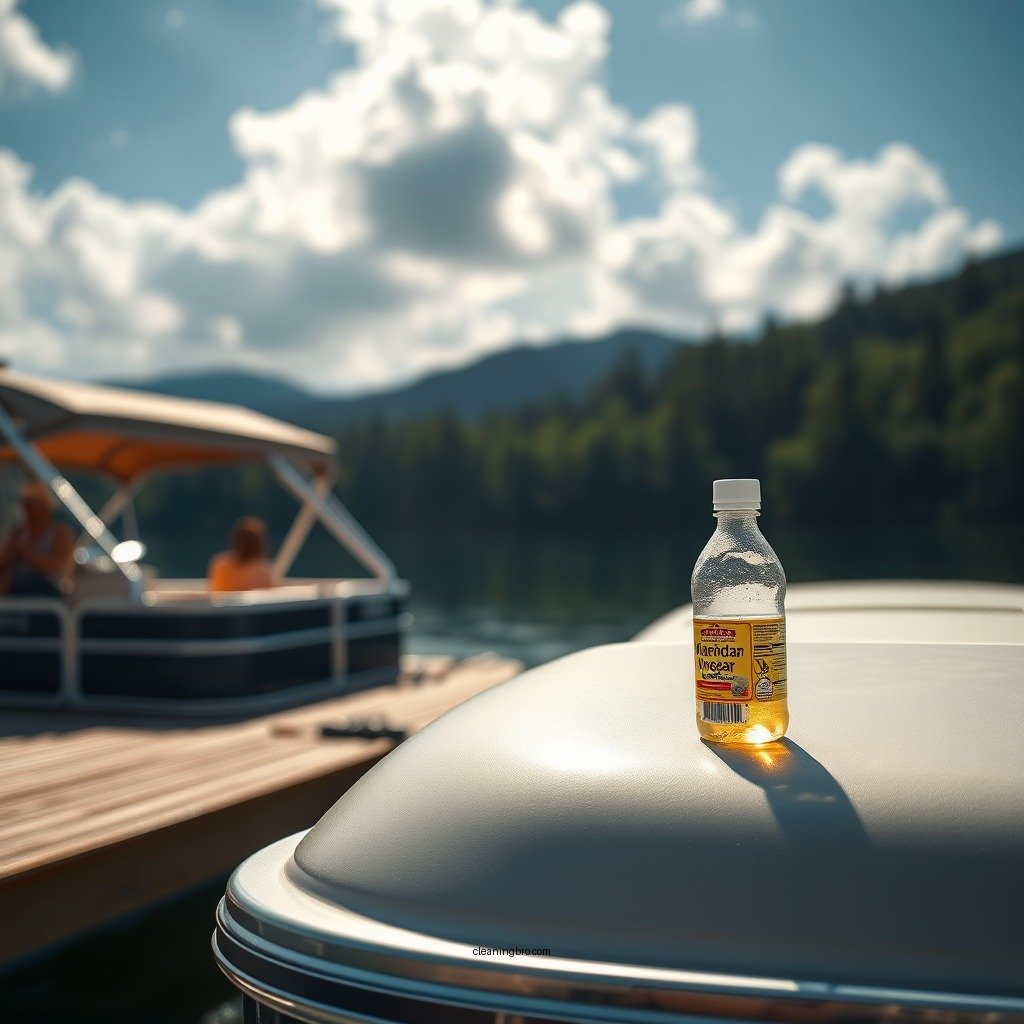
Vinegar, particularly white vinegar, is a versatile and natural cleaner that excels in breaking down grime, stains, and organic growth such as algae. Its acidic properties make it effective at dissolving mineral deposits and grease, making it an ideal choice for cleaning various surfaces, including pontoons. Unlike harsh chemical cleaners, vinegar is non-toxic and safe for use around water and marine life, thus ensuring you protect the surrounding environment while maintaining your boat’s aesthetics. Additionally, using vinegar can save you money on expensive cleaning products, making it an economical choice for boat owners.
Preparing Your Cleaning Solution
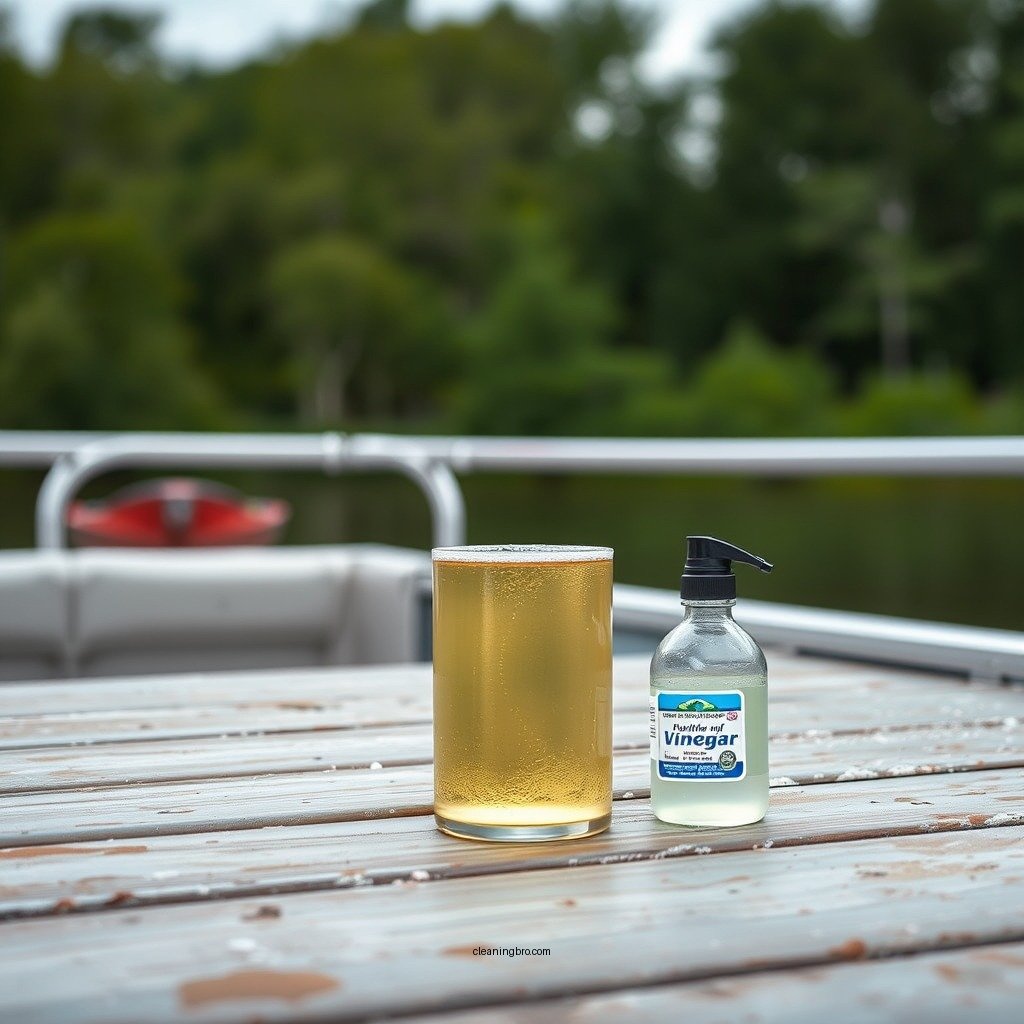
To create your vinegar cleaning solution, you will need a simple mixture of equal parts white vinegar and water. This dilution is effective for general cleaning tasks. For tougher stains or more stubborn algae buildup, consider using full-strength vinegar without dilution. This concentrated solution can penetrate and break down grime more effectively. Pour your prepared solution into a spray bottle for easy application. Always remember to wear gloves when handling vinegar, especially in concentrated forms, as it can irritate the skin.
Essential Cleaning Tools
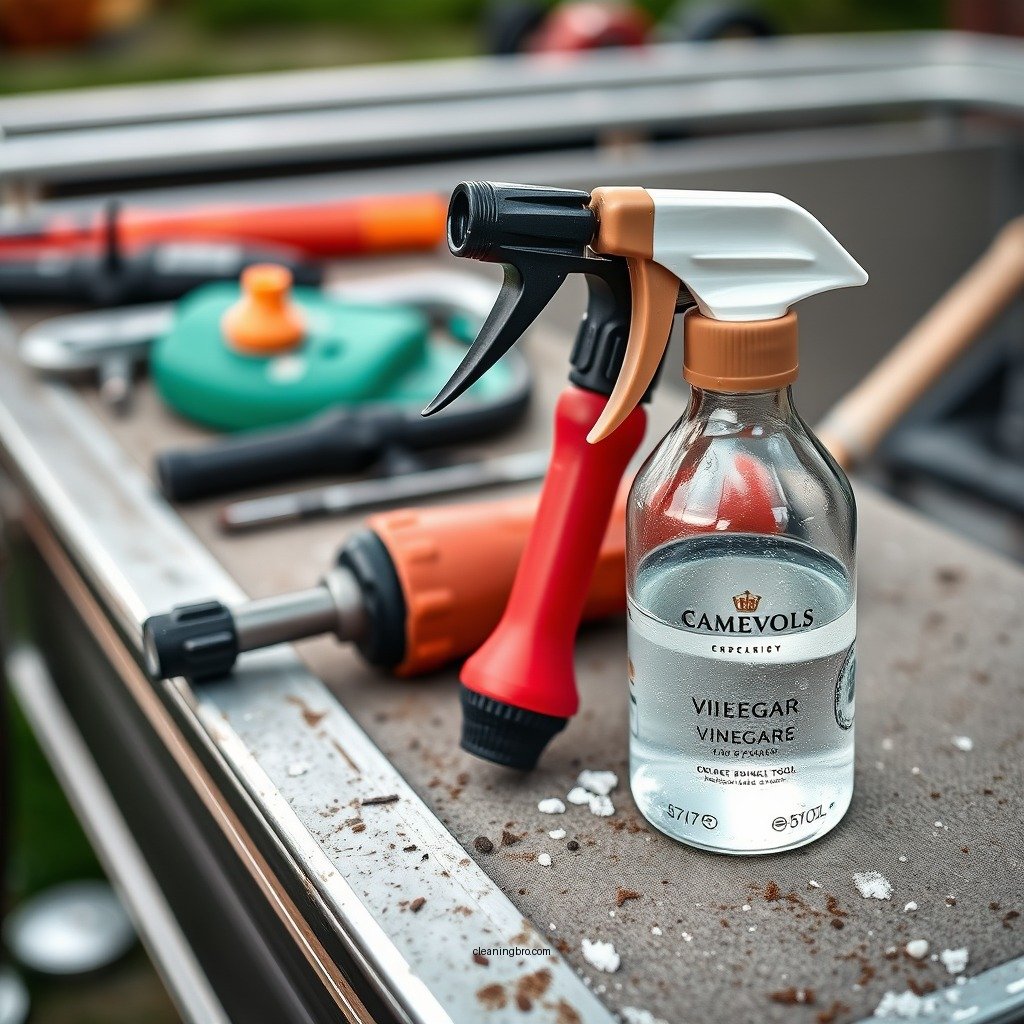
Before you begin cleaning your pontoons, gather the following tools to ensure an efficient and effective cleaning process:
– Soft scrub brushes or sponges: Choose non-abrasive options to avoid scratching the aluminum surface of your pontoons.
– Hose: A garden hose is essential for rinsing off the vinegar solution after cleaning.
– Microfiber cloths: These are useful for drying off the surfaces and preventing water spots.
– Spray bottle: For applying the vinegar solution uniformly across surfaces.
– Bucket: Useful if you decide to mix larger quantities of your cleaning solution.
Cleaning Tools Comparison
Essential Tools for Cleaning Pontoons
| # | Tool | Purpose | Material |
|---|---|---|---|
| 1 | Soft Scrub Brush | Scrubbing surfaces | Nylon |
| 2 | Microfiber Cloth | Drying surfaces | Microfiber |
| 3 | Spray Bottle | Applying solution | Plastic |
| 4 | Hose | Rinsing | Rubber |
| 5 | Bucket | Mixing solution | Plastic |
Step-by-Step Cleaning Process
To effectively clean your pontoons using vinegar, follow these step-by-step instructions:
1. Preparation: Begin by ensuring that your pontoon is out of the water and in a well-ventilated area. This will allow for better drying and minimize water spots.
2. Application: Spray the vinegar solution generously over the pontoon surfaces. Focus on areas with visible stains, dirt, and algae buildup. Ensure complete coverage for the best results.
3. Waiting Period: Allow the vinegar solution to sit for 10-15 minutes. This waiting period is crucial as it enables the vinegar to penetrate tough stains and grime effectively.
4. Scrubbing: After the waiting period, use a soft scrub brush or sponge to scrub the surfaces gently. Pay particular attention to stubborn stains or areas with heavy algae growth.
5. Final Rinse: Thoroughly rinse the pontoon with clean water using a hose to remove any vinegar residue and loosened dirt.
Rinsing and Drying
After scrubbing, it’s essential to rinse the pontoon thoroughly. Use freshwater to ensure that all vinegar and dirt residues are eliminated. This step is vital as it prevents any potential damage that can occur if the vinegar is left to dry on the surface.
Once rinsed, dry the surfaces with microfiber cloths. This will help prevent water spots and streaks that can detract from the boat’s appearance. Make sure to dry all areas, especially around fittings and crevices where water can accumulate.
Maintenance Tips for Long-term Care
Proper maintenance is key to extending the lifespan and appearance of your pontoons. Here are some valuable tips:
– Regular Cleaning: Schedule a thorough cleaning every few months to prevent the buildup of dirt and algae. Regular maintenance will save you time and effort in the long run.
– Protective Coating: After cleaning, consider applying a protective coating designed for marine applications. This can help to repel dirt and make future cleanings easier.
– Inspect Regularly: Look for signs of wear, corrosion, or damage during your cleaning sessions. Early detection can save you from costly repairs later.
Troubleshooting Common Issues
Even with regular cleaning, you may encounter stubborn stains or issues. Here are some solutions:
– Persistent Stains: If stains persist after using the vinegar solution, increase the concentration by using full-strength vinegar. Alternatively, create a paste with baking soda and water for tough spots.
– Painted Surfaces: Be cautious when using vinegar on painted or coated surfaces. Always test a small, inconspicuous area first to avoid damaging the finish.
– Algae Buildup: For heavy algae growth, consider using a soft brush with a bit of vinegar to scrub the affected areas. If the problem persists, you may need to use specialized marine cleaning products designed for algae removal.
Cleaning your pontoons with vinegar is a straightforward and environmentally friendly method. By following these steps and maintenance tips, you can keep your pontoons looking great and extend their lifespan. Try it out today and enjoy a cleaner, more attractive boat!
Frequently Asked Questions
How do I clean my pontoons with vinegar effectively?
To clean pontoons with vinegar, start by mixing equal parts of white vinegar and water in a spray bottle. Spray the solution onto the dirty areas of the pontoons, let it sit for about 10-15 minutes to break down grime, then scrub with a soft-bristle brush. Rinse thoroughly with fresh water to remove any residue and prevent corrosion.
Why should I use vinegar to clean my pontoons instead of commercial cleaners?
Using vinegar to clean your pontoons is an eco-friendly alternative to harsh commercial cleaners that may contain chemicals harmful to the environment. Vinegar effectively breaks down algae, mildew, and stains while being safe for the aluminum and other materials used in pontoons, making it an ideal choice for regular maintenance.
What type of vinegar is best for cleaning pontoons?
The best type of vinegar for cleaning pontoons is white distilled vinegar due to its high acidity and effectiveness against tough stains and mineral deposits. Avoid using flavored or colored vinegars, as they may leave residues or stains on the surface of your pontoons.
How often should I clean my pontoons with vinegar?
It is recommended to clean your pontoons with vinegar at least once a season, or more frequently if you use your boat in dirty or algae-prone waters. Regular cleaning helps maintain the appearance and integrity of your pontoons, preventing long-term damage and costly repairs.
Which tools do I need to clean my pontoons with vinegar?
To clean your pontoons with vinegar, you will need a spray bottle for the vinegar solution, a soft-bristle brush for scrubbing, and a hose for rinsing. Additionally, having a microfiber cloth on hand can help dry and polish the pontoon surfaces for a shiny finish after cleaning.
References
- Vinegar | Description, Production, Types, Uses, & Facts | Britannica
https://www.britannica.com/science/vinegar - https://www.sciencedirect.com/topics/agricultural-and-biological-sciences/vinegar
https://www.sciencedirect.com/topics/agricultural-and-biological-sciences/vinegar - https://pubmed.ncbi.nlm.nih.gov/24601797/
https://pubmed.ncbi.nlm.nih.gov/24601797/ - https://www.nature.com/articles/s41598-019-57610-1
https://www.nature.com/articles/s41598-019-57610-1 - University of Washington Press
https://www.washington.edu/uwpress/search/books/SCHCLO.html - https://www.cdc.gov/healthywater/drinking/cleaning.htm
https://www.cdc.gov/healthywater/drinking/cleaning.htm - https://www.abc.net.au/education/life-skills/cleaning-with-vinegar/10529498
https://www.abc.net.au/education/life-skills/cleaning-with-vinegar/10529498 - Google Scholar Google Scholar
https://scholar.google.com/scholar?q=cleaning+pontoons+with+vinegar - Google Scholar Google Scholar
https://scholar.google.com/scholar?q=vinegar+cleaning+properties - Google Scholar Google Scholar
https://scholar.google.com/scholar?q=environmentally+friendly+cleaners+vinegar