

Cleaning mold from travertine shower surfaces is essential to maintaining both hygiene and the beauty of your bathroom. To effectively remove mold, use a gentle cleaning solution and avoid harsh chemicals that can damage the stone. This guide will walk you through the best methods and tips for cleaning mold from your travertine shower.
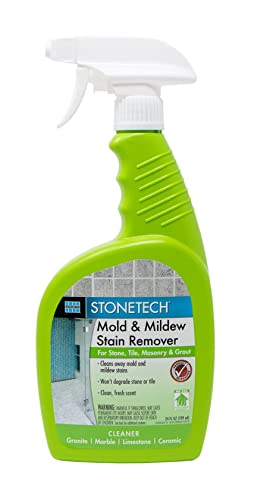



Understanding Travertine and Its Vulnerabilities

Travertine is a natural stone known for its unique appearance and durability. However, its porous nature makes it particularly vulnerable to mold and mildew, especially in humid environments like bathrooms. This porosity allows moisture to seep into the stone, creating an ideal breeding ground for mold spores.
Mold can not only compromise the aesthetic appeal of your travertine surfaces but can also pose health risks, especially for individuals with respiratory issues or allergies. Understanding these vulnerabilities is crucial for effective cleaning and prevention strategies.
Preparing for Cleaning


Before diving into the cleaning process, it’s important to gather the necessary supplies to ensure an effective mold removal. You will need:
– Mild Detergent: Look for a pH-neutral cleaner specifically designed for natural stone or a gentle dish soap.
– Warm Water: Helps to activate the cleaning solution and loosen mold.
– Soft-Bristle Brush: Essential for scrubbing without scratching the travertine surface.
– Microfiber Cloth: Perfect for drying the surfaces without leaving lint behind.
Additionally, ensure that your bathroom is well-ventilated. Open windows or use an exhaust fan to decrease humidity levels, which will not only aid in the cleaning process but will also help prevent mold from returning.
Cleaning Techniques for Mold Removal

To effectively remove mold from travertine surfaces, follow these steps:
1. Prepare the Cleaning Solution: Mix warm water with a few drops of mild detergent in a bucket. Avoid using acidic cleaners such as vinegar or lemon juice, as these can etch the stone’s surface.
2. Apply the Solution: Dip your soft-bristle brush into the cleaning solution and apply it to the mold-affected areas.
3. Scrub Gently: Use the brush to scrub the moldy areas gently. Focus on grout lines and corners where mold tends to accumulate. Avoid excessive pressure, as this can scratch the surface of the travertine.
4. Wipe Away Residue: After scrubbing, use a damp microfiber cloth to wipe away the cleaning solution, removing any loosened mold along with it.
Data Table: Common Mold Types Found in Bathrooms
Common Types of Mold Found in Bathrooms
| # | Mold Type | Causes | Health Risks |
|---|---|---|---|
| 1 | Aspergillus | High humidity, leaks | Respiratory issues, allergic reactions |
| 2 | Cladosporium | Dust, moisture | Allergies, asthma |
| 3 | Penicillium | Wet surfaces | Respiratory problems |
| 4 | Stachybotrys | Water damage | Serious health risks |
| 5 | Alternaria | Excess moisture | Allergic reactions |
| 6 | Fusarium | Damp areas | Skin irritation, respiratory issues |
| 7 | Trichoderma | High humidity | Allergies, respiratory issues |
Rinsing and Drying the Surface
Once you have scrubbed away the mold, rinsing the travertine is crucial to remove any remaining soap residue that could contribute to future mold growth. Follow these steps:
1. Rinse Thoroughly: Use clean water to rinse the travertine surfaces. A handheld showerhead or a bucket can be effective for this task.
2. Dry Completely: After rinsing, dry the surfaces thoroughly using a microfiber cloth. This step is essential to remove excess moisture, which can contribute to mold re-growth.
3. Check for Residue: Inspect the area to ensure no cleaning solution remains, as this can attract dirt and moisture.
Bar Chart: Effectiveness of Various Cleaning Solutions
Effectiveness of Cleaning Solutions for Mold Removal
Preventing Future Mold Growth
Preventing mold from returning is just as important as cleaning it effectively. Here are some proactive strategies you can implement:1. Regular Wiping: After every shower, take a moment to wipe down the walls and floor with a towel or squeegee to remove excess water. This simple habit can significantly reduce moisture buildup.
2. Ventilation: Ensure your bathroom has adequate ventilation. Keep windows open when possible and utilize exhaust fans during and after showers to help expel humid air.
3. Seal the Stone: Applying a high-quality stone sealer can help protect the travertine from moisture and stains. This step reduces the stone’s porosity, making it less susceptible to mold growth.
4. Monitor Humidity Levels: Use a hygrometer to keep track of humidity levels in your bathroom. Ideally, humidity should be maintained below 50% to deter mold.
Additional Tips for Maintenance
To maintain your travertine shower and prevent mold effectively:
– Schedule Routine Cleanings: Establish a regular cleaning schedule, ideally every week, to keep mold at bay and maintain the beauty of your travertine surfaces.
– Avoid Harsh Chemicals: Steer clear of bleach or acidic cleaners, as these can damage the stone. Stick to pH-neutral products specifically designed for natural stone.
– Check for Leaks: Regularly inspect for any leaks in plumbing fixtures or tiles, as moisture from leaks can lead to mold growth.
By taking these steps, you can maintain a clean and mold-free travertine shower, ensuring it remains a beautiful and hygienic space.
Maintaining a clean and mold-free travertine shower is achievable with the right approach. By following these steps and tips, you can ensure your shower remains beautiful and hygienic. For ongoing care, consider establishing a regular cleaning routine and keeping an eye out for early signs of mold.
Frequently Asked Questions
What are the best cleaning products for removing mold from a travertine shower?
The best cleaning products for removing mold from a travertine shower include pH-balanced cleaners specifically designed for natural stone. Look for solutions that contain mild ingredients like vinegar or baking soda, but avoid acidic or harsh cleaners, as they can damage the travertine. Always follow the manufacturer’s instructions for safe and effective cleaning.
How can I effectively prevent mold from growing in my travertine shower?
To effectively prevent mold in your travertine shower, ensure proper ventilation by using an exhaust fan or opening a window during and after showers. Regularly clean the shower with a mild stone cleaner and dry the surfaces with a towel after use to minimize moisture buildup. Additionally, consider applying a penetrating sealer to the travertine to create a protective barrier against moisture.
Why does mold grow so easily in travertine showers?
Mold grows easily in travertine showers due to the porous nature of the stone, which can trap moisture and organic debris. The humid environment of a shower provides an ideal breeding ground for mold spores to thrive. Regular cleaning and maintenance are essential to reduce moisture and prevent mold growth.
Which DIY methods can I use to clean mold off travertine tiles?
Effective DIY methods for cleaning mold off travertine tiles include creating a paste from baking soda and water, applying it directly to the moldy areas, and scrubbing gently with a soft brush. You can also mix equal parts water and vinegar in a spray bottle, lightly mist the affected areas, and wipe clean after a few minutes. Always test these methods on a small, inconspicuous area first to ensure they won’t damage the stone.
How often should I clean my travertine shower to prevent mold buildup?
To prevent mold buildup in your travertine shower, it is advisable to clean the surfaces at least once a week. Regular maintenance helps remove soap scum and moisture that can contribute to mold growth. Additionally, performing a deeper clean monthly with a suitable stone cleaner will help maintain the beauty and integrity of your travertine tiles.
References
- How to Clean a Travertine Shower: 12 Steps (with Pictures)
https://www.wikihow.com/Clean-a-Travertine-Shower - Travertine | Formation, Uses & Properties | Britannica
https://www.britannica.com/science/travertine - https://www.sciencedirect.com/topics/earth-and-planetary-sciences/travertine
https://www.sciencedirect.com/topics/earth-and-planetary-sciences/travertine - https://pubmed.ncbi.nlm.nih.gov/24629224/
https://pubmed.ncbi.nlm.nih.gov/24629224/ - https://www.cdc.gov/healthywater/hygiene/cleaning/mold.html
https://www.cdc.gov/healthywater/hygiene/cleaning/mold.html - Page Not Found – Site Help – Mayo Clinic
https://www.mayoclinic.org/diseases-conditions/mold-allergy/symptoms-causes/syc-20306795 - https://www.nytimes.com/2020/06/02/realestate/how-to-clean-mold.html
https://www.nytimes.com/2020/06/02/realestate/how-to-clean-mold.html - https://www.nature.com/articles/s41598-020-73953-1
https://www.nature.com/articles/s41598-020-73953-1 - Google Scholar Google Scholar
https://scholar.google.com/scholar?q=cleaning+travertine+shower+mold - Google Scholar Google Scholar
https://scholar.google.com/scholar?q=travertine+mold+removal+techniques
