How to Effectively Clean Rust from a Stainless Steel Sink
Removing rust from a stainless steel sink is simple and can be accomplished with a few household items. To effectively clean rust, you can use baking soda, vinegar, or specialized rust removers. This article will guide you through the best methods and tips to restore your sink’s shine, ensuring it looks fresh and clean while prolonging its lifespan.
Understanding Rust on Stainless Steel
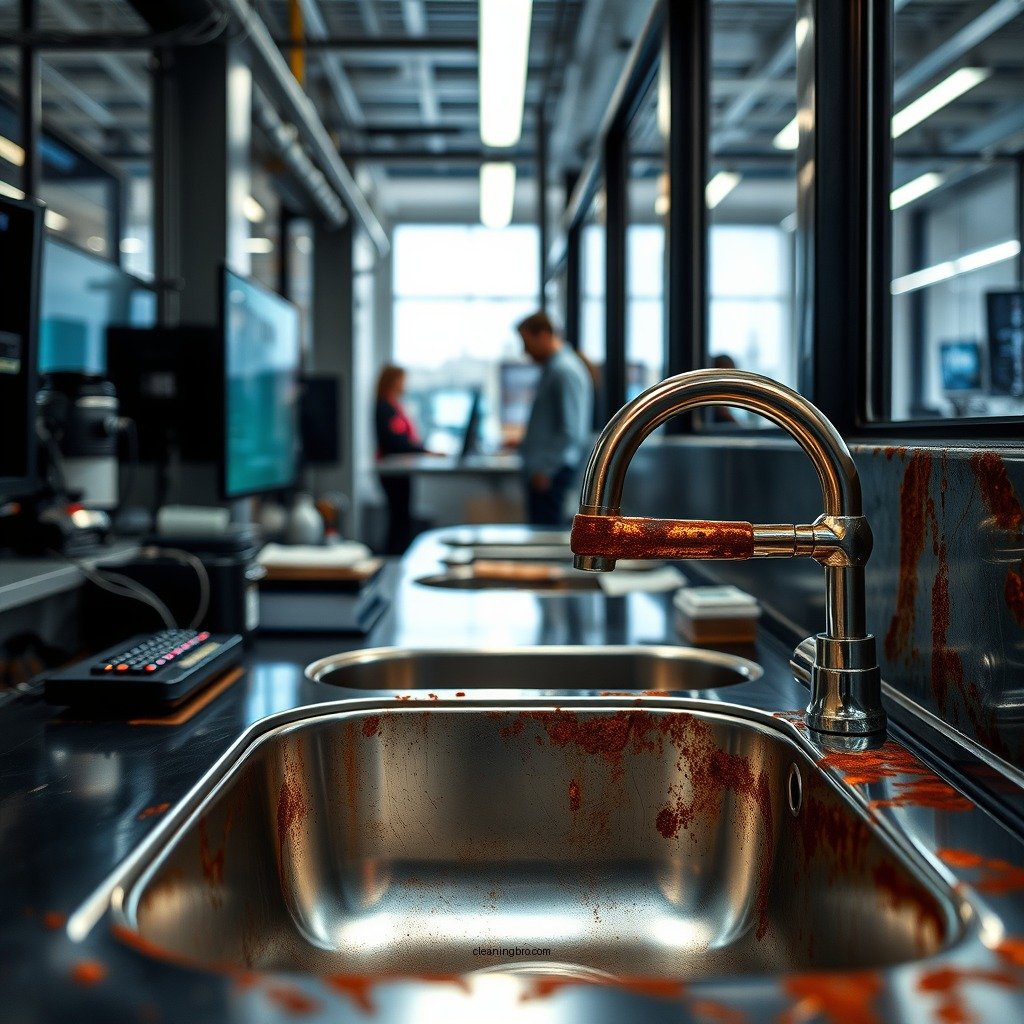
Rust is a common issue that can affect stainless steel sinks, despite the material’s reputation for corrosion resistance. At its core, rust forms due to the oxidation of iron, which occurs when iron is exposed to moisture and oxygen. Stainless steel, although less prone to rust than ordinary steel, still contains iron, which can rust under certain conditions.
Environmental factors play a significant role in accelerating rust formation. For instance, hard water with high mineral content can leave deposits that promote rusting. Additionally, prolonged exposure to moisture—such as from standing water or frequent contact with wet items—can also lead to the formation of rust. Understanding these factors is essential for preventing rust and maintaining the aesthetic appeal of your sink.
Preparing Your Workspace
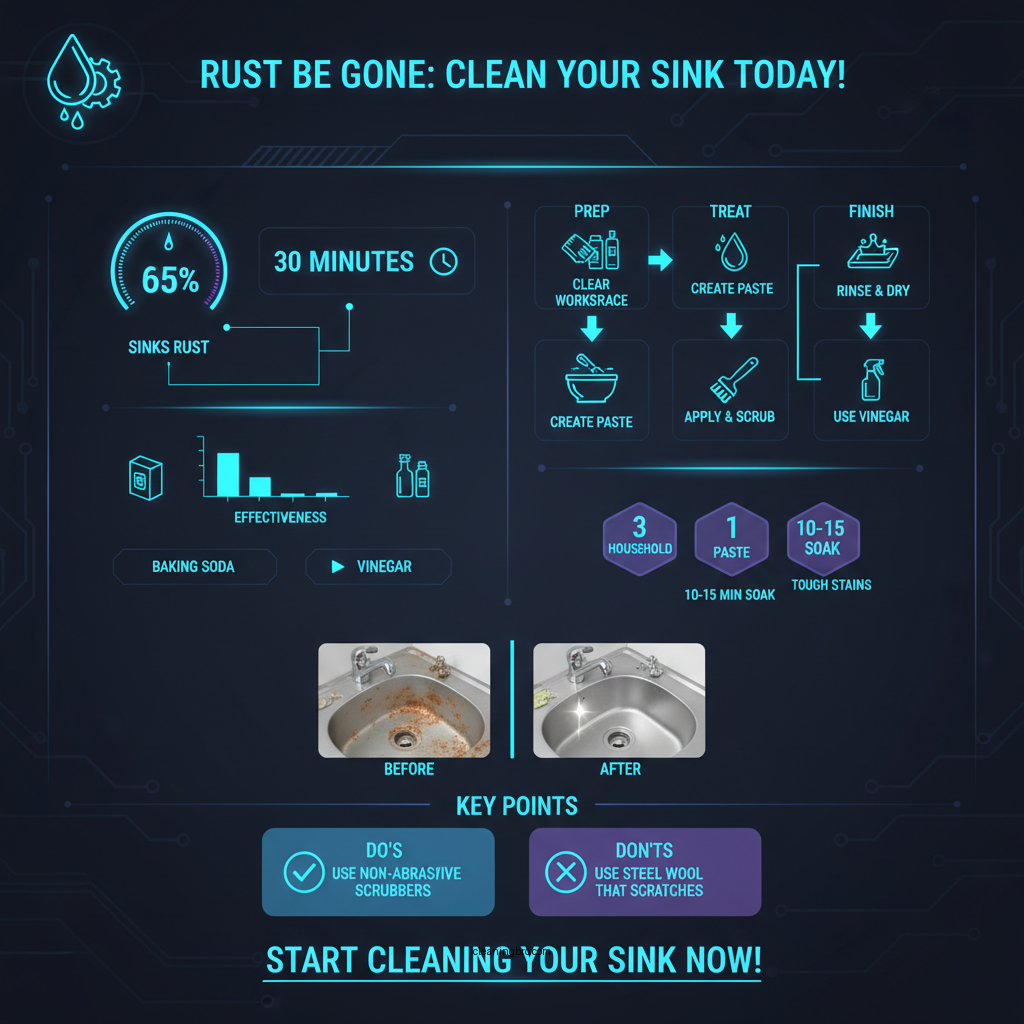

Before beginning the cleaning process, it’s crucial to prepare your workspace effectively. Start by clearing the sink of all items, including dishes, sponges, and any other objects that might be present. This will provide a safe and efficient cleaning environment, reducing the risk of missing rust spots or damaging other items.
Gather the necessary materials for your cleaning task. You will need baking soda, vinegar, soft cloths or sponges, and a non-abrasive scrubber. Having these items ready will streamline your cleaning process and ensure you have everything needed to tackle rust effectively.
Using Baking Soda and Water
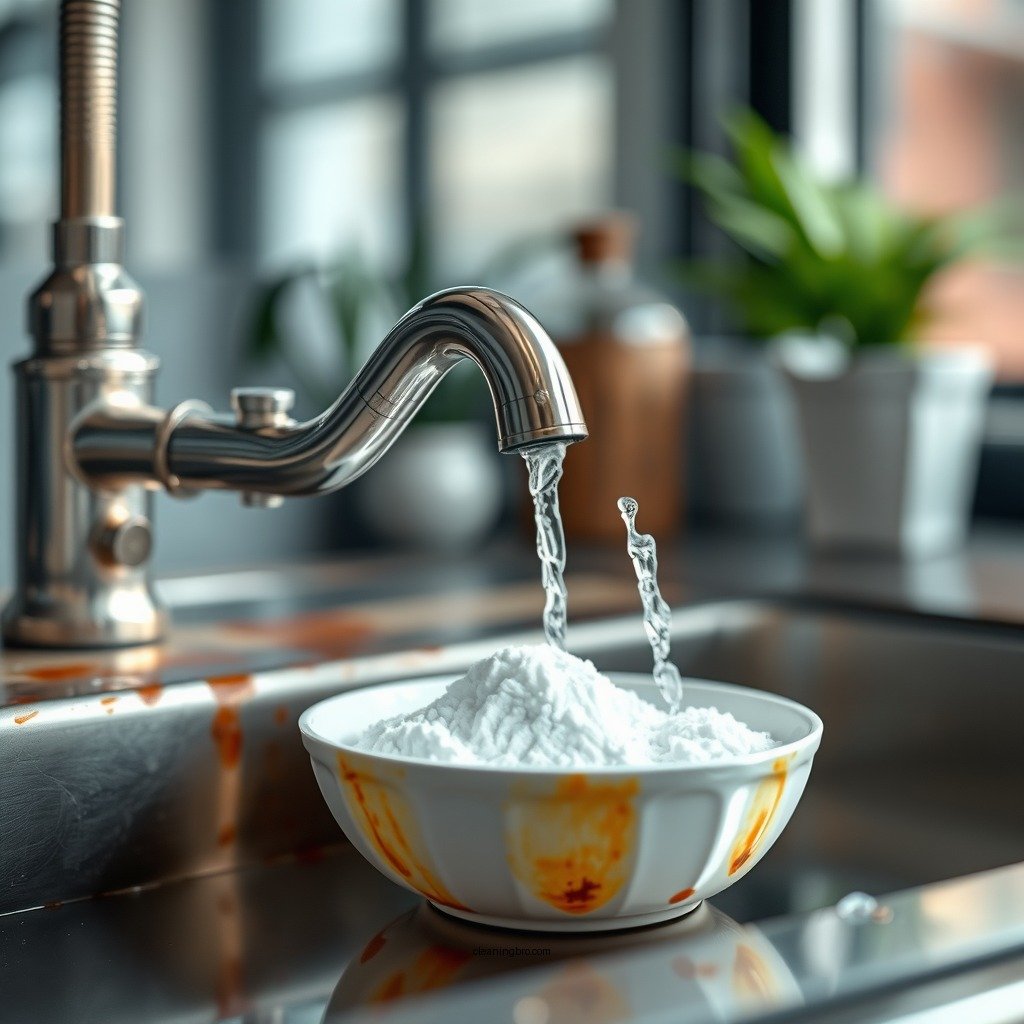
Baking soda is an excellent natural cleaning agent that can help remove rust from stainless steel sinks. To use this method, create a paste by mixing baking soda with a small amount of water until you achieve a thick, spreadable consistency.
Next, apply the paste to the rust spots on your sink. It’s advisable to focus on one area at a time to ensure thorough cleaning. Using a soft cloth or non-abrasive sponge, gently scrub the paste into the rust spots. The mild abrasiveness of the baking soda will help lift the rust without scratching the stainless steel surface. Rinse the area with water after scrubbing and wipe it dry with a clean cloth to reveal a restored shine.
Applying Vinegar for Tough Rust Stains
For more stubborn rust stains, vinegar can be an effective solution. The acetic acid in white vinegar helps dissolve rust, making it easier to remove. To apply this method, simply spray white vinegar directly onto the rust stains and allow it to sit for 10 to 15 minutes.
This soaking period allows the vinegar to penetrate the rust and break it down. After waiting, take a clean cloth and wipe the area to lift the rust effectively. For heavily rusted areas, you may need to repeat the process or use a gentle scrubber to enhance the cleaning effect. Always rinse the sink thoroughly after using vinegar to ensure no residue remains.
Utilizing Specialized Rust Removers
If natural methods like baking soda and vinegar prove ineffective, consider using specialized rust removers that are commercially available. These products are formulated specifically to tackle rust and often contain stronger chemicals that can penetrate deeper rust stains.
When using a commercial rust remover, it’s crucial to follow the manufacturer’s instructions carefully. Always wear gloves to protect your hands from harsh chemicals and ensure proper ventilation in your working area. Apply the rust remover directly to the affected areas and allow it to sit for the recommended duration before scrubbing. Rinse thoroughly afterward to prevent any chemical residue from remaining on the sink surface.
Top 7 Natural and Commercial Rust Removers (2023)
| # | Product Name | Type | Effectiveness | Price |
|---|---|---|---|---|
| 1 | Baking Soda Paste | Natural | Good | $0.50 |
| 2 | White Vinegar | Natural | Excellent | $1.00 |
| 3 | CLR Calcium, Lime & Rust Remover | Commercial | Very Good | $5.99 |
| 4 | Bar Keepers Friend | Commercial | Excellent | $3.49 |
| 5 | Rust-Oleum Rust Dissolver | Commercial | Good | $8.99 |
| 6 | Zep Heavy-Duty Rust Stain Remover | Commercial | Excellent | $6.49 |
| 7 | OxiClean MaxForce | Commercial | Very Good | $4.99 |
Preventing Future Rust Buildup
Prevention is always better than cure, especially when it comes to maintaining your stainless steel sink. Regular cleaning is essential to prevent rust from forming in the first place. Establish a routine of cleaning your sink with mild soap and warm water daily, as this will help remove any potential rust-causing residues like mineral deposits and food particles.
After each use, it’s advisable to dry the sink thoroughly with a clean towel. This minimizes moisture, which is a significant contributor to rust formation. Additionally, consider applying a protective coating specifically designed for stainless steel sinks. This will create a barrier that not only enhances shine but also adds an extra layer of protection against rust.
Final Touches and Maintenance Tips
Once you’ve successfully cleaned your sink, it’s essential to rinse thoroughly to remove any cleaning residues that could lead to spots or dullness. After rinsing, dry the sink with a soft cloth to prevent water spots from forming.
Regularly inspect your sink for any new rust spots. If you notice any, act quickly to address them using the methods outlined above. Moreover, consider using a soft cloth to polish your sink periodically, which will help maintain its luster and prevent grime from building up.
By following these steps, you can easily clean rust from your stainless steel sink and keep it looking new. Regular maintenance will help prevent future rust issues, so make it a part of your routine to ensure your sink remains in pristine condition.
Frequently Asked Questions
What are the best methods to clean rust from a stainless steel sink?
The best methods to clean rust from a stainless steel sink include using a mixture of baking soda and water to form a paste, applying it to the rust spots, and scrubbing gently with a soft cloth. Alternatively, you can use white vinegar or lemon juice combined with salt, which effectively breaks down rust due to their acidic properties. Always rinse thoroughly after cleaning to prevent any residue.
How can I prevent rust from forming on my stainless steel sink?
To prevent rust from forming on your stainless steel sink, ensure that the sink is dry after use by wiping it down with a soft cloth. Regularly cleaning the sink with mild detergent and avoiding abrasive cleaners can help maintain its protective layer. Additionally, applying a stainless steel cleaner or polish occasionally can create a barrier against moisture and rust.
Why is my stainless steel sink rusting despite being stainless?
Even though stainless steel is resistant to rust, it can still develop rust spots due to exposure to harsh chemicals, prolonged contact with water, or if the protective chromium layer is damaged. This can occur from using abrasive cleaning materials or leaving metal items in the sink for extended periods. Regular maintenance and proper cleaning can help prevent these issues.
Which cleaners are safe for removing rust from stainless steel sinks?
Safe cleaners for removing rust from stainless steel sinks include baking soda, white vinegar, and commercial stainless steel cleaners specifically designed for this purpose. Avoid using bleach or harsh abrasive cleaners, as these can damage the sink’s finish and lead to further rusting. Always check product labels to ensure they are suitable for stainless steel.
How do I remove stubborn rust stains from my stainless steel sink?
To remove stubborn rust stains from your stainless steel sink, start by applying a paste made of baking soda and water, let it sit for 10-15 minutes, and then scrub with a soft sponge. If the stains persist, try using a mixture of lemon juice and salt, allowing it to sit before scrubbing. For very tough stains, consider using a commercial stainless steel rust remover, following the manufacturer’s instructions carefully.
References
- Stainless steel | Definition, Composition, Types, & Facts | Britannica
https://www.britannica.com/science/stainless-steel - https://www.ncbi.nlm.nih.gov/pmc/articles/PMC4569605/
https://www.ncbi.nlm.nih.gov/pmc/articles/PMC4569605/ - https://www.sciencedirect.com/topics/materials-science/stainless-steel
https://www.sciencedirect.com/topics/materials-science/stainless-steel - https://www.hse.gov.uk/toolbox/maintenance/corrosion.htm
https://www.hse.gov.uk/toolbox/maintenance/corrosion.htm - https://www.nytimes.com/2020/09/01/style/home/stainless-steel-cleaning-tips.html
https://www.nytimes.com/2020/09/01/style/home/stainless-steel-cleaning-tips.html - https://www.mayoclinic.org/healthy-lifestyle/consumer-health/in-depth/stainless-steel-cleaning/art-20369596
https://www.mayoclinic.org/healthy-lifestyle/consumer-health/in-depth/stainless-steel-cleaning/art-20369596 - https://www.cdc.gov/niosh/topics/metalworking/cleaning.html
https://www.cdc.gov/niosh/topics/metalworking/cleaning.html - Google Scholar Google Scholar
https://scholar.google.com/scholar?q=cleaning+rust+from+stainless+steel+sink - Google Scholar Google Scholar
https://scholar.google.com/scholar?q=rust+removal+from+metal+surfaces - Google Scholar Google Scholar
https://scholar.google.com/scholar?q=how+to+clean+rust+from+stainless+steel+sink