How to Clean Scarves: A Simple Guide
Cleaning scarves is straightforward when you understand the appropriate methods tailored to their specific materials. Whether your scarf is crafted from luxurious silk, cozy wool, or breathable cotton, this guide will equip you with the knowledge to keep them looking fresh and vibrant. You will learn the most effective techniques to remove stains and odors while ensuring the longevity of your favorite accessories.
Understanding Scarf Fabrics

Scarves come in various materials, each requiring distinct care to maintain their beauty and integrity. The primary fabrics include silk, wool, cotton, and blends, each with unique properties that influence how they should be cleaned.
– Silk: Known for its luxurious feel and sheen, silk is delicate and can be easily damaged by harsh detergents or high temperatures. Always handle silk with care, and check for any specific care instructions on the label.
– Wool: Wool scarves offer warmth and durability but can shrink or lose their shape if not washed properly. They often require gentle handling and cold water to maintain their texture and appearance.
– Cotton: This versatile fabric is generally easier to clean but can still benefit from careful washing to avoid fading or wear. Cotton scarves can usually withstand machine washing but should be washed in cold water to prevent shrinking.
– Blends: Scarves made from fabric blends may combine the properties of both materials, necessitating a careful approach based on the primary fabric’s characteristics. Always refer to the care label for guidance.
Understanding the specific requirements of each fabric type will help you choose the right cleaning method, ensuring your scarves remain in excellent condition.
Hand Washing Techniques
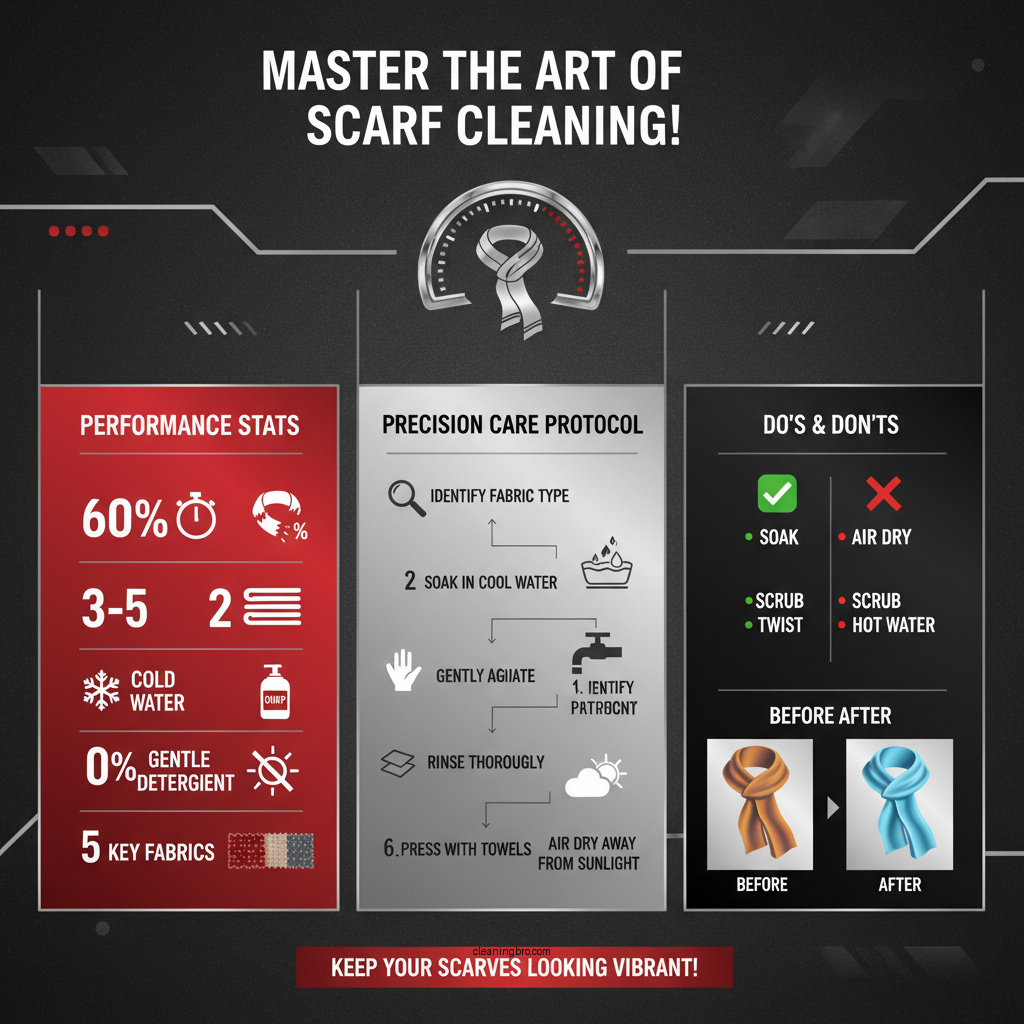

Hand washing is often the safest method for cleaning delicate scarves, particularly those made from silk or wool. Here’s how to do it effectively:
1. Fill a Basin: Start by filling a clean basin or sink with cool water. Adding a small amount of gentle detergent specifically designed for delicate fabrics will ensure effective cleaning without harming the fibers.
2. Soak the Scarf: Immerse the scarf in the water, allowing it to soak for three to five minutes. This step helps loosen any dirt or grime embedded in the fabric.
3. Gentle Agitation: With clean hands, gently agitate the water to help lift dirt from the scarf. Avoid scrubbing or twisting the fabric, as this can lead to damage or distortion.
4. Rinse Thoroughly: After cleaning, rinse the scarf under cool running water until the water runs clear, indicating that all detergent has been removed.
5. Drying: Press the scarf gently between two clean towels to remove excess water, then lay it flat on a dry towel or hang it to air dry away from direct sunlight.
Machine Washing Guidelines
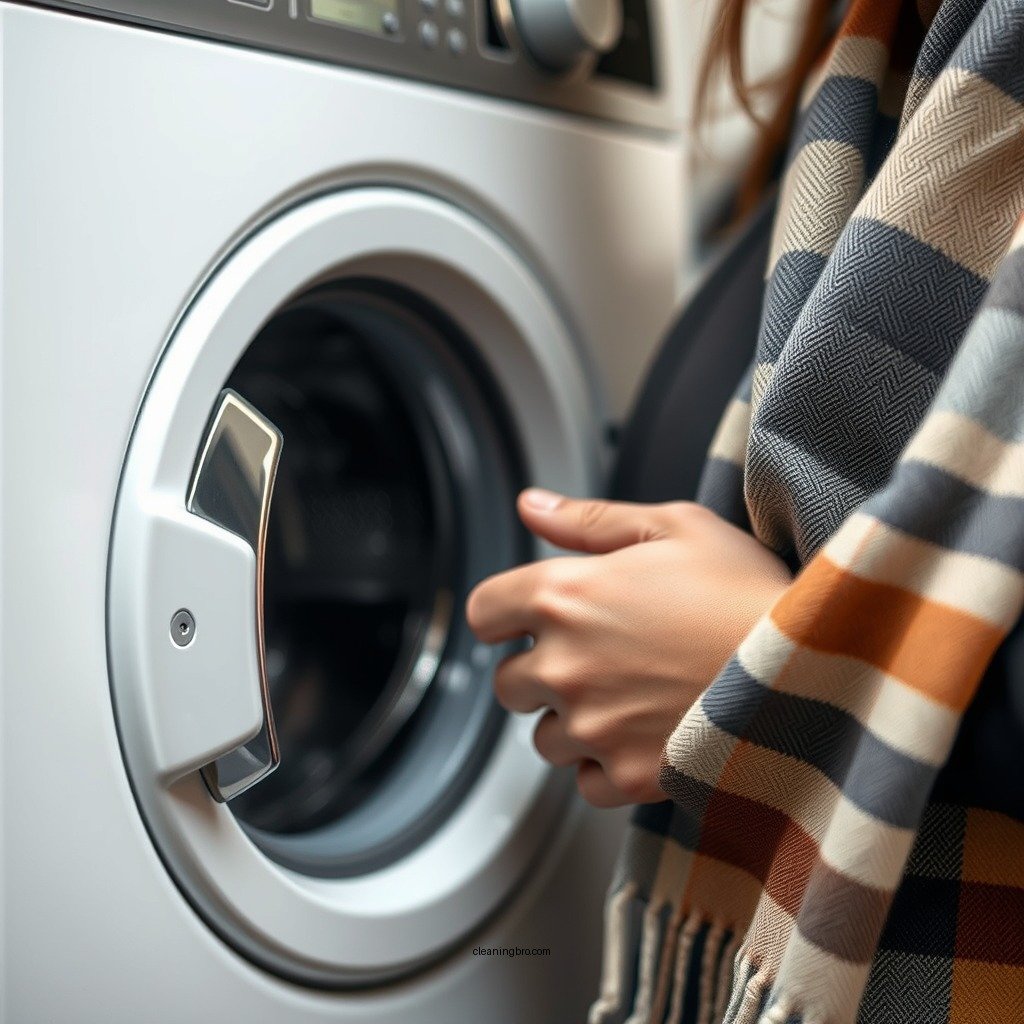
If the care label permits machine washing, here are some guidelines to follow for effective cleaning:
1. Use a Mesh Laundry Bag: Place your scarf in a mesh laundry bag to protect it from getting snagged or stretched during the wash cycle.
2. Choose a Gentle Cycle: Set the washing machine to a gentle cycle with cold water. This setting minimizes agitation, reducing the risk of damage.
3. Avoid Fabric Softeners: Fabric softeners can leave residues on scarves, especially those made from silk or wool. Stick to your gentle detergent for the best results.
4. Separate Colors: Wash scarves with similar colors to prevent dye transfer, particularly with vibrant or patterned fabrics.
5. Drying: As with hand washing, air drying is recommended. Avoid using a dryer, as the heat can cause shrinking and damage.
Drying Methods
Proper drying techniques are crucial for preserving the shape and appearance of your scarves. Here’s how to dry them effectively:1. Air Drying: Lay the scarf flat on a clean, dry towel or hang it to air dry. Avoid wringing or twisting the fabric, as this can lead to misshaping.
2. Avoid Direct Sunlight: While drying, keep the scarf out of direct sunlight, as UV rays can fade colors and weaken fibers over time.
3. Steering Clear of High Heat: High heat from dryers or radiators can cause shrinking and damage. Opt for natural air drying to maintain the scarf’s integrity.
4. Reshape While Wet: While the scarf is still damp, gently reshape it to its original form. This helps prevent creases and maintains the scarf’s design.
Stain Removal Tips
Stains can be particularly tricky, especially on delicate fabrics. Here are effective strategies for removing various types of stains:
1. Act Quickly: Blot stains immediately with a clean, dry cloth to absorb as much of the stain as possible. Avoid rubbing, as this can spread the stain further.
2. Mild Detergent Solution: For most stains, a mixture of cool water and a few drops of mild detergent can be effective. Apply this solution gently to the stained area using a soft cloth.
3. Specific Stain Removers: For stubborn stains like oil or ink, consider using specialized stain removers designed for the fabric type. Always conduct a patch test in an inconspicuous area first.
4. Rinse Thoroughly: After treating the stain, rinse the area thoroughly with cool water to ensure all detergent or stain remover is removed.
5. Air Dry: Allow the scarf to air dry completely after stain removal. Avoid heat sources to prevent setting any remaining stain.
Ironing and Storing Scarves
Taking care of your scarves extends beyond cleaning; proper ironing and storage are essential too.
1. Ironing Techniques: Check the fabric type for the appropriate ironing temperature. Use a low setting for silk, while wool may require a slightly higher temperature. Always use a pressing cloth to protect delicate fabrics.
2. Folding and Storing: Store scarves in a cool, dry place to avoid moisture buildup. Rolling rather than folding can help prevent creases, and hanging can also be beneficial for longer scarves.
3. Avoid Moth Damage: If you store wool scarves for an extended period, consider using mothballs or cedar blocks to deter moths, which can damage the fabric.
Additional Care Tips
Maintaining the beauty of your scarves involves more than just washing and storing them properly. Here are some additional tips to consider:
1. Rotate Your Scarves: To prevent excessive wear on your favorite pieces, rotate your scarf collection regularly. This not only helps to extend their lifespan but also allows you to enjoy a variety of styles.
2. Fabric Refreshers: Occasionally refresh your scarves by hanging them outside to air out or using a fabric spray designed to eliminate odors.
3. Avoid Overexposure: Limit exposure to perfumes, hairsprays, or other chemicals that can stain or damage the fabric over time.
4. Professional Cleaning: For particularly valuable or delicate scarves, consider professional cleaning services to ensure they are cared for appropriately.
5. Mind the Weather: Be mindful of wearing scarves in damp or very humid conditions, which can lead to unwanted odors or mold growth.
Keeping your scarves clean and well-maintained not only enhances their appearance but also extends their lifespan. By following these simple steps tailored to each fabric type, you can enjoy your scarves looking their best for many seasons to come. Remember to always follow care instructions and take precautionary measures when cleaning to preserve the beauty of your accessories.
Frequently Asked Questions
What is the best way to clean delicate scarves made of silk?
The best way to clean delicate silk scarves is to hand wash them in cold water using a gentle detergent specifically designed for silk. Avoid wringing or twisting the fabric; instead, gently swirl the scarf in the water and rinse thoroughly. Lay it flat on a clean towel to dry, reshaping it to its original form to prevent creasing.
How do I remove stains from my wool scarves?
To remove stains from wool scarves, first, blot the stain gently with a clean cloth to absorb excess liquid. Then, mix a solution of lukewarm water and a mild wool detergent, applying it to the stained area with a soft cloth. Rinse the scarf with cold water and lay it flat to air dry.
Why should I avoid using fabric softeners on my scarves?
You should avoid using fabric softeners on your scarves because they can leave a residue that affects the scarf’s texture and may reduce its ability to breathe. Fabric softeners can also cause colors to fade and may weaken delicate fibers, leading to premature wear and tear.
Which washing method is recommended for cleaning synthetic scarves?
For cleaning synthetic scarves, machine washing on a gentle cycle with cold water is recommended. Use a mild detergent and place the scarf in a mesh laundry bag to protect it from snagging. After washing, hang or lay it flat to dry, avoiding direct sunlight to prevent color fading.
What precautions should I take when cleaning vintage scarves?
When cleaning vintage scarves, always check the care label for specific instructions and conduct a patch test on a hidden area to avoid damage. Use cold water and a gentle cleaning solution, and refrain from using harsh chemicals or bleach. Air drying is crucial to maintain the fabric’s integrity and prevent shrinkage.
References
- https://www.bbc.com/style/article/20170417-how-to-care-for-your-scarf
https://www.bbc.com/style/article/20170417-how-to-care-for-your-scarf - https://www.huffpost.com/entry/how-to-clean-scarf_n_5a1a3c4ee4b0a2f8c9b8b7a6
https://www.huffpost.com/entry/how-to-clean-scarf_n_5a1a3c4ee4b0a2f8c9b8b7a6 - https://www.sciencedirect.com/topics/earth-and-planetary-sciences/scarf
https://www.sciencedirect.com/topics/earth-and-planetary-sciences/scarf - https://www.mayoclinic.org/healthy-lifestyle/consumer-health/in-depth/cleaning-your-clothes/art-20046244
https://www.mayoclinic.org/healthy-lifestyle/consumer-health/in-depth/cleaning-your-clothes/art-20046244 - https://www.nytimes.com/2020/12/23/style/how-to-clean-your-clothes.html
https://www.nytimes.com/2020/12/23/style/how-to-clean-your-clothes.html - Google Scholar Google Scholar
https://scholar.google.com/scholar?q=how+to+clean+scarves - Google Scholar Google Scholar
https://scholar.google.com/scholar?q=sweater+care+and+cleaning - Google Scholar Google Scholar
https://scholar.google.com/scholar?q=cleaning+textiles+and+scarves - https://www.britannica.com/art/scarf
https://www.britannica.com/art/scarf - how to clean scarves – Search results
https://en.wikipedia.org/wiki/Special:Search?search=how+to+clean+scarves