How to Clean Sewage Backup in Your Shower
Cleaning a sewage backup in your shower requires immediate action to prevent health hazards and further plumbing issues. Start by ensuring your safety with gloves and masks, then follow a systematic approach to address the problem effectively. In this guide, you’ll learn essential steps to clean up the mess and prevent future occurrences.
Assess the Situation
The first step in addressing a sewage backup in your shower is to assess the situation thoroughly. Start by identifying the source of the backup. It could be a minor clog caused by hair and soap residue, or it might indicate a larger plumbing issue such as broken pipes or a blocked sewer line. Check for visible signs of sewage overflow, including foul odors, standing water, or visible debris.
Next, evaluate the extent of the contamination. Sewage can contain harmful bacteria and pathogens, making it crucial to identify any areas that have been affected. If the backup is significant, you may need to take further precautions to ensure your safety and the safety of others in your home.
Gather Necessary Supplies
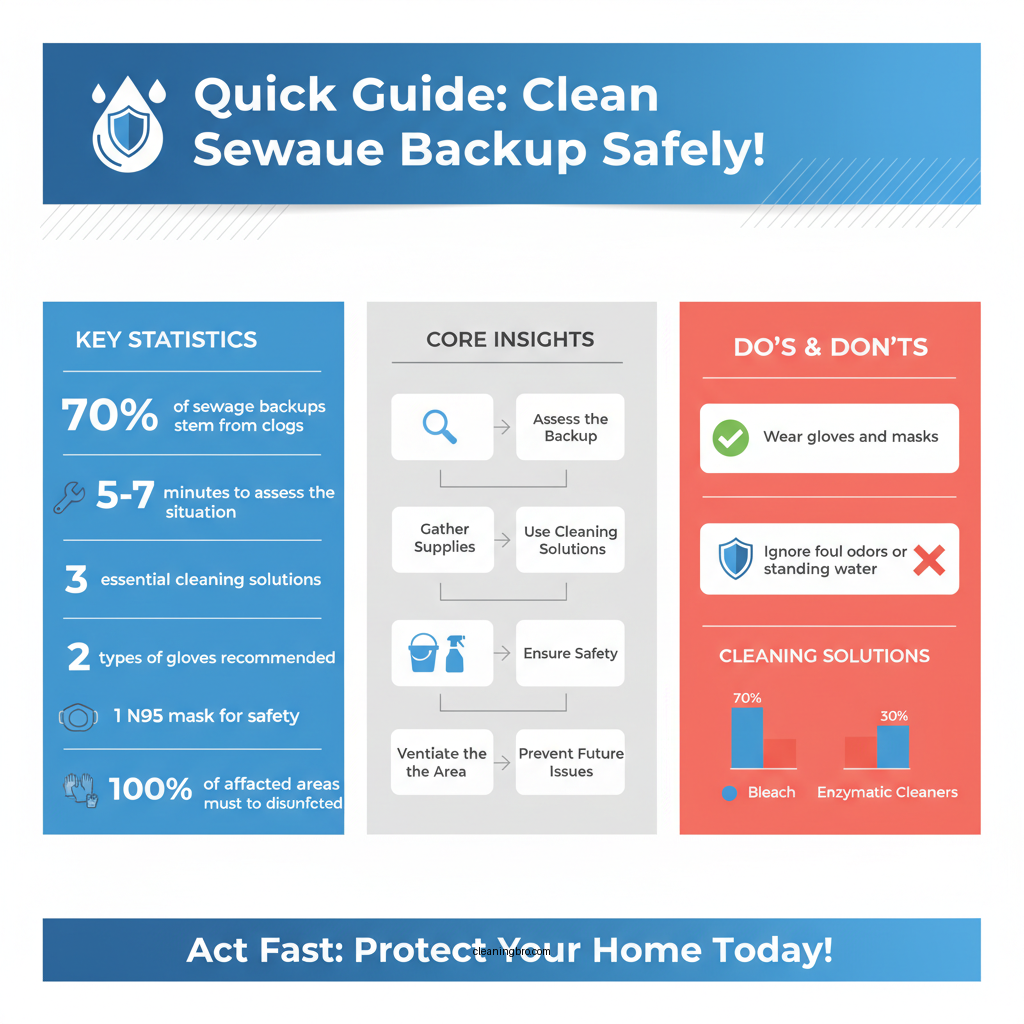
Before you begin the cleaning process, gather all necessary supplies to ensure an efficient and thorough cleanup. Essential cleaning tools include:
– Rubber gloves: Protect your hands from direct contact with contaminated materials.
– Masks: Wear an N95 or similar mask to avoid inhaling harmful particles.
– Buckets: Use buckets for transporting waste and contaminated materials.
– Mops: A mop will help you clean and sanitize surfaces effectively.
Additionally, you will need cleaning solutions to disinfect the area. Effective options include:
– Bleach: A strong disinfectant that can kill bacteria and viruses.
– Enzymatic cleaners: These are often safer and effective at breaking down organic matter.
– Disinfectants: Commercial-grade disinfectants can provide an additional layer of protection against pathogens.
Safety Precautions

Safety should be your top priority when dealing with sewage backups. Always wear rubber gloves and masks to prevent exposure to harmful bacteria and pathogens. Ensure that your clothing is protected, and consider wearing old clothes that you can dispose of afterward.
Top 7 Causes of Shower Sewage Backups (2024)
| # | Cause | Frequency (%) | Severity |
|---|---|---|---|
| 1 | Hair Buildup | 35% | Moderate |
| 2 | Soap Scum | 25% | Moderate |
| 3 | Grease | 15% | High |
| 4 | Foreign Objects | 10% | Severe |
| 5 | Tree Roots | 5% | Severe |
| 6 | Structural Damage | 5% | Severe |
| 7 | Sewer Line Backup | 5% | High |
Remove Standing Water
Once you have assessed the situation, the next step is to remove any standing water. The presence of stagnant water can lead to further damage and create a breeding ground for bacteria. Using a wet/dry vacuum is the most effective way to remove standing water quickly and efficiently. Be sure to follow the manufacturer’s instructions for safe operation.
Dispose of the sewage and contaminated water properly, adhering to local regulations. Many municipalities have specific guidelines for disposing of hazardous waste, so check with your local waste management authority to ensure compliance.
Clean and Disinfect the Area
After removing standing water, it’s time to clean and disinfect the affected areas thoroughly. Begin by scrubbing surfaces with a mixture of bleach and water (typically a 1:10 ratio). This will help eliminate harmful bacteria and viruses that may be present.
Pay close attention to corners and crevices where debris may have accumulated. After scrubbing, rinse all surfaces with clean water to remove any remaining cleaning solution. Allow the area to dry completely, as moisture can lead to mold growth. Using fans can expedite this drying process.
Check for Plumbing Issues
Once the area is clean and dry, it’s crucial to check for any underlying plumbing issues that may have contributed to the backup. Inspect the pipes for signs of damage, such as cracks or corrosion. If you notice any blockages, it may be necessary to use a plumbing snake or similar tool to clear them.
If you suspect a significant plumbing issue, such as a broken sewer line or major clog, it is advisable to call a professional plumber. They can conduct a thorough inspection and provide the necessary repairs to prevent future backups.
Best Cleaning Solutions for Sewage Backup
| Feature | ⭐ Bleach | Enzymatic Cleaners | Disinfectants |
|---|---|---|---|
| Effectiveness | High | Moderate | High |
| Safety | Moderate | High | Moderate |
| Cost | Low | Moderate | Moderate |
| Environmental Impact | Low | High | Moderate |
| User Friendliness | Easy | Moderate | Easy |
| Disinfecting Power | ✅ Best-in-class | ✅ Good | ✅ Good |
| Odor Neutralization | Low | High | Moderate |
| Residual Effect | Short | Long | Short |
| Free From Harmful Chemicals | ❌ | ✅ | ❌ |
| 🏆 Best For | General Disinfecting | Eco-conscious Users | Fast-acting Solutions |
Prevent Future Backups
To prevent future sewage backups in your shower, regular maintenance is key. Schedule routine plumbing inspections with a qualified plumber to catch potential issues before they escalate. Regularly clean your shower drains to remove hair and soap buildup, which can lead to clogs over time.
Moreover, educate your household members about proper disposal practices. Inform them about what should and shouldn’t be flushed down the toilet or washed down the shower drain. Items like paper towels, feminine hygiene products, and grease can cause significant plumbing issues if improperly disposed of.
By following these preventive measures, you will not only safeguard your plumbing but also maintain a healthier living environment.
In conclusion, cleaning a sewage backup in your shower is a task that requires immediate attention and careful handling. By assessing the situation, gathering proper supplies, taking safety precautions, and following a systematic cleaning approach, you can effectively manage the problem. Regular maintenance and education on proper disposal practices will help prevent future occurrences. If issues persist, do not hesitate to seek professional assistance to ensure the integrity of your plumbing system.
Frequently Asked Questions
What are the first steps to take when dealing with a sewage backup in the shower?
The first steps to take when facing a sewage backup in the shower include turning off the water supply to prevent further flooding and ensuring the area is safe. Wear protective gear such as gloves and masks, then use towels to absorb excess water. It’s crucial to identify the source of the backup, which may involve checking other drains in your home.
How can I safely clean sewage backup in my shower?
To safely clean sewage backup in your shower, first, ensure you are wearing protective clothing, including gloves, goggles, and a mask. Remove any visible debris and use a mixture of hot water and disinfectant or a specialized sewage cleaner to scrub the affected areas. After cleaning, thoroughly rinse the area and sanitize it to eliminate harmful bacteria.
Why did sewage backup occur in my shower, and how can I prevent it?
Sewage backup in your shower can occur due to clogged pipes, tree root intrusion, or a malfunctioning sewer line. To prevent future backups, regularly maintain your plumbing by avoiding flushing inappropriate items, using drain screens, and scheduling professional inspections of your sewer system to catch potential issues early.
What are the best cleaning products for sewage backup in the shower?
The best cleaning products for sewage backup in the shower include heavy-duty disinfectants specifically designed for sewage cleanup, such as enzymatic cleaners or bleach solutions. Look for products that kill bacteria and neutralize odors. Always follow manufacturer instructions for safe application and ensure proper ventilation during use.
Which professional services should I consider for sewage backup in my shower?
For sewage backup in your shower, consider hiring professional plumbing services that specialize in sewage cleanup and restoration. Look for companies with experience in handling sewage-related issues, as they will have the necessary equipment and expertise to effectively clean and address any underlying plumbing problems.
References
- https://www.cdc.gov/healthywater/emergency/cleaning_sewage.html
https://www.cdc.gov/healthywater/emergency/cleaning_sewage.html - https://www.epa.gov/sites/default/files/2015-09/documents/cleaning-sewage-backup.pdf
https://www.epa.gov/sites/default/files/2015-09/documents/cleaning-sewage-backup.pdf - https://www.niehs.nih.gov/health/topics/agents/biomarkers/cleanup/index.cfm
https://www.niehs.nih.gov/health/topics/agents/biomarkers/cleanup/index.cfm - https://www.who.int/water_sanitation_health/emergencies/faq/en/
https://www.who.int/water_sanitation_health/emergencies/faq/en/ - https://www.ncbi.nlm.nih.gov/pmc/articles/PMC6618034/
https://www.ncbi.nlm.nih.gov/pmc/articles/PMC6618034/ - https://www.britannica.com/science/sewage
https://www.britannica.com/science/sewage - https://www.sciencedirect.com/topics/earth-and-planetary-sciences/sewage
https://www.sciencedirect.com/topics/earth-and-planetary-sciences/sewage - Google Scholar Google Scholar
https://scholar.google.com/scholar?q=how+to+clean+sewage+backup+in+shower - Google Scholar Google Scholar
https://scholar.google.com/scholar?q=sewage+cleanup+guidelines - Google Scholar Google Scholar
https://scholar.google.com/scholar?q=sewage+backup+health+risks