How to Clean Sheep Fleece: A Step-by-Step Guide
Cleaning sheep fleece is a crucial step for anyone looking to spin or craft with wool. Properly cleaning fleece not only enhances its quality but also prepares it for various crafting techniques. This guide will take you through the process, detailing each step to ensure your fleece is clean, soft, and ready for use.
Understanding the Basics of Sheep Fleece
Different Types of Fleece
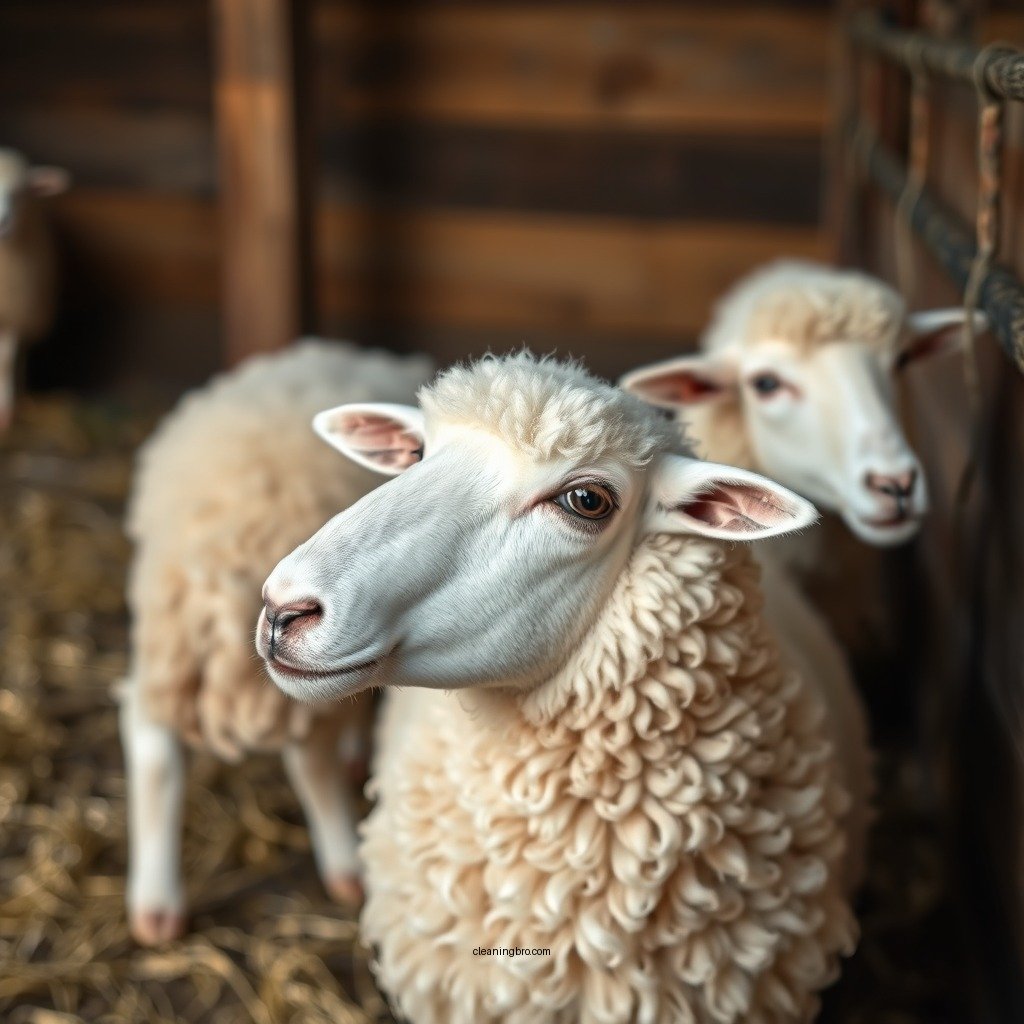
Sheep fleece varies significantly depending on the breed of sheep. Some of the most notable breeds include:
– Merino: Known for its fine, soft wool, Merino fleece is highly sought after for garments.
– Romney: This fleece is coarser and offers good resilience, making it suitable for outerwear.
– Shetland: Fine and incredibly lightweight, Shetland fleece is perfect for intricate patterns and delicate garments.
– Corriedale: With a medium wool that is versatile, Corriedale fleece is excellent for various crafting projects.
Understanding these differences is essential, as it influences how you clean and prepare each type of fleece.
Importance of Cleaning
Cleaning sheep fleece is vital for several reasons. First, fleece can contain natural oils, dirt, and debris from the shearing process, which can affect the quality of the final product. If not cleaned properly, these impurities can lead to felting or damage during subsequent processing stages. Furthermore, clean fleece is easier to spin and dye, resulting in a better overall crafting experience.
Preparing the Fleece for Washing
Sorting
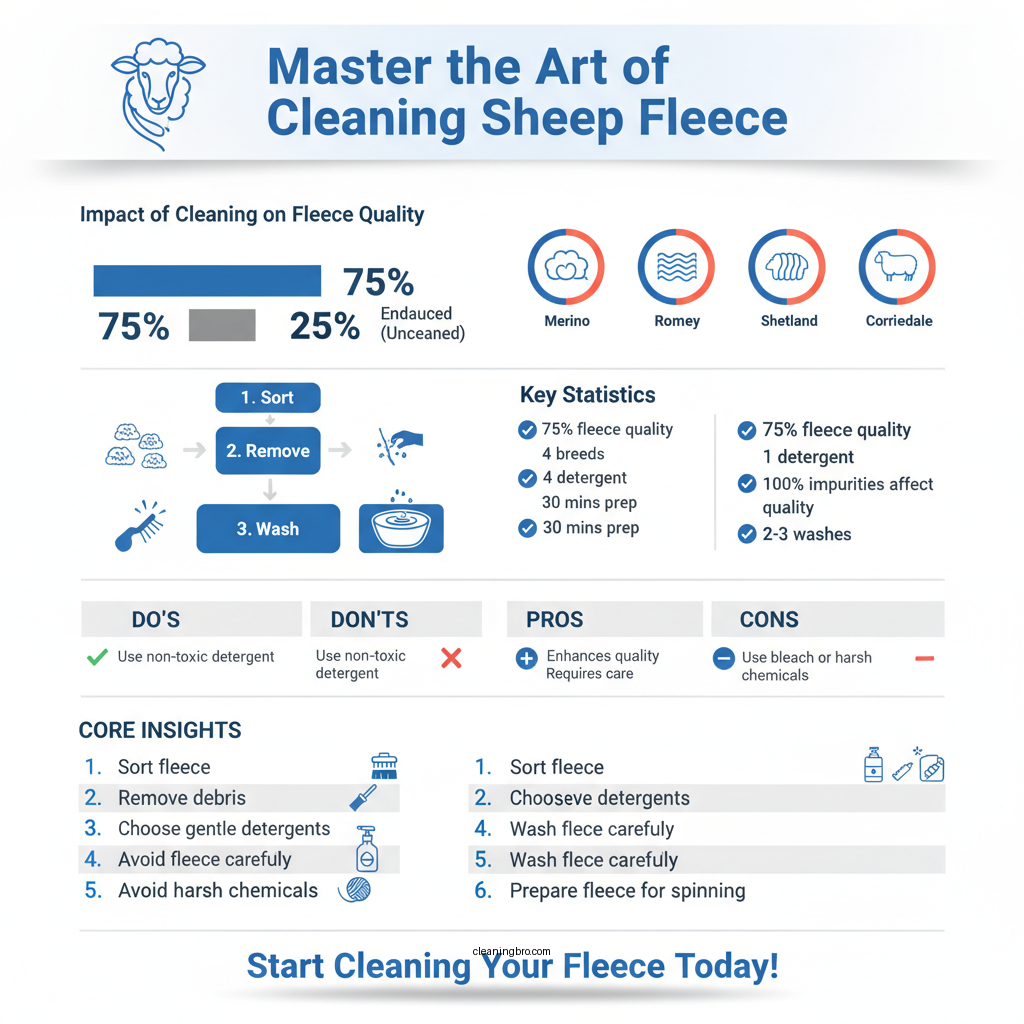
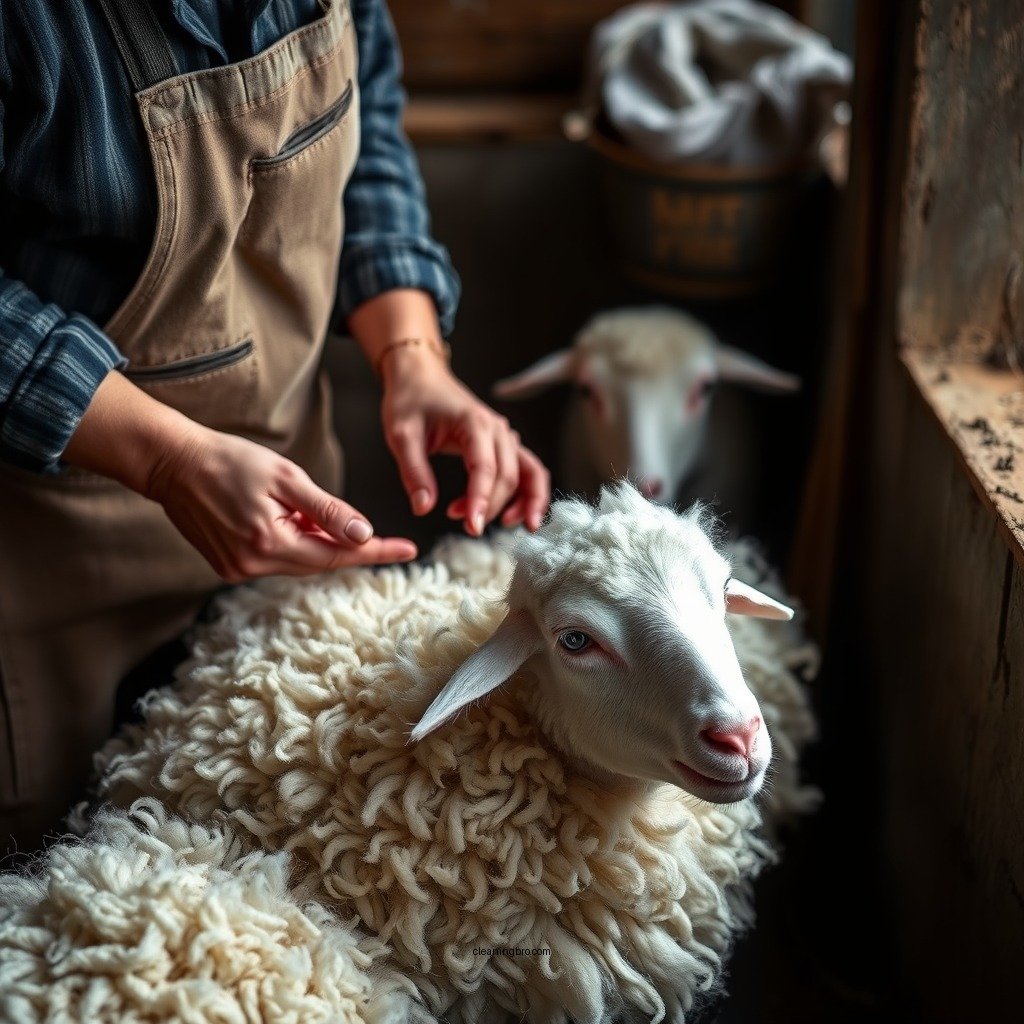
Before washing, it is essential to sort the fleece. This involves separating it based on quality and color. High-quality fleece can be set aside for special projects, while lower-quality fleece may be used for practice or less critical applications. Sorting ensures that you can manage the washing process more effectively and allows you to tailor your cleaning method to the specific needs of each batch.
Removing Debris
Once sorted, inspect each batch for debris. This includes removing any large pieces of dirt, hay, or vegetable matter that may have become entangled in the fleece. A gentle hand-picking method is often sufficient for this task. Additionally, shaking the fleece outside can help dislodge loose debris, making the washing process more effective.
Washing the Fleece
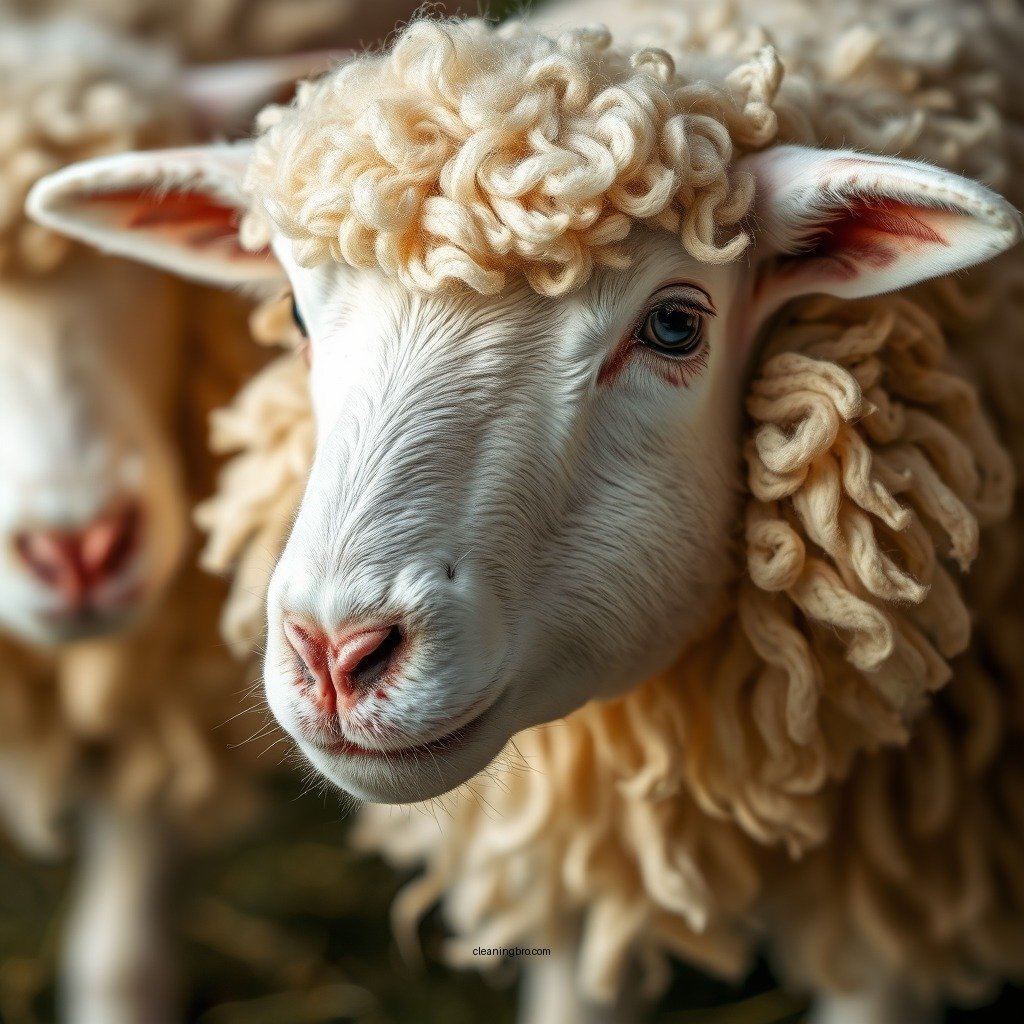
Choosing the Right Detergent
When selecting a detergent, opt for a gentle, non-toxic soap specifically designed for wool. Products like Woolite or a specialized fleece detergent are ideal, as they will clean without stripping the fleece of its natural oils. Avoid harsh chemicals, as these can damage the fibers and reduce the fleece’s overall quality.
Washing Method
The washing process can be done using either a sink or bathtub. Fill the basin with warm water—ideally between 90°F and 110°F (32°C to 43°C)—and add the detergent. Place the fleece gently into the water, allowing it to soak for 30 minutes. After soaking, use a gentle swishing motion to help release dirt and oils without agitating the fibers too much, which could cause felting.
Top 5 Sheep Breeds for Fleece Quality (2024)
| # | Breed | Fiber Diameter (microns) | Staple Length (inches) | Softness Rating |
|---|---|---|---|---|
| 1 | Merino | 15-25 | 3-6 | ★★★★★ |
| 2 | Romney | 30-40 | 4-7 | ★★★★☆ |
| 3 | Shetland | 24-34 | 2-4 | ★★★★★ |
| 4 | Corriedale | 25-34 | 3-5 | ★★★★☆ |
| 5 | Dorset | 30-40 | 4-6 | ★★★★☆ |
Rinsing the Fleece
Importance of Thorough Rinsing
Rinsing is a critical step in the cleaning process. It is essential to ensure that all soap residues are removed from the fleece. Leaving soap in the fibers can lead to felting during drying or further processing, compromising the fleece’s texture and usability.
Techniques
For the rinsing process, use clean, lukewarm water to gradually remove the detergent. It is advisable to perform multiple rinses—at least two to three—until the water runs clear. Avoid agitating the fleece during rinsing, as this can also contribute to felting. Instead, let the water flow through the fleece gently.
Drying the Fleece
Best Drying Methods
Once rinsed, the fleece must be dried properly to maintain its quality. Lay the fleece flat on a clean, dry surface such as a drying rack or a clean towel. Ensure it is spread out evenly to avoid clumping, which can lead to uneven drying.
Avoiding Sunlight
It is crucial to keep the fleece out of direct sunlight during the drying process. Prolonged exposure to sunlight can cause the fibers to weaken or fade in color. Instead, opt for a shaded area with good airflow to facilitate drying without damaging the fleece.
Storing the Cleaned Fleece
Proper Storage Conditions
After drying, store the fleece in a cool, dry place to prevent mildew and damage. Humidity can lead to mold growth, ruining your hard work. Always ensure that the storage area is well-ventilated and free from pests.
Container Options
For storage, consider using breathable bags made of cotton or linen, or plastic bins with air holes. These containers can protect the fleece from dust and pests while allowing it to breathe.
Final Touches Before Use
Carding or Combing
Before using the fleece for spinning or other crafting methods, it is advisable to card or comb it. This process aligns the fibers, making them easier to spin and ensuring a more uniform texture in your final product.
Checking for Residual Dirt
Finally, inspect the cleaned fleece for any residual dirt or impurities. A gentle visual and tactile inspection can help ensure that your fleece is ready for use, allowing for a smoother crafting experience.
Summarizing the essential steps for cleaning sheep fleece will help you maintain its integrity and prepare it for various crafting projects. By following this guide, you can ensure your fleece is clean and ready for spinning or felting. Don’t forget to share your results or ask questions in the comments!
Frequently Asked Questions
What is the best way to wash sheep fleece?
The best way to wash sheep fleece is to use lukewarm water and a gentle, non-toxic detergent. Start by soaking the fleece in the water for 30 minutes, then gently agitate it to release dirt and grease. Rinse thoroughly in clean water until no suds remain, and avoid wringing or twisting the fleece to prevent damage.
How do I remove lanolin from sheep fleece?
To remove lanolin from sheep fleece, you can use a combination of hot water and a suitable degreasing agent, such as dish soap or a specialized fleece wash. Soak the fleece in hot water for 20-30 minutes, then gently work the soap into the fibers before rinsing thoroughly. Repeat the process if necessary until the fleece feels clean and free of greasy residue.
Why is it important to clean sheep fleece before processing?
Cleaning sheep fleece before processing is crucial because it removes dirt, grease, and contaminants that can affect the quality of the final product. Properly cleaned fleece will spin more easily and yield better results in dyeing and finishing. Additionally, removing impurities helps prevent damage to spinning equipment and ensures a more enjoyable crafting experience.
Which tools are necessary for cleaning sheep fleece effectively?
To clean sheep fleece effectively, you will need a large basin or tub for soaking, gentle detergent, a mesh laundry bag for rinsing, and a drying rack or clean surface for air drying. Using a fleece skirting table can also help remove any undesirable parts of the fleece before washing. These tools will enhance your cleaning process and help you achieve high-quality results.
How can I dry sheep fleece after washing it?
After washing sheep fleece, it’s best to lay it flat on a clean, dry surface or a drying rack to avoid matting and ensure even drying. Keep the fleece out of direct sunlight to prevent damage to the fibers, and allow it to air dry completely. If using a dryer, set it to low heat, but air drying is generally the safest method for maintaining fleece quality.
References
- Sheep shearing
https://en.wikipedia.org/wiki/Sheep_shearing - https://www.uvm.edu/extension/sheep/cleaning_sheep_fleece
https://www.uvm.edu/extension/sheep/cleaning_sheep_fleece - ABC New England North West Local News – ABC listen
https://www.abc.net.au/education/life-on-the-farm/sheep-fleece-cleaning/13943736 - Google Scholar Google Scholar
https://scholar.google.com/scholar?q=cleaning+sheep+fleece - https://www.noble.co.nz/assets/technical/How-to-Clean-Sheep-Wool.pdf
https://www.noble.co.nz/assets/technical/How-to-Clean-Sheep-Wool.pdf - Google Scholar Google Scholar
https://scholar.google.com/scholar?q=sheep+fleece+cleaning+techniques - https://www.msu.edu/~sheep/pubs/cleaning.htm
https://www.msu.edu/~sheep/pubs/cleaning.htm - Google Scholar Google Scholar
https://scholar.google.com/scholar?q=wool+processing+cleaning+methods - Google Scholar Google Scholar
https://scholar.google.com/scholar?q=how+to+clean+sheep+fleece - how to clean sheep fleece – Search results
https://en.wikipedia.org/wiki/Special:Search?search=how+to+clean+sheep+fleece