How to Clean Stainless Steel Utensils: Effective Methods
Cleaning stainless steel utensils is simple and effective when you follow the right methods. The best way to maintain their shine and remove stubborn stains is by using mild detergents, vinegar, or baking soda. In this article, you’ll discover various techniques and tips to keep your stainless steel utensils looking as good as new.
Understanding Stainless Steel

Stainless steel is an alloy primarily composed of iron, chromium, and nickel, which gives it its renowned resistance to rust and corrosion. However, it is important to note that stainless steel is not completely impervious to staining. Over time, exposure to certain substances—like salt, acidic foods, or just everyday cooking residues—can lead to discoloration or stains. Understanding the specific grade of stainless steel used in your utensils can help you choose the most effective cleaning method. For example, utensils made from 18/10 stainless steel, which contains 18% chromium and 10% nickel, are typically more resistant to corrosion and staining than those made from lower grades.
Basic Cleaning Techniques
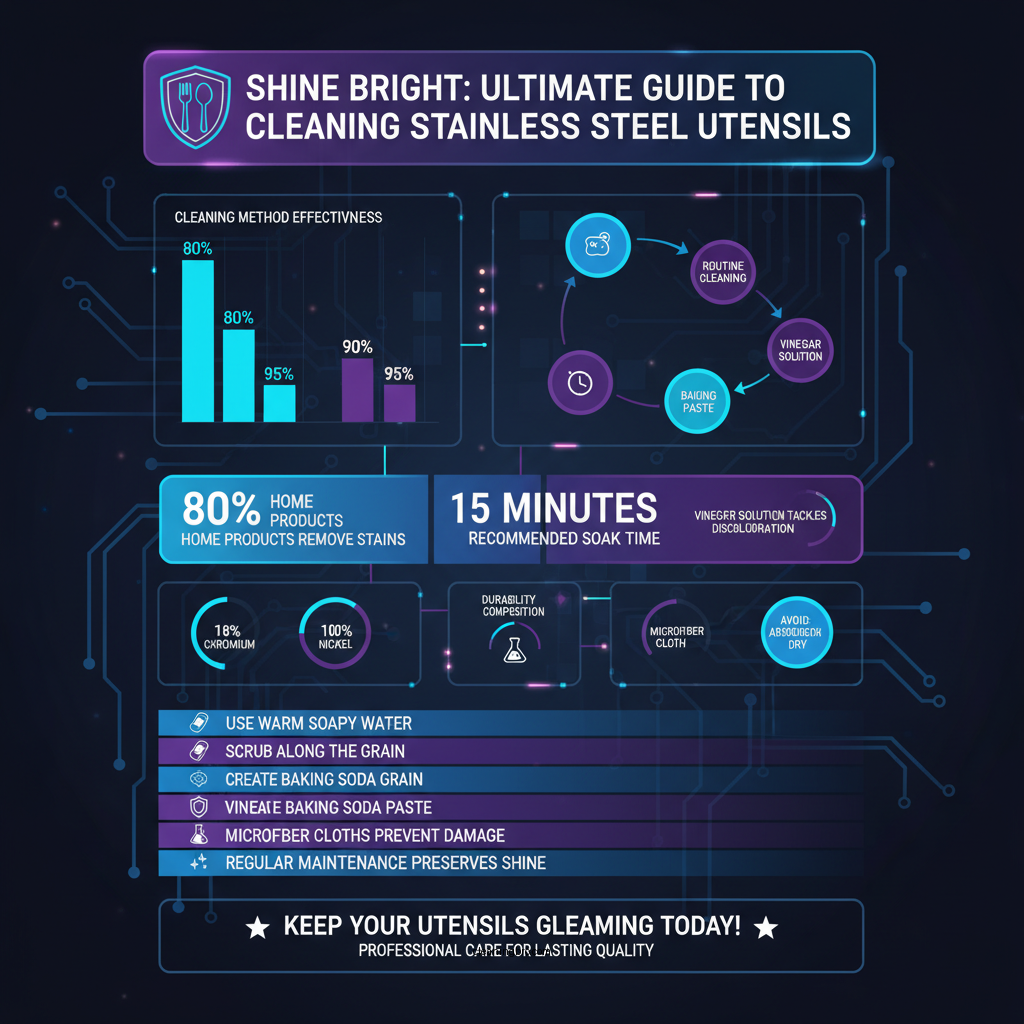
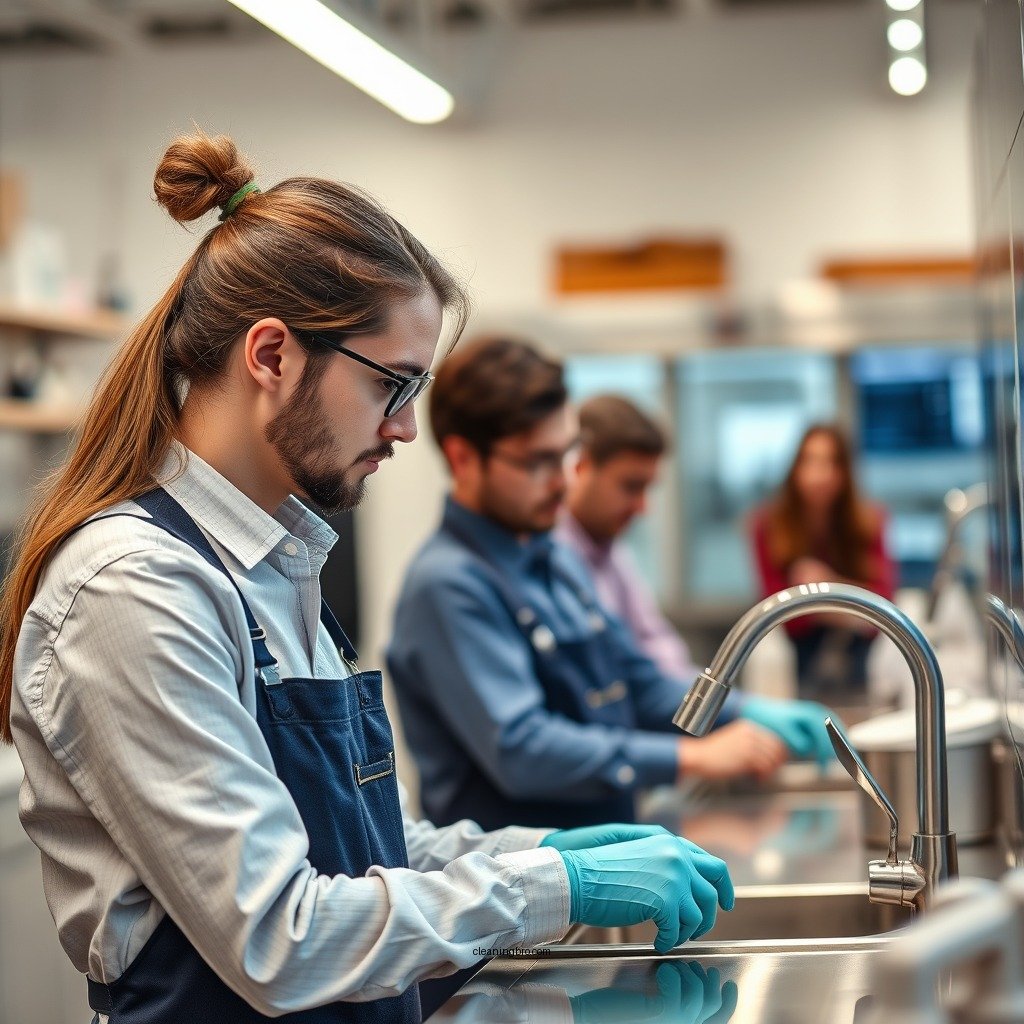
The best way to clean stainless steel utensils is to adopt a regular maintenance routine. For routine cleaning, use warm soapy water and a soft cloth or sponge. This method is effective for removing daily grime and preventing any potential buildup. Simply fill a basin with warm water, add a few drops of mild detergent, and immerse the utensils. Gently scrub them using the soft cloth, making sure to follow the grain of the steel for best results. Afterward, rinse thoroughly with clean water and dry immediately with a soft towel.
It’s crucial to avoid abrasive materials such as steel wool or harsh scouring pads, as these can scratch the surface of your utensils, dulling their shine and making them more susceptible to staining in the future. Instead, opt for non-abrasive sponges or microfiber cloths that will clean without damaging the surface.
Removing Stains and Discoloration
Stains and discoloration can be particularly stubborn, but they can often be removed with simple household products. For light stains, creating a paste from baking soda and water is an effective method. Mix three parts baking soda with one part water to form a thick paste. Apply this mixture to the stained areas and let it sit for about 15 minutes, then gently scrub with a soft cloth or sponge, rinsing with water afterward.
For more severe discoloration or tarnishing, a mixture of equal parts vinegar and water can be effective. Spray this solution directly onto the affected areas and let it sit for a few minutes before wiping it away. The acidity of the vinegar helps dissolve mineral deposits and restore the original luster of the stainless steel.
📋 Data: Top 7 Cleaning Methods for Stainless Steel Utensils
Top 7 Cleaning Methods for Stainless Steel Utensils
| # | Method | Effectiveness | Ease of Use |
|---|---|---|---|
| 1 | Warm Soapy Water | High | Easy |
| 2 | Baking Soda Paste | High | Moderate |
| 3 | Vinegar Solution | Medium | Easy |
| 4 | Lemon Juice | Medium | Moderate |
| 5 | Olive Oil Polish | Medium | Easy |
| 6 | Commercial Cleaners | High | Easy |
| 7 | Club Soda | Medium | Easy |
Polishing for a Shine
Once your stainless steel utensils are clean, polishing them is essential for maintaining their shine. Using a few drops of olive oil on a soft cloth can work wonders. Simply apply the oil to the cloth and rub it over the surface of the utensils, following the grain to avoid streaks. This not only enhances the shine but also creates a protective layer that helps in repelling dirt and grime.
For an even better finish, use a microfiber cloth to buff the surface after applying the oil. Microfiber is gentle and effective in picking up any remaining particles without scratching the stainless steel, leaving your utensils gleaming.
Preventing Future Stains
Preventive care is key to maintaining the appearance and longevity of your stainless steel utensils. Rinse them immediately after use, especially after exposure to acidic or salty foods, as these can cause discoloration over time. Allowing residues to dry on the surface can create stubborn stains that are harder to remove later.
Additionally, store your utensils in a dry area. Moisture can lead to water spots and tarnishing, so keeping them in a well-ventilated space away from damp conditions is advisable. If possible, avoid stacking them to minimize the risk of scratches and dents.
Special Considerations for Different Utensils
Not all stainless steel utensils are created equal; different types may require specific care. For instance, stainless steel knives can benefit from handwashing to maintain their sharpness, while pots and pans may require a more robust cleaning approach due to food residue buildup. Always check the manufacturer’s guidelines for the best cleaning practices tailored to your utensils.
For example, if your utensils are made from high-grade stainless steel (like 316), they may be more resistant to staining but still require routine cleaning to prevent any buildup of grime. Conversely, lower-grade stainless steel may be more prone to discoloration and require more frequent attention.
Care Tips for Different Stainless Steel Utensils
| Utensil Type | Care Method | Frequency | Best Products |
|---|---|---|---|
| Cutlery | Handwash recommended | After each use | Mild soap |
| Pots & Pans | Soak for tougher stains | Weekly | Baking soda |
| Serving Utensils | Wash after serving | After each use | Vinegar solution |
| Grill Tools | Clean after each use | Each grilling session | Degreaser |
| Mixing Bowls | Wash with soap | After each use | Mild soap |
| Baking Sheets | Soak with vinegar | As needed | Baking soda |
| Measuring Cups | Wash with soap | After each use | Mild soap |
| Whisks & Spatulas | Wash after each use | After each use | Vinegar solution |
| 🏆 Best For | All stainless steel users | Everyday use | Home cooks |
Keeping your stainless steel utensils clean requires regular maintenance and the right cleaning techniques. By following these tips, you can ensure they stay in excellent condition. Remember to use the appropriate cleaning methods for different utensils, maintain a routine cleaning schedule, and apply polishing techniques to maintain that shine. For more cleaning tips and tricks, explore our other articles or share this guide with friends!
Frequently Asked Questions
What is the best way to clean stainless steel utensils without scratching them?
The best way to clean stainless steel utensils is to use a soft cloth or sponge along with mild dish soap and warm water. Avoid using abrasive cleaners or steel wool, as these can scratch the surface. For tough stains, a paste of baking soda and water can be an effective and gentle option.
How do I remove stubborn stains from stainless steel utensils?
To remove stubborn stains from stainless steel utensils, you can create a paste using baking soda and water. Apply it to the stained area, let it sit for a few minutes, then gently scrub with a soft cloth or sponge. Rinse thoroughly and dry with a clean towel to restore shine.
Why do stainless steel utensils get water spots, and how can I prevent them?
Stainless steel utensils can develop water spots due to minerals in the water that leave behind residue as it dries. To prevent water spots, always dry your utensils immediately after washing them and consider using distilled water for rinsing. Regular polishing with a microfiber cloth can also help maintain their shine.
Which cleaning products are safe for stainless steel utensils?
Safe cleaning products for stainless steel utensils include mild dish soaps, vinegar, and baking soda. Avoid harsh chemicals or abrasive materials, as these can damage the finish. For extra shine, you can use a specialized stainless steel cleaner that is non-toxic and safe for kitchen use.
How often should I clean my stainless steel utensils to keep them in good condition?
It’s recommended to clean your stainless steel utensils after each use to prevent food residue buildup and maintain their appearance. For deeper cleaning, consider a thorough scrub with baking soda every few weeks, especially if you notice any discoloration or stains. Regular maintenance will ensure your utensils remain shiny and functional.
References
- 4 Ways to Clean Stainless Steel – wikiHow Fun
https://www.wikihow.com/Clean-Stainless-Steel - https://www.mayoclinic.org/healthy-lifestyle/nutrition-and-healthy-eating/in-depth/kitchen-cleaning/art-20047279
https://www.mayoclinic.org/healthy-lifestyle/nutrition-and-healthy-eating/in-depth/kitchen-cleaning/art-20047279 - https://www.bbc.com/future/article/20200617-how-to-clean-your-kitchen-the-right-way
https://www.bbc.com/future/article/20200617-how-to-clean-your-kitchen-the-right-way - https://pubmed.ncbi.nlm.nih.gov/28945778/
https://pubmed.ncbi.nlm.nih.gov/28945778/ - https://www.sciencedirect.com/topics/earth-and-planetary-sciences/stainless-steel
https://www.sciencedirect.com/topics/earth-and-planetary-sciences/stainless-steel - https://www.cdc.gov/healthywater/hygiene/cleaning/cleaning_and_disinfecting.html
https://www.cdc.gov/healthywater/hygiene/cleaning/cleaning_and_disinfecting.html - https://www.nytimes.com/2020/06/18/realestate/how-to-clean-your-kitchen.html
https://www.nytimes.com/2020/06/18/realestate/how-to-clean-your-kitchen.html - https://www.who.int/news-room/questions-and-answers/item/cleaning-and-disinfection-of-environments-in-the-context-of-covid-19
https://www.who.int/news-room/questions-and-answers/item/cleaning-and-disinfection-of-environments-in-the-context-of-covid-19 - Google Scholar Google Scholar
https://scholar.google.com/scholar?q=cleaning+stainless+steel+utensils - Google Scholar Google Scholar
https://scholar.google.com/scholar?q=how+to+clean+stainless+steel+utensils+effectively