
Understanding the Importance of Cleaning Brushes
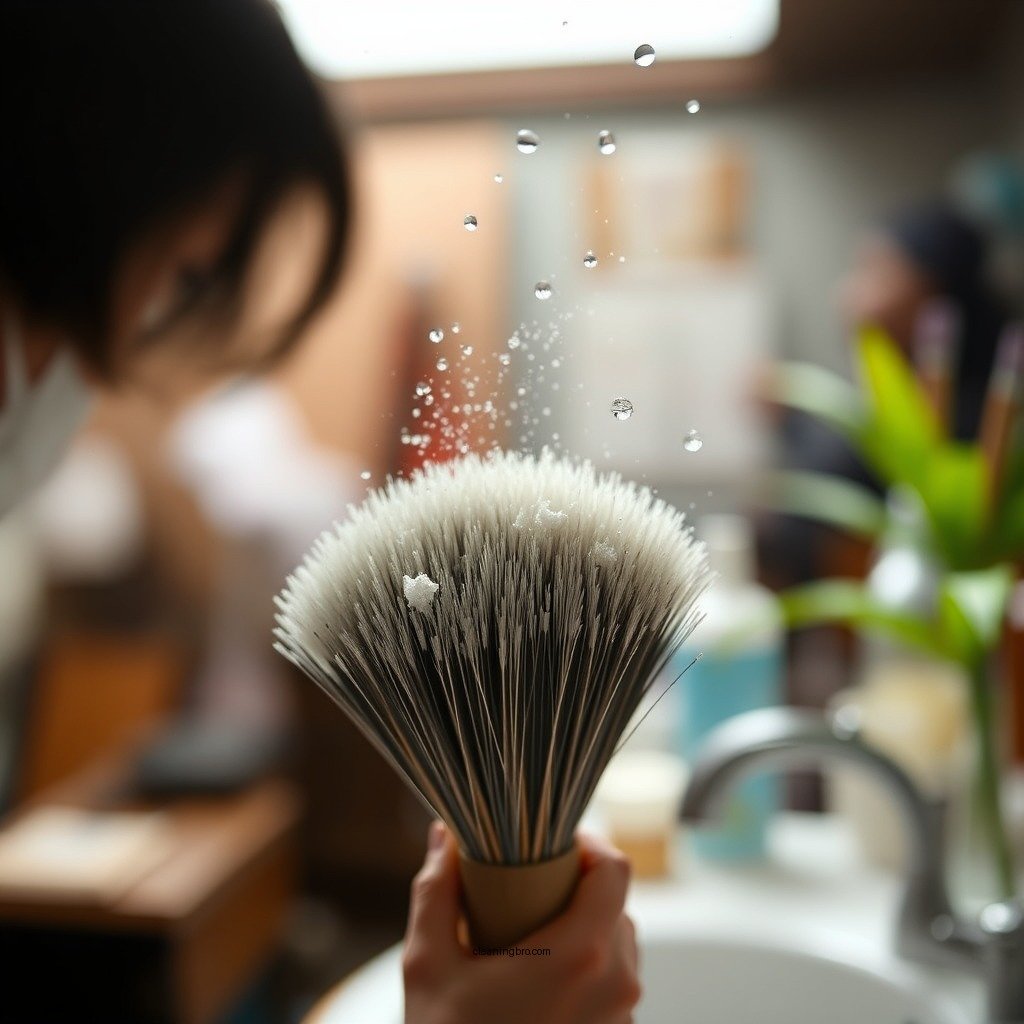
Cleaning brushes after a lice infestation is more than just a hygiene practice; it is a necessary step to safeguard your family’s health. Lice can easily transfer from one person to another through shared personal items, including hairbrushes, combs, and even hats. Here’s why cleaning brushes is vital:
– Prevents the Spread of Lice and Eggs: By thoroughly cleaning brushes, you minimize the risk of lice transferring to other family members, especially in households with children who frequently share personal items.
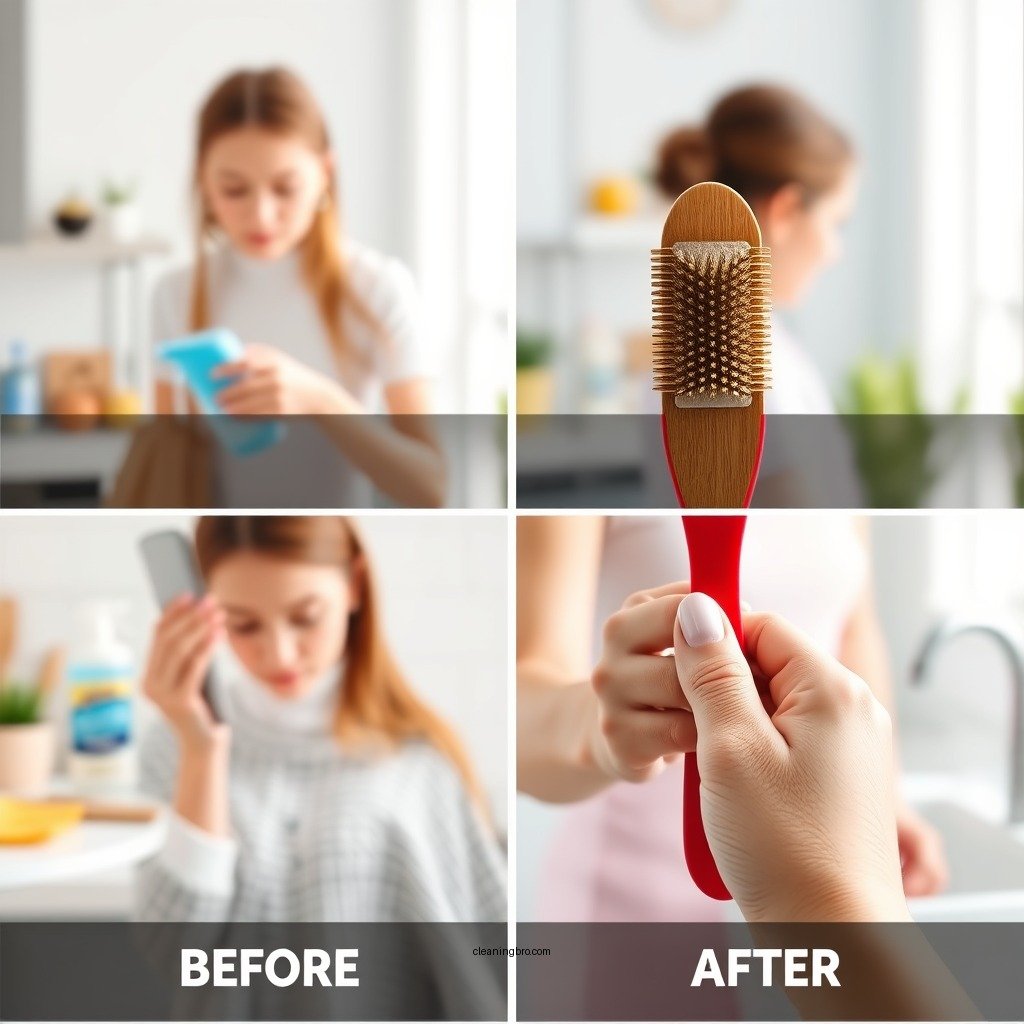
– Reduces the Risk of Re-infestation: If a brush is not cleaned properly, any remaining lice or nits can lead to a new infestation, prolonging the discomfort and frustration associated with lice.
– Maintains Hygiene and Cleanliness in Your Home: A clean home environment contributes to overall well-being. Regularly cleaning brushes is part of good hygiene practices and can help instill positive habits in children regarding personal care.
Materials Needed for Cleaning
Before you start the cleaning process, gather the following materials:
– Hot Water and Soap: Using hot, soapy water is essential as it not only kills lice but also loosens nits, making them easier to remove.
– Fine-Tooth Comb: This tool is crucial for meticulously combing through the bristles of the brush to extract any remaining lice or eggs.
– Disinfectant: While not always necessary, using a disinfectant can provide an extra layer of sanitation, ensuring that all potential remnants of lice are eradicated.
Step-by-Step Brush Cleaning Process
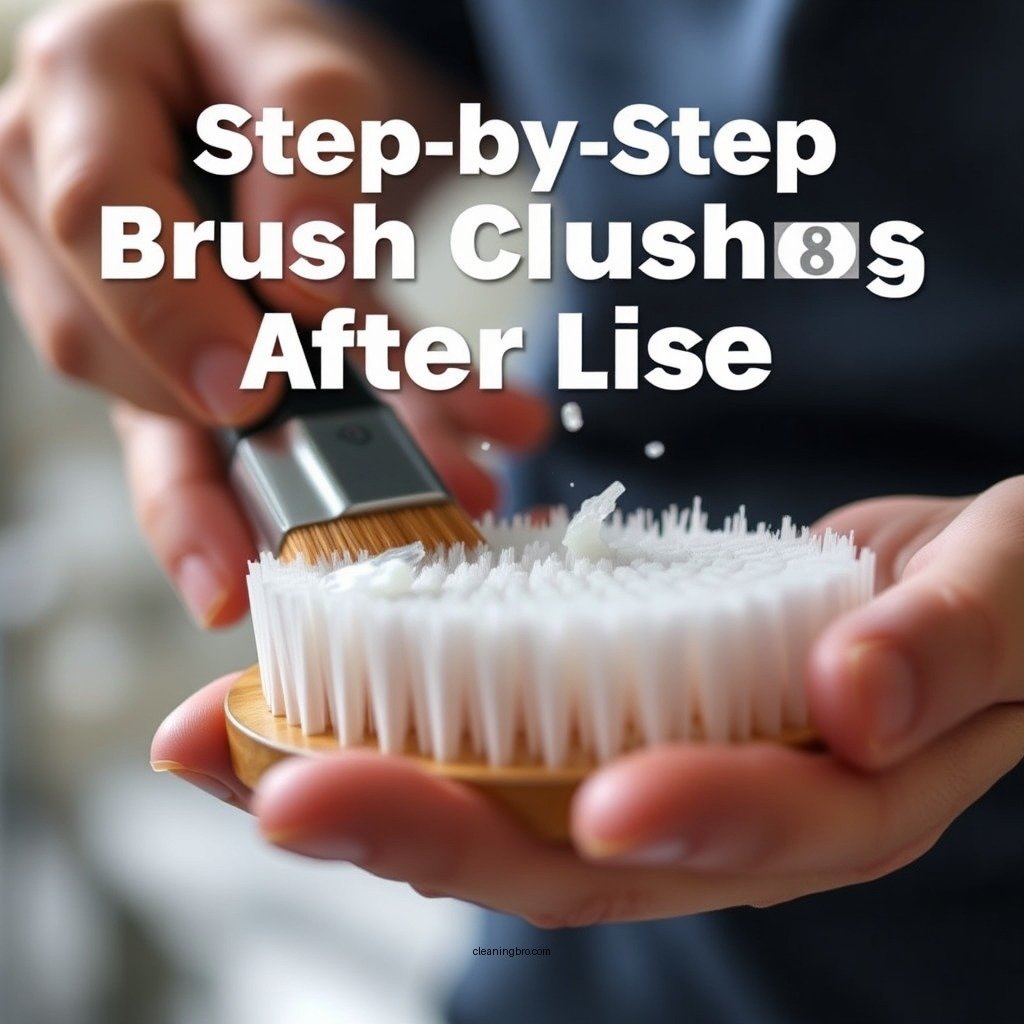
Follow these steps to effectively clean your brushes after a lice infestation:
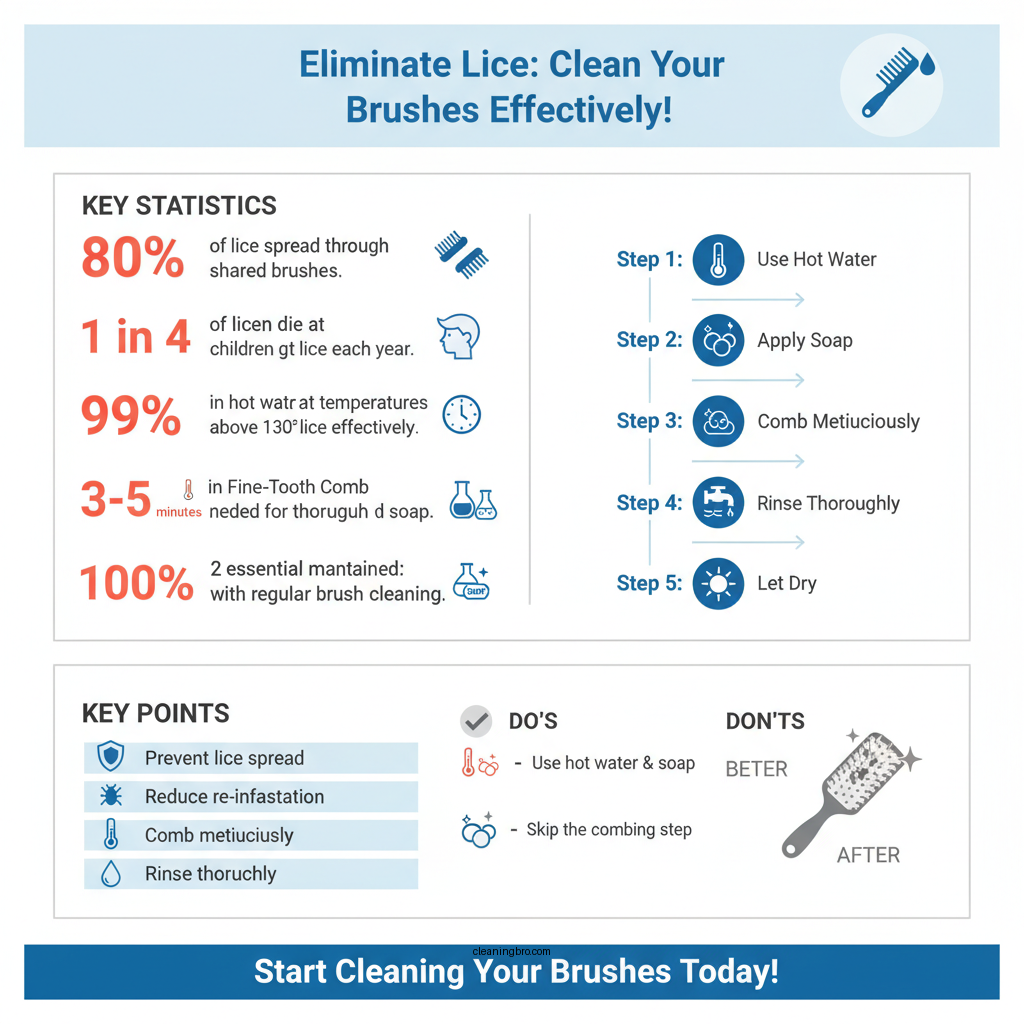
1. Fill a Bowl with Hot, Soapy Water: Use a bowl or sink filled with hot water mixed with a gentle soap. Ensure the water is hot enough to assist in killing lice but not so hot that it could damage the brushes.
2. Use a Fine-Tooth Comb: After soaking the brushes for a few minutes, take a fine-tooth comb and gently comb through the bristles. This action helps dislodge any lice or nits that may be stuck in the bristles.
3. Rinse the Brushes Thoroughly: Once you’ve combed through the brushes, rinse them thoroughly under hot running water to remove any remaining soap, lice, or nits. Ensure the brushes are completely clean before setting them aside to dry.
Top 5 Cleaning Solutions for Brushes After Lice (2024)
| # | Cleaning Solution | Effectiveness | Time Required | Cost |
|---|---|---|---|---|
| 1 | Hot Water & Soap | ✔️ High | 5-10 mins | Low |
| 2 | Vinegar Solution | ✔️ Moderate | 15 mins | Very Low |
| 3 | Rubbing Alcohol | ✔️ High | 10 mins | Moderate |
| 4 | Commercial Lice Spray | ✔️ High | 5 mins | High |
| 5 | Dishwashing Liquid | ✔️ Moderate | 10 mins | Low |
Alternative Cleaning Methods
In addition to the standard cleaning methods, there are several alternative solutions that can also be effective in eliminating lice from brushes:
– Vinegar Solution: Mix equal parts of vinegar and water in a bowl. Vinegar can help dissolve the glue that holds nits to the hair and brush bristles. Soak the brushes for about 15 minutes before rinsing them thoroughly.
– Alcohol: Rubbing alcohol is another effective option. Soaking brushes in rubbing alcohol for about 10 minutes can kill lice on contact. However, be cautious as it can sometimes degrade the materials of certain brushes.
Inspecting Brushes Post-Cleaning
Once you have cleaned your brushes, it is essential to conduct a thorough inspection:
– Visual Inspection: Carefully look for any remaining lice or nits that may have escaped the cleaning process. This step is crucial to ensure that no eggs are left behind to hatch later.
– Use a Magnifying Glass: If necessary, use a magnifying glass to examine the bristles more closely. This tool can help identify any small nits that may not be easily visible to the naked eye.
Tips for Maintaining Lice-Free Brushes
To ensure your brushes remain lice-free in the future, consider the following maintenance tips:
– Regular Cleaning: Make it a habit to clean brushes regularly, especially after treating someone for lice. Frequent cleaning can prevent lice from establishing a presence in your home.
– Safe Storage: Store brushes in a designated area that is not shared with others to minimize cross-contamination. Consider using a sealed container to keep them safe from potential re-infestation.
– Lice Prevention Spray: Consider applying a lice prevention spray to brushes and other personal items. These products often contain natural ingredients that repel lice and help to maintain a lice-free environment.
In summary, cleaning brushes after lice is a critical step in ensuring the health and safety of your family. By understanding the importance of cleaning, utilizing effective materials, and following a step-by-step process, you can successfully eliminate lice and maintain cleanliness. Regular maintenance, careful inspection, and preventive measures can further enhance your efforts. Take action today by cleaning your brushes and checking other household items for lice to protect your loved ones from potential infestations.
Frequently Asked Questions
How do you clean brushes after lice removal?
To clean brushes after lice removal, first, soak them in hot soapy water for at least 10-15 minutes. This helps to loosen any remaining lice or eggs. After soaking, use a fine-toothed comb to remove debris, followed by rinsing the brushes thoroughly under hot running water to ensure all louse remnants are eliminated.
What is the best method for disinfecting hairbrushes after a lice infestation?
The best method for disinfecting hairbrushes after a lice infestation is to soak them in a mixture of hot water and vinegar for about 30 minutes. Vinegar acts as a natural disinfectant and helps break down any remaining lice or nits. Following the soak, rinse the brushes with hot water and let them air dry completely before using them again.
Why is it important to clean brushes after treating lice?
It is crucial to clean brushes after treating lice to prevent re-infestation and to eliminate any lingering lice or eggs. If brushes are not properly cleaned, they can become a source of new lice outbreaks, making it essential to ensure that all tools used during treatment are disinfected and free from pests.
Which cleaning products are effective for sanitizing brushes after lice?
Effective cleaning products for sanitizing brushes after lice include a mixture of hot water with dish soap and white vinegar. Additionally, rubbing alcohol can be used for a more thorough disinfection. These solutions help to kill any lice or eggs left on the brushes, ensuring they are safe for future use.
How often should you clean brushes if someone in the household has lice?
You should clean brushes daily if someone in the household has lice to prevent the spread of infestation. Daily cleaning ensures that any lice or eggs that may have transferred onto the brushes are removed promptly. After the lice treatment is complete, continue cleaning the brushes for at least a week to ensure all pests are eradicated.
References
- https://www.cdc.gov/parasites/lice/head/cleaning.html
https://www.cdc.gov/parasites/lice/head/cleaning.html - https://www.ncbi.nlm.nih.gov/pmc/articles/PMC5892380/
https://www.ncbi.nlm.nih.gov/pmc/articles/PMC5892380/ - https://www.mayoclinic.org/diseases-conditions/head-lice/symptoms-causes/syc-20360400
https://www.mayoclinic.org/diseases-conditions/head-lice/symptoms-causes/syc-20360400 - https://www.who.int/news-room/fact-sheets/detail/head-lice
https://www.who.int/news-room/fact-sheets/detail/head-lice - https://www.health.ny.gov/diseases/communicable/lice/
https://www.health.ny.gov/diseases/communicable/lice/ - https://www.britannica.com/science/lice
https://www.britannica.com/science/lice - https://www.sciencedirect.com/topics/agricultural-and-biological-sciences/head-lice
https://www.sciencedirect.com/topics/agricultural-and-biological-sciences/head-lice - Google Scholar Google Scholar
https://scholar.google.com/scholar?q=cleaning+brushes+after+lice - Google Scholar Google Scholar
https://scholar.google.com/scholar?q=lice+cleaning+tools - Google Scholar Google Scholar
https://scholar.google.com/scholar?q=head+lice+cleaning+methods
