How to Clean Wood Bowls: Simple and Effective Methods
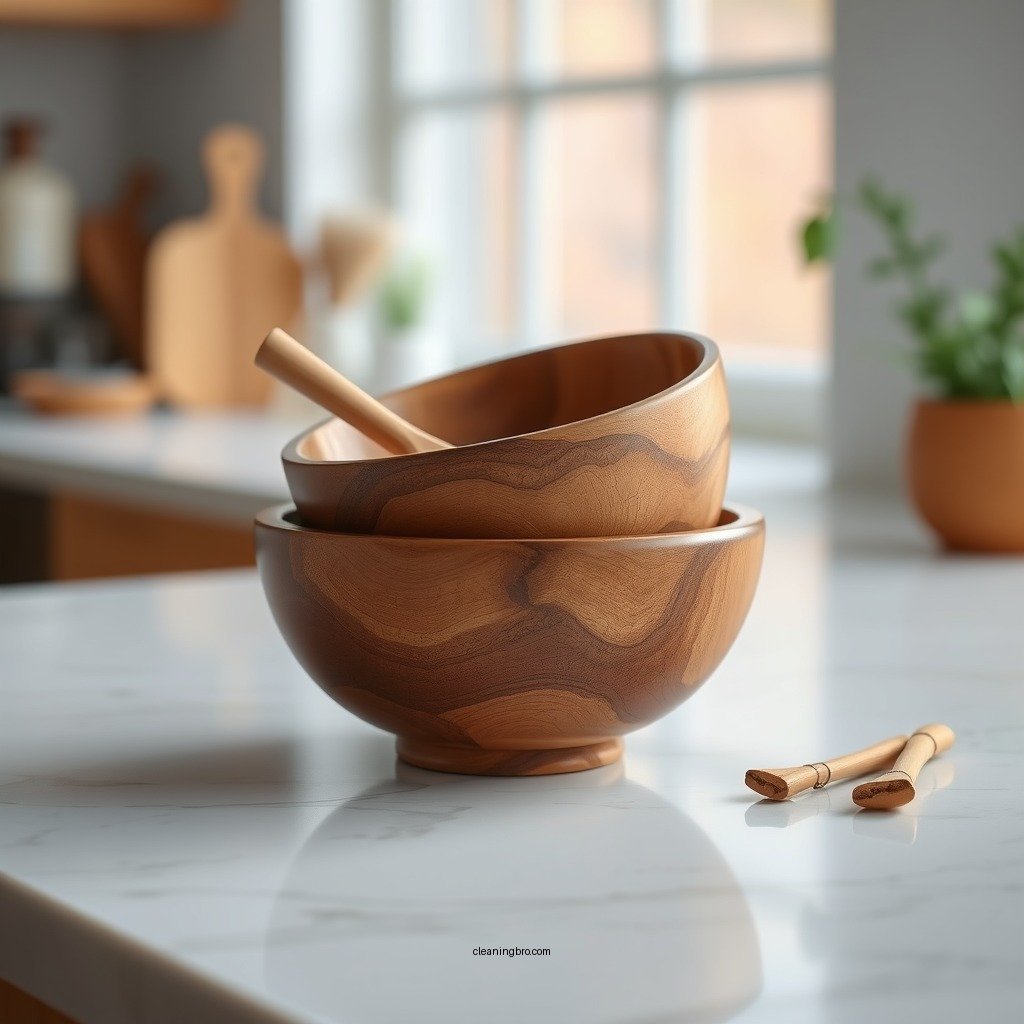
Cleaning wood bowls is a straightforward task that is essential for maintaining their beauty and longevity. By using natural cleaning methods and avoiding harsh chemicals, you can ensure that your wooden kitchenware remains in excellent condition. In this article, you will learn the best practices for cleaning and caring for your wooden bowls, including techniques for removing stains and odors, and tips for ongoing maintenance.
Understanding the Importance of Cleaning Wood Bowls
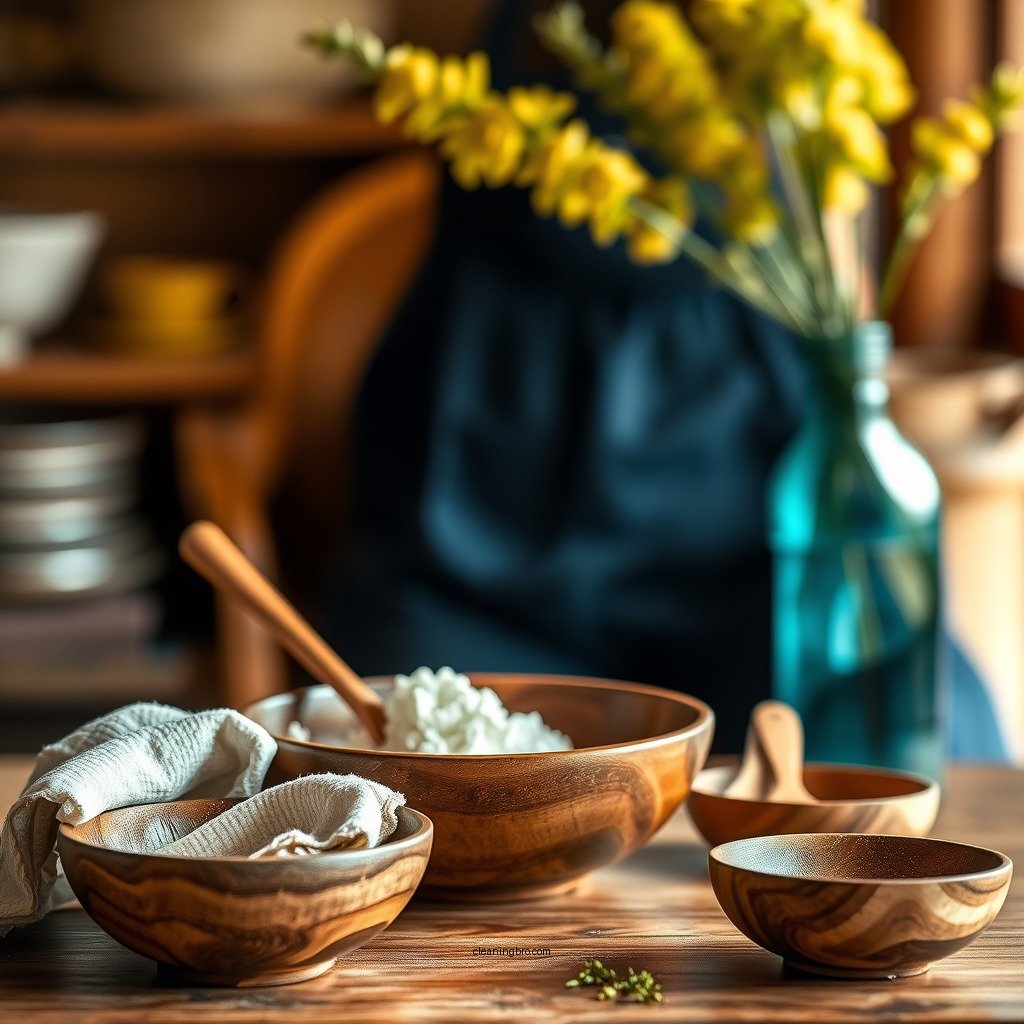
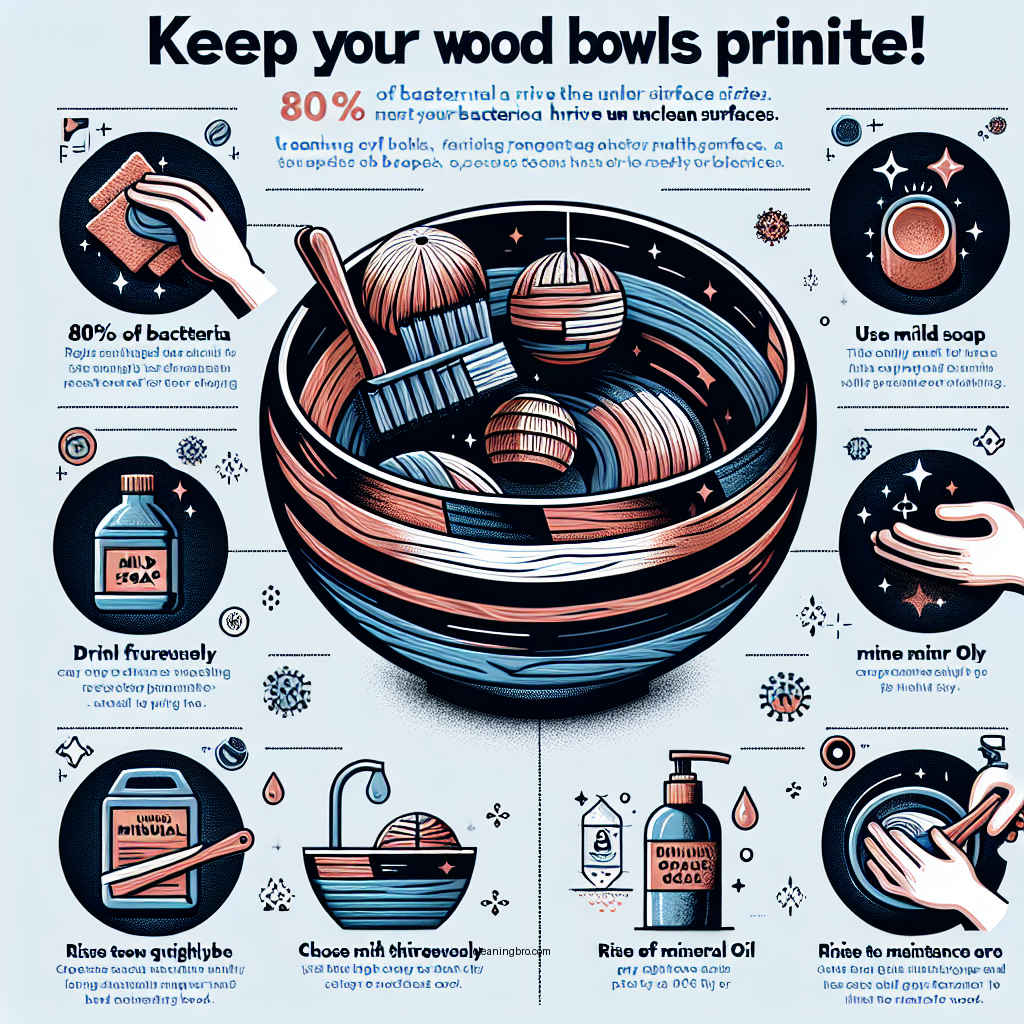
Regular cleaning of wooden bowls is crucial for several reasons. First, it prevents the buildup of food residue, which can lead to unpleasant odors and attract bacteria. Over time, food particles left on the surface can create a breeding ground for germs, compromising the hygiene of your kitchenware.
Moreover, proper maintenance extends the lifespan of your wooden bowls. Wood is a natural material that can crack, warp, or become discolored if not cared for properly. Routine cleaning helps preserve the wood’s integrity, ensuring that your bowls not only look good but also perform well for years to come.
In essence, cleaning your wooden bowls is not just about aesthetics; it is about ensuring a safe and durable kitchen tool.
Materials You Will Need
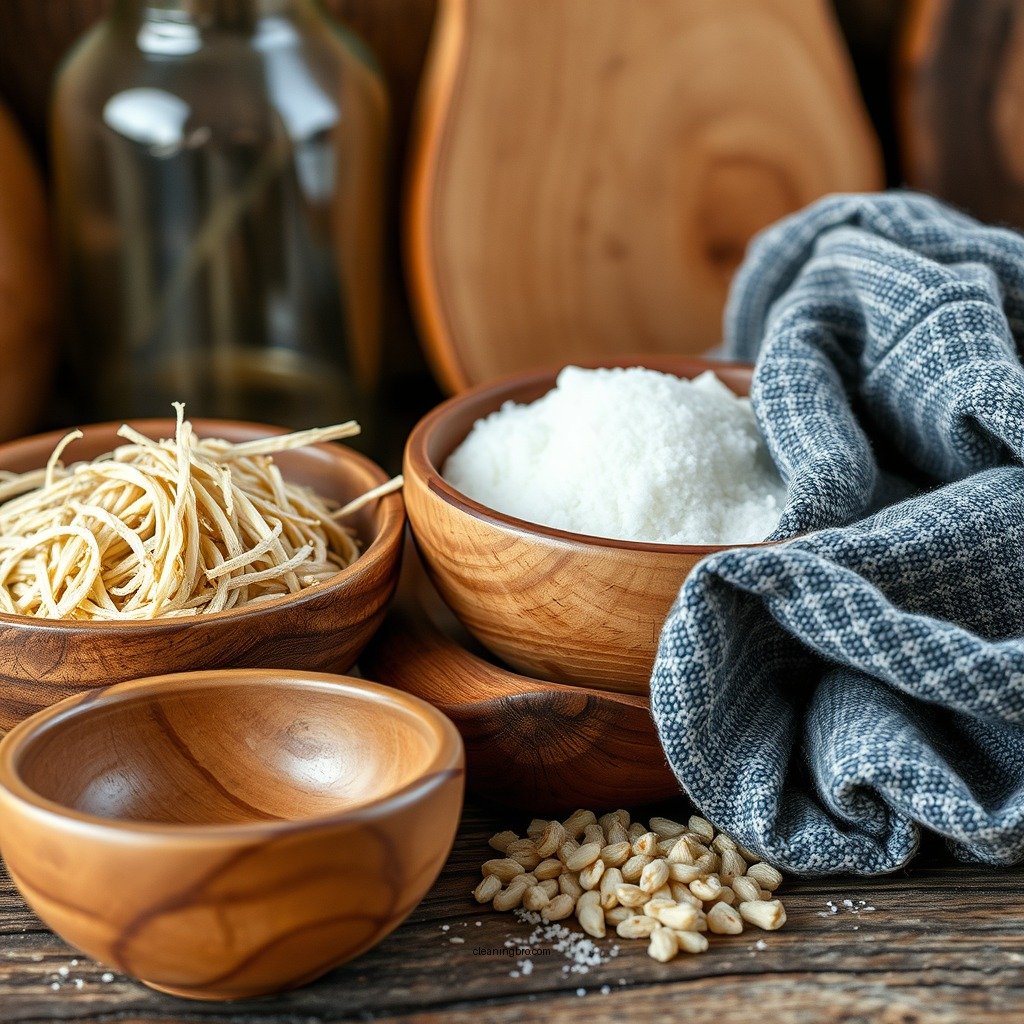
To clean your wooden bowls effectively, gather the following materials:
– Soft Sponge or Cloth: A soft sponge or cloth is essential to avoid scratching the wood. Avoid abrasive materials that can damage the surface.
– Mild Soap: Use a mild dish soap that is free from harsh chemicals. Alternatively, natural cleaning agents such as vinegar or baking soda can be effective.
– Warm Water: Warm water helps to loosen food particles and makes cleaning easier.
– Mineral Oil: This is essential for ongoing care to keep the wood hydrated and prevent drying out.
Having the right materials on hand can make the cleaning process smoother and more effective.
Step-by-Step Cleaning Process
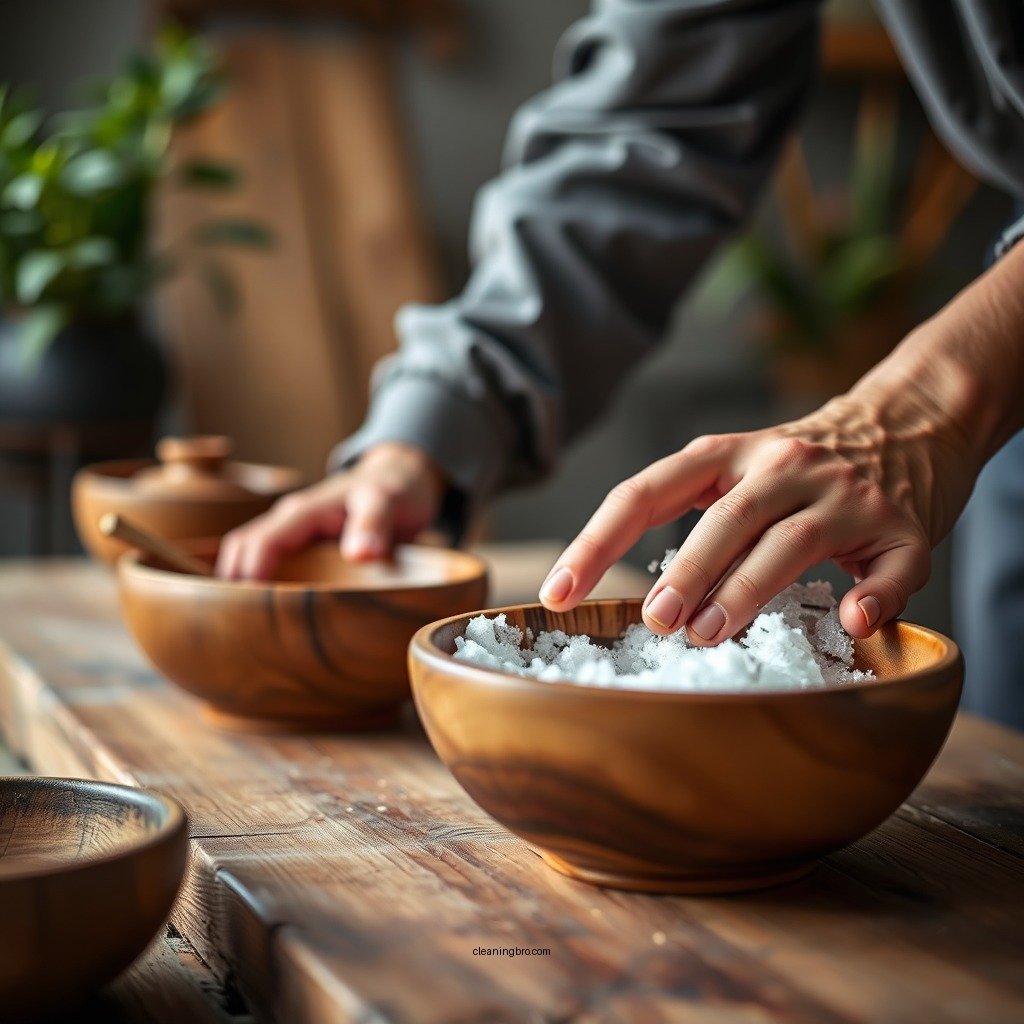
Cleaning your wooden bowls can be broken down into a few simple steps:
1. Rinse the Bowl: Start by rinsing the bowl with warm water to remove any loose food particles. This initial rinse will make the scrubbing process more effective.
2. Apply Mild Soap: Add a small amount of mild soap to your soft sponge. Gently scrub the bowl in circular motions, paying attention to any areas with stubborn residue.
3. Rinse Again: After scrubbing, rinse the bowl thoroughly with warm water to ensure all soap is removed. Residual soap can leave a film on the wood, affecting its appearance and taste.
4. Dry the Bowl: Pat the bowl dry with a clean cloth. Avoid air drying, as this can lead to water spots and damage the wood.
Following these steps will help maintain the beauty and functionality of your wooden bowls.
Top 7 Wood Bowl Cleaning Methods
| # | Method | Effectiveness | Ease of Use | Time Required |
|---|---|---|---|---|
| 1 | Warm Soapy Water | High | Easy | 5 minutes |
| 2 | Vinegar and Water | Moderate | Easy | 10 minutes |
| 3 | Baking Soda Paste | High | Moderate | 15 minutes |
| 4 | Lemon Juice and Salt | Moderate | Easy | 10 minutes |
| 5 | Olive Oil Treatment | High | Moderate | 5 minutes |
| 6 | Commercial Wood Cleaner | High | Easy | 5 minutes |
| 7 | Hydrogen Peroxide Solution | Moderate | Difficult | 20 minutes |
Drying and Storing Properly
After cleaning your wooden bowls, it’s crucial to dry and store them correctly to maintain their condition.
– Pat Dry: Use a clean, dry cloth to pat the bowl dry. Make sure to absorb as much moisture as possible to prevent water spots and potential warping.
– Air Drying: Place the bowl upside down on a drying rack to allow air circulation. Avoid setting it directly on a countertop where moisture can accumulate.
– Storage: Store your wooden bowls in a dry, well-ventilated area. Avoid damp or humid locations, as excessive moisture can lead to mold growth and warping.
Proper drying and storage will help keep your wooden bowls in pristine condition, ensuring they remain a cherished part of your kitchenware collection.
Dealing with Stains and Odors
Stains and odors can occasionally occur, especially when wooden bowls are used for strong-smelling or colorful foods. Here are some effective methods for tackling these issues:
– Baking Soda Paste: For stubborn stains, create a paste using baking soda and a small amount of water. Apply the paste to the stained area, gently scrub with a soft sponge, and rinse thoroughly.
– Lemon Juice: Lemon juice is a natural deodorizer and stain remover. Apply lemon juice to the stained area, let it sit for a few minutes, and then scrub gently before rinsing.
– Vinegar Solution: Mix equal parts of water and vinegar, then use this solution to wipe down the bowl. Rinse thoroughly afterward to remove any vinegar scent.
These methods not only remove stains and odors but also ensure that your wooden bowls remain safe for food use.
Cleaning Methods: Warm Soapy Water vs Vinegar & Water vs Baking Soda Paste
| Feature | ⭐ Warm Soapy Water | Vinegar & Water | Baking Soda Paste |
|---|---|---|---|
| Effectiveness on Stains | ✅ High | ✅ Moderate | ✅ High |
| Odor Removal | ✅ Moderate | ✅ High | ✅ Moderate |
| Ease of Use | ✅ Easy | ✅ Easy | ✅ Moderate |
| Time Required | ✅ 5 minutes | ✅ 10 minutes | ✅ 15 minutes |
| Effect on Wood | ✅ Safe | ✅ Safe | ✅ Safe |
| Cost | ✅ Low | ✅ Low | ✅ Moderate |
| Eco-Friendliness | ✅ High | ✅ High | ✅ High |
| User Rating | ★★★★☆ | ★★★☆☆ | ★★★★☆ |
| 🏆 Best For | Quick & Easy Cleaning | Odor Removal | Stain Removal |
Ongoing Care and Maintenance
To ensure the longevity of your wooden bowls, regular care is essential. Here are some key practices to adopt:
– Apply Mineral Oil: Regularly applying mineral oil helps keep the wood hydrated and prevents it from drying out or cracking. This should be done every few months or when the wood appears dull.
– Avoid Soaking: Never soak your wooden bowls in water or place them in the dishwasher. Prolonged exposure to water can warp the wood and affect its structural integrity.
– Store Properly: As mentioned earlier, store your bowls in a dry place. If possible, keep them away from direct sunlight, which can fade the wood and cause it to crack.
By incorporating these maintenance practices into your routine, you can significantly extend the life of your wooden bowls.
When to Seek Professional Help
While many maintenance tasks can be handled at home, there are instances when professional intervention is necessary:
– Deep Cracks or Splits: If you notice significant cracks or splits in your wooden bowls, it’s best to consult a professional. They can assess the damage and recommend repairs or restoration techniques.
– Extensive Wear: Over time, even the best-maintained wooden bowls can show signs of wear. A professional can help restore the wood’s finish and prevent further deterioration.
– Refinishing Needs: If your bowls have lost their luster, a professional can help refinish them, bringing back their original beauty and extending their usability.
Recognizing when to seek professional help can save your wooden bowls from irreversible damage, ensuring they remain a beautiful and functional part of your kitchen.
Maintaining your wooden bowls is manageable with the right techniques. By following these cleaning and care tips, you can ensure your bowls remain beautiful and functional for years to come. Don’t hesitate to implement these practices today to enjoy your wooden bowls at their best!
Frequently Asked Questions
How do I properly clean wood bowls after use?
To clean wood bowls, start by rinsing them with warm water immediately after use to prevent food from sticking. Use a soft sponge or cloth with mild dish soap to gently scrub the surface, avoiding abrasives that can damage the wood. Rinse thoroughly and dry with a clean towel to prevent warping.
What is the best way to remove stains from wood bowls?
The best way to remove stains from wood bowls is to create a paste using baking soda and water. Apply this paste to the stained area, let it sit for a few minutes, then gently scrub with a soft cloth. Rinse well and dry the bowl to restore its natural beauty.
Why should I avoid soaking wood bowls in water?
Soaking wood bowls in water can cause the wood to swell, warp, or crack over time. Wood is porous, and prolonged exposure to moisture can break down the natural oils that protect the wood. Instead, clean your bowls quickly and dry them immediately to maintain their integrity.
Which oils are best for conditioning wood bowls after cleaning?
Food-safe mineral oil and beeswax are the best options for conditioning wood bowls. These oils penetrate the wood, providing a protective barrier against moisture and preventing drying or cracking. Regular conditioning helps maintain the bowl’s appearance and prolongs its lifespan.
How often should I clean and maintain my wooden bowls?
You should clean your wooden bowls after each use and condition them with oil every few months, or when the wood looks dry. Regular maintenance not only keeps your bowls looking beautiful but also helps prevent bacteria buildup and prolongs their life. Make it a habit to check for any signs of wear and treat them promptly.
References
- https://en.wikipedia.org/wiki/Wooden_bowl
https://en.wikipedia.org/wiki/Wooden_bowl - https://www.britannica.com/plant/wood
https://www.britannica.com/plant/wood - https://www.nature.com/articles/s41598-021-83713-0
https://www.nature.com/articles/s41598-021-83713-0 - https://www.ncbi.nlm.nih.gov/pmc/articles/PMC5420800/
https://www.ncbi.nlm.nih.gov/pmc/articles/PMC5420800/ - https://www.sciencedirect.com/science/article/pii/S0304416519300499
https://www.sciencedirect.com/science/article/pii/S0304416519300499 - https://www.mayoclinic.org/healthy-lifestyle/consumer-health/in-depth/cleaning-wooden-kitchenware/art-20045531
https://www.mayoclinic.org/healthy-lifestyle/consumer-health/in-depth/cleaning-wooden-kitchenware/art-20045531 - Google Scholar Google Scholar
https://scholar.google.com/scholar?q=how+to+clean+wood+bowl - Google Scholar Google Scholar
https://scholar.google.com/scholar?q=cleaning+wood+utensils - Google Scholar Google Scholar
https://scholar.google.com/scholar?q=maintenance+of+wooden+bowls - https://www.woodmagazine.com/materials-guide/finishes/cleaning-wooden-bowls-and-utensils
https://www.woodmagazine.com/materials-guide/finishes/cleaning-wooden-bowls-and-utensils