How to Clean Wooden Blocks: Step-by-Step Guide
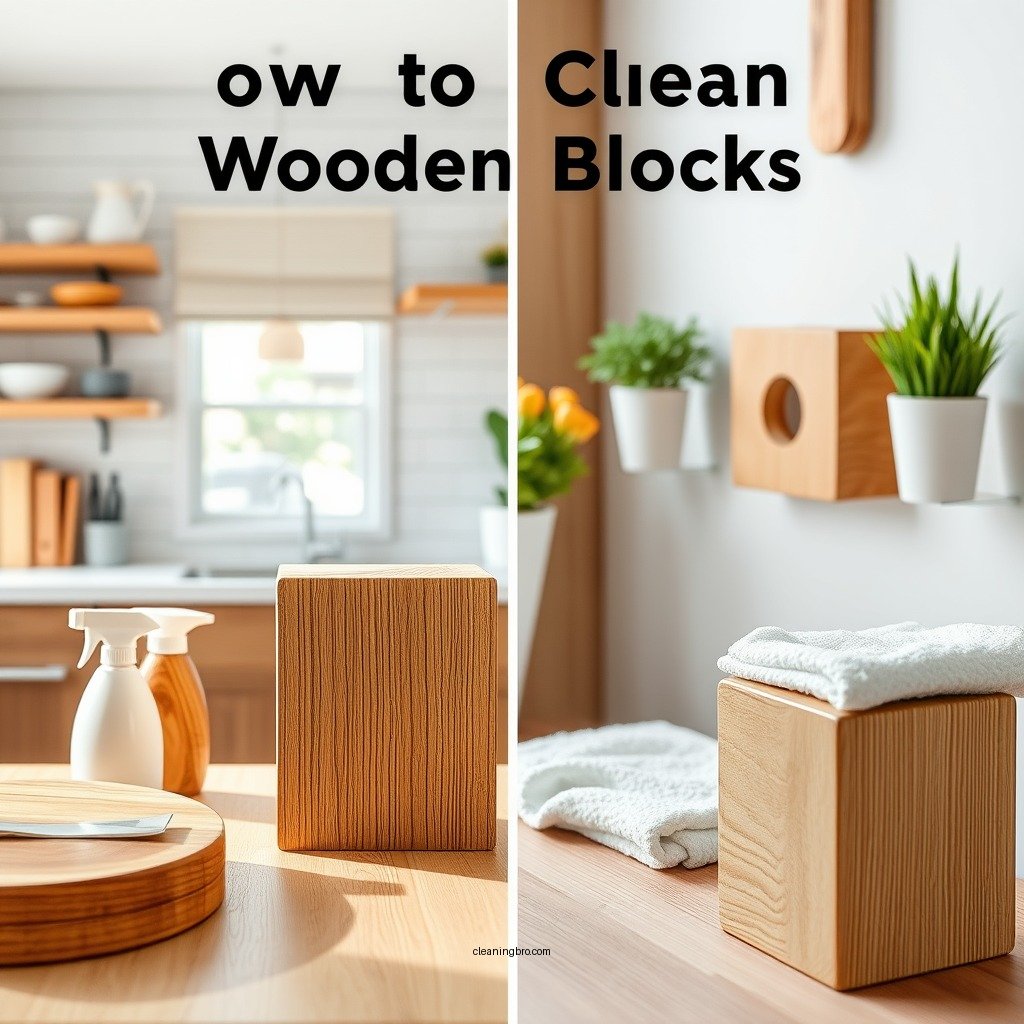
Cleaning wooden blocks is simple and effective when done correctly. To maintain their appearance and hygiene, you can use a few basic cleaning methods. In this article, you will learn the best techniques and materials for keeping your wooden blocks in pristine condition, ensuring they are safe for use and free from dirt and bacteria.
Understanding the Material
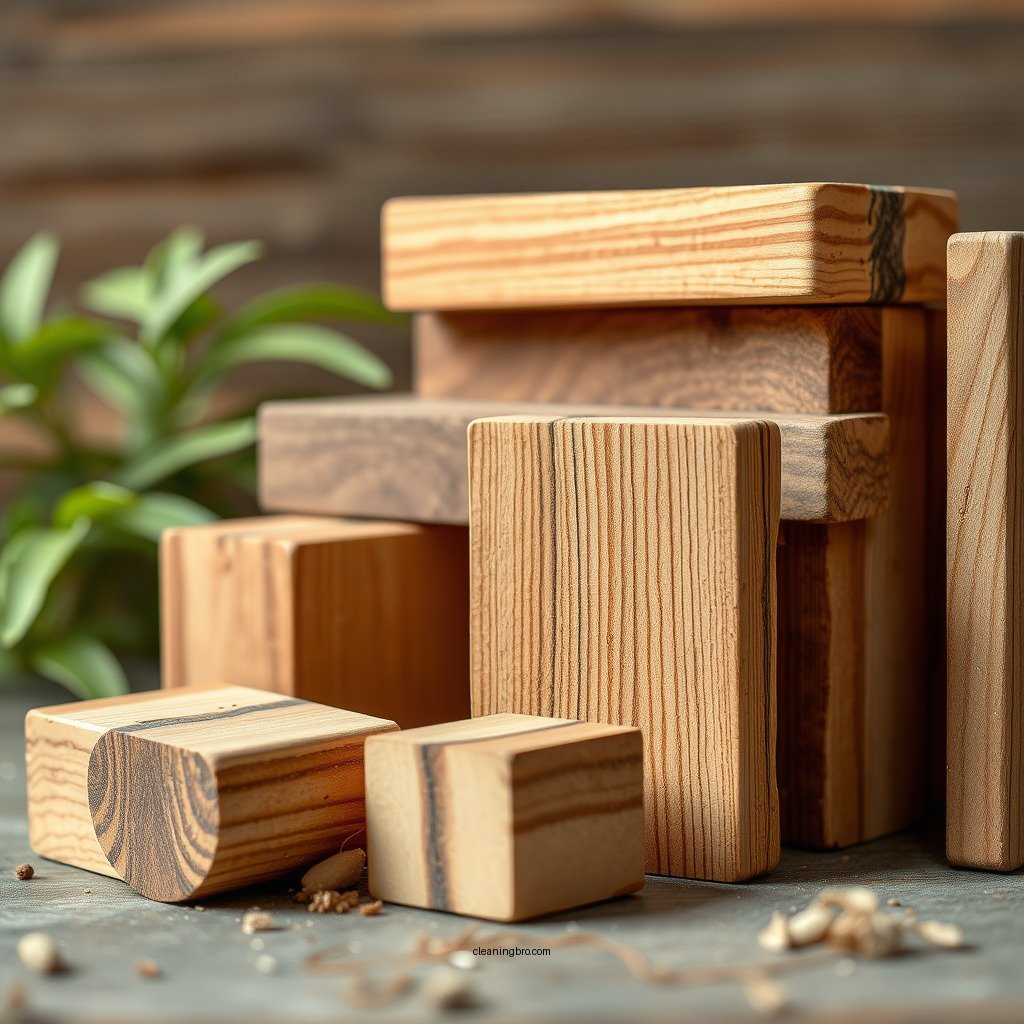
Wooden blocks are typically made from various types of wood, including maple, birch, and pine. Each type of wood has its unique characteristics, which can impact the cleaning methods you choose. For instance, softer woods like pine may be more susceptible to scratching and denting, while harder woods like maple are generally more durable.
Additionally, wooden blocks might be treated with different finishes, such as oil, lacquer, or varnish. Understanding the finish is crucial because it determines how you should clean and care for your blocks. For example, oiled finishes require gentle cleaning methods to avoid stripping the oil, while varnished surfaces can withstand slightly more vigorous cleaning. Always check the manufacturer’s guidelines or product descriptions, if available, to ensure you are using appropriate methods for your specific wooden blocks.
Basic Cleaning Supplies
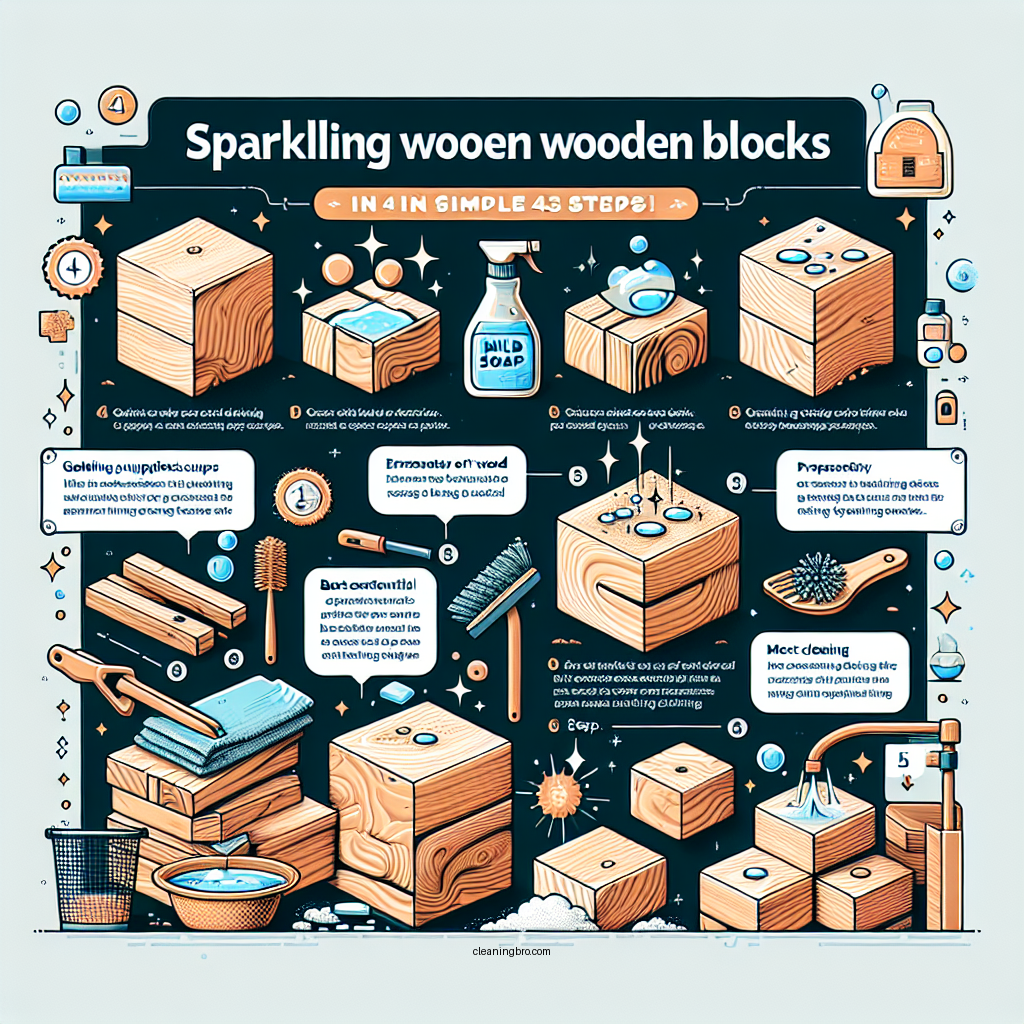
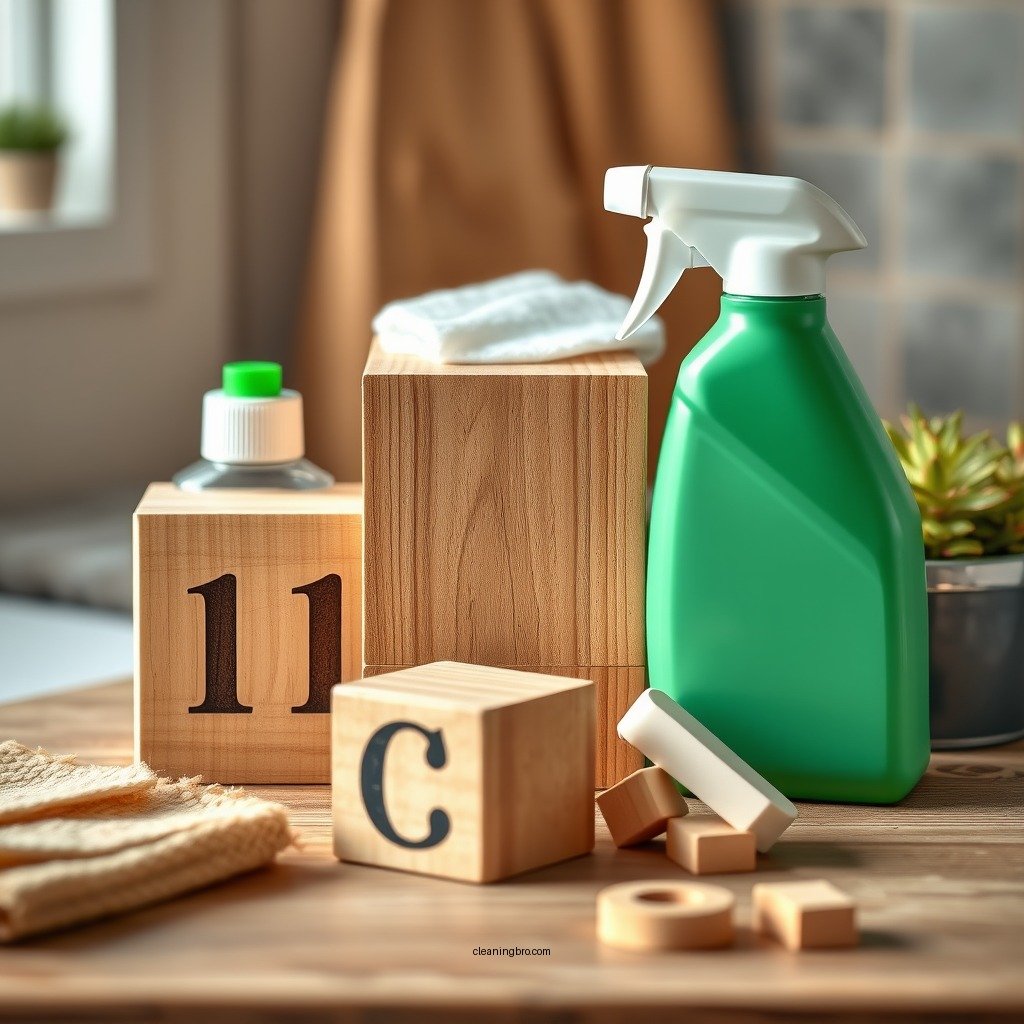
To keep your wooden blocks clean, you will need a few essential supplies. Start by gathering the following items:
– Mild soap: Use a gentle dish soap or a specifically formulated wood cleaner that is free from harsh chemicals.
– Warm water: Ensure the water is not too hot, as extreme temperatures can warp the wood.
– Soft cloths: Microfiber cloths are ideal for cleaning without scratching the surface.
– Optional natural cleaners: Vinegar or lemon juice can be used as eco-friendly alternatives to commercial cleaners, as they help eliminate odors and provide antibacterial properties.
Having these supplies at hand will make the cleaning process efficient and straightforward.
Step-by-Step Cleaning Process
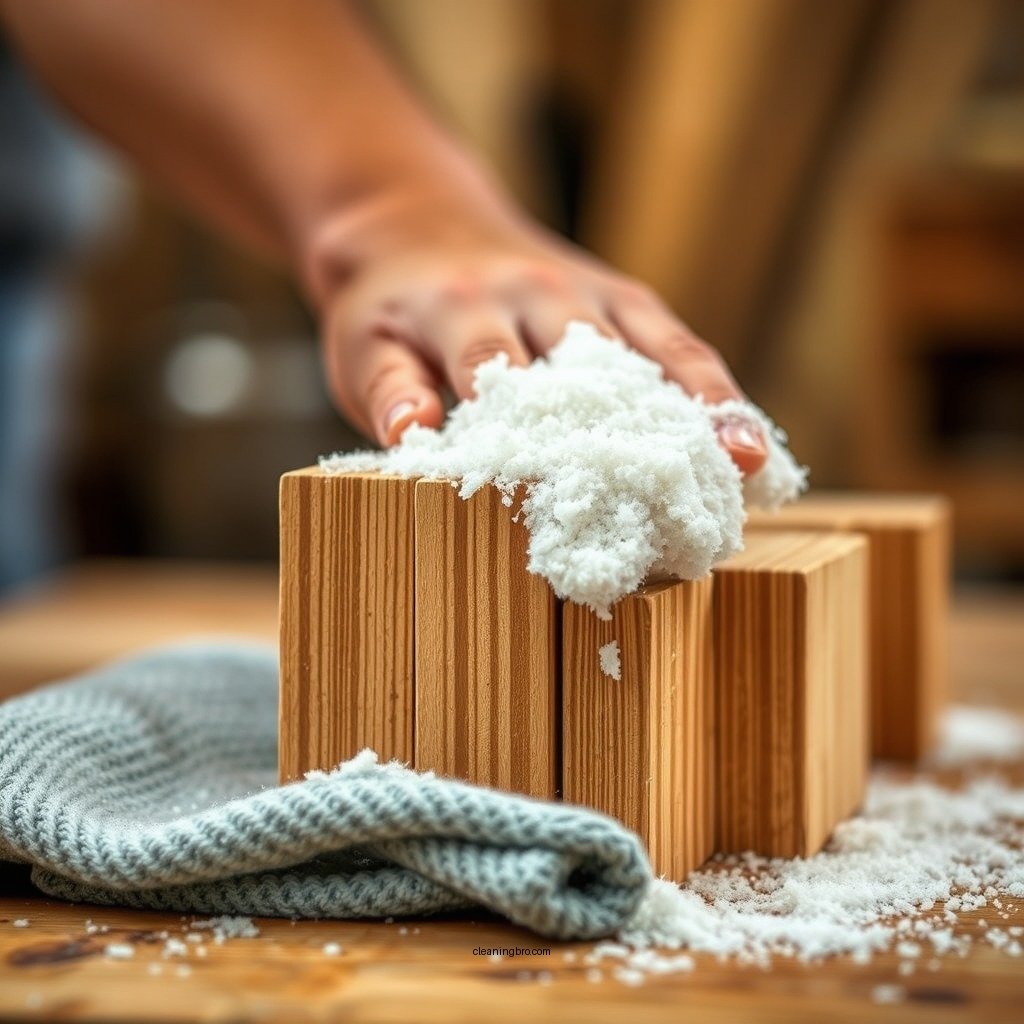
To effectively clean your wooden blocks, follow this simple step-by-step process:
1. Remove Loose Dirt and Debris: Start with a dry cloth to wipe off any loose dirt, crumbs, or debris. This step is crucial as it prevents scratching the surface during the cleaning process.
2. Prepare Cleaning Solution: In a small bowl, mix a few drops of mild soap with warm water. Avoid soaking the cloth; instead, dampen it with the solution to ensure the blocks do not absorb excess moisture.
3. Wipe Down the Blocks: Using the damp cloth, gently wipe down each block, ensuring to cover all surfaces, including edges and corners. Pay extra attention to any areas that appear particularly dirty or stained.
4. Rinse: After cleaning, use a separate damp cloth with plain warm water to wipe away any soap residue.
5. Dry Immediately: Use a dry, soft cloth to thoroughly dry the blocks right after cleaning to prevent moisture from seeping into the wood.
6. Inspect: Finally, check each block for any remaining stains or issues before storing them away.
Common Types of Wood for Wooden Blocks
| # | Wood Type | Durability | Maintenance Level | Common Uses |
|---|---|---|---|---|
| 1 | Maple | High | Low | Toys, puzzles |
| 2 | Birch | Medium | Medium | Educational blocks |
| 3 | Pine | Low | High | Crafts, decor |
| 4 | Oak | Very High | Low | Furniture, toys |
| 5 | Walnut | High | Medium | Luxury items |
| 6 | Teak | Very High | Low | Outdoor furniture |
| 7 | Cherry | High | Low | Cabinetry |
Dealing with Stains and Odors
Even with regular cleaning, wooden blocks can develop stubborn stains or unpleasant odors over time. Here are a few effective methods to tackle these issues:
1. Stubborn Stains: For tough stains, create a paste using baking soda and water. Apply this paste to the stain and gently scrub with a soft cloth. Baking soda acts as a mild abrasive that can lift stains without damaging the wood. Rinse off the residue with a damp cloth and dry thoroughly.
2. Eliminating Odors: To combat odors, sprinkle a thin layer of baking soda over the wooden blocks and let it sit for several hours or overnight. Baking soda is known for its odor-absorbing properties. Afterward, wipe clean with a damp cloth and dry properly.
3. Vinegar Solution: For an additional cleaning boost, mix equal parts of water and white vinegar in a spray bottle. Lightly mist the blocks and wipe them down with a soft cloth. Vinegar helps to sanitize and deodorize the wood, making it a great natural alternative.
Drying and Storing Wooden Blocks
Proper drying and storage are crucial to maintaining the integrity of your wooden blocks. Follow these guidelines:
– Drying: After cleaning, ensure that all blocks are completely dry before storing them. Any residual moisture can lead to mold growth or warping over time. Use a dry cloth to absorb any leftover moisture and allow the blocks to air dry in a well-ventilated area.
– Storage: Store wooden blocks in a cool, dry place away from direct sunlight. UV rays can cause the wood to fade and crack over time. Consider using a dedicated storage container or cloth bag for additional protection. Avoid stacking blocks in a way that may cause them to become misshapen.
Regular Maintenance Tips
To prolong the life of your wooden blocks, regular maintenance is essential. Here are some effective strategies:
– Frequent Cleaning: Aim to clean your wooden blocks at least once a month or more often if they are heavily used. Regular cleaning prevents the buildup of dirt and bacteria, ensuring the blocks remain safe for play or use.
– Oiling: Periodically apply food-safe mineral oil to your wooden blocks. This practice nourishes the wood, preventing it from drying out and cracking. A good rule of thumb is to oil the blocks every few months, or more frequently if they appear dry.
– Avoiding Moisture: Keep wooden blocks away from water and excessive humidity. If they do come into contact with water, dry them immediately to minimize damage.
Cleaning Products for Wooden Blocks
| Feature | ⭐ Mild Soap | Vinegar Solution | Baking Soda Paste |
|---|---|---|---|
| Effectiveness | ✅ General cleaning | ✅ Odor removal | ✅ Stain removal |
| Natural | ✅ Yes | ✅ Yes | ✅ Yes |
| Ease of Use | ✅ Simple | ✅ Simple | ✅ Simple |
| Cost | Low | Low | Very Low |
| Residue | ✅ Minimal | ✅ None | ✅ Some |
| Application | Damp cloth | Spray or cloth | Paste |
| Drying Time | Quick | Quick | Quick |
| Suitable for Children | ✅ Yes | ✅ Yes | ✅ Yes |
| Environmental Impact | ✅ Low | ✅ Low | ✅ Very Low |
| 🏆 Best For | General Cleaning | Odor Elimination | Stain Removal |
Keeping your wooden blocks clean and well-maintained is essential for their longevity and safety. Follow these steps regularly to ensure they remain in good condition. Don’t forget to share your cleaning tips or experiences in the comments below!
Frequently Asked Questions
What is the best way to clean wooden blocks without damaging them?
The best way to clean wooden blocks is to use a soft cloth dampened with a mixture of mild soap and water. Avoid soaking the blocks, as excess moisture can warp the wood. After wiping, dry the blocks thoroughly with a clean, dry cloth to prevent any water damage.
How often should I clean my wooden blocks?
You should clean your wooden blocks regularly, ideally after each use, especially if they are used for food-related purposes. For decorative or children’s blocks, a thorough cleaning every few weeks is sufficient to keep them looking fresh and to minimize the buildup of dust and germs.
Why is it important to avoid harsh chemicals when cleaning wooden blocks?
Avoiding harsh chemicals when cleaning wooden blocks is crucial because these substances can strip the wood of its natural oils, leading to dryness and cracking. Additionally, some chemicals may leave harmful residues that can be unsafe for children or pets who might come into contact with the blocks.
Which cleaning solution is safe for wooden blocks used for food preparation?
A safe cleaning solution for wooden blocks used for food preparation is a mixture of vinegar and water, or a mild dish soap diluted in water. These natural cleaners effectively disinfect without leaving harmful residues. Always ensure to rinse and dry the blocks thoroughly after cleaning to maintain their integrity.
What should I do if my wooden blocks have developed stains or odors?
If your wooden blocks have developed stains or odors, you can clean them with a paste made from baking soda and water, gently scrubbing the affected areas. For persistent odors, soaking the blocks in vinegar for a few minutes and then rinsing can help eliminate smells. Always dry the blocks completely after cleaning to prevent moisture damage.
References
- https://www.woodmagazine.com/materials-guide/finishes/how-to-clean-wood
https://www.woodmagazine.com/materials-guide/finishes/how-to-clean-wood - https://www.cdc.gov/healthywater/drinking/cleaning.html
https://www.cdc.gov/healthywater/drinking/cleaning.html - https://www.nytimes.com/2020/06/22/realestate/how-to-clean-wood-furniture.html
https://www.nytimes.com/2020/06/22/realestate/how-to-clean-wood-furniture.html - https://www.bbc.co.uk/news/magazine-34827476
https://www.bbc.co.uk/news/magazine-34827476 - https://www.mayoclinic.org/healthy-lifestyle/adult-health/in-depth/cleaning-tips/art-20045805
https://www.mayoclinic.org/healthy-lifestyle/adult-health/in-depth/cleaning-tips/art-20045805 - Google Scholar Google Scholar
https://scholar.google.com/scholar?q=how+to+clean+wooden+blocks - Google Scholar Google Scholar
https://scholar.google.com/scholar?q=cleaning+wooden+toys - Google Scholar Google Scholar
https://scholar.google.com/scholar?q=wood+cleaning+methods - https://www.sciencedirect.com/topics/earth-and-planetary-sciences/wood-cleaning
https://www.sciencedirect.com/topics/earth-and-planetary-sciences/wood-cleaning - how to clean wooden blocks – Search results
https://en.wikipedia.org/wiki/Special:Search?search=how+to+clean+wooden+blocks