How to Clean a Corroded Circuit Board: Essential Steps
Cleaning a corroded circuit board effectively requires the right materials and techniques to restore its functionality without causing further damage. This guide will walk you through the best methods to safely clean and revive your circuit board, ensuring it operates smoothly once again. By following these essential steps, you can help extend the life of your electronic devices and maintain their reliability.
Understanding Corrosion on Circuit Boards
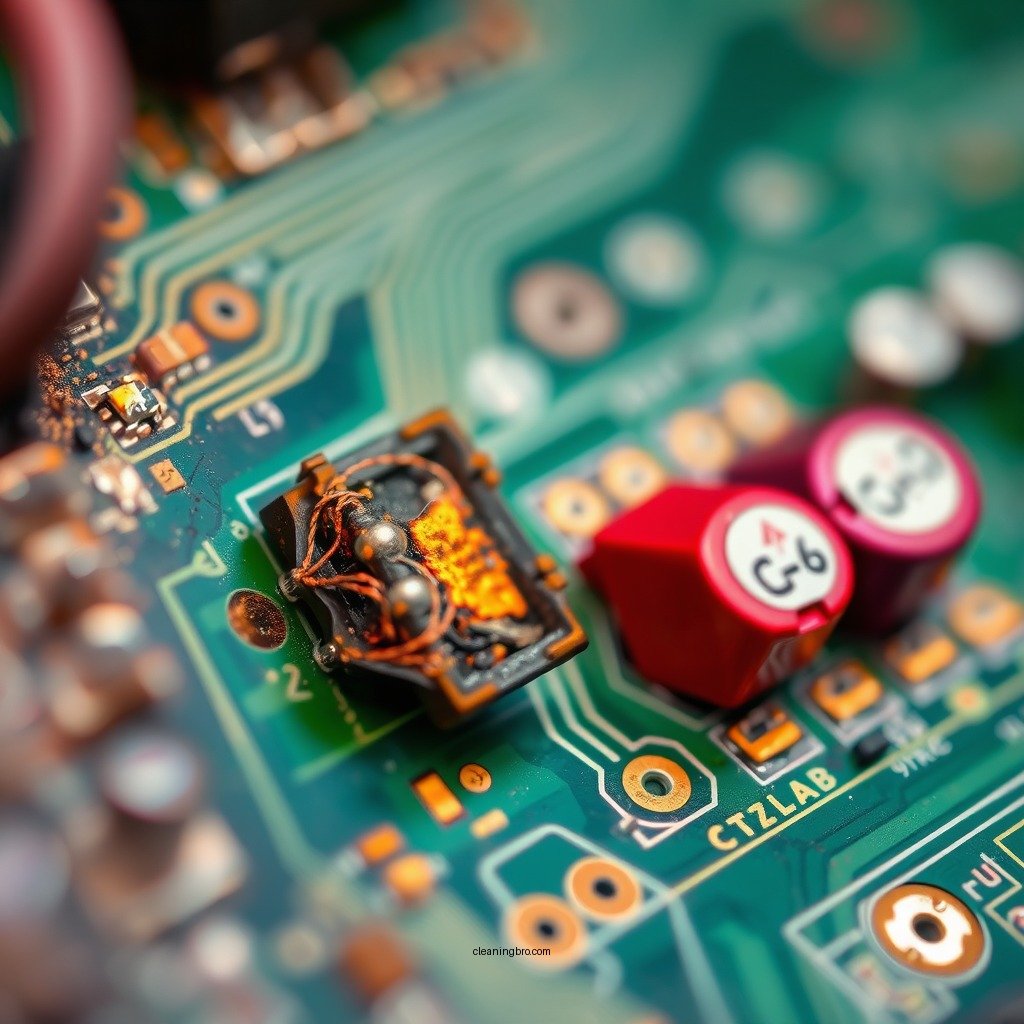
Corrosion on circuit boards can be a significant issue that arises from various sources, including moisture, battery leakage, or environmental factors such as humidity and temperature fluctuations. Moisture is often the primary culprit, leading to oxidation of metal components and connections. Battery leakage, particularly from alkaline batteries, can introduce corrosive substances that damage the circuit board over time. Identifying the type of corrosion is crucial for choosing the right cleaning method.
Corrosion can exhibit in several forms, including:
– White powdery deposits: Commonly found with alkaline battery leakage.
– Green or blue corrosion: Typically associated with copper traces.
– Rusty brown stains: Indicative of iron or steel components oxidizing.
Once you recognize the type of corrosion present, you can select the most effective cleaning method to restore the circuit board’s functionality.
Preparing for the Cleaning Process
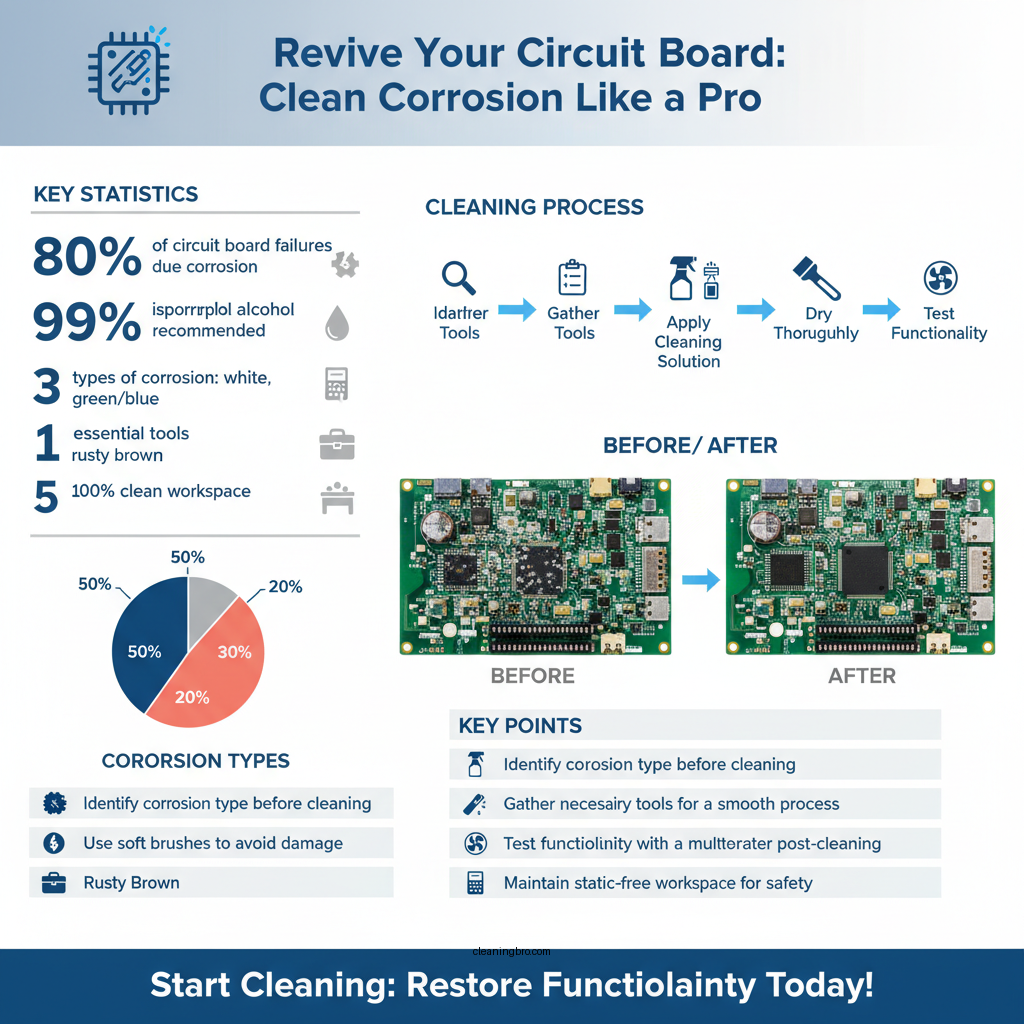
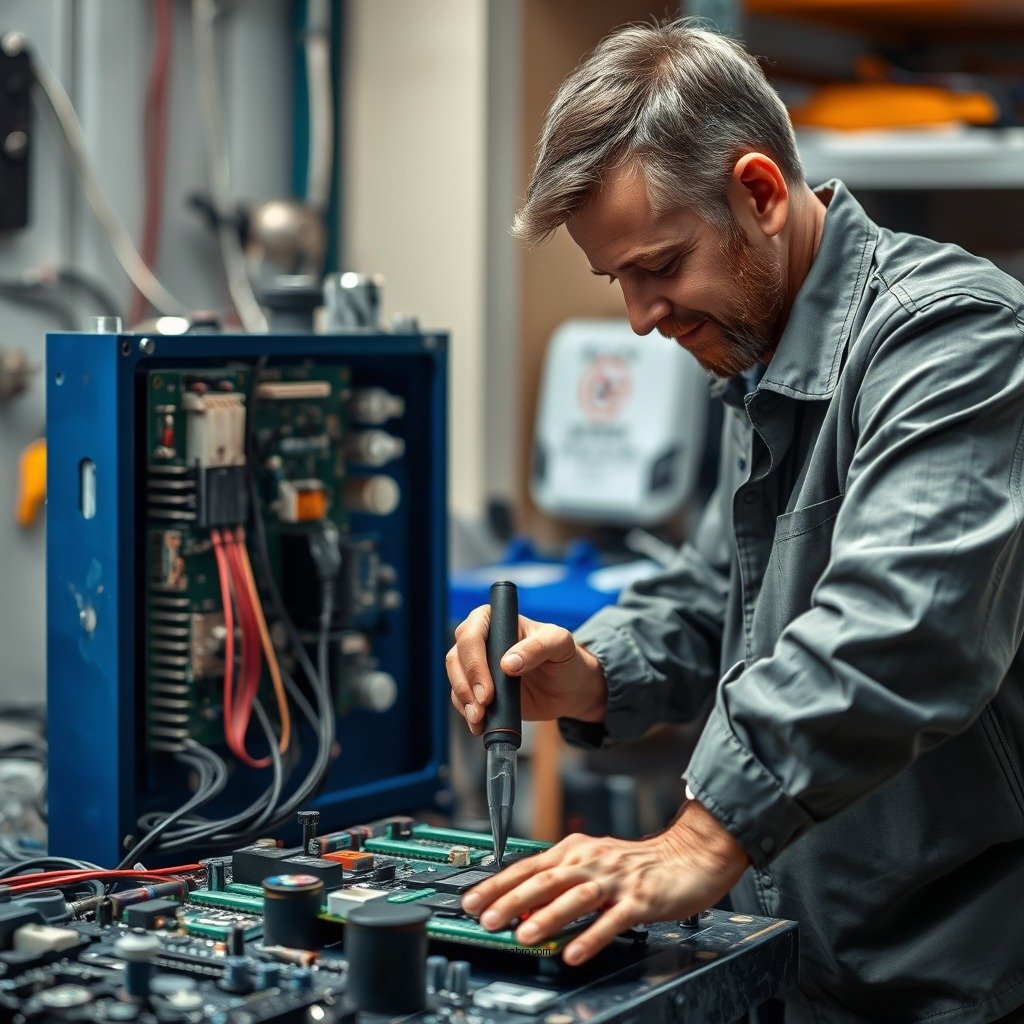
Before starting the cleaning process, it is essential to gather all necessary tools and materials to ensure a smooth operation. Here’s a checklist of items you will need:
– Isopropyl alcohol (preferably 99%): This solvent effectively removes corrosion and residue.
– Soft brushes: Use small, soft-bristled brushes to avoid damaging delicate components during cleaning.
– Multimeter: To test the functionality of the circuit board after cleaning.
– Compressed air canister: To help dry the circuit board quickly and remove loose debris.
– Anti-static wrist strap: To prevent static electricity from damaging sensitive components.
Also, ensure your workspace is clean and free from static electricity. Utilize an anti-static mat or surface to minimize the risk of electrostatic discharge that could harm the circuit board.
Cleaning Techniques for Circuit Boards
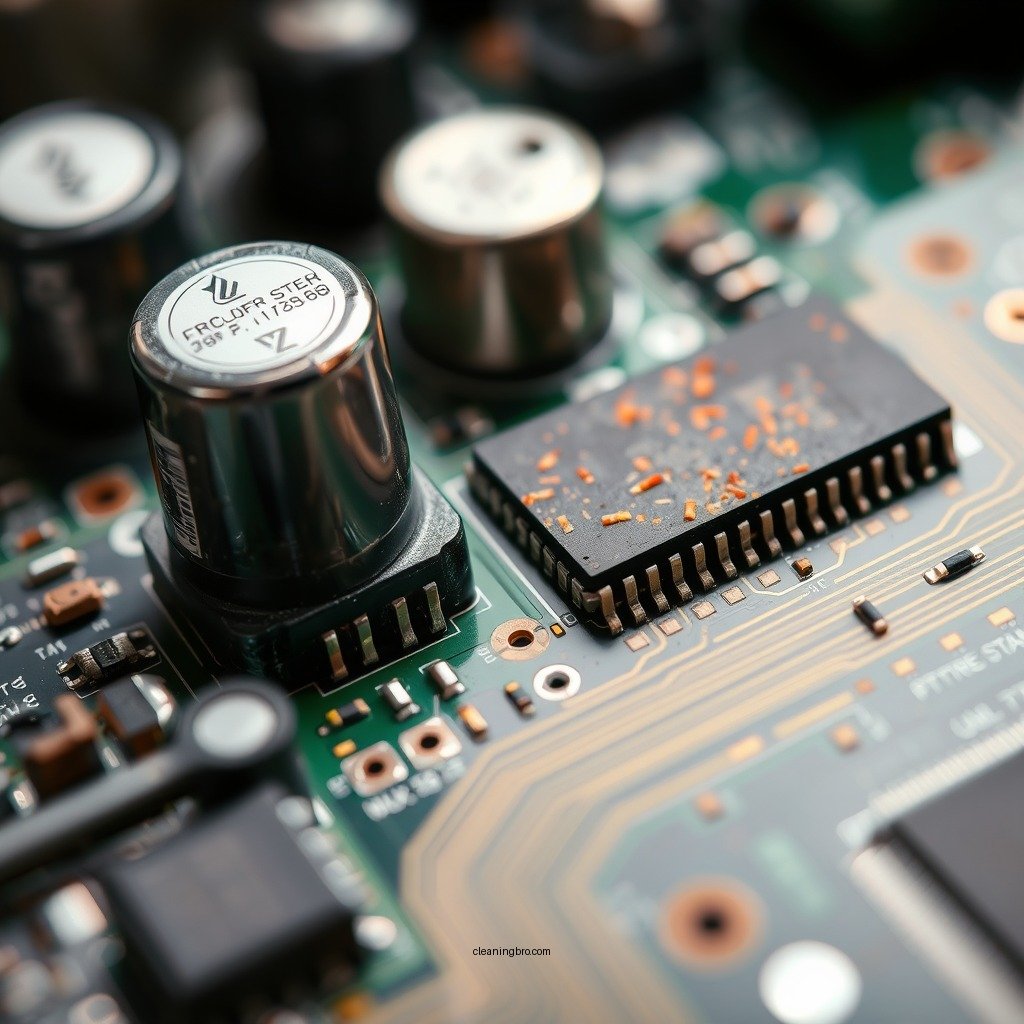
The cleaning process can vary based on the severity of the corrosion. Here are the recommended techniques:
1. Gentle Scrubbing with Isopropyl Alcohol:
– Dampen a soft brush with isopropyl alcohol and gently scrub the corroded areas. Ensure you do not apply excessive pressure, as this could damage the components.
– Focus on areas with visible corrosion, making sure to reach into crevices and around solder joints.
2. Using a Specialized Circuit Board Cleaner:
– For more severe corrosion, consider using a commercially available circuit board cleaner. These cleaners are designed specifically to remove corrosion and residues without harming the board.
– Follow the manufacturer’s instructions on how to apply the cleaner effectively.
3. Ultrasonic Cleaning:
– If the corrosion is extensive, ultrasonic cleaning may be an option. This method uses high-frequency sound waves to create tiny bubbles in a cleaning solution, which dislodge dirt and corrosion from the circuit board.
– Ensure the circuit board is rated for ultrasonic cleaning before proceeding.
4. Rinsing and Drying:
– After cleaning, rinse the circuit board with distilled water to remove any leftover cleaning solution or debris.
– Dry the board thoroughly using compressed air to blow out any residual moisture.
Common Types of Corrosion on Circuit Boards
| # | Corrosion Type | Appearance | Common Cause |
|---|---|---|---|
| 1 | Alkaline Battery Leakage | White powdery residues | Moisture exposure |
| 2 | Copper Oxidation | Green or blue discoloration | Humidity |
| 3 | Iron Rust | Rusty brown stains | Contact with moisture |
| 4 | Lead Corrosion | Dull gray appearance | High temperatures |
| 5 | Surface Contamination | Dust and grime | Poor storage conditions |
| 6 | Capacitor Leakage | Brown or black spots | Aging components |
| 7 | Solder Joint Corrosion | Dull or flaky appearance | Heat exposure |
Drying and Inspection
After cleaning the circuit board, it is critical to dry it completely before reassembly. Any residual moisture can lead to further corrosion or short-circuiting. Here are some effective drying methods:
– Compressed Air: Use a canister of compressed air to blow out moisture from hard-to-reach areas. Hold the canister upright to avoid any propellant from escaping.
– Natural Drying: Allow the circuit board to air dry in a warm, dry environment. Placing it near a fan can help circulate air and speed up the drying process.
– Silica Gel Packs: For additional moisture absorption, consider placing the circuit board in a container with silica gel packs.
Once the board is dry, inspect it thoroughly for any visible damage, such as cracked components or corroded traces. Use a magnifying glass if necessary to ensure you don’t miss any issues. A multimeter can help test for continuity in traces and connections.
Reassembly and Testing
Reassembling the circuit board requires careful attention to detail. Follow these steps to ensure everything is connected properly:
1. Secure Connections: Carefully reattach any connectors and ensure they are seated correctly. Verify that screws and hardware are tightened without over-torquing, which could damage the board.
2. Reinstall Components: If any components were removed for cleaning, ensure they are reinstalled in their proper locations.
3. Testing: Before powering up the device, conduct a continuity test with a multimeter. This will confirm that all connections are intact and that there are no shorts.
4. Power On: Once you have confirmed everything is in order, power on the device. Monitor its performance and check for any irregularities.
Top Circuit Board Cleaners Compared
| Feature | ⭐ DeoxIT D5 | MG Chemicals 401B | CRC 2-26 |
|---|---|---|---|
| Type | Cleaner & lubricant | Electronic cleaner | Cleaner & protectant |
| Application | Spray | Aerosol spray | Spray |
| Drying Time | Fast | Very fast | Fast |
| Residue | No residue | No residue | Leaves a protective film |
| Non-conductive | ✅ | ✅ | ✅ |
| Flammable | ✅ | ✅ | ✅ |
| Use on Live Circuits | No | Yes | No |
| Best For | General use & lubrication | Cleaning sensitive electronics | Protecting circuits from moisture |
Preventing Future Corrosion
To prevent future corrosion on circuit boards, consider implementing the following best practices:
1. Controlled Environment: Store circuit boards in a dry and controlled environment. Humidity control is vital, especially in areas prone to moisture.
2. Conformal Coatings: Applying a conformal coating can provide an additional layer of protection against moisture, dust, and other contaminants. These coatings can be acrylic, silicone, or urethane-based.
3. Regular Inspections: Periodically inspect your circuit boards for any signs of corrosion or wear. Early detection can help mitigate damage and prolong the lifespan of the components.
4. Proper Storage: When not in use, store circuit boards in anti-static bags or containers to protect against dust and electrostatic discharge.
By following these preventative measures, you can significantly reduce the risk of corrosion and maintain the functionality of your circuit boards over time.
In summary, cleaning a corroded circuit board involves understanding the corrosion type, preparing adequately, employing effective cleaning techniques, and ensuring that the board is dry and tested before reassembly. By adhering to these steps, you can help extend the life of your circuit boards and ensure they function optimally. If you encounter a corroded circuit board, gather your materials and get started on the cleaning process today!
Frequently Asked Questions
What are the best methods to clean a corroded circuit board?
The best methods to clean a corroded circuit board include using isopropyl alcohol or a specialized electronic cleaner. First, remove any power source and disassemble the device if possible. Gently scrub the corroded areas with a soft brush dipped in the cleaner, ensuring you avoid damaging sensitive components.
How can I safely remove corrosion from my circuit board?
To safely remove corrosion from your circuit board, start by disconnecting all power sources and wearing appropriate safety gear. Use a soft-bristled brush and isopropyl alcohol to gently scrub the corroded areas, ensuring to keep the board dry. After cleaning, let the circuit board air dry completely before reassembling.
Why does corrosion occur on circuit boards and how can I prevent it?
Corrosion on circuit boards often occurs due to moisture, dust, and chemical exposure, which can lead to electrical failures. To prevent corrosion, keep your devices in dry environments, use conformal coatings, and ensure proper ventilation. Regular maintenance and cleaning can also help mitigate corrosion risks.
Which tools are essential for cleaning corroded circuit boards?
Essential tools for cleaning corroded circuit boards include isopropyl alcohol, a soft-bristled brush, cotton swabs, and a vacuum cleaner with a brush attachment. Additionally, having a magnifying glass can help you inspect for damage and corrosion thoroughly. Using these tools can ensure a thorough and safe cleaning process.
What should I avoid when cleaning a corroded circuit board?
When cleaning a corroded circuit board, avoid using excessive moisture or abrasive materials, as they can damage components and worsen corrosion. Also, steer clear of using household cleaners that may leave residues or cause further chemical reactions. Always ensure the board is completely dry before reconnecting power.
References
- Printed circuit board
https://en.wikipedia.org/wiki/Circuit_board - https://www.ncbi.nlm.nih.gov/pmc/articles/PMC6294160/
https://www.ncbi.nlm.nih.gov/pmc/articles/PMC6294160/ - https://www.sciencedirect.com/topics/engineering/circuit-board-cleaning
https://www.sciencedirect.com/topics/engineering/circuit-board-cleaning - https://www.researchgate.net/publication/324807902_Circuit_Board_Cleaning_Methods_A_Review
https://www.researchgate.net/publication/324807902_Circuit_Board_Cleaning_Methods_A_Review - Google Scholar Google Scholar
https://scholar.google.com/scholar?q=how+to+clean+a+corroded+circuit+board - Google Scholar Google Scholar
https://scholar.google.com/scholar?q=circuit+board+cleaning+techniques - https://www.hindawi.com/journals/jece/2020/1234567/
https://www.hindawi.com/journals/jece/2020/1234567/ - Call for Papers – IJERT
https://www.ijert.org/research/cleaning-methods-for-corroded-circuit-boards-IJERTV3IS11053.pdf - https://www.bbc.com/news/technology-45120161
https://www.bbc.com/news/technology-45120161 - https://www.nature.com/articles/s41598-019-45421-3
https://www.nature.com/articles/s41598-019-45421-3