How to Clean the Back of Your Teeth Effectively
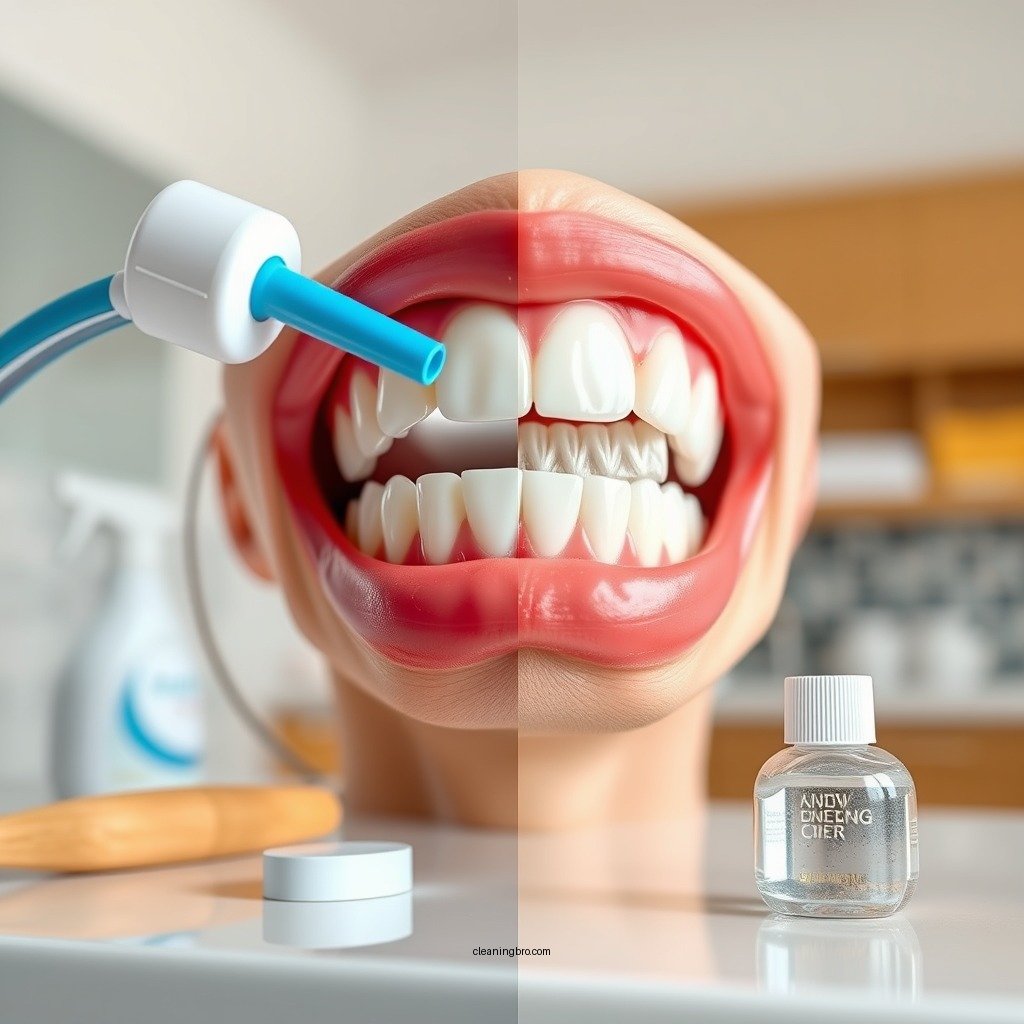
Cleaning the back of your teeth is essential for maintaining oral hygiene and preventing cavities and gum disease. To effectively clean this often-overlooked area, use a combination of proper brushing techniques, flossing, and mouthwash. This guide will walk you through the best practices to ensure your back teeth are clean and healthy.
Importance of Cleaning the Back of Your Teeth

The back of your teeth, particularly the molars, is often the hardest area to reach during daily oral care routines. This part of the mouth is prone to plaque buildup and decay, as food particles can easily become trapped between teeth and along the gum line. Neglecting this area can lead to serious dental issues, including cavities, gum disease, and even tooth loss. Research shows that individuals who focus on cleaning the backs of their teeth experience significantly fewer dental problems, underscoring the importance of a comprehensive oral hygiene regimen.
Choosing the Right Tools
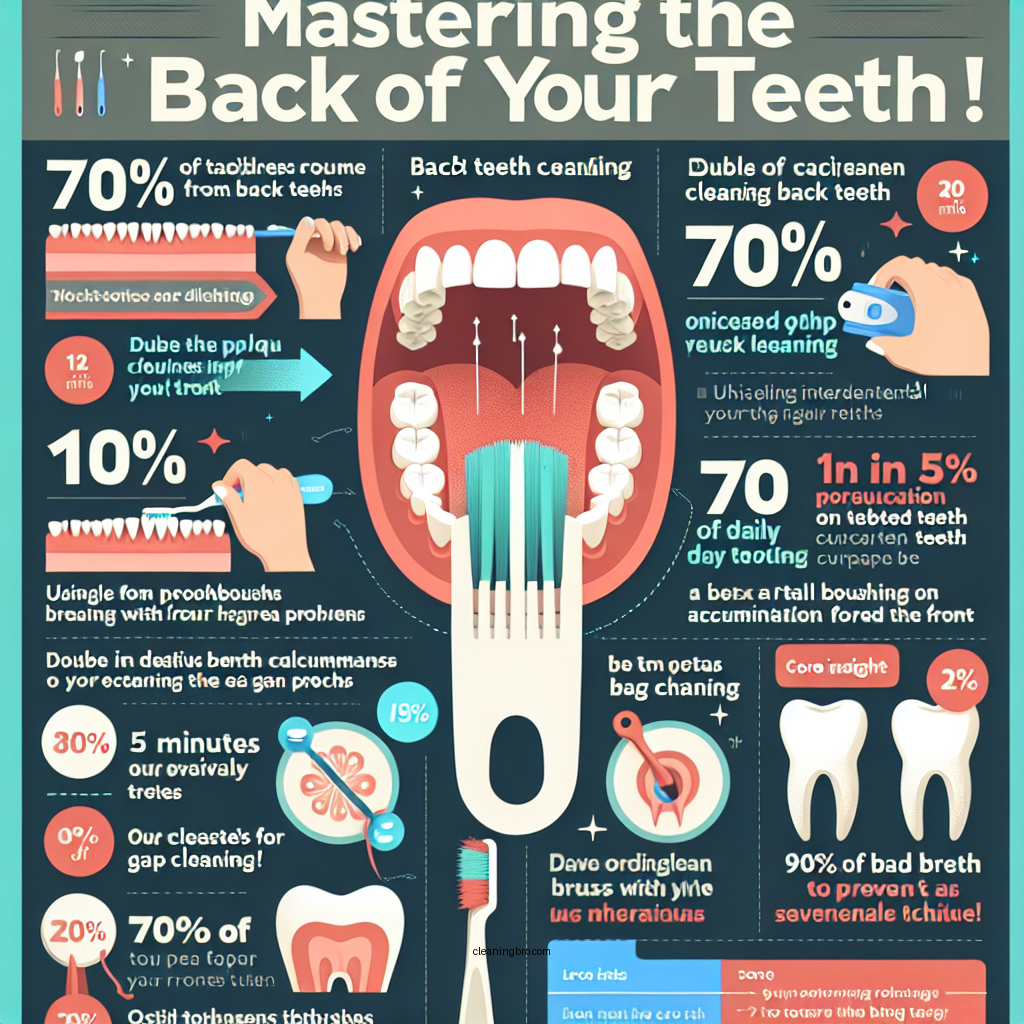
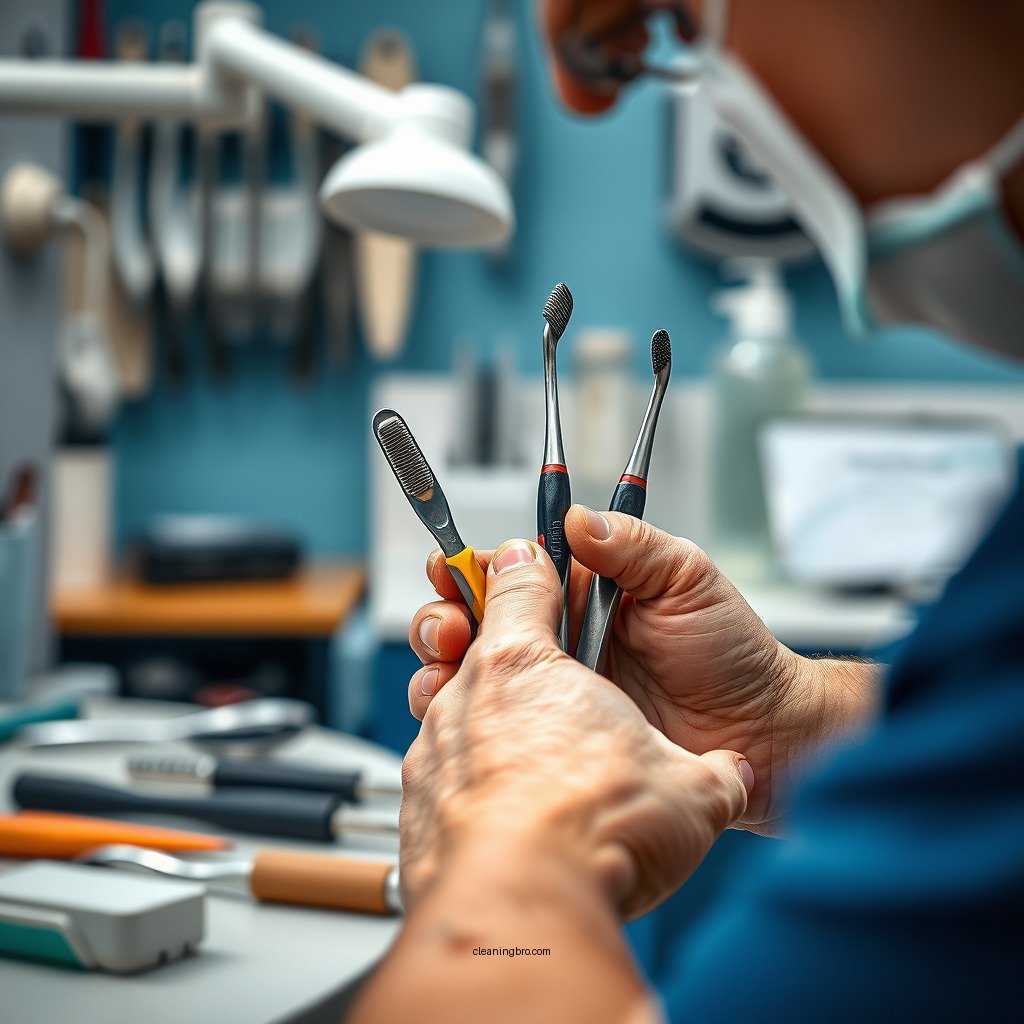
To effectively clean the back of your teeth, the right tools are crucial. Start with a toothbrush that has soft bristles, as they are gentle on your gums yet effective at removing plaque. Look for a toothbrush with a small head that can easily navigate to the back of your mouth. Electric toothbrushes are also a great option, as they can provide better reach and cleaning efficiency.
In addition to your toothbrush, consider using an interdental brush or floss specifically designed for the back teeth. Interdental brushes are particularly effective at cleaning between teeth, especially in hard-to-reach areas. Flossing is equally important, as it removes food particles and plaque from between the teeth and along the gum line where toothbrushes may not reach.
Moreover, you may find it beneficial to use a tongue scraper as part of your oral hygiene routine. The tongue can harbor bacteria that contribute to bad breath, so keeping it clean will enhance your overall oral health.
Effective Brushing Techniques
Proper brushing techniques are vital for cleaning the back of your teeth effectively. Angle your toothbrush at a 45-degree angle to the gum line to ensure that you are cleaning both the teeth and the gums. This positioning allows the bristles to reach below the gum line, where plaque can accumulate.
Use small circular motions to clean the back surfaces of your molars thoroughly. This technique helps to dislodge food particles and plaque effectively. Be sure to spend ample time on each quadrant of your mouth, dedicating at least 30 seconds to each section to ensure thorough cleaning.
In addition, don’t forget to brush the chewing surfaces of your back teeth, as this is where food particles often get stuck. A common mistake is to rush through brushing, but taking your time will yield better results and protect your dental health.
Top Toothbrushes for Cleaning Back Teeth (2024)
| # | Toothbrush | Head Size | Features | Price |
|---|---|---|---|---|
| 1 | Oral-B Pro 1000 | Small | Pressure sensor, 3D cleaning action | $49.99 |
| 2 | Philips Sonicare ProtectiveClean 6100 | Compact | Smart sensor, multiple modes | $99.99 |
| 3 | Colgate Hum | Small | Smart features, app connectivity | $79.99 |
| 4 | Waterpik Sonic-Fusion 2.0 | Medium | Water flosser, sonic toothbrush | $199.99 |
| 5 | Quip Electric Toothbrush | Compact | Built-in timer, travel-friendly | $39.00 |
| 6 | GUM Proxabrush | Small | Interdental cleaning | $10.99 |
| 7 | Oral-B Kids Electric Toothbrush | Small | Fun design, pressure sensor | $29.99 |
Flossing for Complete Cleaning
Flossing is an essential part of any oral hygiene routine, particularly for cleaning the back of your teeth. Use dental floss to remove food particles and plaque that your toothbrush may have missed. When flossing, make sure to use a length of floss that is about 18 inches long. This will allow you to use a clean section of floss for each tooth.
Wrap the floss around each tooth’s back side and gently slide it up and down against the tooth surface. Be careful not to snap the floss into your gums, as this can cause irritation. Flossing at least once a day is recommended to maintain optimal gum health and prevent cavities in the tight spaces between your teeth.
For individuals who find traditional floss challenging, consider using floss picks or water flossers, which can be more user-friendly and just as effective.
Rinsing with Mouthwash
Rinsing with an antibacterial mouthwash is another effective step in cleaning the back of your teeth. Mouthwash can kill bacteria in hard-to-reach areas, providing an additional layer of protection against plaque and gum disease. When selecting a mouthwash, look for one that contains fluoride, as this helps to strengthen tooth enamel and prevent decay.
To maximize the effectiveness of mouthwash, rinse for at least 30 seconds, making sure to swish it around your mouth and tilt your head to ensure coverage of the back teeth. Avoid eating or drinking for at least 30 minutes after rinsing to allow the active ingredients to work effectively.
Incorporating mouthwash into your daily routine can significantly enhance your overall oral hygiene and freshness of breath.
Top Mouthwash Brands for Oral Health (2024)
| Brand | Antibacterial | Fluoride | Alcohol-Free | Price |
|---|---|---|---|---|
| Listerine Total Care | ✅ | ✅ | ❌ | $6.99 |
| Crest Pro-Health | ✅ | ✅ | ✅ | $5.99 |
| Colgate Total Advanced | ✅ | ✅ | ❌ | $4.99 |
Regular Dental Check-Ups
Even with an excellent home care routine, regular dental check-ups are essential for maintaining oral health. Schedule biannual visits to your dentist for professional cleanings and examinations. During these appointments, your dentist can remove tartar buildup that regular brushing and flossing cannot eliminate.
Additionally, check-ups allow your dentist to monitor the health of your back teeth and address any concerns before they escalate into significant issues. If you experience discomfort or notice changes in your teeth or gums, don’t hesitate to discuss these concerns with your dental professional.
Moreover, the dentist can provide personalized advice based on your specific dental needs, ensuring your oral care regimen is as effective as possible.
Additional Tips for Maintaining Oral Hygiene
In addition to brushing, flossing, and rinsing, several lifestyle choices can contribute to maintaining oral hygiene. Avoid sugary snacks and beverages that promote plaque buildup on your teeth. Instead, opt for healthy snacks such as fruits, vegetables, and nuts, which can help clean your teeth as you chew.
Drinking plenty of water throughout the day is also beneficial. Water helps wash away food particles and bacteria, reducing the risk of decay. Consider using a straw for acidic or sugary drinks to minimize contact with your teeth.
Chewing sugar-free gum after meals can assist in cleaning the back of your teeth while stimulating saliva production, which is a natural protector against cavities.
Maintaining cleanliness in the back of your teeth is crucial for overall dental health. By incorporating proper brushing, flossing, and rinsing techniques into your daily routine, you can prevent decay and keep your mouth healthy. Don’t forget to visit your dentist regularly to ensure your oral hygiene is on track! With diligence and the right tools, you can achieve and maintain a healthy, confident smile.Frequently Asked Questions
How can I effectively clean the back of my teeth at home?
To effectively clean the back of your teeth at home, use a soft-bristled toothbrush and fluoride toothpaste. Make sure to angle your brush at 45 degrees towards the gum line and use gentle, circular motions to remove plaque. Flossing daily is also essential, as it helps dislodge food particles and plaque from areas that your toothbrush might miss.
Why is it important to clean the back of my teeth?
Cleaning the back of your teeth is crucial for maintaining overall oral health, as this area is often neglected and prone to plaque buildup. Neglecting to clean the back of your teeth can lead to cavities, gum disease, and bad breath. Regular cleaning helps prevent these issues and promotes healthy gums and teeth.
What tools can I use to clean the back of my teeth more effectively?
To clean the back of your teeth more effectively, consider using an interdental brush or a water flosser, which can reach areas that traditional floss may not. Additionally, a tongue scraper can help remove bacteria that accumulate on your tongue, further improving your oral hygiene routine. These tools, combined with regular brushing, enhance your cleaning efforts.
Which dental products are best for cleaning the back of teeth?
The best dental products for cleaning the back of your teeth include fluoride toothpaste and an antibacterial mouthwash. Look for a toothbrush with soft bristles and a small head to navigate tight spaces. Additionally, dental floss or interdental cleaners specifically designed for hard-to-reach areas can significantly improve your cleaning routine.
How often should I clean the back of my teeth?
You should clean the back of your teeth at least twice a day, ideally after meals, to remove food particles and plaque buildup. Complement your brushing routine with daily flossing to ensure thorough cleaning of hard-to-reach areas. Regular visits to the dentist for professional cleanings are also recommended to maintain optimal oral health.
References
- https://www.mayoclinic.org/healthy-lifestyle/adult-health/in-depth/oral-health/art-20046570
https://www.mayoclinic.org/healthy-lifestyle/adult-health/in-depth/oral-health/art-20046570 - https://www.ncbi.nlm.nih.gov/pmc/articles/PMC4202874/
https://www.ncbi.nlm.nih.gov/pmc/articles/PMC4202874/ - https://www.cdc.gov/oralhealth/basics/index.html
https://www.cdc.gov/oralhealth/basics/index.html - Oral health
https://www.who.int/news-room/fact-sheets/detail/oral-health - Data extraction form – Effectiveness and cost-effectiveness of serum B-type natriuretic peptide t…
https://www.ncbi.nlm.nih.gov/books/NBK447143/ - https://www.britannica.com/science/tooth
https://www.britannica.com/science/tooth - Google Scholar Google Scholar
https://scholar.google.com/scholar?q=cleaning+back+of+teeth - Google Scholar Google Scholar
https://scholar.google.com/scholar?q=oral+health+teeth+cleaning - Google Scholar Google Scholar
https://scholar.google.com/scholar?q=oral+hygiene+back+of+teeth - Google Scholar Google Scholar
https://scholar.google.com/scholar?q=how+to+clean+back+of+teeth