How to Clean Brushes with Mineral Spirits
Understanding Mineral Spirits
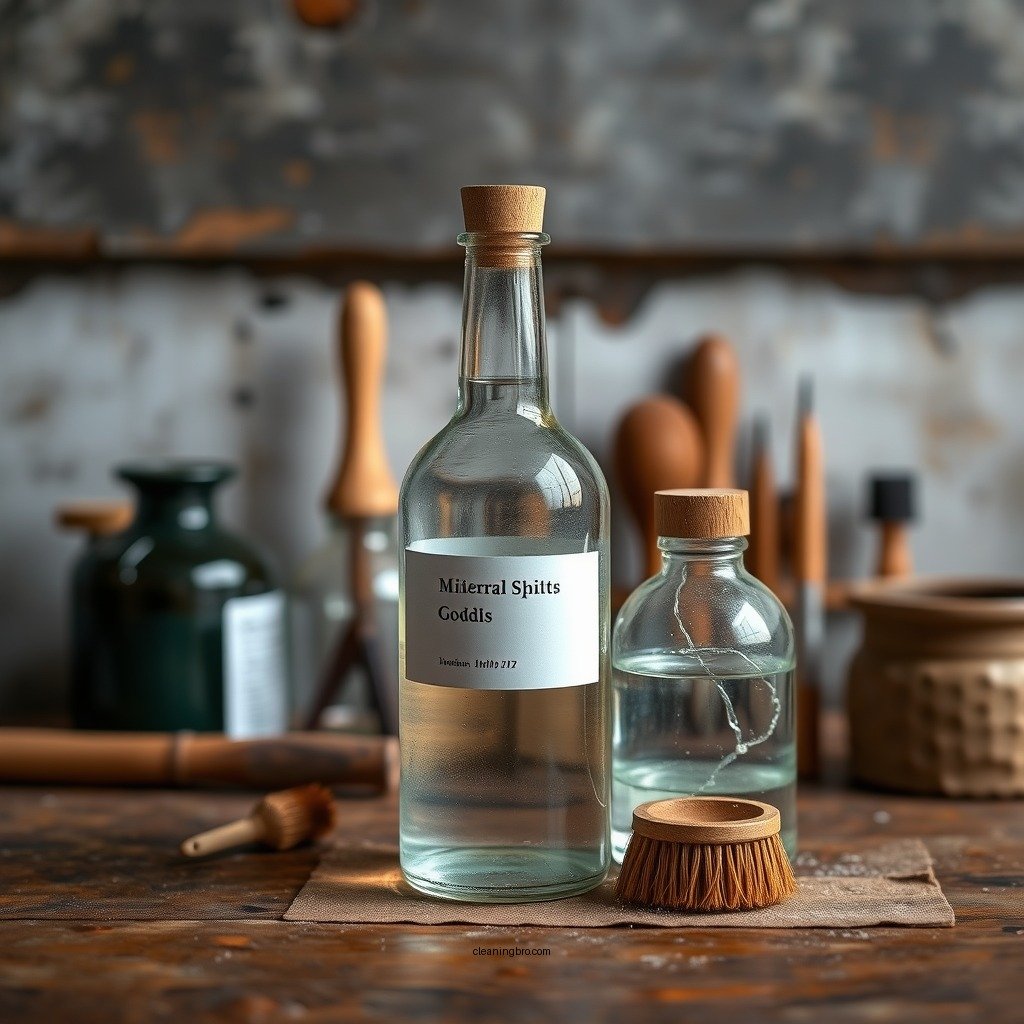
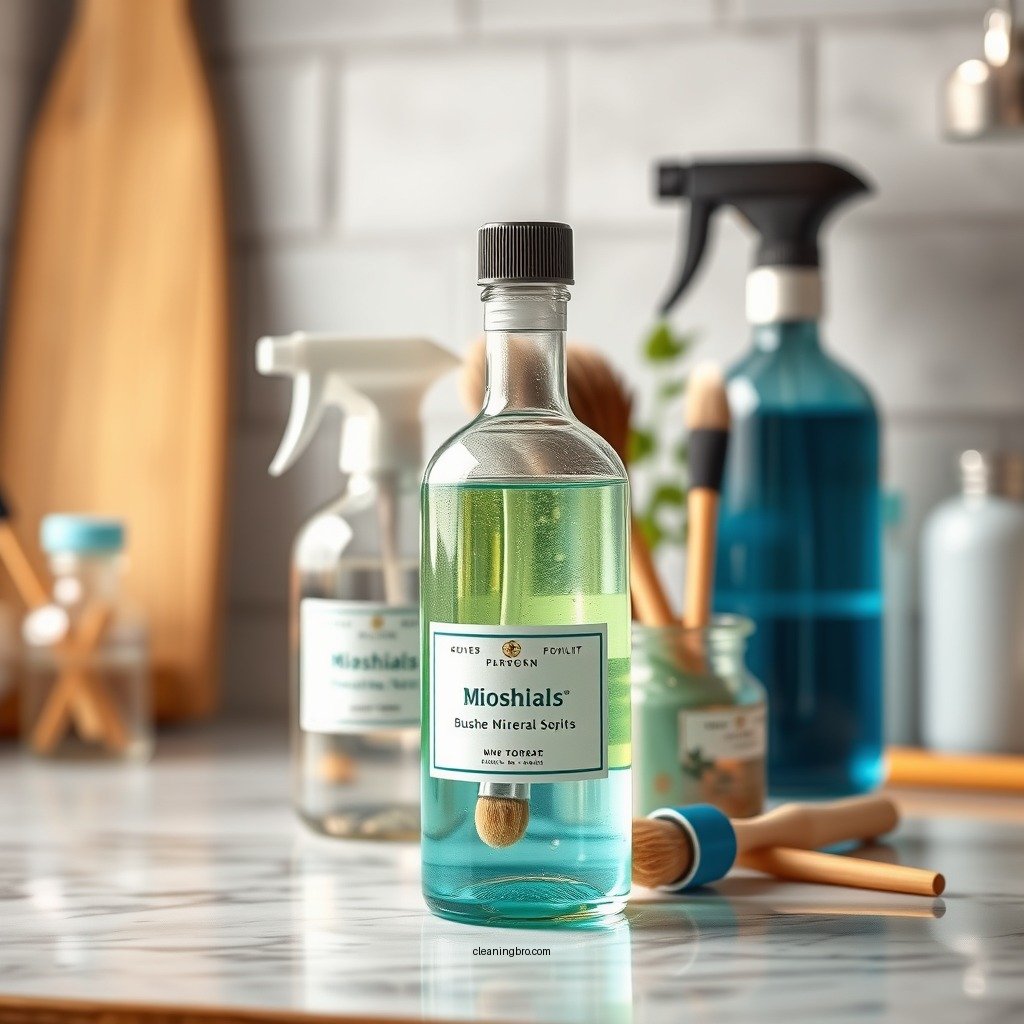
Mineral spirits, also known as white spirits, are a petroleum-derived solvent commonly used in painting and cleaning applications. These solvents are favored in the art and DIY communities due to their effectiveness in dissolving oil-based paints and finishes. Their ability to break down tough residues makes them ideal for cleaning brushes that have been used with these materials. Furthermore, mineral spirits evaporate quickly, leaving no oily residue behind as long as they are used correctly. This characteristic ensures that your brushes are not only clean but also ready for immediate use after cleaning.
Safety Precautions
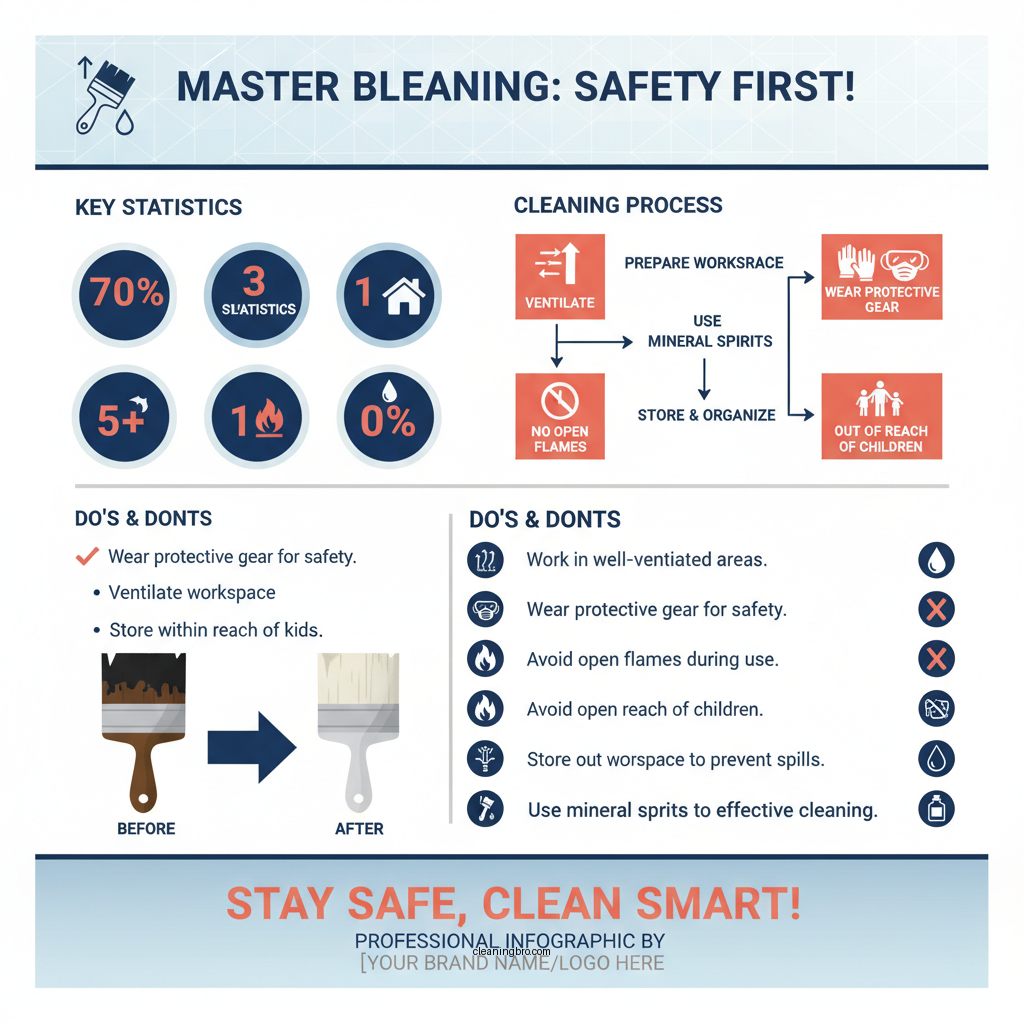
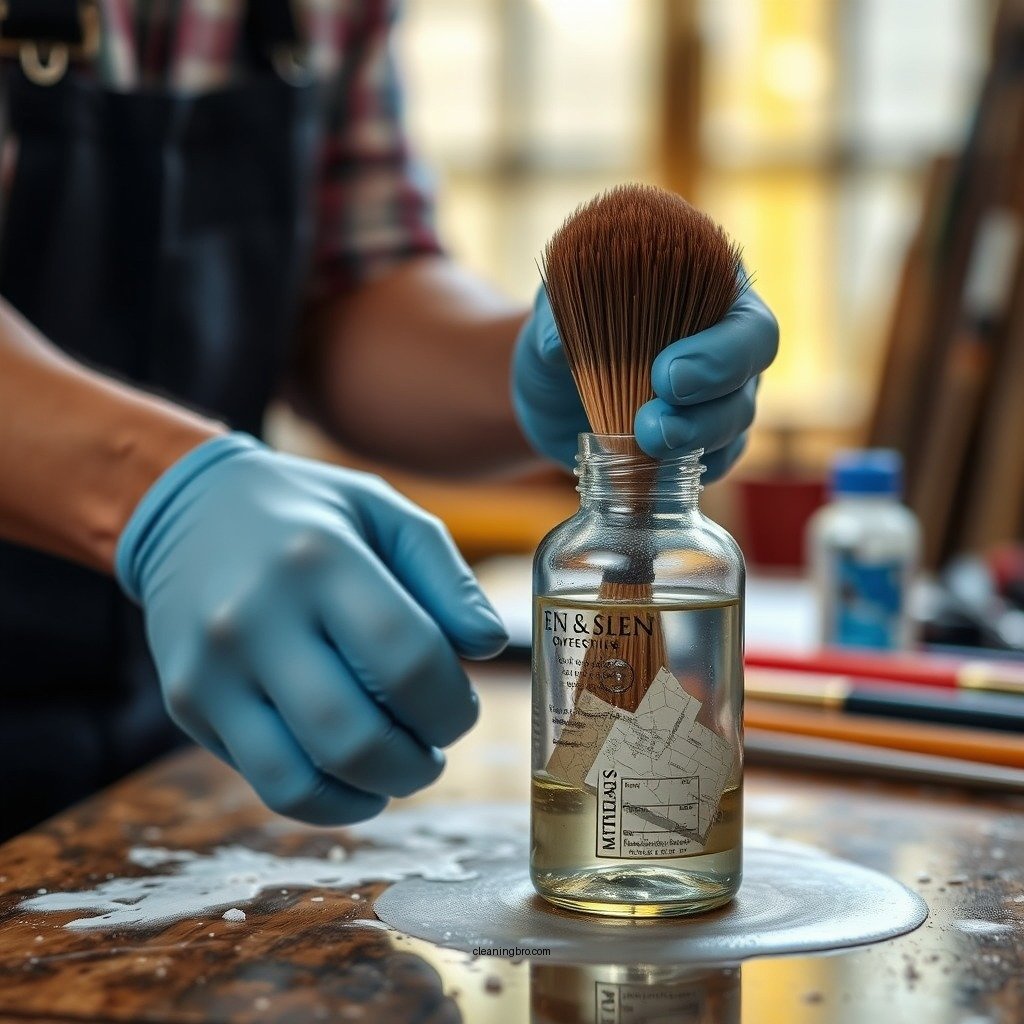
When working with mineral spirits, safety should be your top priority. Here are some essential precautions to keep in mind:
– Work in a Well-Ventilated Area: Mineral spirits emit fumes that can be harmful when inhaled in large amounts. Always ensure that your workspace is well-ventilated by opening windows or using a fan to circulate air.
– Wear Protective Gear: To protect your skin and eyes from irritation, it is advisable to wear gloves and goggles. This will help safeguard against any splashes or contact with the solvent.
– Avoid Open Flames: Mineral spirits are flammable, so keep them away from any heat sources or open flames. Store them in a cool, dry place to minimize the risk of fire hazards.
– Keep Away from Children and Pets: Ensure that all cleaning materials, especially solvents like mineral spirits, are stored out of reach of children and pets to prevent accidental exposure.
Preparing Your Workspace
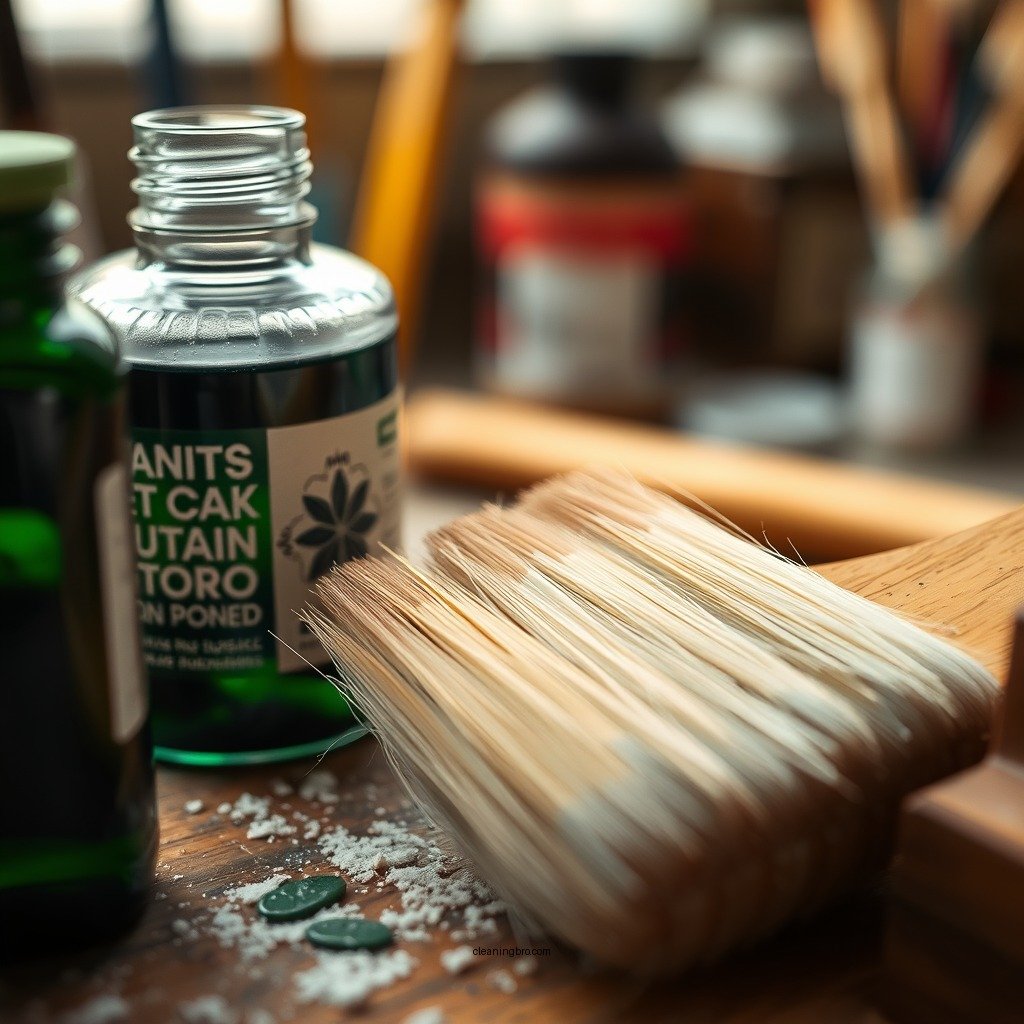
Setting up a designated cleaning area is crucial for effective brush cleaning. Here are steps to prepare your workspace:
– Cover Surfaces: Lay down newspaper or a drop cloth to catch any spills or drips that may occur during the cleaning process. This will prevent damage to your work surfaces and make cleanup easier.
– Gather Necessary Supplies: Ensure you have all the tools needed for the cleaning process. This includes:
– Mineral spirits
– A container (preferably glass or metal)
– A brush comb or cleaning tool
– Paper towels or rags for drying
Step-by-Step Cleaning Process
Cleaning brushes with mineral spirits involves a systematic approach to ensure thorough cleaning. Follow these steps:
1. Pour Mineral Spirits: Start by pouring a small amount of mineral spirits into a container. You only need enough to cover the bristles of the brush, typically around 1-2 inches deep.
2. Dip the Brush: Submerge the bristles of the brush in the mineral spirits. Gently swirl the brush in the solution to help dissolve the paint. Avoid aggressive movements that could damage the bristles.
3. Use a Brush Comb: After swirling, take a brush comb and gently pull it through the bristles. This will help dislodge any remaining paint particles. Repeat the process as necessary until the brush is clean.
4. Dispose of Used Solvent: Once you have cleaned the brush, dispose of the used mineral spirits responsibly. Do not pour them down the drain. Instead, store the used solvent in a sealed container for proper disposal later.
Rinsing and Drying the Brushes
After you have successfully cleaned your brushes, it is essential to rinse and dry them correctly to maintain their shape and longevity:
1. Rinse with Soapy Water: Rinse the brush thoroughly under warm running water with mild soap. This step is important to remove any residual mineral spirits from the bristles.
2. Shake Off Excess Water: After rinsing, shake off any excess water gently. Avoid pulling on the bristles, as this can cause them to lose their shape.
3. Reshape the Bristles: While the brush is still damp, reshape the bristles with your fingers to ensure they return to their original form.
4. Lay Flat to Dry: Finally, lay the brush flat on a clean towel or paper towel to dry. Avoid hanging the brush upright, as water can seep into the ferrule and loosen the bristles over time.
Alternative Cleaning Methods
While mineral spirits are highly effective, there are also alternative cleaning methods you can consider based on the type of paint used:
– Soap and Water: For brushes used with water-based paints, a mixture of soap and warm water can be sufficient to clean them. This method is less toxic and easier to manage.
– Vinegar: White vinegar can help break down water-based paint residues. Soak the brush in vinegar for a few minutes before rinsing with water.
– Specialized Brush Cleaners: There are many commercial brush cleaners available that are specifically formulated for different types of brushes, especially delicate or synthetic ones. These cleaners can provide an optimized cleaning solution without damaging the bristles.
Maintenance Tips for Longevity
To ensure your brushes remain in top condition for future projects, consider the following maintenance tips:
– Clean Immediately After Use: Cleaning brushes right after use prevents paint from hardening on the bristles, making the cleaning process significantly easier.
– Store Brushes Properly: Store brushes in a manner that protects their shape. Use a brush holder or a case to prevent bristles from getting bent or misshapen.
– Regular Conditioning: For natural bristle brushes, consider conditioning them occasionally with a small amount of oil. This helps maintain the integrity of the bristles and prolongs their lifespan.
– Label Your Brushes: If you have multiple brushes, consider labeling them based on their intended use. This will help you avoid using the wrong brush for the wrong type of paint and minimize the need for frequent cleaning.
Top 7 Cleaning Products for Paint Brushes (2023)
| # | Product Name | Type | Effectiveness | Price |
|---|---|---|---|---|
| 1 | Mineral Spirits | Solvent | High | $10 |
| 2 | Turpentine | Solvent | Medium | $15 |
| 3 | Simple Green | Cleaner | High | $8 |
| 4 | Dawn Dish Soap | Soap | Medium | $5 |
| 5 | Brush Cleaner | Specialized | High | $12 |
| 6 | Vinegar | Acid | Medium | $3 |
| 7 | Baby Oil | Oil | Low | $4 |
Mineral Spirits vs Turpentine vs Brush Cleaner: Full Comparison
| Feature | ⭐ Mineral Spirits | Turpentine | Brush Cleaner |
|---|---|---|---|
| Odor | Mild | Strong | Mild |
| Effectiveness | ✅ High | ✅ Medium | ✅ High |
| Evaporation Rate | Fast | Medium | Slow |
| Cost | $10 | $15 | $12 |
| Residue Left | None | Minimal | None |
| Best For | Oil-based Paints | Heavy-duty Cleaning | General Use |
| Environmental Impact | Moderate | High | Low |
| Availability | Widely Available | Specialty Stores | Widely Available |
| Skin Irritation | Medium | High | Low |
| Rating | ★★★★☆ | ★★★☆☆ | ★★★★★ |
| 🏆 Best For | Homeowners & Professionals | Artists & Heavy Cleaners | General Users |
By following these steps for cleaning brushes with mineral spirits, you’ll ensure your brushes are clean and ready for your next project, enhancing both the quality of your work and the longevity of your tools. Remember to prioritize safety and explore different cleaning options based on the materials you use. Happy painting!
Frequently Asked Questions
How do I properly clean brushes with mineral spirits?
To clean brushes with mineral spirits, first pour a small amount into a container. Dip the brush into the mineral spirits, gently swirling it to dissolve paint or residue. After a few minutes, wipe the brush on a clean rag and repeat until the brush is clean, then rinse with warm soapy water to remove any remaining solvent.
What safety precautions should I take when using mineral spirits to clean brushes?
When using mineral spirits, it’s important to work in a well-ventilated area to avoid inhaling fumes. Wear gloves to protect your skin and safety goggles to shield your eyes. Additionally, keep a fire extinguisher nearby, as mineral spirits are flammable, and store the used spirits in a sealed container for safe disposal.
Why is mineral spirits recommended for cleaning paintbrushes?
Mineral spirits are highly effective for cleaning paintbrushes because they break down oil-based paints and varnishes efficiently. Unlike water, mineral spirits do not dilute oil paints, allowing for a thorough clean without damaging the brush bristles. This solvent is also relatively inexpensive and readily available, making it a popular choice among artists and DIY enthusiasts.
What is the best way to dispose of used mineral spirits after cleaning brushes?
The best way to dispose of used mineral spirits is to allow any paint particles to settle at the bottom of the container, then carefully pour the clear liquid into a separate container for reuse or safe disposal. Never pour mineral spirits down the drain or in the trash; instead, check with local waste management for hazardous waste disposal options available in your area.
Which types of brushes can I clean with mineral spirits?
Mineral spirits can be used to clean a variety of brushes, including those used with oil-based paints, stains, and varnishes. However, it’s not suitable for water-based paints or synthetic brushes, as these can be damaged by the solvent. Always check the manufacturer’s recommendations for the specific brushes you are using to ensure safe cleaning.
References
- White spirit
https://en.wikipedia.org/wiki/Mineral_spirits - https://pubmed.ncbi.nlm.nih.gov/28028414/
https://pubmed.ncbi.nlm.nih.gov/28028414/ - https://www.sciencedirect.com/topics/earth-and-planetary-sciences/mineral-spirits
https://www.sciencedirect.com/topics/earth-and-planetary-sciences/mineral-spirits - https://www.britannica.com/science/mineral-spirits
https://www.britannica.com/science/mineral-spirits - https://www.cdc.gov/niosh/topics/chemical-safety.html
https://www.cdc.gov/niosh/topics/chemical-safety.html - https://www.cdc.gov/niosh/docs/2018-134/pdfs/2018-134.pdf
https://www.cdc.gov/niosh/docs/2018-134/pdfs/2018-134.pdf - https://www.nature.com/articles/s41598-020-60136-4
https://www.nature.com/articles/s41598-020-60136-4 - Google Scholar Google Scholar
https://scholar.google.com/scholar?q=how+to+clean+brushes+with+mineral+spirits - Google Scholar Google Scholar
https://scholar.google.com/scholar?q=cleaning+brushes+mineral+spirits+health+effects - Google Scholar Google Scholar
https://scholar.google.com/scholar?q=paint+brush+cleaning+mineral+spirits+techniques