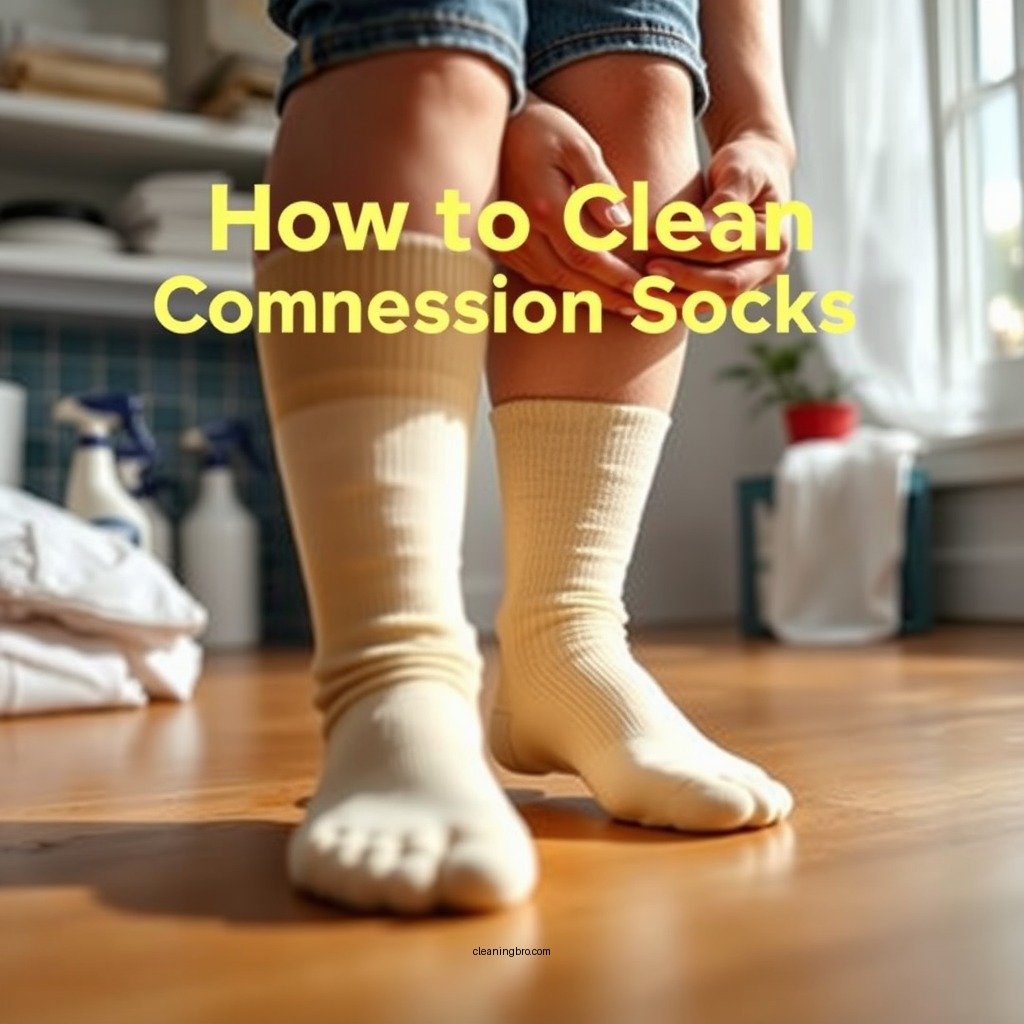
How to Clean Compression Socks: A Simple Guide
Cleaning compression socks is straightforward and essential for maintaining their effectiveness and longevity. To keep your compression socks in top condition, hand washing with mild detergent and air drying is recommended. In this article, you’ll learn the best methods for cleaning your compression socks, ensuring they stay fresh and functional for your needs.
Why Clean Compression Socks?

Keeping your compression socks clean is crucial for multiple reasons. First and foremost, regular cleaning prevents odor buildup and the growth of bacteria, which can occur from sweat and skin cells accumulating in the fabric. Compression socks are often worn during workouts or throughout the day to improve circulation, making them prone to odor and dirt. Neglecting to wash them can lead to an unpleasant smell and skin irritations.
Moreover, proper cleaning maintains the elasticity and compression level of the socks. Compression socks are designed to provide varying levels of pressure to the legs, enhancing blood flow and reducing fatigue. If you fail to clean them adequately, their performance may diminish over time, which can defeat the purpose of wearing them in the first place. Regular maintenance ensures they continue to function effectively, providing the support you need during physical activity or long periods of sitting.
Hand Washing vs. Machine Washing
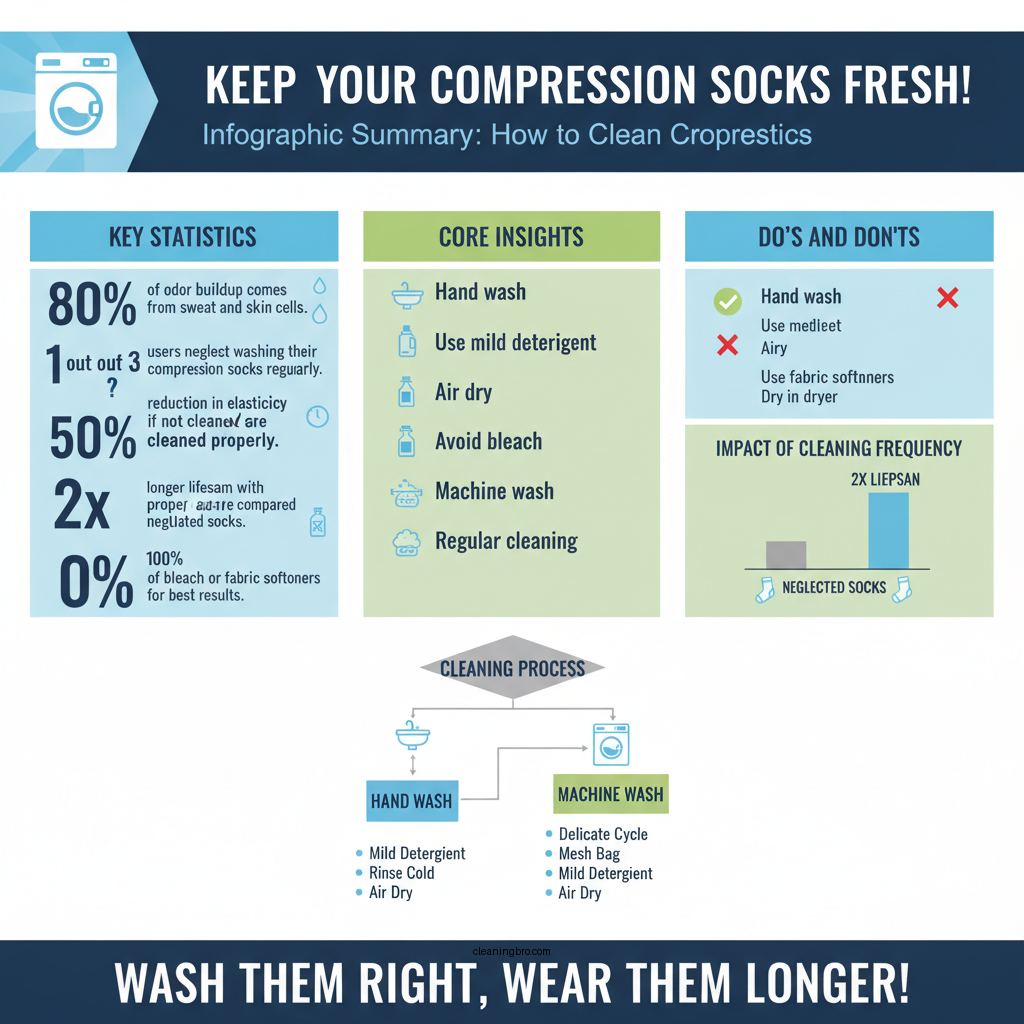
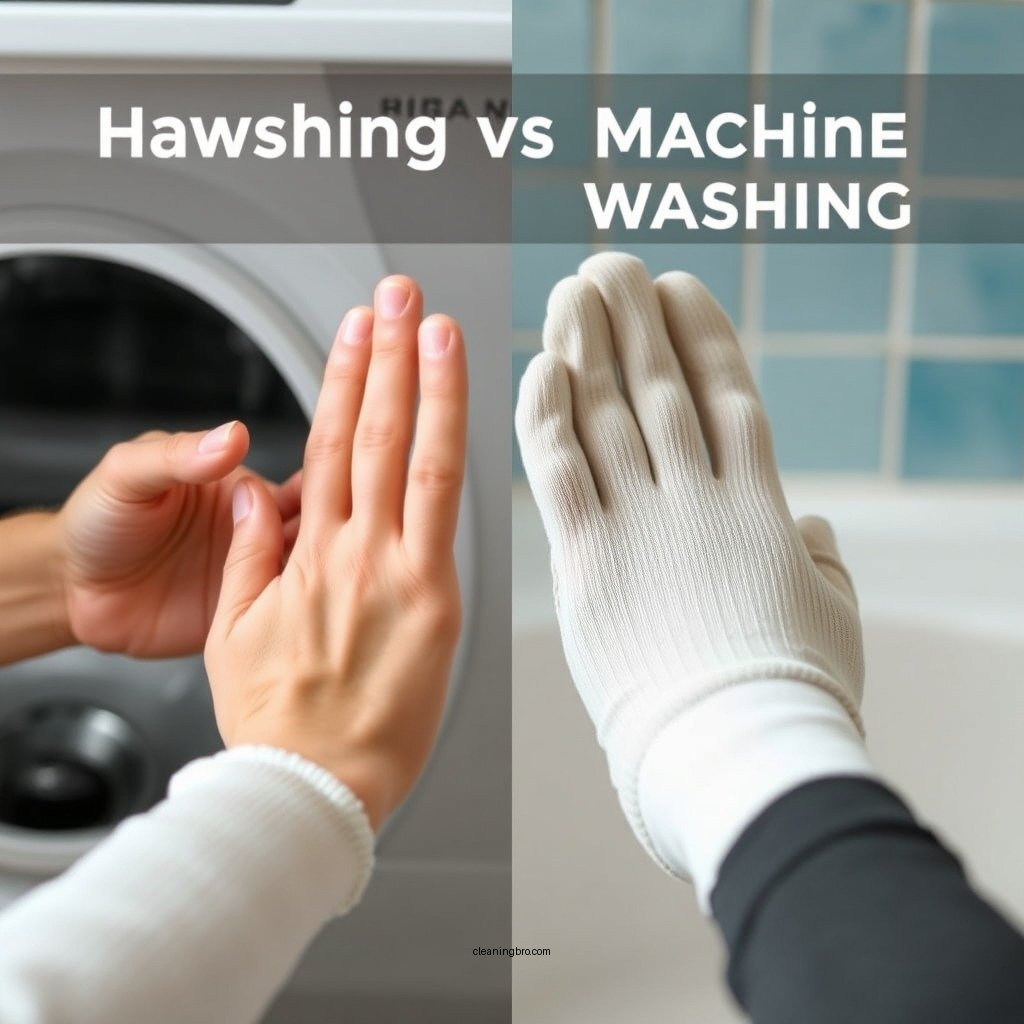
When it comes to cleaning compression socks, hand washing is the preferred method. Hand washing is gentler on the fabric, helping to preserve its integrity and elasticity. This method allows for more control over the cleaning process and minimizes the risk of damage that can occur in a washing machine. To hand wash, simply fill a basin with lukewarm water and a small amount of mild detergent, gently swishing the socks in the water before rinsing thoroughly.
However, if you choose to machine wash your compression socks, there are precautions you can take to mitigate potential damage. Using a laundry bag designed for delicates can help protect the socks from snagging or stretching. Always select a gentle cycle and cold water to prevent heat damage, which can degrade the elastic fibers. Regardless of the method you choose, always refrain from using bleach or fabric softeners, as these can harm the material.
Recommended Cleaning Products
To ensure the longevity of your compression socks, it is essential to use the right cleaning products. Opt for mild detergents that are free from bleach and fabric softeners, as these harsh chemicals can break down the fibers and reduce the effectiveness of the compression. Look for detergents specifically formulated for delicate fabrics or athletic wear, which are designed to clean without compromising quality.
For optimal results, consider using a specialized sock cleaner that caters to compression garments. These products are designed to effectively remove odors and stains while preserving the elasticity of the fabric. Always read the care labels on your socks, as some brands may have specific recommendations or restrictions regarding cleaning products.
Top 5 Recommended Detergents for Compression Socks (2024)
| # | Product Name | Type | Size | Special Features |
|---|---|---|---|---|
| 1 | Rockin’ Green | Liquid | 32 oz | Eco-friendly |
| 2 | The Laundress | Liquid | 16 oz | Delicate formula |
| 3 | Nikwax | Liquid | 10 oz | Waterproofing |
| 4 | Tide Free & Gentle | Powder | 64 oz | Hypoallergenic |
| 5 | Woolite | Liquid | 32 oz | Gentle on fabrics |
How Often Should You Clean Them?
The frequency of washing your compression socks largely depends on your activity level and how often you wear them. As a general rule, it is advisable to wash your compression socks after every 3-4 uses, especially if they are worn during workouts or physically demanding activities. If you experience excessive sweating or prolonged wear, it is best to wash them after each use to prevent odor and bacteria buildup.
Failing to clean them regularly can lead to the accumulation of sweat and skin cells, which can negatively impact the fabric and reduce the compression effectiveness. Additionally, socks that are not cleaned frequently enough may become uncomfortable to wear, detracting from their intended benefits. Therefore, establishing a cleaning routine that aligns with your lifestyle and activity level is crucial for maintaining the performance of your compression socks.
Drying Your Compression Socks
After washing, the method of drying your compression socks is equally important. To preserve their elasticity and shape, air drying is the preferred method. Lay the socks flat on a clean, dry surface, away from direct sunlight, which can cause the fabric to fade and degrade.
Avoid using a dryer at all costs, as the heat can damage the elastic fibers, leading to a loss of compression over time. If you are in a hurry, you can gently pat them with a towel to remove excess moisture before laying them flat to dry. This method ensures that your compression socks maintain their original fit and functionality for as long as possible.
Tips for Long-Term Care
To extend the lifespan of your compression socks, consider these long-term care tips:
1. Proper Storage: Store your socks in a cool, dry place away from direct sunlight and moisture. This prevents mold and mildew growth, which can occur if socks are stored in damp conditions.
2. Rotate Pairs: If you have multiple pairs of compression socks, rotate them regularly. This reduces wear and tear on any single pair, ensuring that all pairs last longer.
3. Avoid Heavy Use: If possible, try to avoid wearing the same pair of compression socks on consecutive days. Giving them time to rest allows the elastic fibers to return to their original shape.
4. Follow Care Instructions: Always adhere to the care instructions provided by the manufacturer. Different brands may have specific guidelines that cater to the materials used in their compression socks.
By taking these steps, you can ensure that your compression socks remain effective and comfortable, providing you with the support you need during daily activities.
Compression Sock Brands: Feature Comparison
| Feature | ⭐ Comrad | Physix Gear | Sockwell |
|---|---|---|---|
| Compression Level | 20-30 mmHg | 15-20 mmHg | 20-30 mmHg |
| Material | Nylon/Spandex | Cotton/Spandex | Merino Wool |
| Breathability | ✅ Good | ✅ Excellent | ✅ Good |
| Moisture-Wicking | ✅ Yes | ✅ Yes | ✅ Yes |
| Sizes Available | S to XL | S to L | S to XL |
| Color Options | 7 | 4 | 5 |
| Price | $29.99 | $19.99 | $34.99 |
| Warranty | 1 year | 6 months | 1 year |
| Customer Rating | ★★★★☆ | ★★★☆☆ | ★★★★★ |
| 🏆 Best For | Active individuals | Budget-conscious users | Comfort seekers |
To maintain the effectiveness of your compression socks, regular cleaning and proper care are essential. By following these guidelines, you can ensure your socks remain clean and functional, providing you with the support you need. Start implementing these cleaning tips today to keep your compression socks in great shape!
Frequently Asked Questions
How often should I clean my compression socks?
It is recommended to wash your compression socks after each use to maintain their elasticity and effectiveness. Regular cleaning helps remove sweat and bacteria, prolonging the life of the socks and ensuring they provide the desired compression when worn.
What is the best way to wash compression socks?
The best way to wash compression socks is by hand in cold water using a mild detergent. If you prefer using a washing machine, place them in a mesh laundry bag on a gentle cycle with cold water. Avoid fabric softeners and bleach as they can damage the compression material.
Why do I need to be careful when drying my compression socks?
You need to be careful when drying your compression socks because high heat can degrade the elastic fibers, reducing their effectiveness. It is best to air dry them flat away from direct sunlight or heat sources to preserve their compression qualities.
Which detergents are safe for cleaning compression socks?
Safe detergents for cleaning compression socks include mild, fragrance-free options that do not contain bleach or fabric softeners. Look for hypoallergenic or special sports detergents designed for delicate fabrics to ensure your socks remain in good condition.
Can I iron my compression socks if they get wrinkled?
No, you should not iron your compression socks as the heat can damage the compression material and alter the fit. Instead, if they are wrinkled, gently reshape them by hand and let them air dry flat to maintain their proper form and compression.
References
- https://www.mayoclinic.org/healthy-lifestyle/adult-health/in-depth/compression-stockings/art-20046401
https://www.mayoclinic.org/healthy-lifestyle/adult-health/in-depth/compression-stockings/art-20046401 - https://www.ncbi.nlm.nih.gov/pmc/articles/PMC5453105/
https://www.ncbi.nlm.nih.gov/pmc/articles/PMC5453105/ - https://www.ncbi.nlm.nih.gov/pmc/articles/PMC5131815/
https://www.ncbi.nlm.nih.gov/pmc/articles/PMC5131815/ - https://www.who.int/news-room/fact-sheets/detail/venous-thromboembolism
https://www.who.int/news-room/fact-sheets/detail/venous-thromboembolism - https://www.cdc.gov/ncbddd/dvt/guidelines.html
https://www.cdc.gov/ncbddd/dvt/guidelines.html - https://www.health.harvard.edu/staying-healthy/what-are-compression-socks
https://www.health.harvard.edu/staying-healthy/what-are-compression-socks - https://www.britannica.com/science/compression-stockings
https://www.britannica.com/science/compression-stockings - Google Scholar Google Scholar
https://scholar.google.com/scholar?q=how+to+clean+compression+socks - Google Scholar Google Scholar
https://scholar.google.com/scholar?q=compression+socks+maintenance - Google Scholar Google Scholar
https://scholar.google.com/scholar?q=care+instructions+compression+socks