How to Clean Contacts on Rechargeable Hearing Aids
Cleaning the contacts on your rechargeable hearing aids is essential for maintaining their performance and longevity. In just a few simple steps, you can ensure that your hearing aids function optimally, enhancing your listening experience. This guide will walk you through the best practices for keeping those contacts clean and your hearing aids in top condition.
Understand the Importance of Cleaning

Gather Necessary Cleaning Supplies
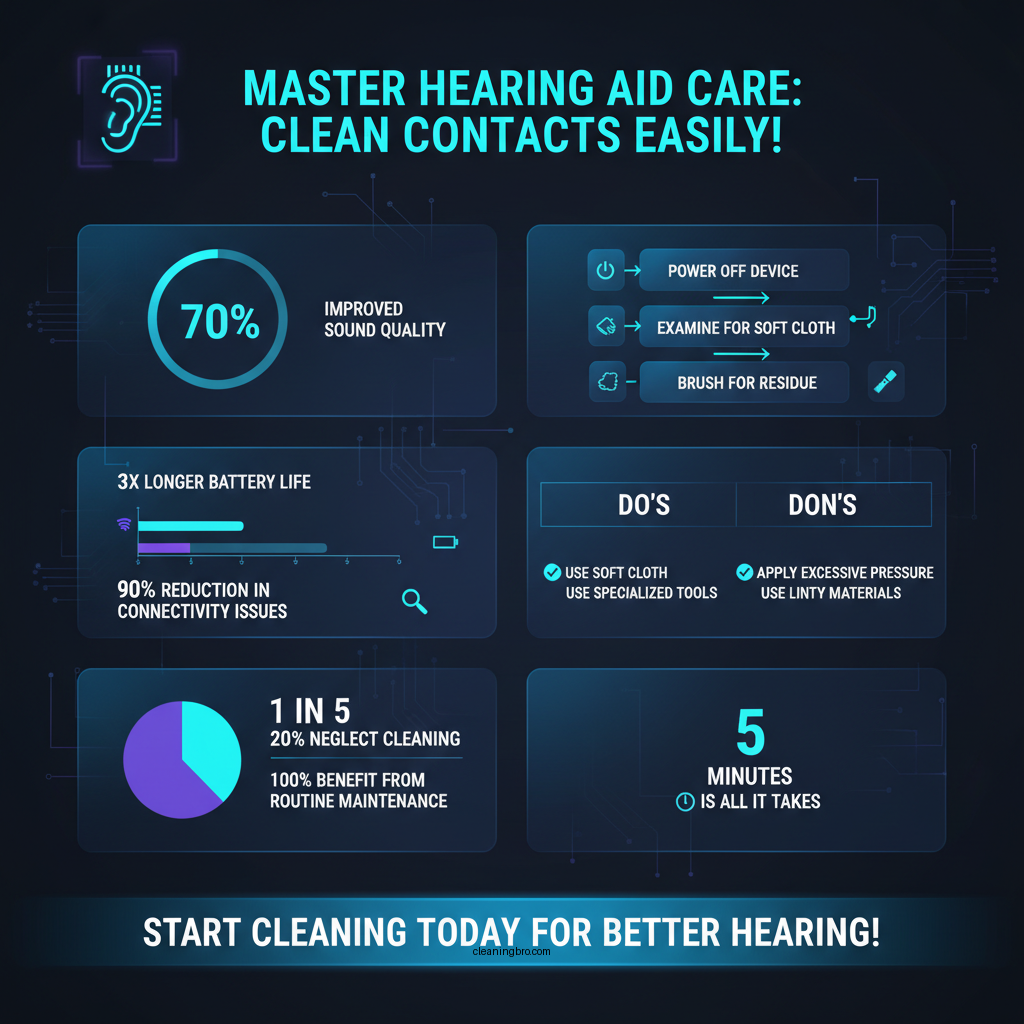
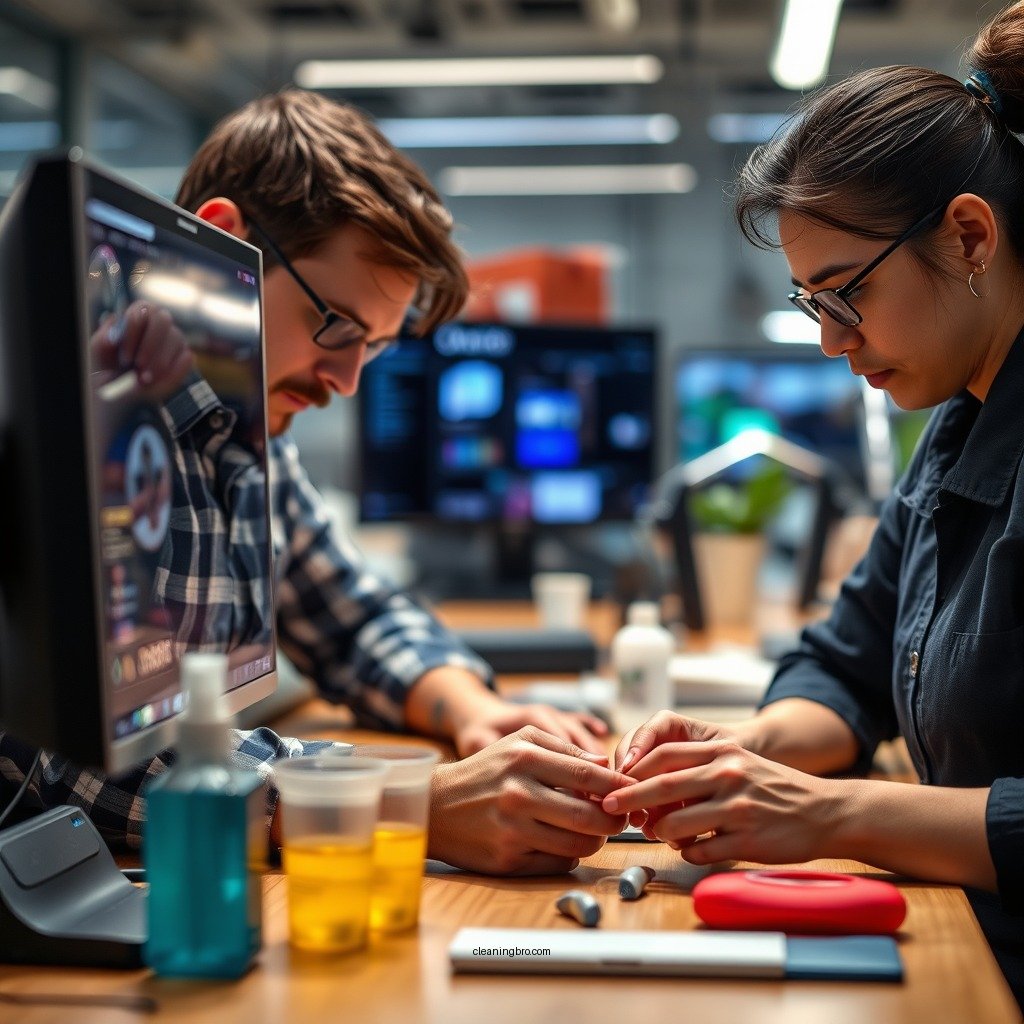
Before you begin the cleaning process, it is crucial to gather the necessary supplies to ensure an effective and safe clean. The most basic item you will need is a soft, dry cloth, which is ideal for gently wiping the contacts without causing scratches or damage. Additionally, consider using a specialized hearing aid cleaning kit, which often includes brushes and tools specifically designed for this purpose. These kits may contain antimicrobial wipes or sprays that can help disinfect the surfaces without harming the delicate components of the device. It’s essential to avoid materials that can leave lint or residue, as these can create additional problems if they enter the hearing aid.
Step-by-Step Cleaning Process
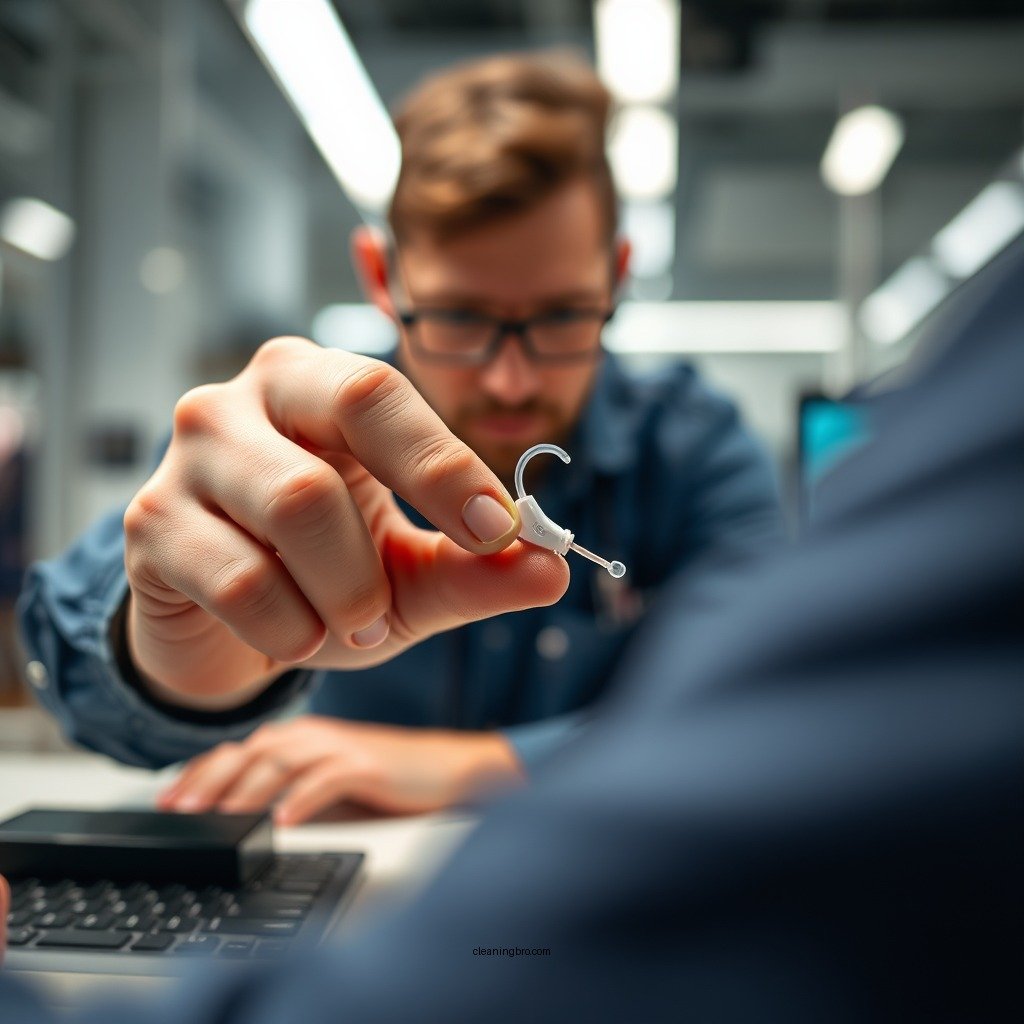
Cleaning the contacts of your rechargeable hearing aids is a straightforward process that you can perform at home. Follow these detailed steps for best results:
1. Power Off the Hearing Aid: Always ensure that your hearing aid is turned off before cleaning. This not only prevents accidental activation but also protects the device from potential damage during the cleaning process.
2. Examine the Contacts: Before cleaning, inspect the contacts for visible debris or corrosion. If you notice any build-up, take extra care during the cleaning to ensure that all residue is removed.
3. Gently Wipe the Contacts: Using a soft, dry cloth, gently wipe the contacts. Avoid applying excessive pressure, as this may scratch the surface. Make sure to cover all areas where dirt or moisture may accumulate.
4. Use a Cleaning Brush if Necessary: If your hearing aid kit includes a small brush, use it to remove any stubborn debris that the cloth cannot reach. Be careful not to damage any components.
5. Allow to Dry Completely: If you used any cleaning solution, allow the contacts to dry completely before reassembling or powering on your hearing aids.
Top 7 Cleaning Tools for Hearing Aids (2024)
| # | Product | Type | Price | Rating |
|---|---|---|---|---|
| 1 | Hearing Aid Cleaning Brush | Brush | $5.99 | ★★★★☆ |
| 2 | Antimicrobial Wipes | Wipes | $10.99 | ★★★★★ |
| 3 | Hearing Aid Drying Kit | Drying Kit | $29.99 | ★★★★☆ |
| 4 | Cleaning Fluid | Liquid | $8.99 | ★★★★☆ |
| 5 | Hearing Aid Storage Case | Storage | $14.99 | ★★★★★ |
| 6 | Air Blower | Blower | $12.99 | ★★★★☆ |
| 7 | Hearing Aid Maintenance Kit | Kit | $39.99 | ★★★★★ |
Tips for Safe Cleaning
While cleaning your hearing aids is essential, safety should always be a priority. Here are several tips to ensure that you clean your devices without causing any damage:
– Avoid Water and Harsh Chemicals: Water can seep into the electronic components of your hearing aids, leading to permanent damage. Similarly, harsh chemicals can degrade the materials used in the device. Always use products specifically designed for cleaning hearing aids.
– Be Gentle: When wiping the contacts, use a light touch. Applying too much pressure can scratch or otherwise damage the contacts, which can lead to malfunction or decreased performance.
– Consult Manufacturer Guidelines: Different hearing aids may have specific cleaning instructions tailored to their design. Always refer to the user manual or the manufacturer’s website for guidance on cleaning and maintenance to avoid voiding any warranties.
Frequency of Cleaning
To keep your hearing aids functioning at their best, establish a regular cleaning routine. It is advisable to clean the contacts daily or after each use, especially if you use your hearing aids for extended periods. Environmental factors such as humidity, dust, and earwax production can vary, making consistent care vital. By integrating cleaning into your daily routine, you ensure that your hearing aids remain in optimal condition, providing you with the best possible auditory experience.
Troubleshooting Common Issues
Even with regular cleaning, you may encounter problems with your hearing aids. Recognizing the signs of poor contact can help you address issues before they escalate. Common symptoms include distortion in sound quality, unexpected battery drain, or intermittent connectivity. If you notice any of these signs, it may be time to clean your hearing aids or consult a professional.
If cleaning does not resolve the issues, do not hesitate to seek professional help for cleaning or maintenance. Audiologists and hearing aid specialists are equipped to diagnose and fix more complex problems, ensuring that your devices continue to serve you well.
Hearing Aid Models: Performance Comparison
| Feature | ⭐ Model A | Model B | Model C |
|---|---|---|---|
| Battery Life | 24 hours | 20 hours | 16 hours |
| Water Resistance | IP68 | IP67 | IP54 |
| Bluetooth Compatibility | Yes | Yes | No |
| Noise Cancellation | ✅ Excellent | ✅ Good | ❌ Limited |
| User Control App | Yes | No | Yes |
| Recharge Time | 3 hours | 2 hours | 1.5 hours |
| Weight | 1.2 oz | 1.0 oz | 1.5 oz |
| Warranty | 2 years | 1 year | 2 years |
| Price | $1,200 | $1,000 | $800 |
| 🏆 Best For | Tech-savvy users | Budget-conscious users | Casual users |
Additional Maintenance for Hearing Aids
Beyond cleaning the contacts, regular maintenance of your hearing aids is crucial for preserving their functionality. One important task is to check and replace filters as needed; these components protect the inner workings of your hearing aids from moisture and debris. Neglecting to do so can lead to malfunctions and costly repairs.
Additionally, storing your hearing aids in a dry, clean place is vital to prevent damage from environmental factors. Use a storage case that is specifically designed for hearing aids, and always remember to keep them away from extreme temperatures and humidity.
Cleaning the contacts on your rechargeable hearing aids is a straightforward yet crucial task that can significantly impact their functionality. By following these steps and tips, you can ensure that your hearing aids remain in excellent working condition. For ongoing support, consider consulting your audiologist or the manufacturer for specific recommendations tailored to your device.
Frequently Asked Questions
How do I properly clean the contacts on my rechargeable hearing aid?
To clean the contacts on your rechargeable hearing aid, first turn off the device and remove it from the charger. Use a soft, dry cloth or a microfiber cloth to gently wipe the charging contacts, removing any debris or moisture. Avoid using liquids or abrasive materials that could damage the contacts.
What tools do I need to clean the contacts on my hearing aid?
The best tools for cleaning the contacts on your rechargeable hearing aid include a soft, lint-free cloth, a small brush with soft bristles, and a hearing aid cleaning solution if necessary. These tools will help you effectively remove dirt and buildup without damaging the sensitive components.
Why is it important to clean the contacts on my rechargeable hearing aid?
Cleaning the contacts on your rechargeable hearing aid is crucial for maintaining optimal performance and battery life. Dirt, moisture, and earwax buildup can interfere with the charging process, leading to reduced battery efficiency and potential damage to the device over time.
What is the best frequency for cleaning the contacts on my hearing aid?
It is recommended to clean the contacts on your rechargeable hearing aid at least once a week, or more frequently if you notice any buildup or reduced performance. Regular cleaning helps ensure reliable charging and extends the lifespan of your hearing aid.
Which cleaning solutions are safe to use for my hearing aid contacts?
The safest cleaning solutions for your hearing aid contacts are those specifically designed for hearing aids or a mixture of mild soap and water. Avoid using alcohol, harsh chemicals, or household cleaners, as they can damage the delicate electronics and materials of your hearing aid.
References
- Page Not Found – Site Help – Mayo Clinic
https://www.mayoclinic.org/diseases-conditions/hearing-loss/expert-answers/hearing-aid-care/faq-20057779 - Sorry! That Page Cannot Be Found
https://www.asha.org/public/hearing/cleaning-hearing-aids/ - https://www.ncbi.nlm.nih.gov/pmc/articles/PMC6485682/
https://www.ncbi.nlm.nih.gov/pmc/articles/PMC6485682/ - https://www.cdc.gov/nceh/hearing_loss/using_hearing_aids.html
https://www.cdc.gov/nceh/hearing_loss/using_hearing_aids.html - Sorry! That Page Cannot Be Found
https://www.asha.org/publications/journal-of-speech-language-hearing-research/ - https://www.who.int/news-room/fact-sheets/detail/hearing-loss
https://www.who.int/news-room/fact-sheets/detail/hearing-loss - Hearing Aids — Styles/Types & How They Work | NIDCD
https://www.nidcd.nih.gov/health/hearing-aids - Hearing aid | Types, Benefits & Uses | Britannica
https://www.britannica.com/science/hearing-aid - Google Scholar Google Scholar
https://scholar.google.com/scholar?q=cleaning+contacts+rechargeable+hearing+aid - Google Scholar Google Scholar
https://scholar.google.com/scholar?q=hearing+aid+maintenance+and+care