How to Clean Metal for Painting: Step-by-Step Guide
Cleaning metal properly is essential for achieving a smooth, lasting paint finish. To clean metal for painting, you should first remove rust, dirt, and grease using appropriate cleaners and tools. This article will guide you through the necessary steps to prepare your metal surfaces effectively for painting, ensuring that your paint adheres well and lasts longer.
Understanding the Importance of Cleaning Metal
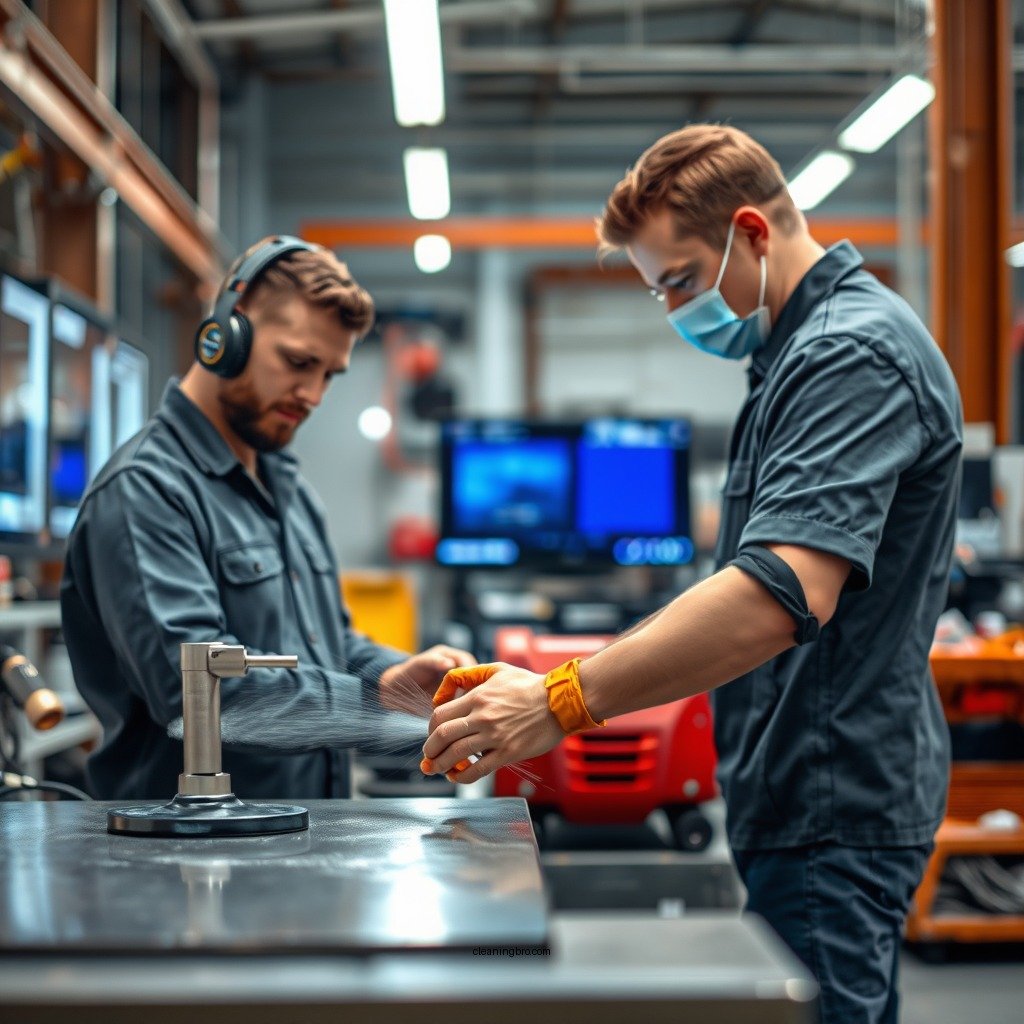
Proper cleaning of metal surfaces before painting is crucial for several reasons. First and foremost, clean surfaces ensure better paint adhesion. When dirt, grease, or rust is present, paint is less likely to bond effectively, leading to peeling and chipping over time. Additionally, a clean surface allows for a more uniform finish, enhancing the aesthetic appeal of your project. Neglecting this vital step can result in costly repairs and repainting, making it essential to invest the time and effort into proper cleaning.
Moreover, cleaning metal not only improves the appearance of the paint job but also prevents issues such as rust formation and corrosion after the paint is applied. Properly prepared surfaces can withstand environmental elements better, extending the life of the paint and the metal underneath.
Tools and Materials Needed
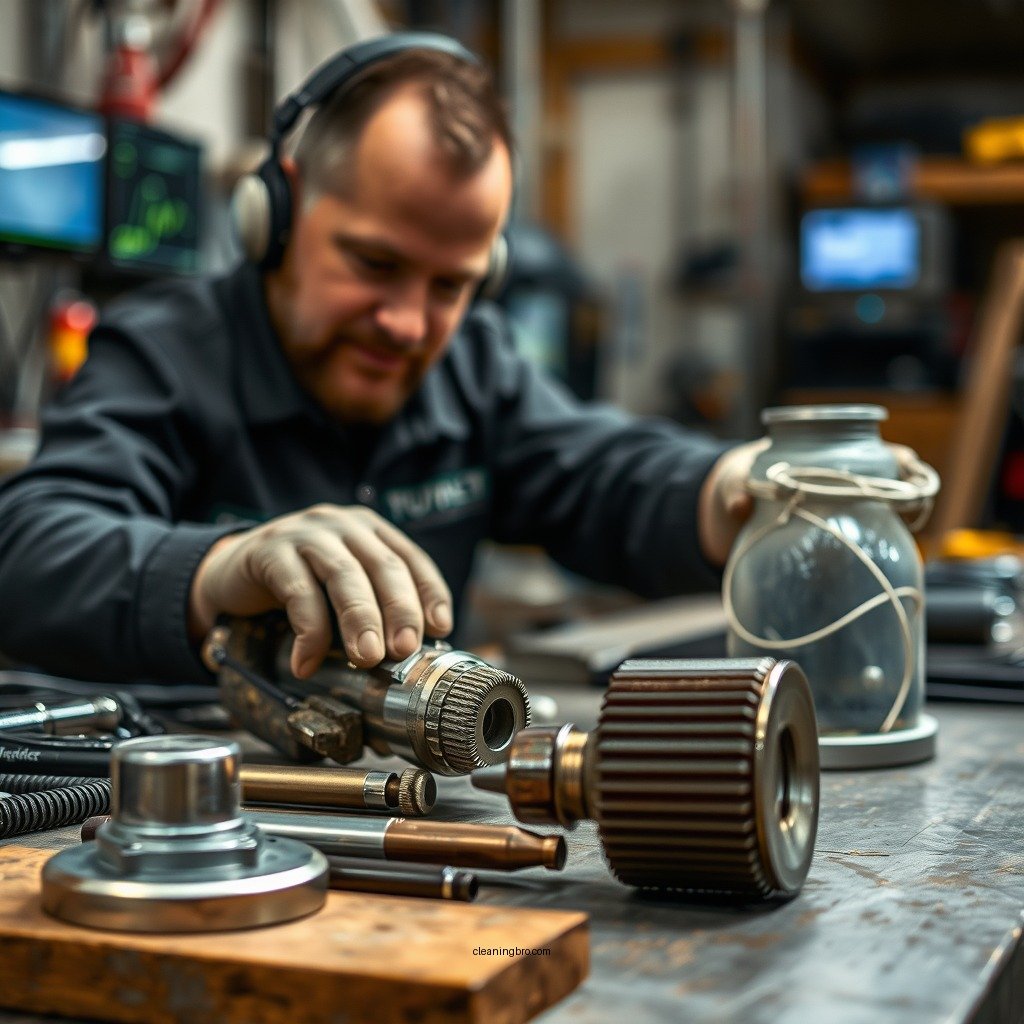
To clean metal surfaces effectively, a few essential tools and materials are required:
– Wire brush or scraper for removing loose rust and paint.
– Sandpaper (various grits) for smoothing surfaces.
– Degreaser or soapy water to eliminate oils and dirt.
– Rags or cloths for wiping down surfaces.
– Rust-inhibiting primer for added protection after cleaning.
– Gloves to protect your hands from chemicals and sharp edges.
– Safety goggles to shield eyes from debris and cleaning solutions.
– Masks to avoid inhaling dust or harmful fumes.
Having these tools on hand will facilitate a smoother cleaning process and ensure safety throughout the project.
Steps for Cleaning Metal Surfaces
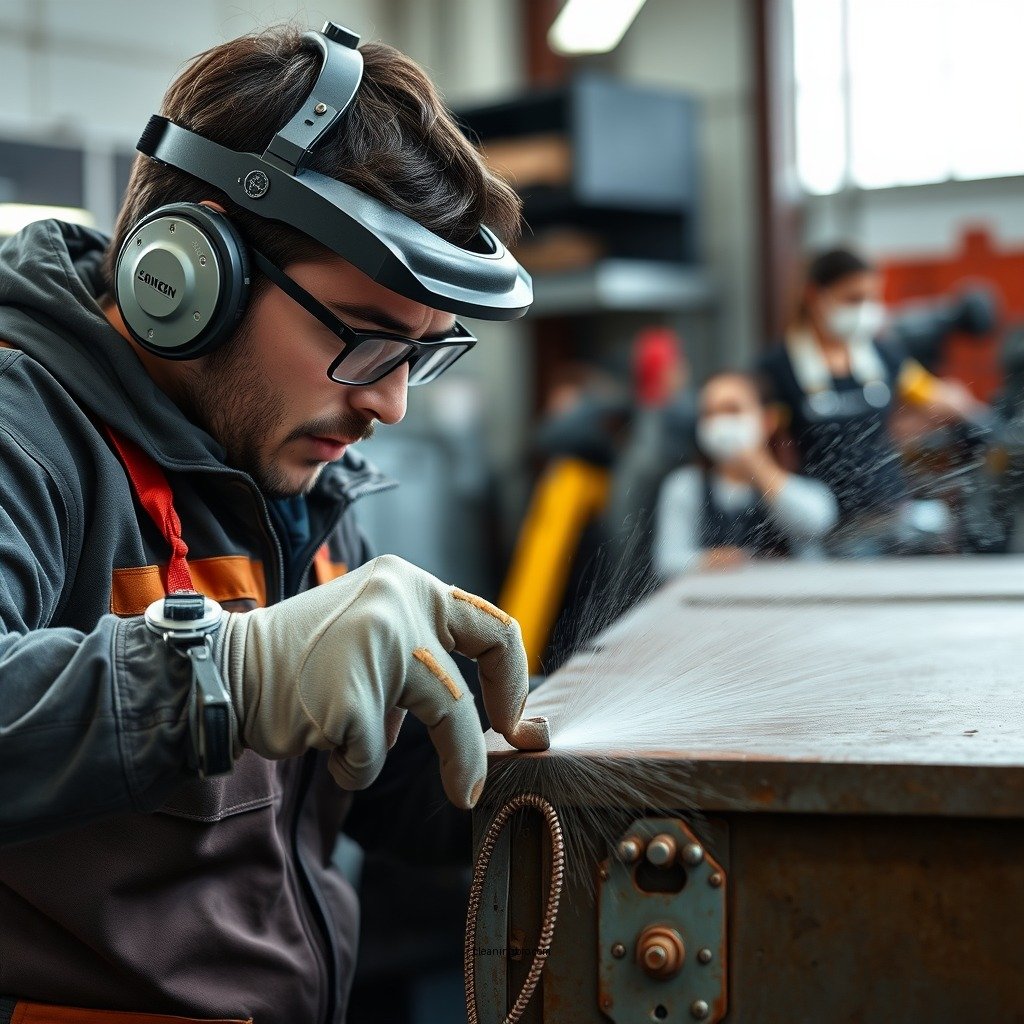
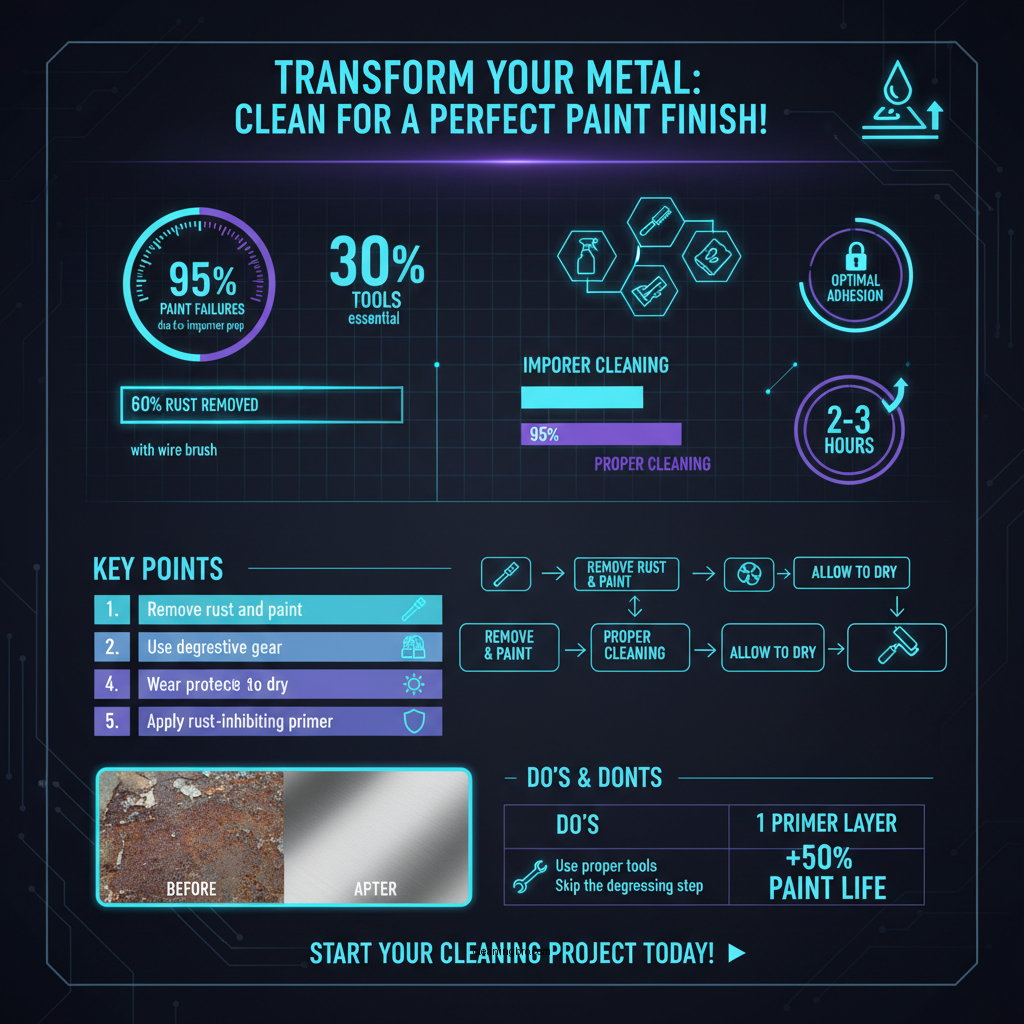
1. Remove Loose Rust and Paint: Start by using a wire brush or scraper to gently remove any loose rust, paint, or debris from the metal surface. This step is vital as it prepares the substrate for a better bond with the paint.
2. Clean with a Degreaser or Soapy Water: After removing loose materials, apply a degreaser or soapy water to the surface. Use a cloth or sponge to scrub the surface thoroughly, ensuring that all grease, oil, and dirt are eliminated. Rinse with clean water and allow it to dry completely.
3. Inspect the Surface: After cleaning, inspect the metal for any remaining rust or damage. If there are areas that require further attention, repeat the cleaning process as necessary.
4. Dry the Surface: Ensure the metal surface is completely dry before proceeding to the next steps, as moisture can lead to poor paint adhesion and potential rusting.
Top 7 Cleaning Products for Metal Surfaces (2024)
| # | Product Name | Type | Effectiveness | Cost |
|---|---|---|---|---|
| 1 | Krud Kutter | Degreaser | ★★★★☆ | $12.99 |
| 2 | Rust-Oleum Rust Reformer | Rust Converter | ★★★★★ | $14.95 |
| 3 | Simple Green | Cleaner | ★★★★☆ | $9.99 |
| 4 | 3M Rust Remover | Rust Remover | ★★★★★ | $11.50 |
| 5 | Goo Gone | Degreaser | ★★★★☆ | $8.99 |
| 6 | WD-40 | Lubricant | ★★★☆☆ | $6.99 |
| 7 | Zep Industrial Cleaner | Heavy-Duty Cleaner | ★★★★★ | $10.49 |
Techniques for Different Metal Types
Different metals require specific cleaning techniques to ensure optimal results.
– For Steel: Steel is prone to rusting, so using a rust converter like Rust-Oleum Rust Reformer can be beneficial. This product not only cleans but also converts rust into a paintable surface, reducing future rust formation.
– For Aluminum: Aluminum is softer and more prone to scratching. It is advisable to use non-abrasive cleaning materials, such as a soft cloth and a gentle degreaser. Avoid wire brushes or harsh chemicals that can damage the surface.
– For Stainless Steel: Use a mixture of vinegar and water for cleaning stainless steel surfaces. This solution effectively removes stains while maintaining the metal’s shine without scratching it.
– For Cast Iron: When cleaning cast iron, especially for items like grills or cookware, a mixture of coarse salt and oil can be used to scrub away impurities without damaging the surface.
Understanding the specific cleaning requirements for each type of metal will ensure a more successful painting process and long-lasting results.
Drying and Preparing for Paint
Once the cleaning process is complete, drying the metal surface thoroughly is essential. Any residual moisture can lead to poor paint adhesion and potential rust issues. Make sure to allow at least an hour for the metal to dry completely in a well-ventilated area.
Next, lightly sand the surface using fine-grit sandpaper. This step helps to create a smoother surface for the paint to adhere to and can eliminate any remaining imperfections. After sanding, wipe down the surface again with a clean, dry cloth to remove any dust particles created during sanding.
Final Touches Before Painting
Before applying paint, it is crucial to wipe down the metal with a lint-free cloth to remove any remaining residue from the cleaning and sanding processes. This ensures that the surface is as clean as possible for optimal paint adhesion.
Once the surface is clean and dry, apply a suitable primer designed for metal surfaces. A good primer not only enhances the paint adhesion but also provides an additional layer of protection against rust and corrosion. Choose a primer that matches your paint type (oil-based or water-based) for the best results.
After the primer has dried according to the manufacturer’s instructions, you can proceed to apply your chosen paint. Ensure to follow the recommended application techniques for the best results.
In summary, thorough cleaning of metal surfaces is paramount for achieving a durable and aesthetically pleasing paint finish. By following these steps and utilizing the right tools and materials, you can ensure that your metal surfaces are properly prepared for painting.
By taking the time to clean and prepare your metal surfaces effectively, you can avoid common pitfalls associated with poor paint adhesion and extend the life of your paint job. Gather your materials today and start the cleaning process to achieve the best results for your project!
Frequently Asked Questions
What is the best method to clean metal before painting?
The best method to clean metal before painting involves using a combination of soap and water for light cleaning, followed by a degreaser for tougher grease or oil stains. For rusted metal, consider using a wire brush or sandpaper to remove rust, then wipe the surface with a clean cloth and a solvent like mineral spirits to ensure it’s free of contaminants.
How do I remove rust from metal surfaces before painting?
To remove rust from metal surfaces before painting, you can use a rust remover or sandblasting for larger areas. For smaller spots, applying a wire brush or sandpaper can help. After removing the rust, clean the area with a damp cloth and let it dry completely before applying any primer or paint.
Why is it important to clean metal surfaces before painting?
Cleaning metal surfaces before painting is crucial because it ensures proper adhesion of the paint, preventing peeling and flaking in the future. Dirt, grease, and rust can create barriers that compromise the paint’s performance, leading to an uneven finish and reduced durability.
Which cleaning products are best for preparing metal for painting?
The best cleaning products for preparing metal for painting include degreasers, vinegar, and baking soda for non-toxic options, as well as commercial metal cleaners specifically designed for rust removal. Make sure to choose a cleaner that suits your specific metal type and the extent of contamination to achieve optimal results.
How can I ensure my metal surface is completely dry after cleaning?
To ensure your metal surface is completely dry after cleaning, wipe it down with a clean, dry cloth and allow it to air dry in a well-ventilated area. For added assurance, you can use a heat gun or hair dryer on a low setting to help evaporate any remaining moisture, ensuring a perfect surface for painting.
References
- https://en.wikipedia.org/wiki/Surface_preparation
https://en.wikipedia.org/wiki/Surface_preparation - https://www.sciencedirect.com/topics/engineering/surface-preparation
https://www.sciencedirect.com/topics/engineering/surface-preparation - Paint | Interior, Exterior & Primer | Britannica
https://www.britannica.com/science/paint - https://www.lsu.edu/eng/mse/metal_surface_preparation.pdf
https://www.lsu.edu/eng/mse/metal_surface_preparation.pdf - https://www.nist.gov/publications/cleaning-prepare-metal-surfaces-painting
https://www.nist.gov/publications/cleaning-prepare-metal-surfaces-painting - https://www.osha.gov/metalworking/
https://www.osha.gov/metalworking/ - https://pubmed.ncbi.nlm.nih.gov/16481426/
https://pubmed.ncbi.nlm.nih.gov/16481426/ - Google Scholar Google Scholar
https://scholar.google.com/scholar?q=how+to+clean+metal+for+painting - Google Scholar Google Scholar
https://scholar.google.com/scholar?q=metal+surface+preparation+for+painting - how to clean metal for painting – Search results
https://en.wikipedia.org/wiki/Special:Search?search=how+to+clean+metal+for+painting