How to Clean Mister Nozzles Effectively
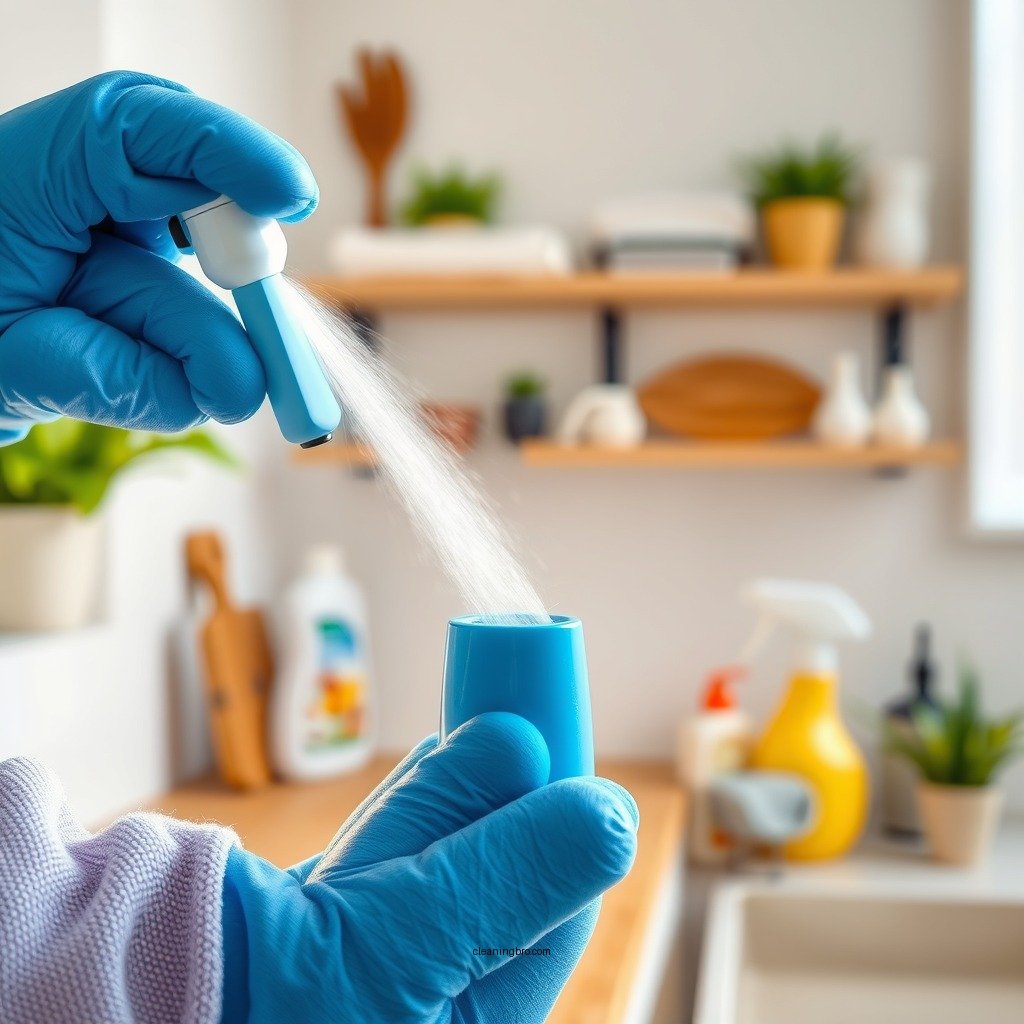
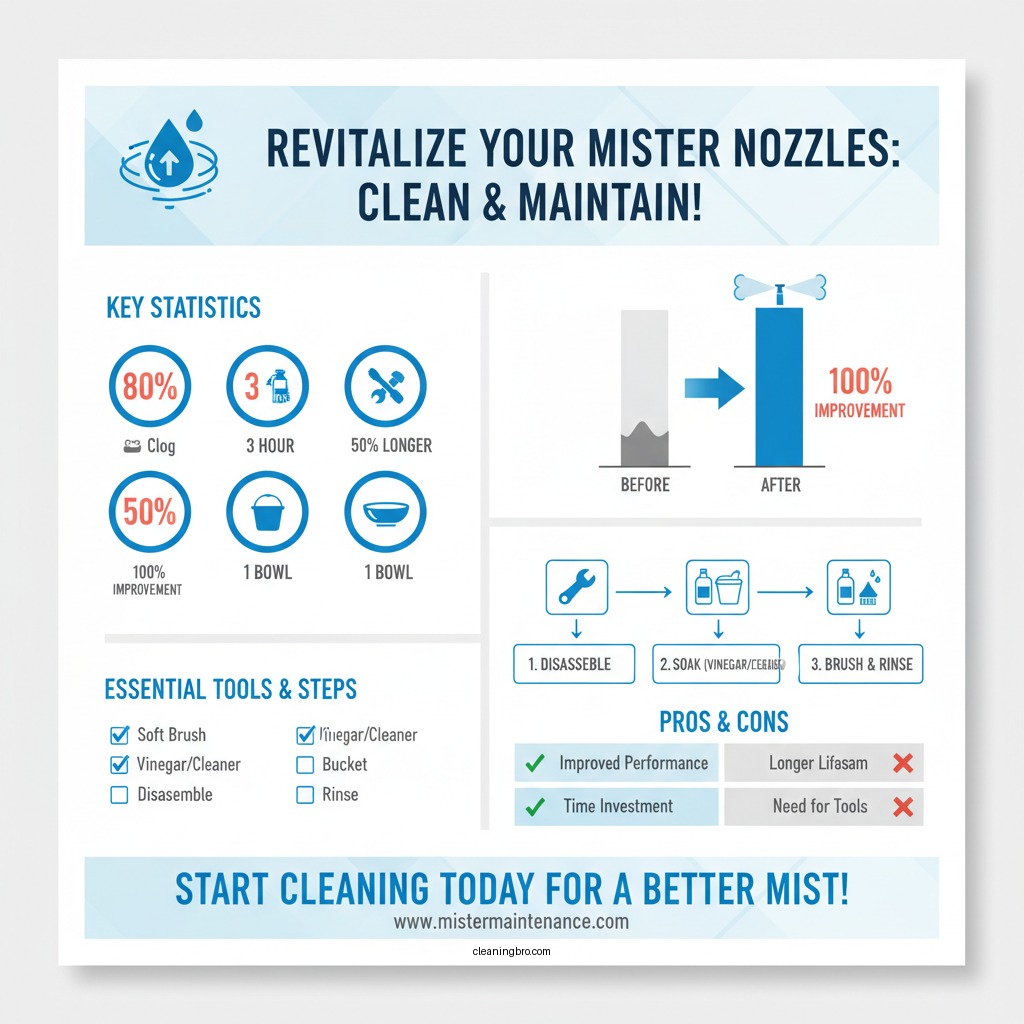
Cleaning mister nozzles effectively is essential for optimal performance and ensuring a fine mist. To achieve this, it involves disassembling the nozzles, soaking them in a suitable cleaning solution, and using a soft brush to eliminate any buildup. This article will provide a comprehensive guide, detailing each step needed to clean your mister nozzles efficiently, thereby enhancing the performance and longevity of your misting system.
Understanding the Importance of Cleaning Mister Nozzles
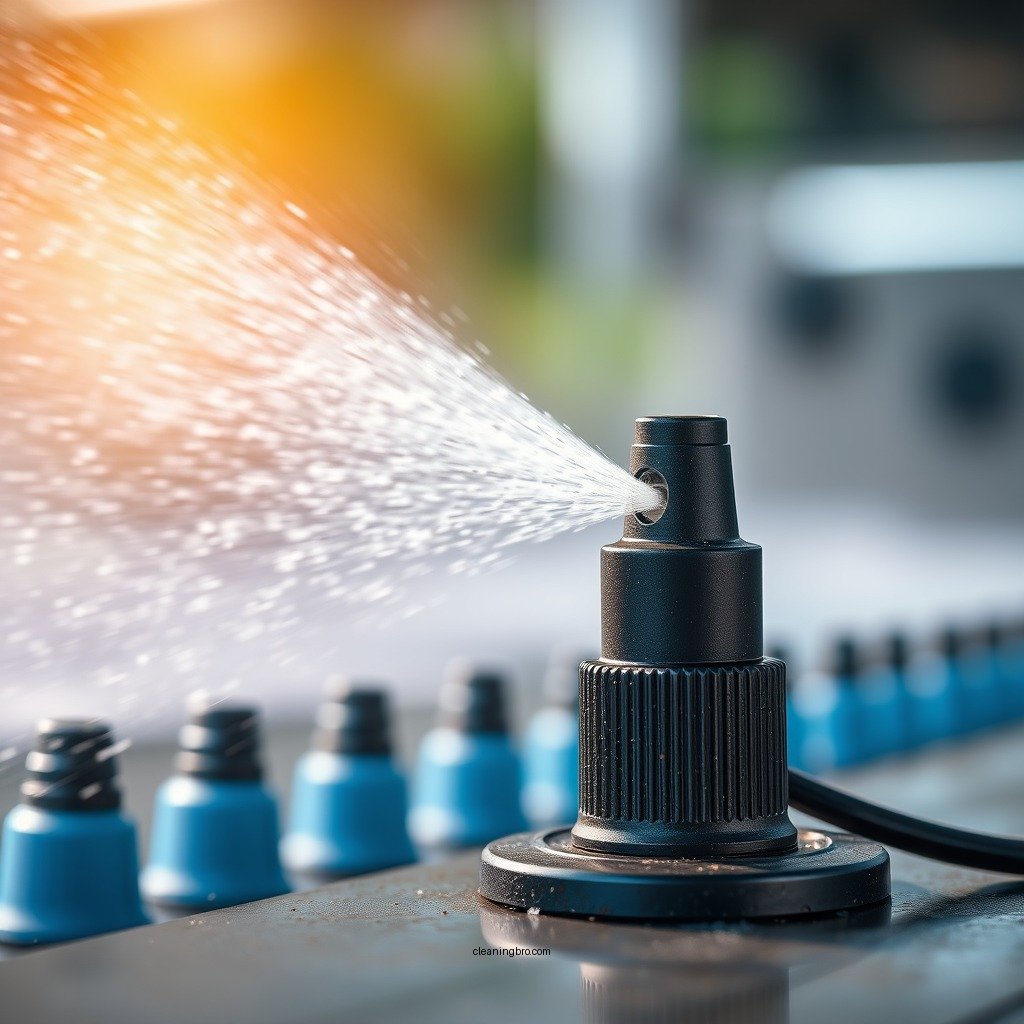
Regular cleaning of mister nozzles is crucial for several reasons. First and foremost, it prevents clogging, which can lead to uneven mist distribution. When mineral deposits and debris accumulate in the nozzles, the flow of water is restricted, causing the misting system to perform poorly. This can result in dry spots in the area you are trying to cool or humidify, which defeats the purpose of having a misting system in the first place.
Moreover, clean nozzles significantly enhance the lifespan of your misting system. When nozzles are clogged, the system has to work harder to push water through, leading to increased wear and tear. Regular maintenance, including cleaning, can help avoid costly repairs or replacements, ensuring that your investment continues to serve you well over the years.
Tools and Materials Needed
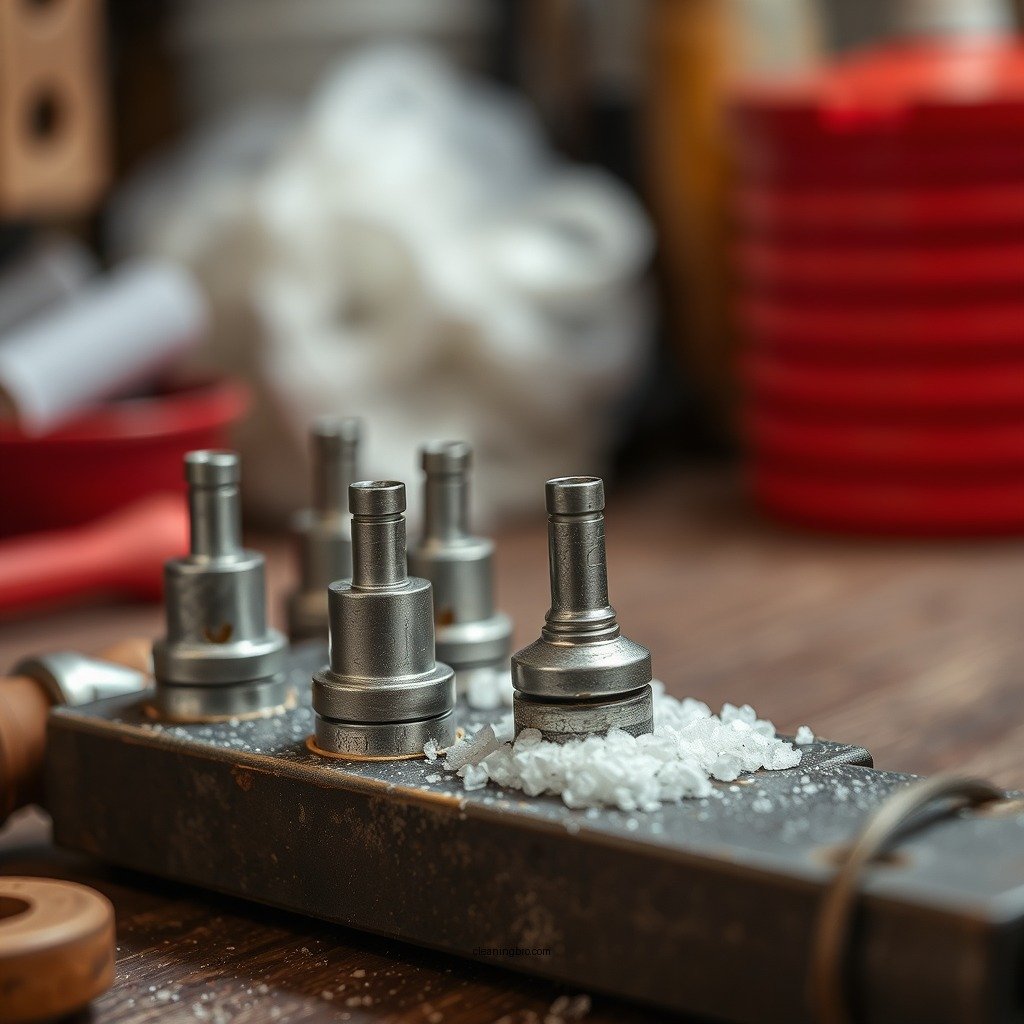
Before you start cleaning your mister nozzles, it’s essential to gather the necessary tools and materials. Here’s a list to help you prepare:
– Soft-bristle brush: This will be used for gentle scrubbing of the nozzles without causing damage.
– White vinegar or a specialized nozzle cleaning solution: White vinegar is an effective and natural cleaner that can dissolve mineral deposits. If you prefer a specialized solution, make sure it is safe for use with your misting system.
– A bowl or bucket: You will need this for soaking the nozzles in the cleaning solution.
Having these items on hand will make the cleaning process smoother and more effective.
Step-by-Step Guide to Disassemble the Nozzles
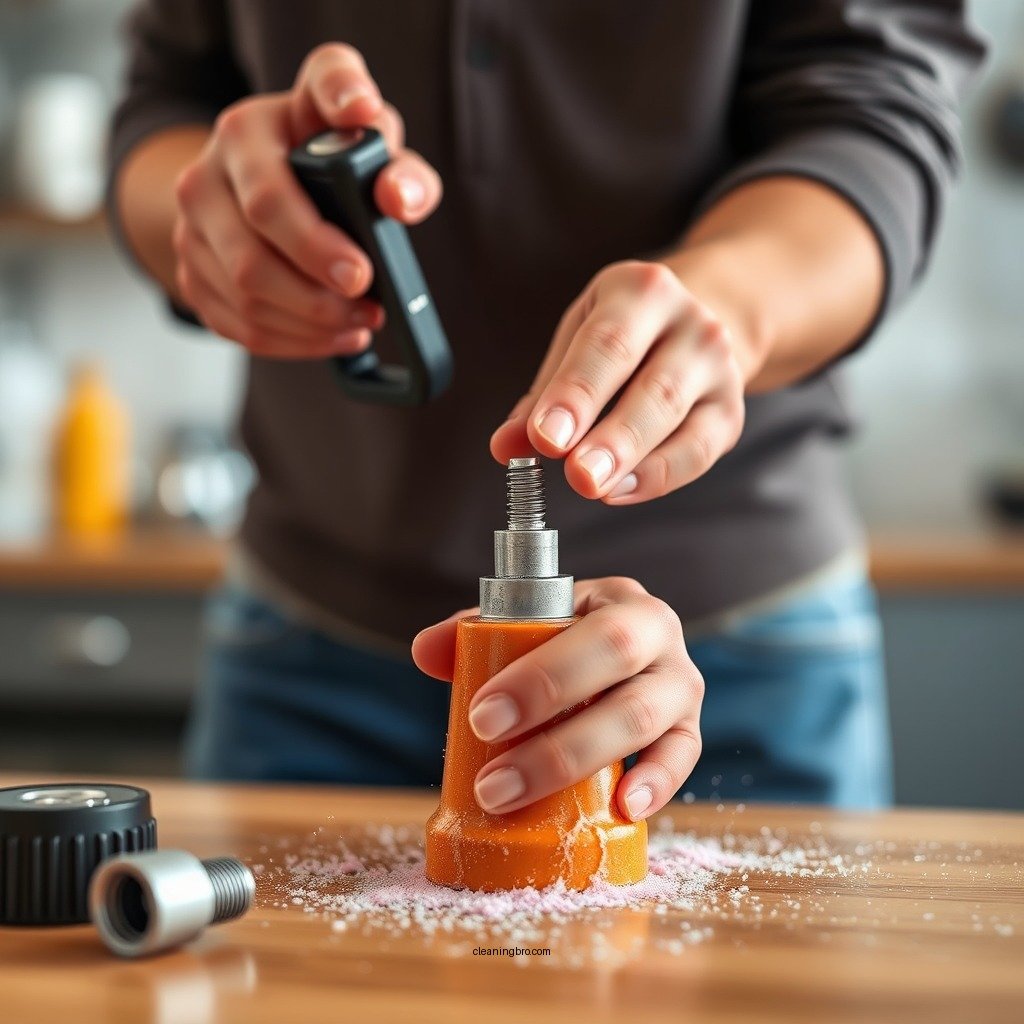
Disassembling the nozzles correctly is a critical first step in the cleaning process. Here’s how to do it safely:
1. Turn off the water supply: Before you begin, ensure that the water supply to your misting system is completely turned off. This prevents any unwanted water flow during the disassembly process.
2. Disconnect the nozzles carefully: Using a wrench or pliers, gently remove the nozzles from their fittings. Be cautious not to apply excessive force, as this could damage the nozzles or the fittings.
3. Note the assembly order: As you remove each nozzle, take note of the order in which they are connected. You can either take a picture or write down the sequence to make reinstallation easier.
Common Issues with Mister Nozzles and Cleaning Solutions
| # | Issue | Description | Cleaning Solution |
|---|---|---|---|
| 1 | Clogged Nozzles | Reduced water flow | Vinegar soak |
| 2 | Uneven Mist | Inconsistent mist distribution | Thorough cleaning |
| 3 | Dripping Nozzles | Water leaks from nozzles | Inspect fittings |
| 4 | Mineral Buildup | White deposits on nozzles | Soak in vinegar |
| 5 | Broken Nozzles | Cracks or severe wear | Replace nozzles |
| 6 | Air Bubbles | Intermittent misting | Purge air from system |
| 7 | Contaminated Water | Debris affects mist quality | Use clean water |
Soaking and Cleaning the Nozzles
After disassembling the nozzles, the next step is to soak them in a cleaning solution. Here’s how to effectively soak and clean your nozzles:
1. Prepare the soaking solution: Fill a bowl or bucket with white vinegar or your chosen nozzle cleaning solution. Ensure there is enough liquid to fully submerge the nozzles.
2. Submerge the nozzles: Place the disassembled nozzles into the bowl, ensuring they are completely covered by the cleaning solution.
3. Soak time: Let the nozzles soak for at least 30 minutes. This duration allows the cleaning solution to dissolve mineral deposits and any other buildup effectively.
Scrubbing and Rinsing the Nozzles
After soaking, it’s time to scrub and rinse the nozzles to ensure they are thoroughly cleaned:
1. Use a soft brush: Take your soft-bristle brush and gently scrub the nozzle openings. Be careful to avoid applying too much pressure, which could damage the fragile components of the nozzles. Focus on areas that have visible buildup.
2. Rinse thoroughly: After scrubbing, rinse the nozzles under running water. This step is crucial to remove any remaining residue from the cleaning solution, as well as any dislodged debris.
3. Inspect for cleanliness: After rinsing, inspect each nozzle to ensure that all buildup has been removed. If necessary, repeat the soaking and scrubbing process for any nozzles that still appear dirty.
Reassembling and Testing the Nozzles
Once the nozzles are clean, you can proceed to reassemble and test them:
1. Reattach the nozzles: Following the order you noted earlier, carefully reattach each nozzle to its fitting. Ensure that they are secured tightly, but avoid overtightening, which can cause damage.
2. Turn the water supply back on: With the nozzles securely in place, turn the water supply back on.
3. Test for proper misting: Observe the misting system as it operates. Look for even mist distribution and ensure that there are no leaks or drips from the nozzles. If everything functions correctly, your cleaning process has been successful.
Best Cleaning Solutions for Mister Nozzles
| Feature | ⭐ White Vinegar | Nozzle Cleaning Solution A | Nozzle Cleaning Solution B |
|---|---|---|---|
| Effectiveness | ✅ Excellent | ✅ Good | ✅ Moderate |
| Cost | Low | Moderate | High |
| Safety | ✅ Non-toxic | ✅ Safe | ✅ Safe |
| Ease of Use | ✅ Simple | ✅ Convenient | ✅ Requires dilution |
| Environmental Impact | ✅ Minimal | ✅ Low | ✅ Moderate |
| Availability | ✅ Widely available | ✅ Available | ✅ Available |
| Speed of Action | ✅ Fast | ✅ Moderate | ✅ Slow |
| Odor | ✅ Pleasant | ✅ Neutral | ✅ Chemical scent |
| 🏆 Best For | Budget-conscious users | Regular maintenance | Heavy cleaning |
Maintenance Tips for Future Prevention
To ensure that your mister nozzles remain clean and functional over the long term, consider implementing a few maintenance tips:
1. Regular cleaning schedule: Establish a cleaning routine every few months, depending on the frequency of use and water quality in your area. Regular maintenance will help prevent the buildup of mineral deposits and other debris.
2. Use distilled water: If possible, use distilled or filtered water in your misting system. This can significantly reduce mineral buildup, as tap water often contains minerals and impurities that can clog nozzles over time.
3. Monitor performance: Keep an eye on the performance of your misting system. If you notice any changes in mist distribution or an increase in dripping, it may be time for another cleaning session.
4. Inspect regularly: Periodically check the nozzles for any signs of damage or wear. Early detection can prevent more significant issues down the line.
By adopting these maintenance practices, you can ensure the longevity and efficiency of your misting system.
Keeping your mister nozzles clean is crucial for maintaining their efficiency and effectiveness. By following the outlined steps for cleaning and maintenance, you will achieve a consistent and fine mist, prolonging the life of your system. Regular cleaning and proper care should be integral parts of your maintenance efforts. This proactive approach will not only enhance your misting experience but also save you time and money in the long run.
Frequently Asked Questions
What are the best methods to clean mister nozzles effectively?
The best methods to clean mister nozzles include soaking them in a vinegar solution, using a small brush to remove debris, or employing a specialized nozzle cleaner. Vinegar helps dissolve mineral deposits, while a brush can reach stubborn blockages. Regular maintenance will prevent clogs and ensure optimal misting performance.
How often should I clean my mister nozzles to maintain efficiency?
It is recommended to clean your mister nozzles every 1-2 months, depending on your water quality and usage frequency. Hard water can lead to mineral buildup, so more frequent cleaning may be necessary if you notice reduced misting efficiency. Regular maintenance helps prolong the life of your system and keeps it operating smoothly.
Why do my mister nozzles get clogged, and how can I prevent it?
Mister nozzles often get clogged due to mineral deposits from hard water, dirt, and debris. To prevent clogs, use filtered or distilled water, and regularly clean the nozzles. Additionally, installing a water filter can significantly reduce the amount of sediment that reaches your nozzles.
Which cleaning solutions are safe for mister nozzles?
Safe cleaning solutions for mister nozzles include white vinegar, mild dish soap mixed with warm water, or commercial nozzle cleaners specifically designed for misting systems. Avoid harsh chemicals that could damage the nozzles or affect the quality of the mist. Always rinse thoroughly after cleaning to remove any residue.
How can I tell if my mister nozzles need cleaning?
You can tell if your mister nozzles need cleaning if the mist produced is uneven, weak, or if certain nozzles are not misting at all. Additionally, if you notice mineral buildup on the nozzles or a decrease in cooling efficiency, it’s time for a thorough cleaning. Regular inspections can help identify these issues early.
References
- https://www.hort.purdue.edu/ext/ho-3.pdf
https://www.hort.purdue.edu/ext/ho-3.pdf - https://www.extension.purdue.edu/extmedia/ho/ho-3.pdf
https://www.extension.purdue.edu/extmedia/ho/ho-3.pdf - https://www.gardener’spath.com/how-to/maintenance/misting-system-care/
https://www.gardener’spath.com/how-to/maintenance/misting-system-care/ - Google Scholar Google Scholar
https://scholar.google.com/scholar?q=clean+mister+nozzles - Google Scholar Google Scholar
https://scholar.google.com/scholar?q=misting+system+maintenance - Google Scholar Google Scholar
https://scholar.google.com/scholar?q=cleaning+nozzles+in+irrigation+systems - https://www.apsnet.org/edcenter/intropp/topics/Pages/Irrigation.aspx
https://www.apsnet.org/edcenter/intropp/topics/Pages/Irrigation.aspx - https://www.pubmed.ncbi.nlm.nih.gov/28998191/
https://www.pubmed.ncbi.nlm.nih.gov/28998191/ - Google Scholar Google Scholar
https://scholar.google.com/scholar?q=how+to+clean+mister+nozzles - how to clean mister nozzles – Search results
https://en.wikipedia.org/wiki/Special:Search?search=how+to+clean+mister+nozzles