How to Clean Mold from Leather: Effective Methods
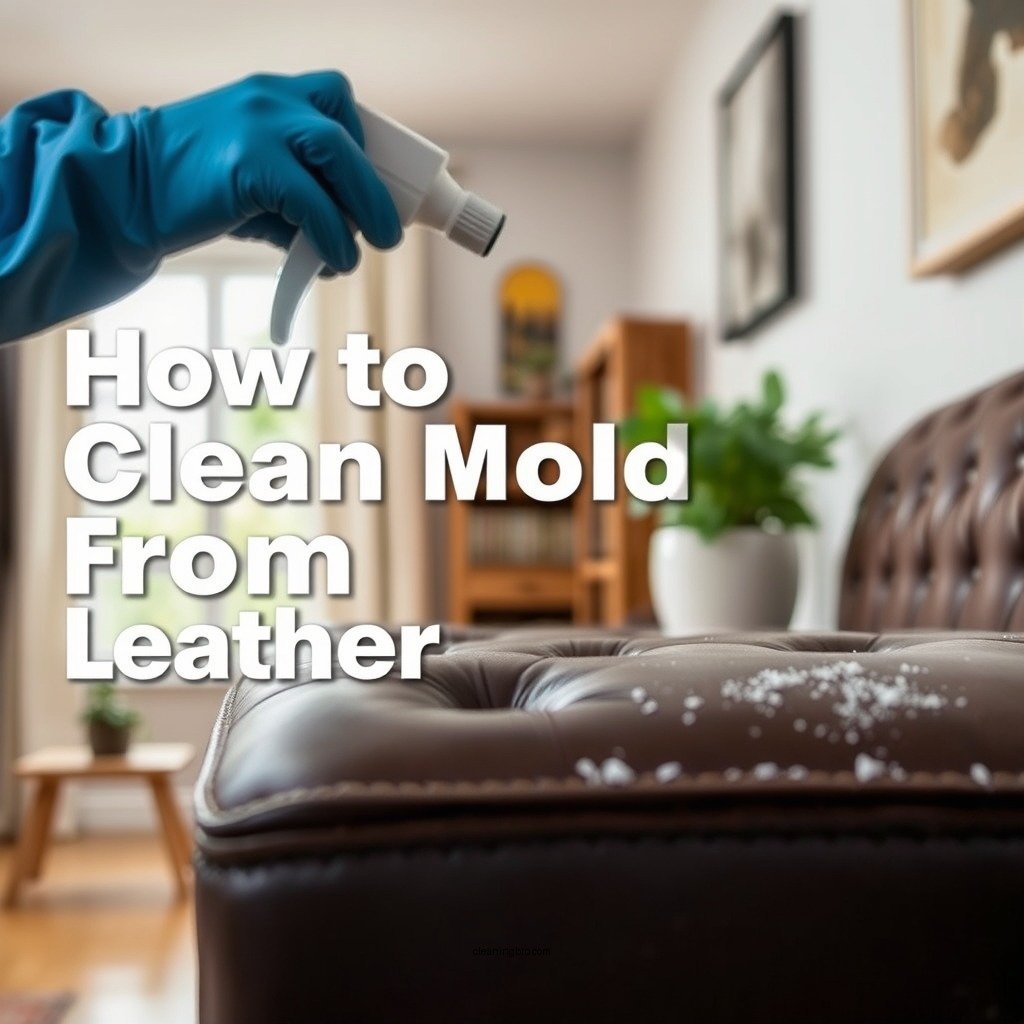
Cleaning mold from leather can be effectively done using a combination of gentle cleaning solutions and preventive measures. Leather is an exquisite material that can be significantly damaged by mold if not treated promptly and correctly. In this article, you will learn the best techniques and products to safely remove mold while preserving the integrity of your leather items, ensuring they remain beautiful and functional for years to come.
Understanding Mold on Leather
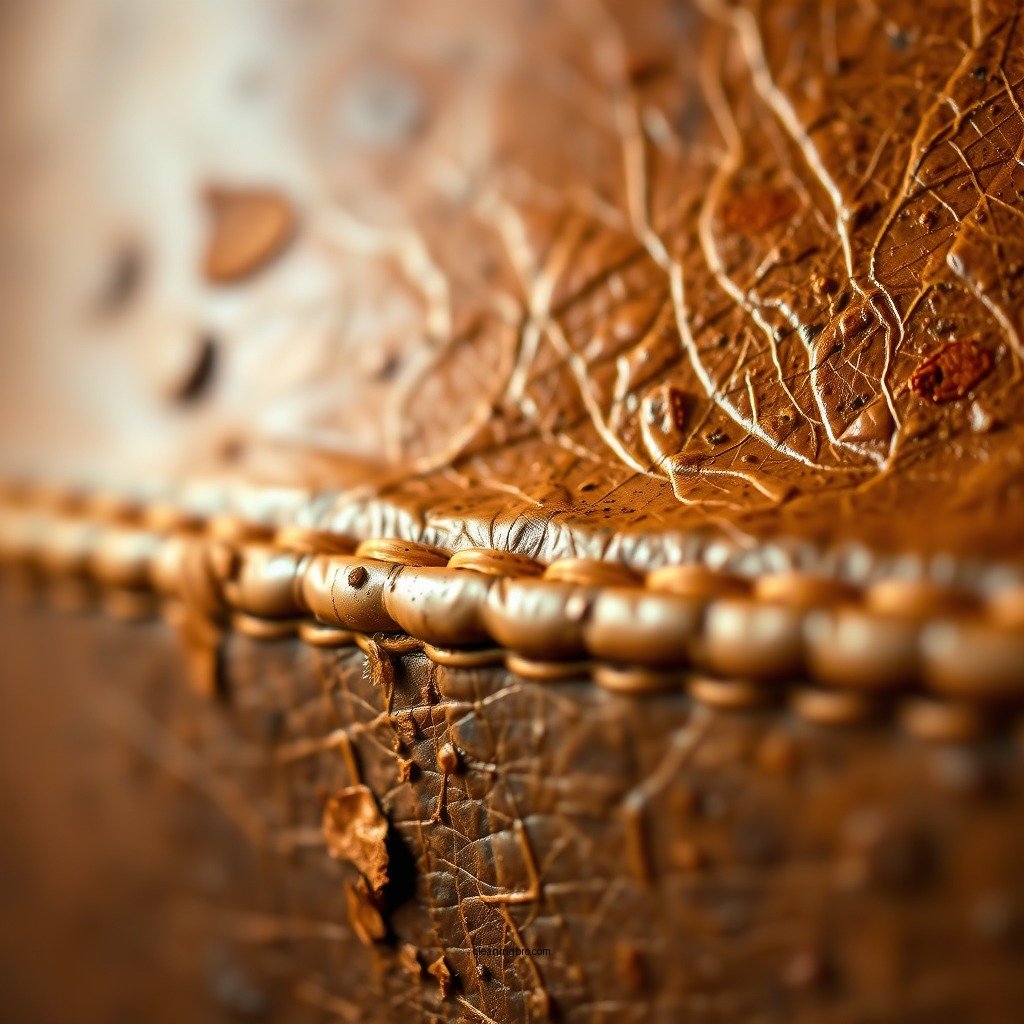
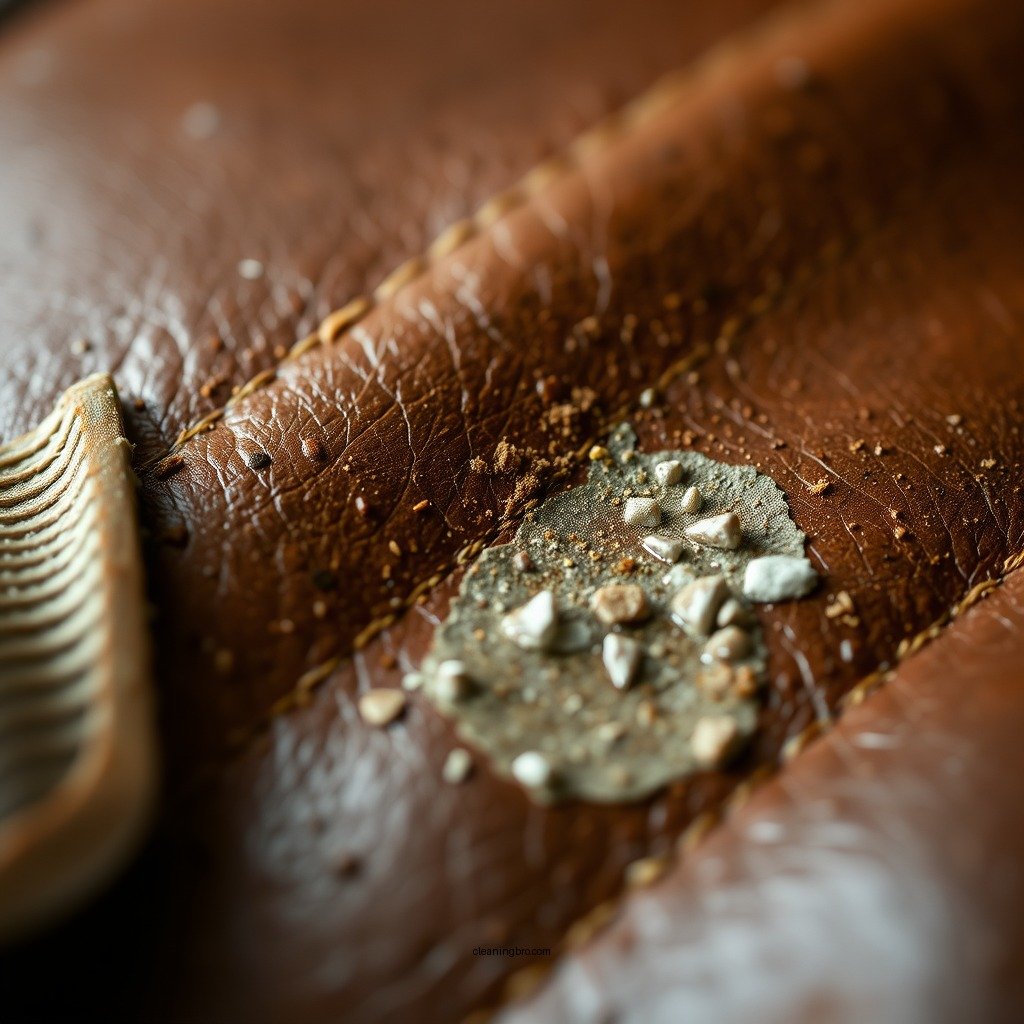
Mold thrives in damp, humid environments, making leather susceptible if not properly stored. Leather items, whether they are jackets, shoes, handbags, or furniture, can develop mold due to excessive moisture. This often occurs when leather is stored in basements or other areas with high humidity without proper airflow. Identifying the type of mold is crucial as different molds may respond better to specific cleaning methods. Common types of mold include Aspergillus and Penicillium, which can appear as green, black, or white spots on leather surfaces. Recognizing these early signs can help mitigate damage and facilitate effective cleaning.
Essential Supplies for Cleaning Leather
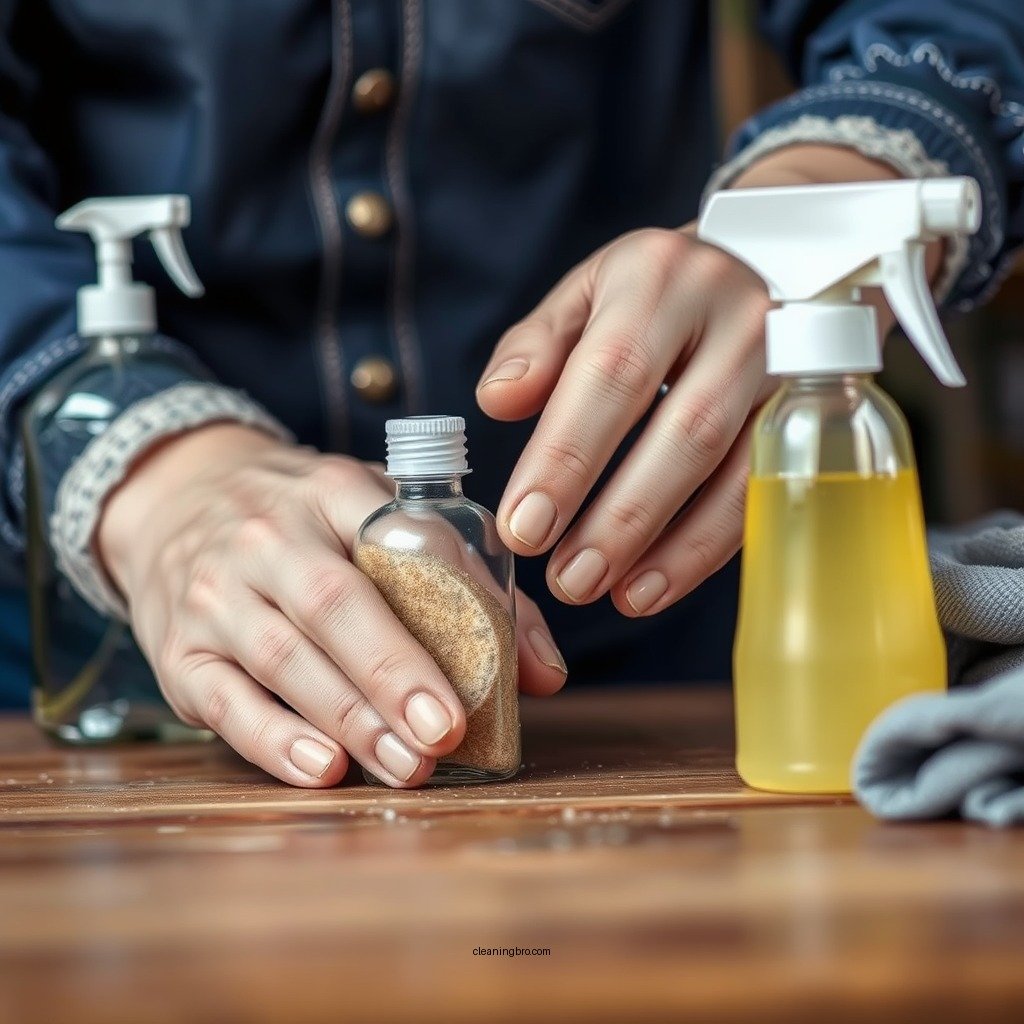
To effectively clean mold from leather, you will need to gather some essential supplies that will help you do so gently and safely.
– Soft Cloths and Brushes: These are crucial for gentle cleaning without damaging the leather. A microfiber cloth is particularly effective because it can lift dirt and spores without scratching the surface.
– Mild Soap or Specialized Leather Cleaner: Using a gentle soap such as castile soap mixed with water or a specialized leather cleaner will help avoid harsh chemicals that can degrade the leather’s quality.
– White Vinegar or Rubbing Alcohol: Both of these substances can be effective in killing mold spores. They should be used in diluted forms to prevent leather damage.
– Leather Conditioner: After cleaning, using a conditioner will help restore moisture and suppleness to the leather, preventing future mold growth.
Step-by-Step Cleaning Process
Cleaning mold from leather requires a careful approach. Here’s a step-by-step process to follow:
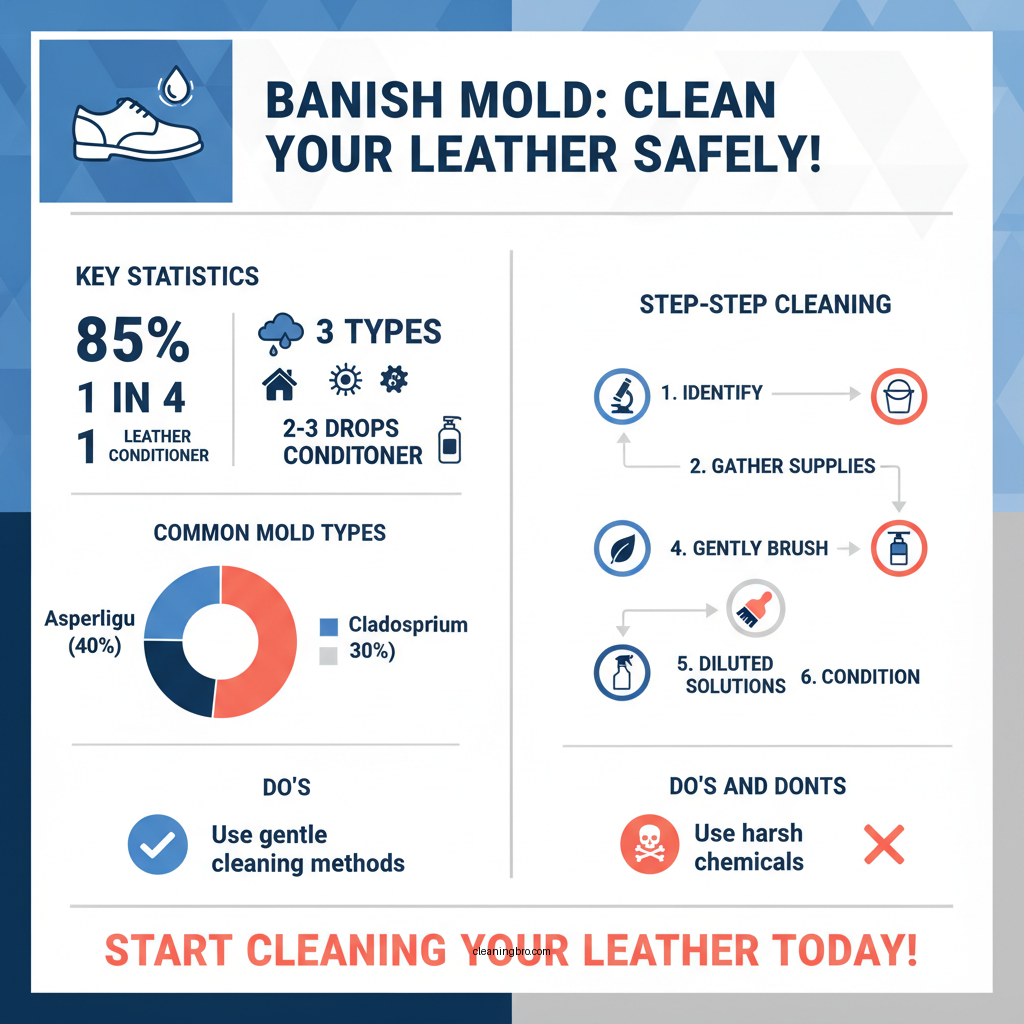
1. Take the Leather Item Outdoors: Begin by taking the leather item outdoors to prevent mold spores from spreading indoors. Choose a dry, well-ventilated area.
2. Dust Off the Surface: Gently brush off any loose mold with a soft brush or cloth. Be careful not to rub vigorously, as this can push the spores deeper into the leather.
3. Prepare the Cleaning Solution: Mix a few drops of mild soap with water, or use a diluted solution of white vinegar or rubbing alcohol.
4. Wipe the Surface: Dampen a microfiber cloth with the cleaning solution (ensure it’s not soaking wet) and gently wipe the affected areas. Avoid excessive moisture, as it can further damage leather.
5. Rinse: Use a separate clean, damp cloth with plain water to wipe away any soap or cleaning solution residue.
6. Dry the Leather: Allow the leather to air dry completely in a shaded area, away from direct sunlight or heat sources, which can warp or crack the leather.
Drying and Conditioning Leather
Once the leather is clean, it’s essential to dry and condition it properly.
– Air Drying: After cleaning, allow the leather to air dry completely. This step is crucial as trapping moisture can lead to further mold growth. Avoid using hair dryers or placing leather near radiators.
– Conditioning: Once dry, apply a high-quality leather conditioner to restore moisture and suppleness. This will help prevent future mold growth by keeping the leather healthy and resilient.
Preventing Future Mold Growth
Prevention is key to maintaining the quality of your leather items and avoiding mold recurrence. Here are some effective strategies:
– Proper Storage: Store leather items in a cool, dry place with good ventilation. Avoid damp basements or attics where humidity levels can rise.
– Regular Cleaning: Periodically dust and clean your leather items, even when they don’t appear dirty. This helps remove any potential mold spores before they can develop.
– Use Moisture Absorbers: Consider using silica gel packets or charcoal bags in storage areas to absorb excess moisture.
– Humidity Control: Maintain humidity levels below 50% in your storage areas. A dehumidifier can help in particularly humid environments.
When to Seek Professional Help
If mold persists after cleaning or if the leather is significantly damaged, consulting a professional cleaner may be necessary. Professional leather cleaning services have specialized knowledge and tools to treat stubborn mold cases without damaging the material. Understanding when to seek help can save your leather items from irreparable harm. Look for a reputable service that specializes in leather care to ensure the best results.
Most Common Types of Mold Found on Leather
| # | Mold Type | Color | Health Risks |
|---|---|---|---|
| 1 | Aspergillus | Green/Black | Respiratory Issues |
| 2 | Penicillium | Blue/Green | Allergic Reactions |
| 3 | Cladosporium | Olive Green | Skin Irritations |
| 4 | Fusarium | White/Pink | Respiratory Issues |
| 5 | Alternaria | Dark Green | Allergic Reactions |
| 6 | Rhizopus | Black/Brown | Respiratory Issues |
| 7 | Chaetomium | Brown | Skin Irritations |
Best Leather Cleaners for Mold Removal
| Feature | ⭐ Leather Cleaner Pro | Mold & Mildew Remover | Safe Leather Cleaner |
|---|---|---|---|
| Price | $14.99 | $12.50 | $9.99 |
| Mold Removal | ✅ Very Effective | ✅ Effective | ❌ Limited Effectiveness |
| Conditioning | ✅ Includes Conditioner | ❌ No Conditioning | ✅ Includes Conditioner |
| Ease of Use | ✅ Spray Bottle | ✅ Spray Bottle | ✅ Spray Bottle |
| Chemical-Free | ✅ Yes | ❌ No | ✅ Yes |
| Effect on Color | ✅ No Effect | ✅ No Effect | ✅ No Effect |
| Availability | ✅ Widely Available | ✅ Available Online | ✅ Limited Availability |
| User Ratings | ★★★★☆ | ★★★☆☆ | ★★☆☆☆ |
| 🏆 Best For | Heavy Mold Issues | Basic Mold Cleaning | General Leather Care |
In summary, cleaning mold from leather requires a careful approach and the right tools. By understanding the nature of mold, gathering essential supplies, and following a structured cleaning process, you can effectively restore your leather items. Preventative measures, such as proper storage and regular maintenance, are vital to keeping your leather mold-free. Should you encounter persistent mold issues, do not hesitate to seek professional assistance to ensure your leather retains its beauty and functionality. Now is the time to take action—check your leather items, clean them thoroughly, and implement preventive measures to maintain their health and longevity.
Frequently Asked Questions
How can I effectively remove mold from my leather jacket?
To effectively remove mold from your leather jacket, start by taking it outdoors to prevent spores from spreading indoors. Use a soft brush to gently remove the mold, then clean the area with a mixture of equal parts water and vinegar. After cleaning, ensure the leather dries completely and apply a leather conditioner to restore moisture.
What are the best products for cleaning mold off leather?
The best products for cleaning mold off leather include white vinegar, rubbing alcohol, and specialized leather cleaners. White vinegar is effective due to its antifungal properties, while rubbing alcohol can help eliminate stubborn mold stains. Always test any product on a small, inconspicuous area first to avoid damage.
Why does mold grow on leather and how can I prevent it?
Mold grows on leather due to excess moisture, humidity, and lack of proper ventilation. To prevent mold growth, store leather items in a cool, dry place, use silica gel packets to absorb moisture, and ensure regular cleaning and conditioning of the leather to maintain its integrity.
Which methods are safe for cleaning mold from leather without damage?
Safe methods for cleaning mold from leather include using a soft brush or cloth, diluted vinegar solutions, and specialized leather cleaning products. Avoid using harsh chemicals or excessive water, as these can damage the leather’s surface and lead to cracking or discoloration.
How do I know if my leather item is too damaged by mold to clean?
To determine if your leather item is too damaged by mold to clean, inspect it for deep discoloration, cracks, or a compromised texture. If the mold has penetrated the leather fibers or if the item emits a persistent musty odor after cleaning attempts, it may be best to consult a professional leather restoration service for further evaluation.
References
- https://www.ncbi.nlm.nih.gov/pmc/articles/PMC6464578/
https://www.ncbi.nlm.nih.gov/pmc/articles/PMC6464578/ - https://www.cdc.gov/mold/faqs.htm
https://www.cdc.gov/mold/faqs.htm - https://www.mayoclinic.org/diseases-conditions/allergic-rhinitis/expert-answers/mold/faq-20057896
https://www.mayoclinic.org/diseases-conditions/allergic-rhinitis/expert-answers/mold/faq-20057896 - https://www.who.int/news-room/fact-sheets/detail/mold
https://www.who.int/news-room/fact-sheets/detail/mold - https://www.bbc.com/future/article/20200505-what-mold-is-and-how-to-get-rid-of-it
https://www.bbc.com/future/article/20200505-what-mold-is-and-how-to-get-rid-of-it - https://www.sciencedirect.com/science/article/pii/S0169534717301010
https://www.sciencedirect.com/science/article/pii/S0169534717301010 - Google Scholar Google Scholar
https://scholar.google.com/scholar?q=how+to+clean+mold+from+leather - Google Scholar Google Scholar
https://scholar.google.com/scholar?q=mold+removal+leather - Google Scholar Google Scholar
https://scholar.google.com/scholar?q=mold+cleaning+techniques+for+leather - https://en.wikipedia.org/wiki/Special:Search?search=how+to+clean+mold+from+leather
https://en.wikipedia.org/wiki/Special:Search?search=how+to+clean+mold+from+leather