How to Clean Mold Out of HVAC Ducts: A Step-by-Step Guide
Understanding the Causes of Mold Growth
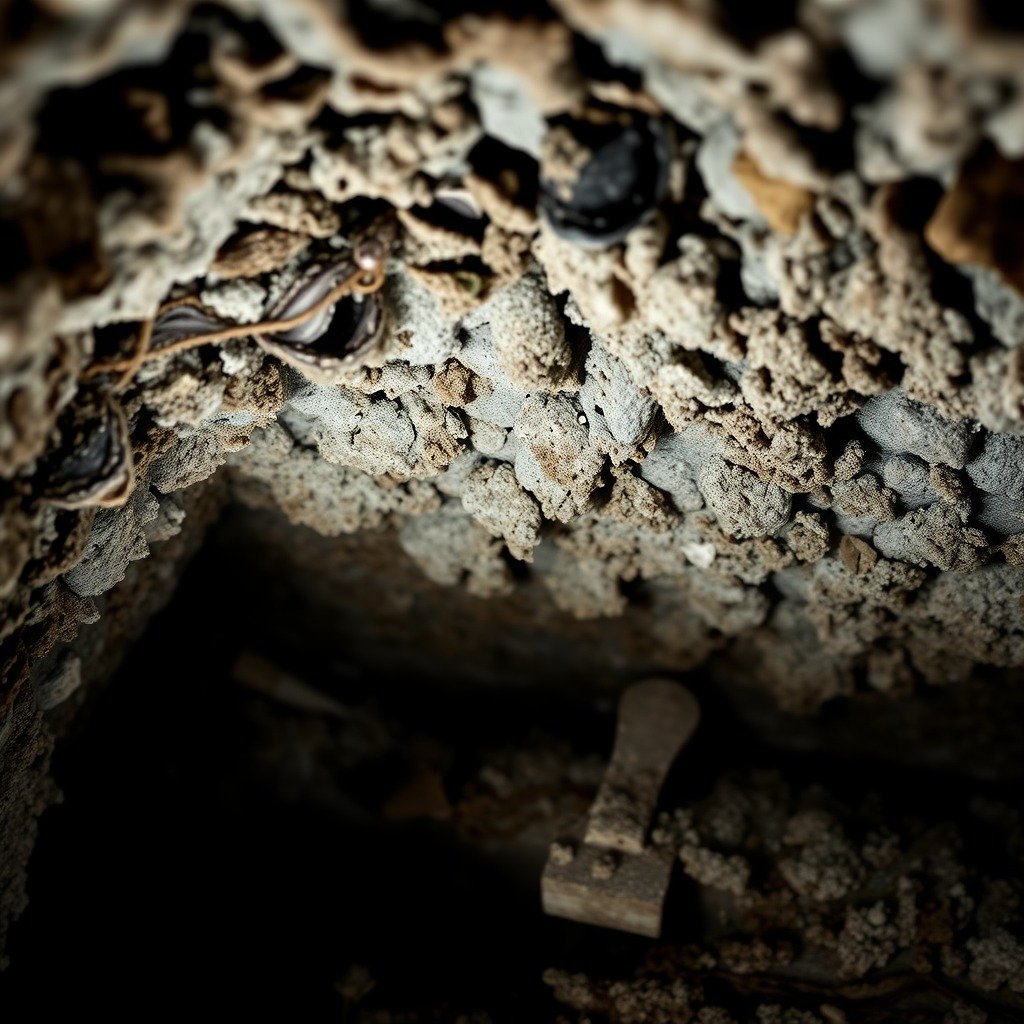
Mold growth in HVAC systems is often exacerbated by specific environmental conditions. High humidity levels are one of the primary factors that facilitate mold growth. When humidity levels rise above 60%, the moisture can accumulate in air ducts, creating an ideal breeding ground for mold spores. Additionally, poor ventilation can trap moisture in the system, while dirty filters can contribute to the accumulation of dust and debris, further encouraging mold proliferation.
Understanding these causes is crucial for homeowners and facility managers alike. Regular monitoring of humidity levels and ensuring proper ventilation can significantly reduce the likelihood of mold growth, protecting both the HVAC system and the occupants’ health.
Identifying Mold in Your HVAC System
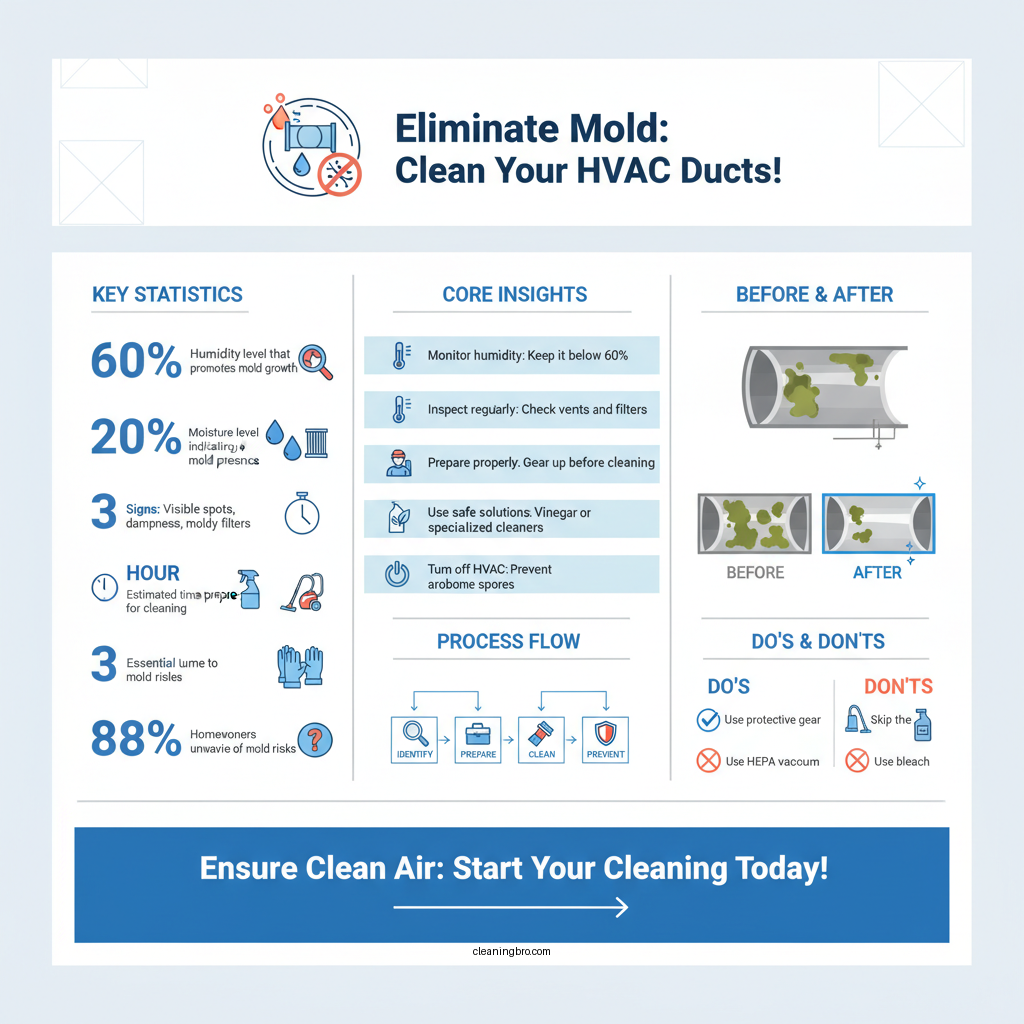
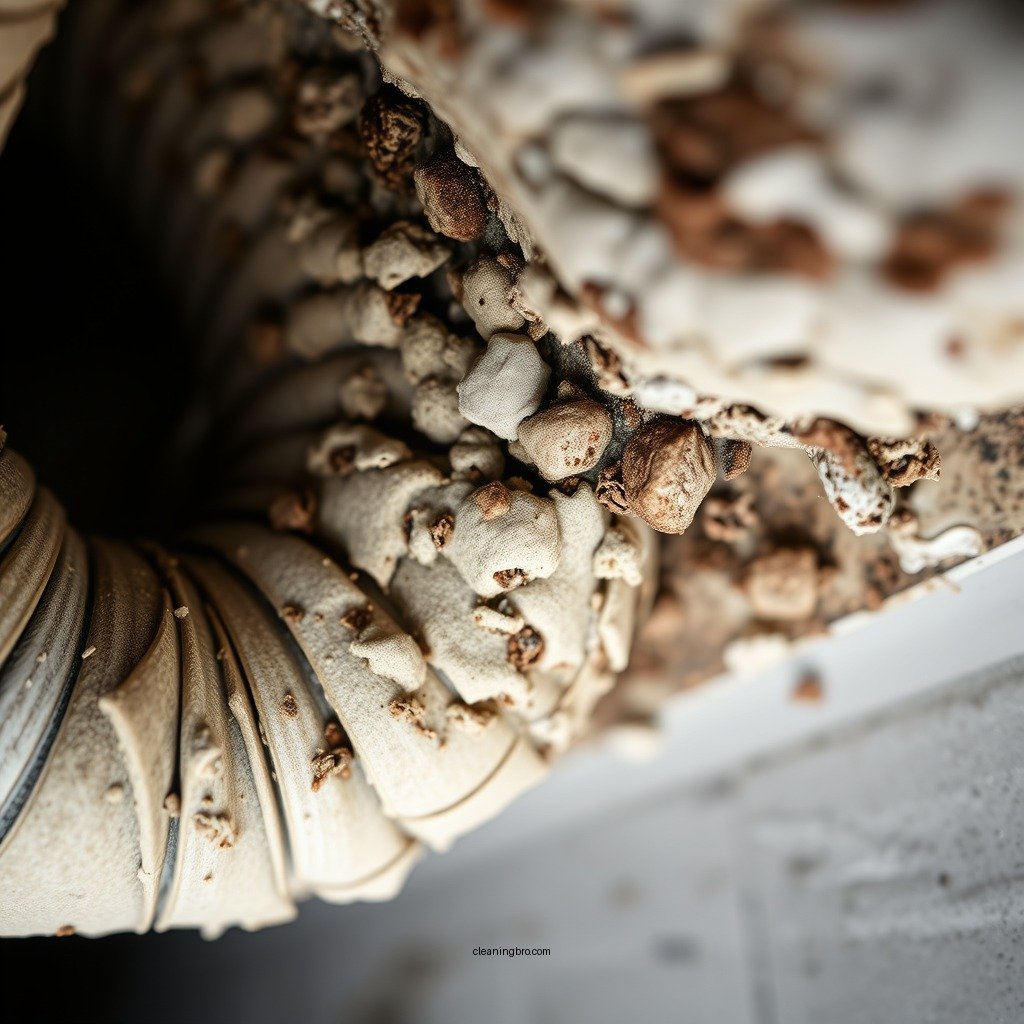
Identifying mold within your HVAC system is the first step in addressing the problem. Homeowners should look for visible signs of mold in vents, ducts, and the surrounding areas. Dark spots or fuzzy growths near the vents can indicate mold presence. However, mold may not always be visible, necessitating the use of a moisture meter to check for damp areas within the ductwork. If areas register moisture levels above 20%, this could signal the presence of mold.
It’s also advisable to inspect the air filters and blower fans for signs of mold, as these components can harbor spores that may be redistributed throughout your home.
Preparing for the Cleaning Process

Before commencing the cleaning process, proper preparation is essential. Start by turning off the HVAC system to prevent mold spores from circulating throughout your home during the cleaning. Next, gather the necessary cleaning supplies, which should include:
– Protective gear: Gloves, masks, and goggles are essential to protect yourself from mold exposure.
– Cleaning solutions: Use a mixture of water and vinegar, or specialized mold removers that are safe for HVAC systems.
– Tools: A HEPA vacuum, brushes, and cloths will be beneficial for thorough cleaning.
Proper preparation ensures a safe and efficient cleaning process while minimizing the risk of mold spores dispersing into the air.
Top 7 Mold Cleaning Solutions for HVAC Ducts (2024)
| # | Product Name | Type | Effectiveness | Price |
|---|---|---|---|---|
| 1 | RMR-86 Mold Stain Remover | Spray | High | $14.99 |
| 2 | Mold Armor Mildew Stain Remover | Spray | High | $9.99 |
| 3 | Concrobium Mold Control | Liquid | Very High | $19.99 |
| 4 | Zep Mold Stain Remover | Spray | High | $12.99 |
| 5 | Moldex Mold Cleaner | Liquid | High | $24.99 |
| 6 | EnviroCare Mold Cleaner | Liquid | Medium | $17.99 |
| 7 | Simple Green Cleaner | Liquid | Medium | $10.99 |
Cleaning Techniques for Mold Removal
Once you have identified the mold and prepared for cleaning, it’s time to implement effective cleaning techniques. Start by using a HEPA vacuum to carefully remove mold spores from the ducts. This type of vacuum is designed to trap tiny particles, preventing them from being released back into the air.
Next, apply your chosen cleaning solution. A mixture of water and vinegar is a natural option that can effectively kill mold spores without introducing harmful chemicals into your home. For stubborn mold, use a specialized mold remover that is safe for HVAC systems. Apply the solution to a cloth or brush and scrub the affected areas thoroughly, ensuring all visible mold is removed.
After cleaning, allow the ductwork to dry completely. This step is crucial to prevent further mold growth, as moist conditions can lead to a recurrence.
DIY Cleaning vs Professional Duct Cleaning vs Chemical Treatment
| Feature | ⭐ DIY Cleaning | Professional Cleaning | Chemical Treatment |
|---|---|---|---|
| Cost | Low | High | Medium |
| Thoroughness | Variable | High | Variable |
| Time Required | 1-2 hours | 3-5 hours | 1-3 hours |
| Health Risk | Moderate | Low | High |
| Equipment Needed | Basic tools | Advanced tools | Specialized chemicals |
| Follow-up Maintenance | Requires frequent checks | Infrequent | Varies |
| Effectiveness | ✅ Good | ✅ Best | ✅ Moderate |
| Environmental Impact | Variable | Low | High |
| Satisfaction Rating | ★★★☆☆ | ★★★★★ | ★★★☆☆ |
| 🏆 Best For | Cost-conscious homeowners | Thorough cleaning | Quick fixes |
Preventing Future Mold Growth
Once you’ve successfully cleaned the mold from your HVAC ducts, it’s crucial to implement preventive measures. Regularly changing air filters should be a priority, as dirty filters can trap moisture and promote mold growth. Aim to change your filters every 1-3 months, depending on usage and environmental conditions.
Additionally, maintaining optimal humidity levels is essential. Consider using dehumidifiers in areas prone to moisture accumulation, such as basements or bathrooms. Keeping humidity levels between 30% and 50% can significantly hinder mold growth. Regularly inspecting and cleaning your ducts will also help keep mold at bay.
When to Call a Professional
While many homeowners can manage minor mold issues, certain situations warrant professional intervention. If you observe extensive mold growth, especially if it covers a large area or persists after cleaning, it’s advisable to seek expert help. Professionals have specialized equipment and techniques that ensure thorough cleaning and can assess the integrity of your HVAC system.
Moreover, if you or your family members experience health issues related to mold exposure, consulting a professional is essential to ensure safety. Professional services can also provide ongoing maintenance plans to help prevent future mold problems.
By following these steps, you can effectively clean mold out of your HVAC ducts and improve your indoor air quality. Regular maintenance and vigilance will help you prevent mold from returning, ensuring a healthier living environment for you and your family. If you find the task overwhelming or if mold persists, don’t hesitate to reach out to a professional for assistance.
Frequently Asked Questions
How can I tell if there is mold in my HVAC ducts?
Signs of mold in your HVAC ducts include a musty odor, visible mold growth around vents, and increased allergy symptoms among household members. If you notice these indicators, it’s crucial to inspect the ducts, as mold can spread quickly and affect indoor air quality.
What are the best methods for cleaning mold out of HVAC ducts?
The best methods for cleaning mold out of HVAC ducts include using a combination of a vacuum with a HEPA filter, specialized cleaning agents designed for mold removal, and professional duct cleaning services. It’s essential to ensure that all surfaces are properly cleaned and dried to prevent future mold growth.
Why is it important to clean mold from HVAC ducts?
Cleaning mold from HVAC ducts is vital because mold can lead to serious health issues, including respiratory problems and allergies. Additionally, mold can compromise the efficiency of your HVAC system, leading to increased energy costs and potential damage to the unit.
Which products are effective for removing mold from HVAC ducts?
Effective products for removing mold from HVAC ducts include specialized mold cleaning solutions, hydrogen peroxide, and vinegar. Be sure to choose non-toxic options that do not release harmful chemicals into your indoor air, and always follow the manufacturer’s instructions for safe use.
How often should I inspect and clean my HVAC ducts for mold?
It is recommended to inspect and clean your HVAC ducts for mold at least once every 2-5 years, depending on your local climate, humidity levels, and whether anyone in your home has allergies or respiratory issues. Regular maintenance can help prevent mold growth and ensure your HVAC system operates efficiently.
References
- https://www.cdc.gov/healthyhomes/healthy_air/indoor_mold.html
https://www.cdc.gov/healthyhomes/healthy_air/indoor_mold.html - Mold Cleanup in Your Home | US EPA
https://www.epa.gov/mold/mold-cleanup-your-home - https://www.niehs.nih.gov/health/materials/mold_and_your_health_508.pdf
https://www.niehs.nih.gov/health/materials/mold_and_your_health_508.pdf - https://www.who.int/news-room/fact-sheets/detail/indoor-air-quality
https://www.who.int/news-room/fact-sheets/detail/indoor-air-quality - Pericardial effusion – Doctors and departments – Mayo Clinic
https://www.mayoclinic.org/diseases-conditions/mold-allergy/symptoms-causes/syc-20353725 - https://www.ncbi.nlm.nih.gov/pmc/articles/PMC5052709/
https://www.ncbi.nlm.nih.gov/pmc/articles/PMC5052709/ - https://www.sciencedirect.com/science/article/pii/S0360132317306617
https://www.sciencedirect.com/science/article/pii/S0360132317306617 - https://www.bbc.com/future/article/20200331-how-to-get-rid-of-mould-in-your-home
https://www.bbc.com/future/article/20200331-how-to-get-rid-of-mould-in-your-home - Google Scholar Google Scholar
https://scholar.google.com/scholar?q=clean+mold+out+of+hvac+ducts - Google Scholar Google Scholar
https://scholar.google.com/scholar?q=HVAC+duct+mold+removal+guidelines